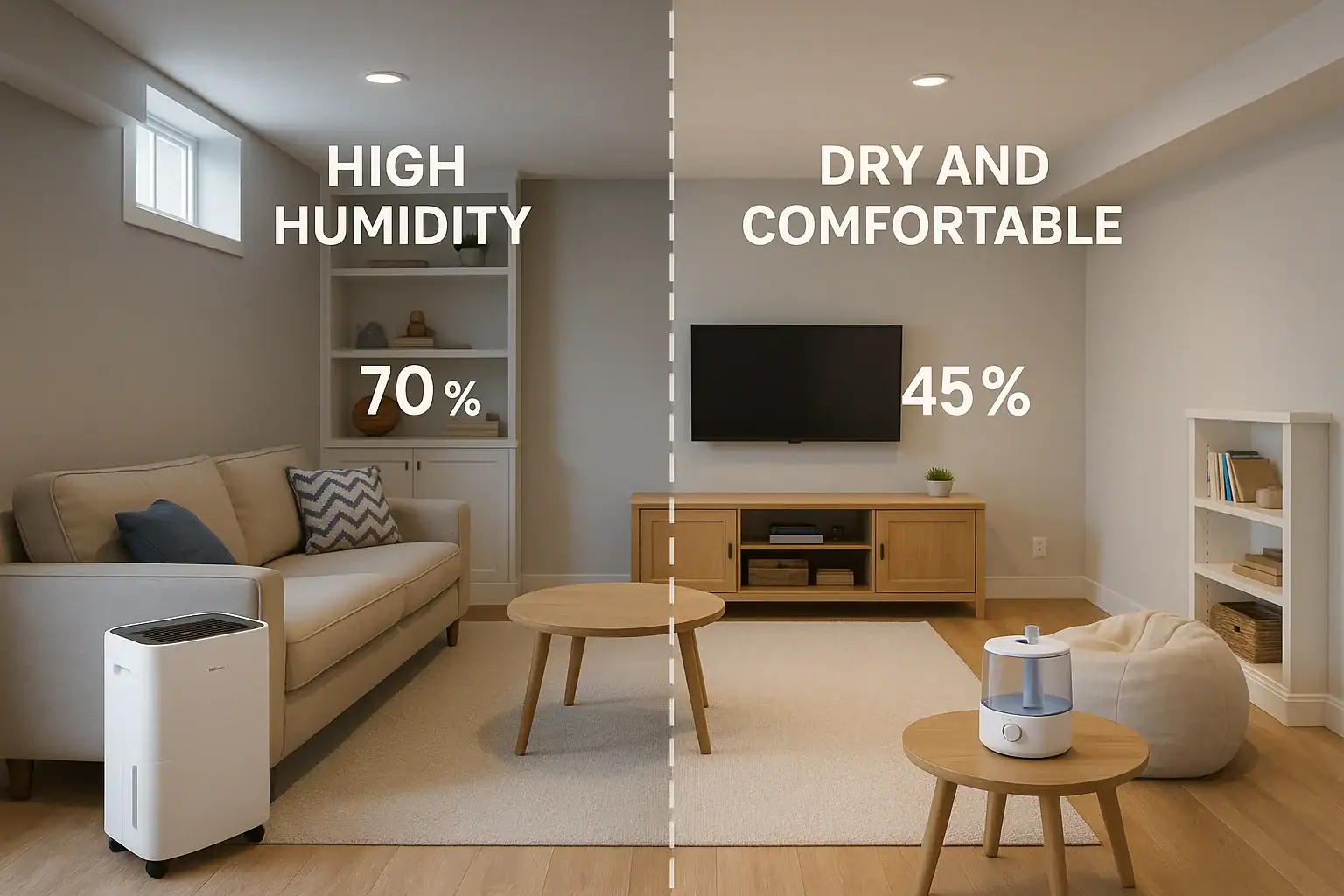
If parts of your home feel damp, musty, or uncomfortable, you may be wondering whether a humidifier or a dehumidifier is the right solution. Both devices change your indoor humidity, but they do it in opposite ways and for different reasons. Choosing the wrong one can actually make your home feel worse, not better. The good news is that once you understand how each device works, the signs of too much or too little moisture become easy to spot. From condensation on your windows to dry, itchy skin, your home and your body are constantly giving you clues about indoor humidity. This guide walks you through the differences between a humidifier and a dehumidifier, how to read the signs in a damp home, and how to choose the right tool for a healthier, more comfortable living space.
Humidity Basics: What Is Happening in a Damp Home?
Humidity is simply the amount of water vapor in the air. In a home, it is usually measured as relative humidity, or RH, which is the percentage of moisture in the air compared with how much it could hold at that temperature.
For most homes, the ideal indoor humidity range is:
- 30% to 50% relative humidity for general comfort and health
- Closer to 30% in winter to reduce condensation on windows
- Closer to 50% in summer to avoid dry air from air conditioning
When your home is too humid, you may notice dampness, musty odors, and mold. When it is too dry, you may experience static shocks, dry skin, and irritated sinuses. A damp home almost always points to excess humidity, but it helps to understand exactly what each device does before you decide.
Humidifier vs Dehumidifier: The Core Difference
Although their names sound similar, a humidifier and a dehumidifier do opposite jobs.
What a Humidifier Does
A humidifier adds moisture to the air. It is designed for homes or rooms where the air is too dry, usually in cold weather when heating systems run often.
Common goals for using a humidifier include:
- Reducing dry skin, chapped lips, and irritated eyes
- Soothing dry throat, cough, or sinus discomfort
- Reducing static electricity and minor shocks
- Helping wood furniture and instruments avoid cracking
What a Dehumidifier Does
A dehumidifier removes moisture from the air. It is designed for spaces where humidity is too high, which is common in basements, bathrooms, laundry rooms, and coastal or humid climates.
Common goals for using a dehumidifier include:
- Reducing dampness and that “clammy” feeling
- Controlling musty or moldy odors
- Helping prevent mold and mildew growth on surfaces
- Protecting walls, floors, and belongings from moisture damage
In short: a humidifier is for air that is too dry, and a dehumidifier is for air that is too damp. If your home feels damp, the device you most likely need is a dehumidifier, but it is worth confirming with a few simple checks.
Signs You Need a Dehumidifier in a Damp Home
Dampness is usually a clear sign that your humidity is too high. Here are the most common indicators that a dehumidifier is the right choice.
1. Musty or Earthy Odors
If you notice a persistent musty smell in a basement, bathroom, closet, or laundry area, that is often a sign of excess moisture. Even if you do not see visible mold, high humidity can cause materials like drywall, carpet, and wood to develop an odor.
2. Condensation on Windows or Pipes
Regular condensation on the inside of your windows, especially in rooms that are not overly cold, suggests the air is holding more moisture than it should. You may also see beads of water on cold water pipes or metal surfaces.
3. Visible Mold or Mildew
Spots of mold on walls, ceilings, window sills, or around showers and tubs are strong signs of high humidity. Even small patches should be taken seriously, as mold thrives in damp air and can spread.
4. Damp or Clammy Surfaces
Walls, floors, or furniture that feel slightly damp or clammy to the touch, even when the room is not particularly cold, usually indicate that the air is too moist. This is common in basements and rooms below grade.
5. Peeling Paint, Warped Wood, or Stains
Over time, high humidity can cause paint to bubble or peel, wood trim or doors to warp, and stains to appear on ceilings or walls. While leaks can cause similar damage, humidity often affects larger areas more gradually.
6. Allergy or Respiratory Discomfort in Humid Rooms
Some people feel more congested or experience increased allergy symptoms in damp, musty spaces. While a dehumidifier is not a medical device, lowering humidity can make the environment more comfortable for many people.
If several of these signs sound familiar, a dehumidifier is usually the correct choice for your damp home or basement.
When a Humidifier Makes Sense Instead
Even in a generally damp climate, some parts of your home can be too dry, especially in winter or in rooms with strong heating or air conditioning. In those spaces, a humidifier can be helpful.
Signs You May Need a Humidifier
- Frequent static shocks when touching doorknobs, blankets, or electronics
- Dry, itchy skin or chapped lips that worsen indoors
- Scratchy throat, dry cough, or irritated sinuses, especially overnight
- Wood furniture, floors, or instruments showing cracks or gaps
- Humidity readings consistently below about 30%
However, in a home that already feels damp, you should be very cautious about adding moisture. In many cases, the better approach is:
- Use a dehumidifier in damp areas such as basements or bathrooms.
- Use a small room humidifier only where the air is clearly too dry, such as a bedroom in winter.
Balancing humidity room by room can be more effective than trying to treat the entire home with a single device.
How to Measure Humidity Before You Decide
Instead of guessing, it is smart to measure your indoor humidity. A small, inexpensive device called a hygrometer can show you the relative humidity in each room.
Steps to Check Your Home's Humidity
- Place a hygrometer in the room that feels damp, such as the basement or bathroom.
- Leave it in place for at least several hours, or ideally a full day.
- Check readings at different times, including morning and evening.
Use these general guidelines:
- Below 30% RH: Air is too dry. A humidifier may help.
- 30%–50% RH: Comfortable and usually healthy range.
- Above 50% RH: Air is getting too humid. Consider a dehumidifier.
- Above 60% RH: High risk for mold and dust mites. A dehumidifier is strongly recommended.
By measuring instead of guessing, you can confidently decide whether a humidifier or dehumidifier is the right tool for your damp home.
Comparing Humidifiers and Dehumidifiers Side by Side
This quick comparison can help you see the differences at a glance.
Purpose and Ideal Use
- Humidifier: Adds moisture; best for dry indoor air, especially in winter or in very dry climates.
- Dehumidifier: Removes moisture; best for damp or musty rooms, basements, and humid climates.
Typical Locations
- Humidifier: Bedrooms, living rooms, nurseries, home offices.
- Dehumidifier: Basements, bathrooms, laundry rooms, crawl spaces, enclosed porches.
Comfort Effects
- Humidifier: Can make the air feel warmer and more comfortable when it is very dry.
- Dehumidifier: Can make the air feel cooler and less sticky when it is very humid.
Risks of Misuse
- Humidifier: Overuse can raise humidity too high, encouraging mold and dust mites.
- Dehumidifier: Overuse in already dry areas can cause dry skin and irritation.
Choosing the Right Device for a Damp Home
If your main concern is a damp home, especially a damp basement or lower level, a dehumidifier is usually the right starting point. Here is how to choose one that fits your space.
1. Size and Capacity
Dehumidifiers are often rated by how many pints of moisture they can remove from the air per day. In general:
- Small rooms or closets: Lower-capacity units may be enough.
- Average basements or large rooms: Medium to higher-capacity units work better.
- Very damp or large spaces: Higher-capacity units or multiple units may be needed.
Check the square footage of your space and match it to the manufacturer's recommendations for capacity.
2. Drainage Options
Dehumidifiers collect water in a bucket or reservoir that needs to be emptied regularly. For a damp home, especially a basement, look for:
- Large water tank to reduce how often you need to empty it
- Continuous drain option that lets you connect a hose to a floor drain or sink
- Built-in pump if you need to move water upward to a drain
3. Humidistat and Controls
A built-in humidistat lets you set a target humidity level, such as 45%, and the dehumidifier will cycle on and off to maintain it. This helps avoid over-drying the air and saves energy.
4. Noise and Placement
Dehumidifiers make some noise while running, similar to a small fan or window air conditioner. For living areas, look for quieter models and place them where airflow is not blocked:
- Keep a few inches of space around the unit for air intake and exhaust.
- Avoid placing it right against walls, furniture, or curtains.
- Close windows and doors in the area you are treating for best results.
Can You Use a Humidifier and Dehumidifier in the Same Home?
Yes, many homes benefit from using both devices in different areas or at different times of year.
For example:
- You might run a dehumidifier in a damp basement all summer to control moisture and odors.
- You might use a humidifier in an upstairs bedroom during winter when the heating system dries the air.
The key is to avoid running them against each other in the same space. If one device is adding moisture and the other is removing it in the same room, you will waste energy without solving the underlying problem.
Simple Steps to Reduce Dampness Before Adding Devices
Before relying entirely on a dehumidifier, it helps to address the sources of dampness in your home. These simple steps can make a big difference:
- Improve ventilation: Use exhaust fans in bathrooms and kitchens, and open windows when weather allows.
- Fix leaks: Repair dripping pipes, roof leaks, or foundation cracks that let water in.
- Redirect water outside: Keep gutters clean and make sure downspouts drain away from the foundation.
- Use a bathroom fan: Run it during and after showers to remove steam.
- Dry laundry properly: Vent clothes dryers outdoors and avoid air-drying large loads indoors in already damp areas.
- Seal gaps: Seal around windows, doors, and sill plates where moist outdoor air can enter.
Once you have reduced the sources of moisture, a dehumidifier can maintain a healthy humidity level more efficiently.
Maintenance Tips for Humidifiers and Dehumidifiers
Whichever device you choose, regular maintenance keeps it working well and helps protect your indoor air quality.
Humidifier Maintenance
- Use clean, fresh water and change it daily if possible.
- Clean and disinfect the tank and any removable parts regularly to prevent mineral buildup and microbial growth.
- Replace filters or wicks as recommended by the manufacturer.
- Turn the unit off and empty it if you see condensation forming on windows or walls.
Dehumidifier Maintenance
- Empty the water bucket regularly, or check that the drain hose is flowing properly.
- Clean or replace air filters on the recommended schedule.
- Vacuum dust from air intake and exhaust grilles to keep airflow strong.
- Periodically check humidity readings to ensure the unit is still performing well.
Final Thoughts: Which Do You Need for a Damp Home?
For a home that feels damp, musty, or clammy, a dehumidifier is almost always the right tool. It removes excess moisture from the air, helps protect your home from mold and damage, and makes rooms feel more comfortable. A humidifier can still play a role in your home, especially in dry winter bedrooms or living spaces, but it should be used carefully and only where humidity is truly low.
The most reliable way to decide is to measure your indoor humidity with a hygrometer and look for the signs your home is already giving you. Once you know whether your air is too wet or too dry, choosing between a humidifier and dehumidifier becomes a straightforward step toward a healthier, more comfortable home.
For more ways to improve your indoor air and comfort, explore additional air and comfort tips and solutions tailored to your type of home and climate.
 Radiator Reflector Panels: A Practical Home Guide
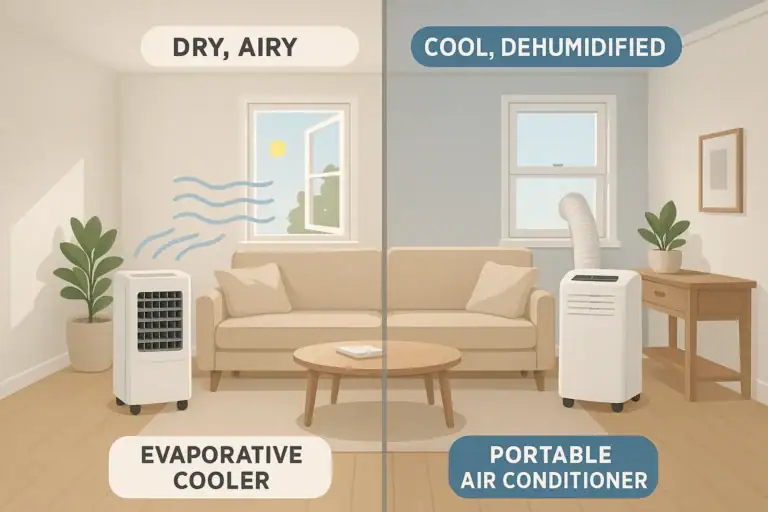 Evaporative Cooler vs Portable AC for Home Comfort: Which Is Better?
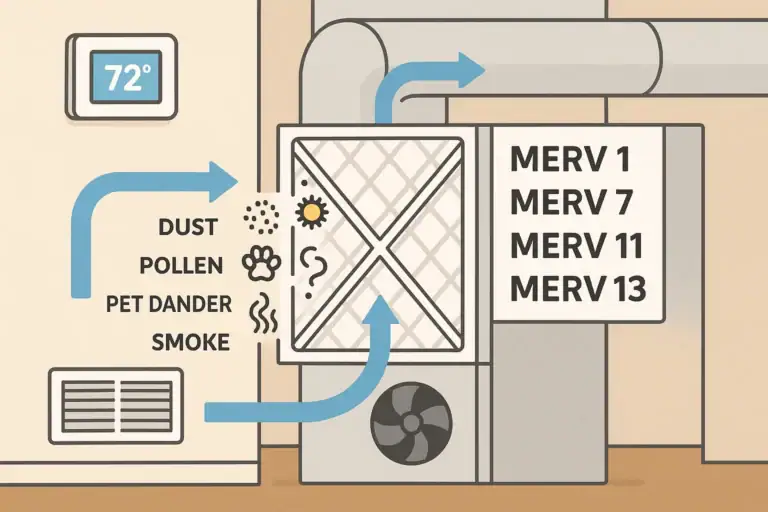 Understanding MERV Filter Ratings for Your Home HVAC System