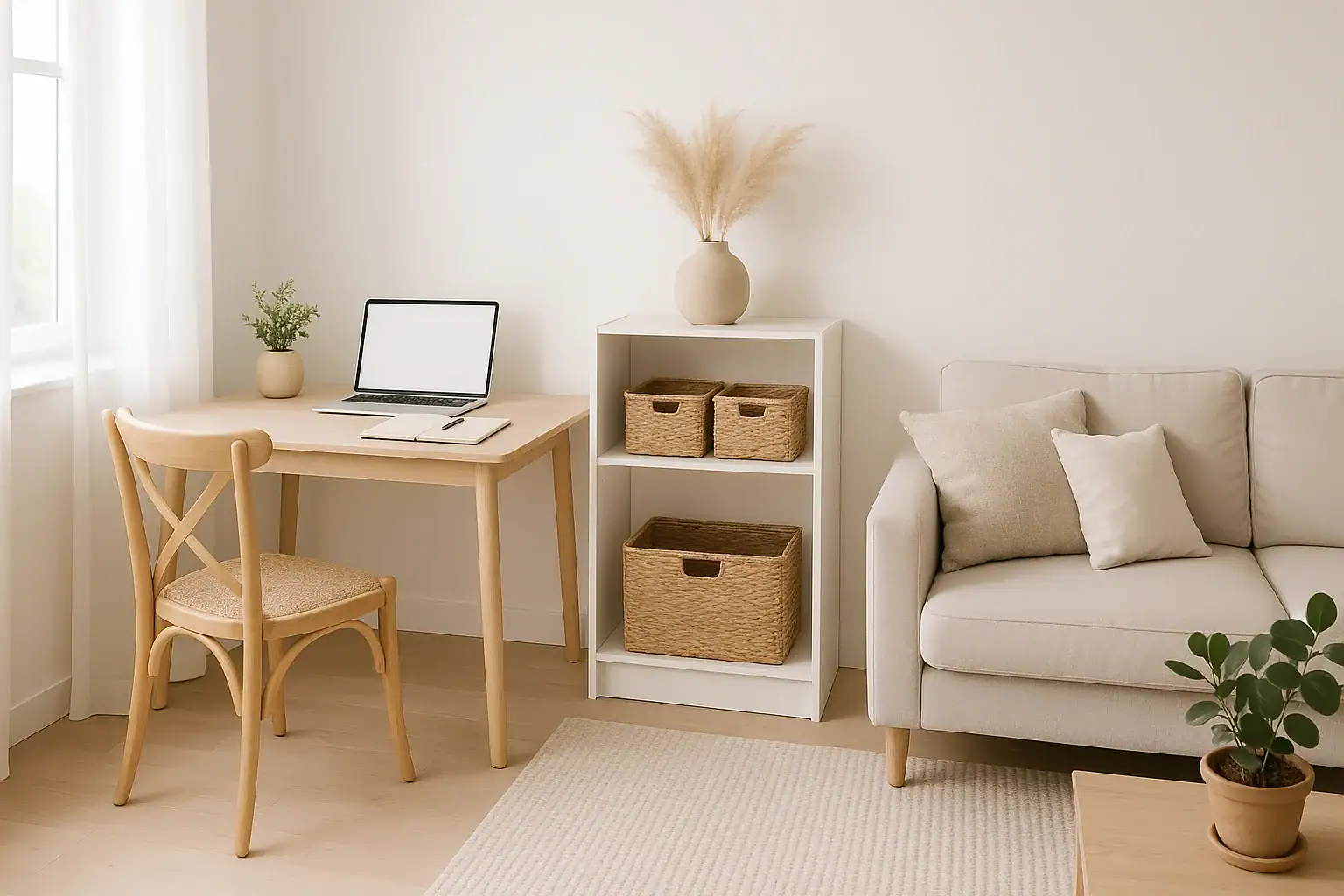
Life can feel crowded even when your calendar is not. Between work, home, and everything in between, it is easy to feel like you are always catching up. Simplifying and organizing your daily life does not require a complete overhaul or expensive tools. Small, thoughtful changes can free up time, reduce stress, and help you feel more in control of your days. This guide walks through practical steps you can start using right away, from streamlining your routines and decluttering your spaces to managing your time and digital life more intentionally. Pick one or two ideas to try first, and build from there at a comfortable pace.
On this page(click to collapse)
- Start With a Clear Vision of a Simpler Day
- Build Simple Morning and Evening Routines
- Declutter Key Spaces That Affect Your Day
- Streamline Your To-Do List and Time
- Simplify Your Digital Life
- Create Simple Systems for Home and Finances
- Protect Time for Rest and What Matters Most
- Make Changes Gradual and Sustainable
- Related guides
- Related guides
Start With a Clear Vision of a Simpler Day
Before changing habits, it helps to define what a simpler, more organized day means to you. Everyone’s ideal day looks different, so your version should match your real life, not someone else’s routine.
Ask yourself:
- What parts of my day feel the most rushed or chaotic?
- When do I feel calm, focused, and in control?
- What would I like to have more time or energy for?
Write a short description of a realistic, better day. Maybe it includes a calm morning, fewer last-minute decisions, and a clear stopping time for work. This vision will guide which organizing strategies matter most for you.
Build Simple Morning and Evening Routines
Routines are powerful because they reduce decision fatigue. Instead of asking, “What should I do next?” you follow a simple sequence that becomes automatic over time.
Design a Low-Stress Morning Routine
A smoother morning often starts the night before, but even small changes after you wake up can make a difference.
Consider including:
- One centering habit: A glass of water, stretching, a short walk, or a few deep breaths.
- Quick planning: Glance at your calendar and jot down 3 priorities for the day.
- Streamlined getting-ready steps: Keep your clothes, bag, keys, and essentials in predictable spots.
Keep your morning routine short enough that it still works on busy days. It is better to have a 10–15 minute routine you actually follow than a complicated plan that falls apart.
Create an Evening Reset Routine
An evening routine helps you close out the day and prepare for tomorrow, so mornings feel lighter.
Helpful evening steps include:
- Five-minute tidy: Set a timer and pick up surfaces in the kitchen, living room, or bedroom.
- Next-day prep: Lay out clothes, pack your bag or lunch, and charge devices in one spot.
- Brain dump: Write down lingering thoughts, tasks, or worries so your mind can rest.
- Wind-down cue: A consistent signal that the day is ending, such as reading or light stretching.
Protect your evening routine by choosing a target “shutdown” time for work or chores, even if it is flexible by 15–30 minutes.
Declutter Key Spaces That Affect Your Day
Physical clutter often translates into mental clutter. You do not need a perfectly minimalist home to feel organized, but clearing a few high-impact areas can make daily life easier.
Focus on High-Traffic Zones First
Start where clutter slows you down the most:
- Entryway: Shoes, bags, and mail pile up quickly. Add hooks, a small basket, or a tray for keys, wallets, and sunglasses.
- Kitchen counters: Clear them of non-essentials to make cooking and cleaning faster.
- Bedroom nightstands: Keep only what you use at night to create a calmer sleep environment.
Tackle one area at a time. Remove everything, sort items into “keep,” “relocate,” and “let go,” then return only what truly belongs.
Use Simple Storage, Not Complicated Systems
Organizing works best when it is easy to maintain. Choose simple, obvious storage solutions:
- Open baskets or bins for everyday items.
- Clear containers so you can see what you have.
- Labels for shelves or boxes, especially in shared spaces.
When possible, store items where you actually use them. For example, keep cleaning supplies near the rooms you clean most, or store lunch containers near the fridge.
Streamline Your To-Do List and Time
A long, scattered to-do list can make you feel behind before the day even starts. Simplifying how you capture and manage tasks can reduce stress and help you focus on what truly matters.
Keep One Central Task List
Instead of sticky notes, random apps, and mental reminders, choose one main place to store tasks. It can be a notebook, planner, or digital list—whatever you will actually use consistently.
On this list, separate tasks into a few simple sections, such as:
- Today: Up to 3–5 important tasks.
- This week: Tasks that matter but are not urgent today.
- Later: Ideas and future projects you do not want to forget.
Review and update your list during your morning or evening routine so it stays realistic.
Prioritize With the “Big Three”
Each day, choose your “Big Three” tasks: the three most important things you want to complete. These are not always the most urgent items, but the ones that move your life or work forward in a meaningful way.
To choose your Big Three, ask:
- What will matter most a week from now?
- What is causing the most stress if it stays undone?
- What small step could make tomorrow easier?
Once you know your Big Three, schedule time for them early in the day when possible, before your energy and attention are pulled in other directions.
Use Time Blocks for Better Focus
Time blocking means setting aside specific chunks of time for certain types of activities. It does not need to be rigid to be helpful.
Examples of simple time blocks:
- Morning: focused work or study.
- Afternoon: meetings, errands, or chores.
- Evening: family time, hobbies, or rest.
During a block, focus on one category of tasks instead of jumping between unrelated activities. This reduces the mental load of switching gears and helps you finish more with less stress.
Simplify Your Digital Life
Digital clutter—overflowing inboxes, scattered files, constant notifications—can be just as draining as physical clutter. A few intentional habits can make your digital world feel lighter and more organized.
Tame Your Email Inbox
You do not have to reach inbox zero, but you can prevent your inbox from feeling overwhelming.
Try these steps:
- Set check-in times: Instead of checking email constantly, choose 2–3 times a day to review and respond.
- Use simple folders or labels: For example, “Action,” “Waiting,” and “Archive.”
- Unsubscribe regularly: When you notice emails you never read, unsubscribe instead of deleting them again and again.
When you open an email, aim to do one of four things right away: respond, schedule it, file it, or delete it.
Organize Files and Photos
Digital files are easier to manage when you create a simple folder structure and stick with it.
Ideas for organizing:
- Create top-level folders such as “Home,” “Work,” “Finances,” and “Personal.”
- Use clear names and dates for files so you can find them later.
- Set a monthly reminder to delete duplicates and move stray files into the right folders.
For photos, choose one main storage location and create folders by year and month or by event. A short monthly review helps prevent thousands of unorganized images from piling up.
Set Boundaries With Notifications
Constant notifications make it hard to focus and relax. Take a few minutes to adjust your settings.
Consider:
- Turning off non-essential alerts, especially for social apps and promotional messages.
- Using “Do Not Disturb” or focus modes during work, sleep, or family time.
- Moving the most distracting apps off your home screen.
These small changes can make your phone feel more like a tool and less like a constant demand on your attention.
Create Simple Systems for Home and Finances
Home and money tasks repeat week after week. Setting up basic systems can save time and prevent last-minute stress.
Lightweight Home Management Routines
Instead of trying to do everything at once, break home care into small, repeatable routines.
Examples:
- Daily: Dishes, quick surface wipe, five-minute tidy.
- Weekly: Laundry, floors, bathroom, trash and recycling.
- Monthly: Deeper cleaning tasks or seasonal maintenance.
Post a simple checklist where you can see it, and share responsibilities with others in your household when possible. Aim for “good enough” rather than perfection.
Make Meals Easier
Meals are a major source of daily decision fatigue. Simplifying your approach can free up both time and mental energy.
Ideas to try:
- Plan just 3–4 dinners per week and fill the rest with leftovers or simple standbys.
- Keep a running list of easy meals everyone likes.
- Prep one or two ingredients in advance, such as washed produce or cooked grains.
Post your meal plan where you can see it so you are not starting from scratch every evening.
Simplify Your Finances
Financial organization does not need to be complicated to be effective.
Helpful steps include:
- Listing all regular bills and due dates in one place.
- Automating payments where it makes sense to avoid late fees.
- Setting a weekly money check-in to review accounts and upcoming expenses.
During your money check-in, note any upcoming large expenses and adjust your spending for the week if needed. Over time, this habit can reduce financial surprises and stress.
Protect Time for Rest and What Matters Most
Organizing your life is not just about doing more; it is about making space for what truly matters. Without intentional boundaries, rest and personal priorities are often the first things to get pushed aside.
Set Gentle Boundaries Around Your Time
Boundaries do not have to be harsh to be effective. They can be simple guidelines you use to protect your energy.
Examples of time boundaries:
- Choosing certain evenings with no work or errands.
- Limiting how many social commitments you accept in a week.
- Having a target time to stop checking messages at night.
Communicate these boundaries clearly when needed, and remember they exist to support your well-being, not to shut people out.
Schedule What You Want More Of
If you want more time for reading, exercise, hobbies, or connection, put it on your calendar just like an appointment. When it is scheduled, you are more likely to honor it.
Start small:
- Ten minutes of movement most days.
- A weekly call or visit with someone you care about.
- A short block of time for a hobby you enjoy.
These pockets of intentional time can make your days feel richer and more balanced, even if your schedule is full.
Make Changes Gradual and Sustainable
It is tempting to try to organize everything at once, but lasting change usually comes from small, steady steps. The goal is not to create a perfect system; it is to build habits that support the life you want.
To keep things sustainable:
- Choose one area to focus on each week, such as mornings, your inbox, or your entryway.
- Celebrate small wins, like clearing one drawer or sticking to your evening routine for a few days.
- Adjust your systems as your life changes instead of expecting them to stay the same forever.
Over time, these simple, practical steps can add up to a daily life that feels calmer, more organized, and more aligned with what matters most to you.
Recommended next:
Related posts
Browse this topic →
Radiator Heat Balancing Tips for Older Homes: A Practical Guide
Supply Vent vs Return Vent: How to Tell the Difference in Your Home
Static Electricity in Winter: Humidity Fixes and Home Troubleshooting Guide
Whole House Fan Ventilation Guide for Cool Evenings
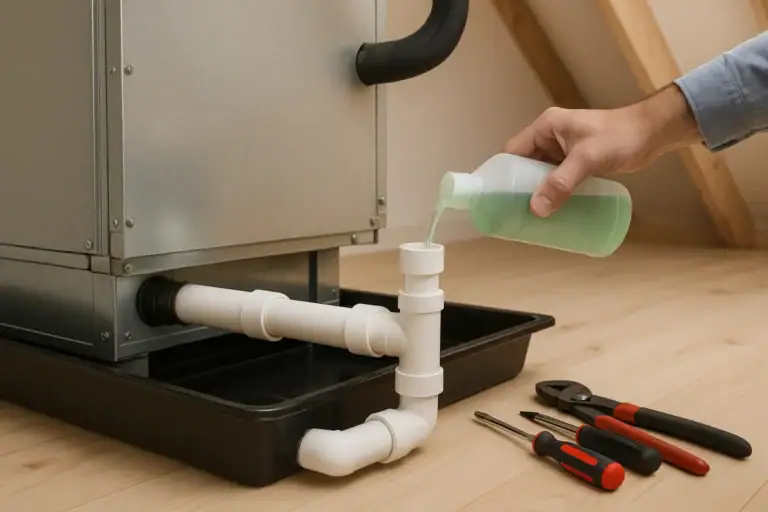
HVAC Condensate Drain Line Maintenance Checklist for a Dry, Healthy Home
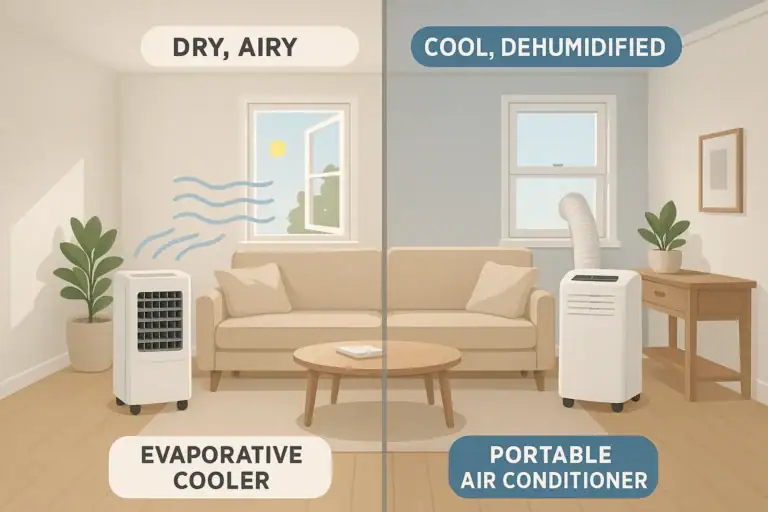
Evaporative Cooler vs Portable AC for Home Comfort: Which Is Better?
Keep reading

About this site
Signature Home Guide publishes practical, independent home guides. We aim to be clear, helpful, and transparent.
Affiliate disclosure
As an Amazon Associate, we earn from qualifying purchases. Some links on this site may be affiliate links. If you buy through these links, we may earn a small commission at no extra cost to you. This helps support our content. Learn more.