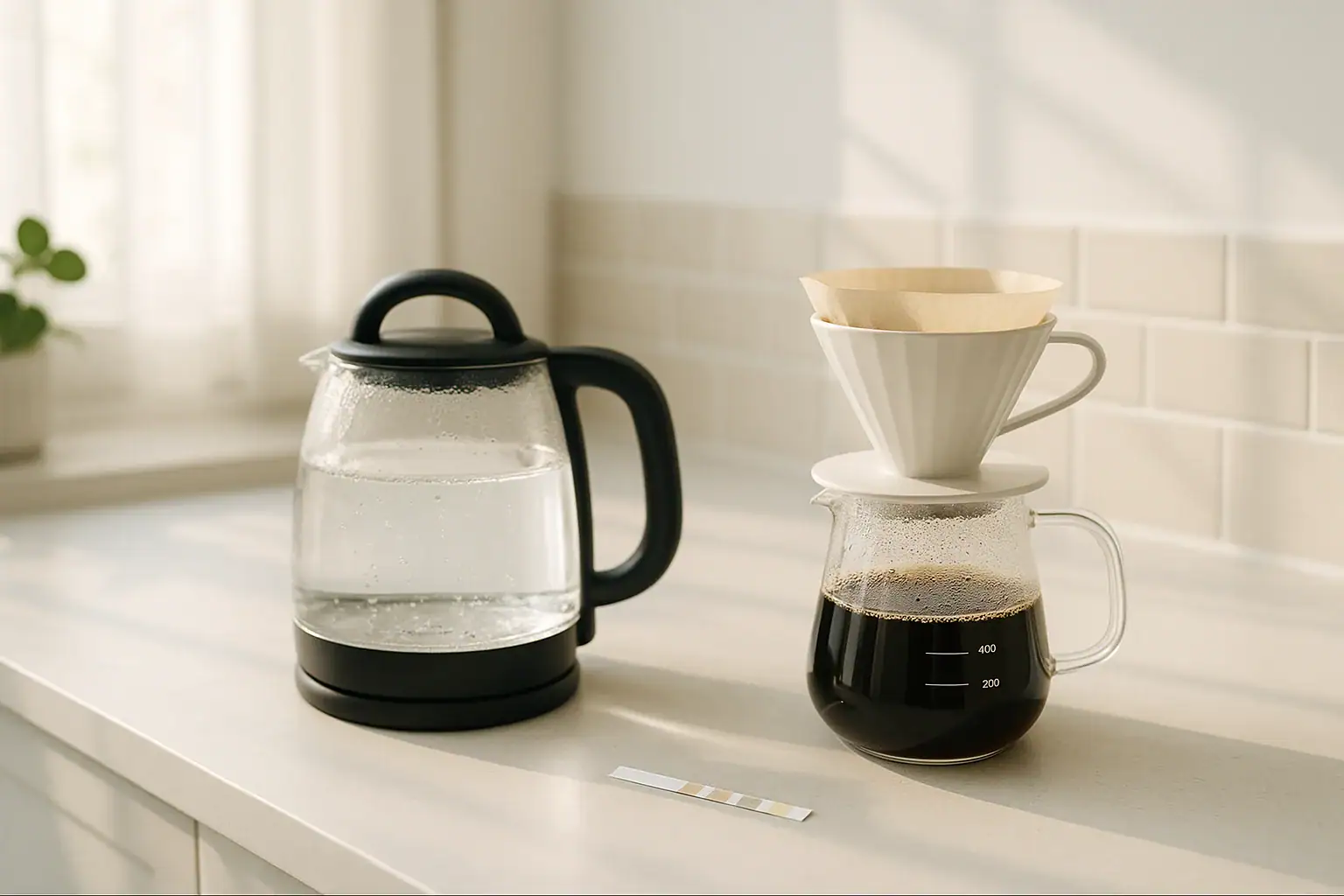
Water makes up more than 95 percent of a typical cup of coffee, yet it is often the most overlooked ingredient. The minerals in your tap water can dramatically change how your coffee tastes, how your equipment performs, and even how long your brewer lasts before scale builds up. Understanding water hardness and how to adjust it is one of the easiest upgrades you can make to your daily cup. You do not need lab equipment or complicated formulas. With a basic test kit and a few simple tools, you can dial in your water so your coffee tastes clearer, sweeter, and more balanced, while also protecting your brewer from damage.
On this page(click to collapse)
- What Is Water Hardness?
- Why Water Hardness Matters for Coffee
- The Best Water Hardness Range for Coffee
- How to Find Out Your Water Hardness
- Soft vs Hard Water: How It Changes Your Coffee
- Simple Ways to Adjust Water Hardness for Coffee
- Practical Water Tips for Different Coffee Methods
- How to Keep Your Coffee Water Consistent
- Frequently Asked Questions About Water for Coffee
- Putting It All Together
- Related guides
This guide explains what water hardness is, the best hardness range for coffee, and straightforward methods to soften or harden your water at home. You will also learn how to check your current water, how to avoid common mistakes like using completely distilled water, and how to keep your approach practical for everyday brewing in a home kitchen.
What Is Water Hardness?
Water hardness describes how many dissolved minerals are in your water, mainly calcium and magnesium. These minerals are measured in a few different ways, but for coffee, the most common units are:
- ppm as CaCO3 (parts per million as calcium carbonate)
- mg/L (milligrams per liter, effectively the same as ppm for our purposes)
- Grains per gallon (gpg) in some home water reports
In simple terms, the more calcium and magnesium in your water, the “harder” it is. Less mineral content means “softer” water.
Typical categories often look like this:
- Soft water: 0–60 ppm
- Moderately hard: 61–120 ppm
- Hard: 121–180 ppm
- Very hard: 181+ ppm
For coffee, neither extreme is ideal. Very soft water can make coffee taste flat and sour, while very hard water can make it taste dull and bitter, and can also leave heavy scale deposits in your equipment.
Why Water Hardness Matters for Coffee
Water hardness affects two key things: how your coffee tastes and how your equipment ages.
Flavor and Extraction
Calcium and magnesium help water pull flavor compounds out of coffee grounds. The right amount of minerals leads to balanced extraction, which means your coffee tastes clear, sweet, and complex.
- Too soft: Water with very few minerals struggles to extract enough flavor. Coffee may taste weak, sour, or hollow, even if you brew it correctly.
- Too hard: Water with a lot of minerals can over-extract some compounds and mute others. Coffee may taste bitter, chalky, or muddy, with less clarity.
Equipment and Scale Buildup
When hard water is heated, minerals fall out of solution and form scale on heating elements, kettles, and inside coffee machines. Over time this can:
- Slow heating and reduce energy efficiency
- Clog narrow tubes and shower screens
- Cause inconsistent water flow and temperature
- Shorten the life of your brewer or kettle
Finding a balanced hardness range protects your equipment while still giving you enough minerals for great flavor.
The Best Water Hardness Range for Coffee
Coffee professionals generally aim for a moderate level of hardness. You do not need to hit a single exact number, but staying within a healthy range makes a noticeable difference.
Target Hardness Range
A practical target range for home coffee brewing is:
- Total hardness: about 50–100 ppm as CaCO3
- With some calcium and some magnesium rather than only one or the other
This range usually offers:
- Good flavor extraction without harsh bitterness
- Reasonable protection against heavy scale buildup
- A comfortable safety margin so small variations do not ruin your cup
What Happens Outside the Ideal Range?
Here is what you might notice if your water is far outside that range:
- Below ~30 ppm: Coffee can taste thin, sour, or overly sharp. Aromas may seem muted.
- Above ~150 ppm: Coffee can taste heavy, chalky, or a bit bitter. You may see white deposits on your kettle or brewer.
If your coffee tastes off despite fresh beans and a good recipe, your water hardness is worth checking.
How to Find Out Your Water Hardness
Before you adjust anything, find out what you are starting with. There are several easy ways to check your water hardness at home.
1. Use a Simple Test Strip Kit
Test strip kits are affordable and quick. They usually include small strips with color blocks that change when dipped in water.
- Fill a clear glass with cold tap water.
- Dip the strip as directed on the package.
- Wait the recommended time, usually under a minute.
- Compare the color to the chart to find your hardness level.
Many strips show hardness in ppm or grains per gallon. If you get a value in grains per gallon, multiply by about 17.1 to convert to ppm.
2. Check Your Local Water Report
Your city or water provider often posts water quality reports online. Look for terms such as:
- Total hardness (as CaCO3)
- Calcium (Ca) and magnesium (Mg) levels
Keep in mind that municipal water can vary through the year, so a report gives you a general idea rather than a precise daily value.
3. Use a Home Water Tester or Meter
Handheld meters that measure total dissolved solids (TDS) can give a rough sense of mineral content. TDS is not the same as hardness, but if your TDS is very high or very low, it is a clue that your water may be far from the ideal coffee range.
Soft vs Hard Water: How It Changes Your Coffee
Once you know your water hardness, you can connect it to what you taste in the cup.
Signs You May Have Very Soft Water
Your water is likely very soft if you notice:
- Soap lathers easily and rinses quickly in the shower
- Little or no white scale buildup in kettles or on faucets
- Coffee tastes bright but sometimes sour or thin
Signs You May Have Hard Water
Your water is likely hard if you notice:
- White, chalky deposits on your kettle, showerhead, or sink
- Soap scum on bathroom tiles or glass doors
- Coffee tastes heavy, bitter, or a bit muddy, even with a good recipe
Why Not Use Completely Distilled Water?
Distilled or highly purified water contains almost no minerals. That may sound ideal for avoiding scale, but it is not ideal for coffee flavor. Without minerals, water struggles to extract the full range of flavors from coffee grounds. The result is often flat, sharp, or lifeless coffee. Very low mineral water can also be slightly more aggressive toward metal parts in some machines over time.
Simple Ways to Adjust Water Hardness for Coffee
You do not need to install a complex system to improve your coffee water. There are straightforward ways to soften or harden water at home, depending on your starting point.
If Your Water Is Too Hard
If your water test shows hardness well above 100 ppm, or you see heavy scale, consider these options:
1. Use a Countertop Filter Pitcher
Many filter pitchers reduce some hardness along with chlorine and off flavors. While they may not bring very hard water all the way into the ideal range, they can make a noticeable difference in both taste and scale buildup.
2. Blend Tap Water with Low-Mineral Water
If you have access to low-mineral bottled or purified water, you can blend it with your tap water to reduce hardness. For example:
- Mix half tap water and half low-mineral water to roughly cut hardness in half.
- Adjust the ratio until you land near the 50–100 ppm range.
3. Use a Kettle or Brewer with a Built-In Filter
Some kettles and coffee makers accept small filter cartridges that reduce hardness. If you use this type of system, follow the replacement schedule so the filter keeps working effectively.
4. Regular Descaling
If your water is on the harder side and you are not able to soften it much, build a descaling routine into your coffee habit:
- Descale kettles and brewers periodically according to the manufacturer’s instructions.
- Rinse thoroughly afterward so no cleaning solution remains.
If Your Water Is Too Soft
If your water is very soft, or if you rely on distilled or heavily purified water at home, you can add minerals back in to improve coffee extraction.
1. Use Mineral Additive Packets
There are mineral packets designed to be added to purified water to create coffee-friendly water. They usually contain measured amounts of calcium, magnesium, and sometimes bicarbonate. The general process is:
- Start with distilled or reverse osmosis water.
- Add the mineral packet to a known volume of water, such as one gallon.
- Shake or stir until fully dissolved.
This method gives you consistent, repeatable water that stays within a good hardness range for coffee.
2. DIY Mineral Blends (Advanced Option)
If you are comfortable with measuring small amounts, you can create your own mineral blend using food-grade mineral salts. This requires a scale that can measure very small weights and careful handling. For most home brewers, pre-measured packets are simpler and safer.
Practical Water Tips for Different Coffee Methods
While the same general hardness range works for most brewing methods, you can make small adjustments based on how you brew.
Drip Coffee Makers
- Aim for the 50–100 ppm hardness range.
- Use filtered water to reduce chlorine and off flavors.
- Descale regularly if your water is on the harder side.
Pour-Over and Manual Brewing
- Consistent water helps you fine-tune grind size and brew time.
- If your coffee tastes too sharp, check for very soft water and consider adding minerals.
- If it tastes dull or bitter, check for high hardness and consider blending with low-mineral water.
Espresso Machines
Espresso machines are especially sensitive to scale because they operate at high temperatures and pressure.
- Aim for moderate hardness, often closer to the lower side of the 50–100 ppm range.
- Avoid very hard water to reduce the risk of clogged lines and damaged boilers.
- Avoid completely distilled water, which can harm flavor and may not be ideal for some internal components.
How to Keep Your Coffee Water Consistent
Once you find a water setup that works, consistency helps you get predictable results every morning.
- Stick to one source: Use the same filter pitcher, blend, or mineral recipe instead of switching daily.
- Test occasionally: Recheck hardness every few months, especially if your city changes water sources seasonally.
- Replace filters on time: Old filters can stop reducing hardness effectively or may slow water flow.
- Track what works: Note which water setup gives you the best flavor with your usual beans and brewer.
Frequently Asked Questions About Water for Coffee
Can I just use bottled water for coffee?
Some bottled waters fall into a good hardness range, while others are too hard or too soft. If you rely on bottled water, check the mineral content on the label or test it with a strip so you know where it lands.
Is filtered water always better?
Filtering usually improves taste by removing chlorine and some impurities, but not all filters significantly change hardness. A basic carbon filter may improve flavor without fully solving a hardness problem. Test your water before and after filtering to see the actual effect.
Can I use softened water from a home softener?
Many home softeners replace calcium and magnesium with sodium or potassium. This can reduce scale but may not give the best flavor for coffee. If your home has a softener, consider using a separate filtered or mineral-adjusted water source for brewing.
How often should I descale my coffee equipment?
The answer depends on your water hardness and how often you brew. With moderately hard water, descaling every few months is common. With very hard water, you may need to descale more often. If you keep hardness in the ideal range, you can usually descale less frequently while still protecting your equipment.
Putting It All Together
Dialing in your water is one of the most effective ways to upgrade your coffee at home. Aim for a total hardness of about 50–100 ppm, with enough minerals to support good extraction but not so many that your coffee tastes dull or your equipment quickly scales up. Start by testing your current tap water, then decide whether you need to soften, harden, or simply filter it.
Whether you choose a simple filter pitcher, blend tap water with low-mineral water, or use mineral packets with purified water, the goal is the same: consistent, balanced water that lets your coffee shine. With a little attention to hardness, every brew can taste cleaner, sweeter, and more satisfying, while your kitchen equipment stays in better shape for the long term.
If you are exploring more ways to improve water and kitchen habits at home, you can find additional guides and tips at this water and kitchen resource hub.
Recommended next:
Related posts
Browse this topic →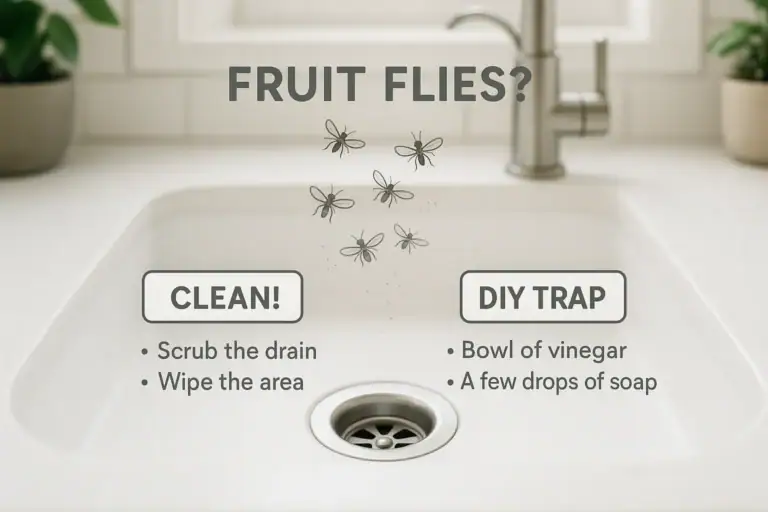
Fruit Flies in Sink Drain: Prevention, Traps, and Troubleshooting Tips
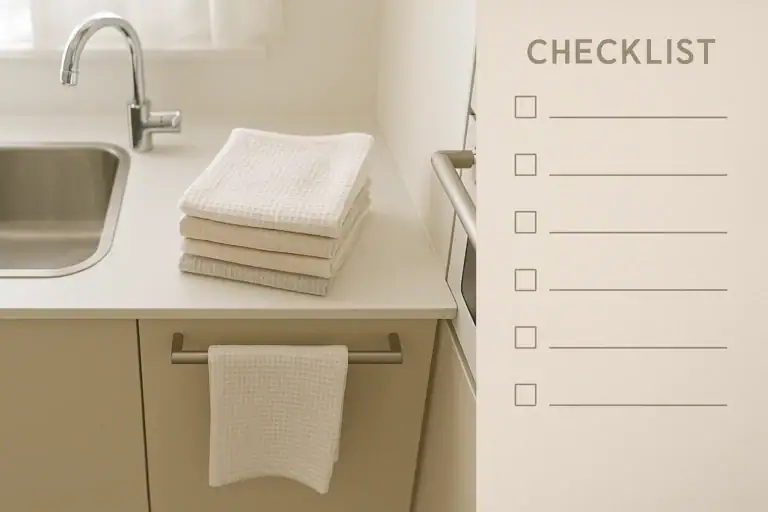
Kitchen Towel Hygiene: A Practical Checklist for Rotation and Washing Habits
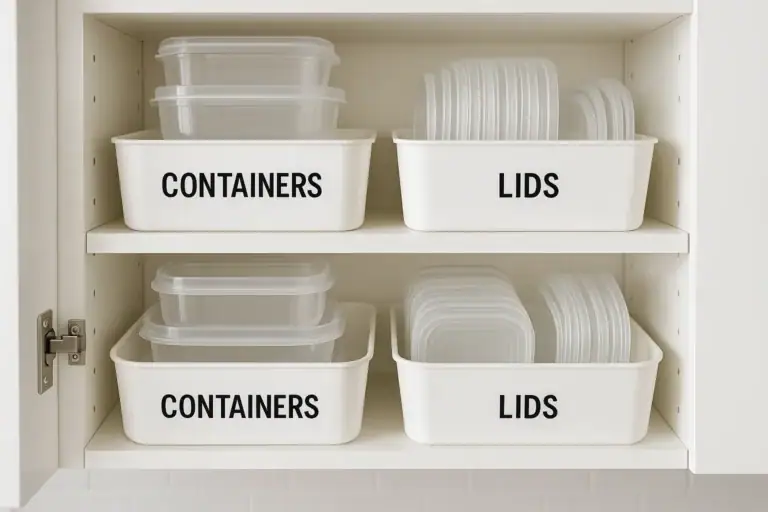
Food Storage Container Organization and Stain Removal Made Simple
How to Set Up a Pantry Inventory System with FIFO for Busy Kitchens

Condensation Inside Your Refrigerator: Causes, Fixes, and Prevention
Refrigerator Temperature Zones: A Food Safety Guide for Every Shelf
Keep reading
About this site
Signature Home Guide publishes practical, independent home guides. We aim to be clear, helpful, and transparent.
Affiliate disclosure
As an Amazon Associate, we earn from qualifying purchases. Some links on this site may be affiliate links. If you buy through these links, we may earn a small commission at no extra cost to you. This helps support our content. Learn more.