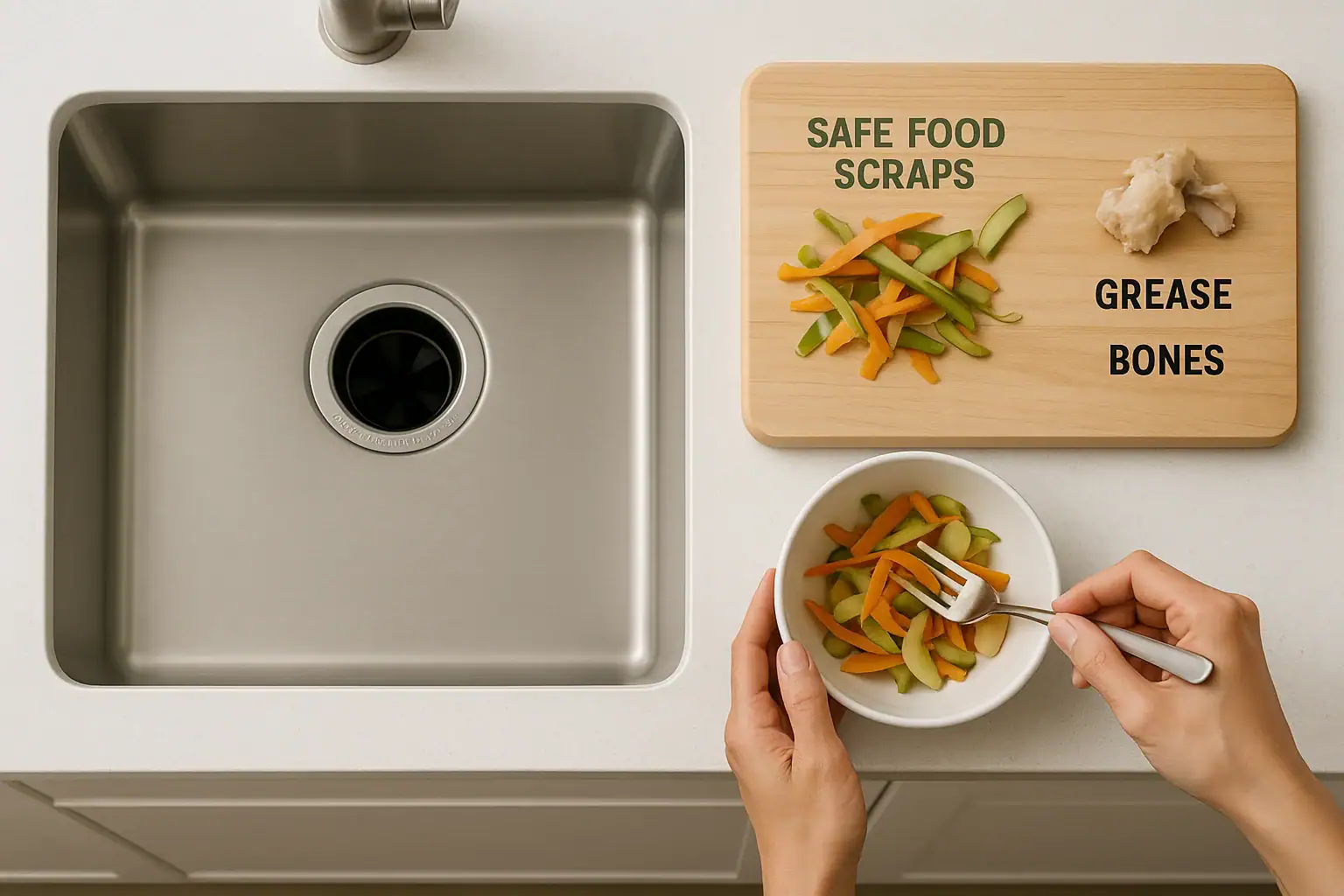
Garbage disposals make kitchen cleanup faster and more convenient, but they are not designed to handle everything that ends up in the sink. When the wrong items go into a disposal, you can quickly end up with clogs, foul odors, damaged blades, or even a burned-out motor. Understanding what not to put down the drain is one of the easiest ways to protect your plumbing, avoid emergency service calls, and keep your kitchen running smoothly.
This guide explains the most common items that should never go into a garbage disposal, why they cause trouble, and what to do instead. You will also learn basic operating tips, safe cleaning methods, and simple habits that help your disposal last longer. Whether you are using a disposal for the first time or you have had one for years, these basics can save you time, money, and frustration.
How a Garbage Disposal Really Works
Many people picture a garbage disposal as a blender with sharp blades. In reality, most units use a spinning plate and small impellers to fling food scraps against a grinding ring, breaking them into tiny particles that can be washed away with water. There are no knife-like blades doing the cutting.
Because of this design, disposals are built for small, soft food scraps and cold water. They are not built to handle large quantities of food, hard objects, or materials that expand, tangle, or turn into paste. When you send the wrong items into the unit, they can:
- Jam the grinding mechanism so it cannot spin
- Form thick sludge that clogs the drain line
- Wrap around moving parts and stop them
- Overheat the motor and shorten its lifespan
- Cause bad odors that are hard to remove
Knowing these limits helps you decide what belongs in the disposal and what should go in the trash or compost instead.
Top Categories of Items to Keep Out of the Disposal
While there are many specific problem items, most of them fall into a few main categories. If you remember these groups, it becomes much easier to decide what is safe for your drain.
1. Fibrous and Stringy Foods
Stringy foods tend to wrap around the spinning parts inside the disposal, which can cause jams and strain the motor. Even if they seem soft, their fibers can tangle and create a mess.
Common examples include:
- Celery stalks and tough leafy stems
- Corn husks and corn silk
- Onion skins and outer layers
- Artichoke leaves
- Asparagus ends
- Pumpkin and squash strings
Instead of grinding these items, scrape them into the trash or a compost bin. Small amounts of soft leaves are usually fine, but avoid sending thick, stringy pieces into the disposal.
2. Starchy Foods That Turn to Paste
Certain foods swell and become sticky when mixed with water. Inside your pipes, they can form a thick paste that catches other debris and eventually blocks the line.
Starchy, clog-prone foods include:
- Cooked pasta and noodles
- Rice and other grains
- Mashed potatoes and potato peels
- Bread, stuffing, and dough
- Oatmeal and hot cereals
A few stray pieces are not usually a problem, but handfuls of these foods can quickly cause trouble. Scrape plates into the trash first, and let only small leftover bits rinse through the disposal with plenty of cold water.
3. Fats, Oils, and Grease
Hot grease may look like a liquid when it goes down the drain, but as it cools it hardens and coats the inside of pipes. Over time, this buildup narrows the drain and traps food particles, leading to slow drains and stubborn clogs.
Avoid pouring these down the disposal or any drain:
- Cooking oil and frying oil
- Bacon grease and pan drippings
- Butter and margarine
- Meat fat and skin trimmings
- Gravy and creamy sauces
Instead, let grease cool and solidify in a disposable container, then place it in the trash. For small amounts, wipe pans with a paper towel before washing to keep grease out of the drain.
4. Hard, Dense, or Abrasive Items
Very hard materials can damage the grinding components, dull the metal parts, or cause the disposal to jam. Even if the unit seems to handle them at first, repeated use can shorten its life.
Keep these items out of the disposal:
- Fruit pits and large seeds
- Nut shells
- Bones (especially large or thick bones)
- Unpopped popcorn kernels
- Shells from hard-shelled seafood
- Broken glass, metal, or plastic pieces
These items belong in the trash. If something hard accidentally falls into the disposal, turn the power off before reaching in to remove it.
5. Coffee Grounds and Eggshells
Two items often misunderstood as disposal-safe are coffee grounds and eggshells. They may not seem harmful, but they can still create problems.
Coffee grounds are heavy and tend to settle in the trap and pipes, forming a dense sludge that can contribute to clogs. Eggshells can break into small, sharp pieces that collect in the drain and mix with grease or soap scum to create buildup.
Both items are better suited for the trash or a compost system rather than the disposal.
6. Non-Food Items and Household Waste
A garbage disposal is only designed for small food scraps. Non-food items can damage the unit, cause blockages, or introduce harmful chemicals into your plumbing and local water system.
Never put these items down the disposal:
- Paper towels, napkins, and tissues
- Plastic wrap, bags, or packaging
- Twist ties, rubber bands, or string
- Cigarette butts
- Cleaning wipes, even if labeled as flushable
- Harsh chemicals, solvents, or paint
These items should be disposed of according to local guidelines, usually in the trash or at a designated collection site for chemicals and paint.
7. Large Quantities of Any Food
Even foods that are technically safe can cause trouble if you send too much through at once. Overloading the disposal can jam the mechanism and overwhelm your drain line.
Common overloading mistakes include:
- Dumping an entire pot of leftovers into the disposal
- Grinding a full cutting board of scraps at once
- Feeding in large chunks instead of small pieces
Think of the disposal as a helper for small scraps, not a substitute for the trash can. When in doubt, scrape most of the food into the trash and let the disposal handle the tiny bits that remain.
What Is Generally Safe for a Garbage Disposal?
While the focus is on what to avoid, it also helps to know what is usually safe. As a general rule, disposals handle small, soft food scraps best.
Examples of items most units can manage include:
- Small pieces of cooked vegetables (not fibrous or stringy)
- Soft fruit scraps in small amounts
- Small bits of cooked meat without large bones or fat
- Leftover crumbs and sauces rinsed from plates
- Small amounts of citrus peels to help with odor, cut into pieces
Always run cold water while using the disposal, feed food in gradually, and let the water run for several seconds after turning the unit off. This helps flush particles through the pipes instead of letting them settle in the drain.
Simple Operating Habits to Protect Your Disposal
In addition to watching what you put down the drain, a few basic habits can dramatically improve the performance and lifespan of your disposal.
Run Plenty of Cold Water
Cold water helps keep any small amounts of grease solid so they can be chopped and carried away, rather than melting and coating the pipes. Turn the water on before you start the disposal and keep it running for 10 to 20 seconds after you switch it off.
Feed Food Slowly
Instead of stuffing everything in at once, feed scraps into the disposal a little at a time. This prevents jams, reduces strain on the motor, and gives the unit time to grind food into small particles.
Cut Large Scraps into Smaller Pieces
If you must send larger scraps through the disposal, cut them into smaller chunks first. This is especially helpful for items like citrus peels, soft vegetable pieces, or small amounts of cooked meat.
Listen for Changes in Sound
A healthy disposal has a fairly steady sound when running. If you notice grinding, rattling, or a sudden hum without movement, turn it off and investigate. There may be a foreign object inside or a jam that needs attention.
How to Clean a Garbage Disposal Safely
Regular cleaning helps prevent odors and keeps the grinding components working well. You do not need harsh chemicals or sharp tools to do this. In fact, those can damage the unit or your pipes.
Step-by-Step Basic Cleaning
- Turn off the power. Switch the disposal off and, if possible, unplug it or turn off the circuit breaker for added safety.
- Remove visible debris. Use tongs or a long-handled tool to remove any large pieces from the chamber. Avoid reaching in with your hands, even when the power is off.
- Clean the splash guard. The rubber guard at the top can trap food and grease. Wipe it with a soapy sponge or cloth and rinse well.
- Use a mild cleaning mixture. Sprinkle baking soda into the disposal, then slowly pour in white vinegar. Let the mixture foam for a few minutes to help loosen residue.
- Flush with water. Rinse with hot water for a minute to wash away loosened particles.
Freshening the Smell
If the disposal still has an odor, you can freshen it with natural options:
- Grind a few small pieces of citrus peel with cold water
- Use ice cubes to help knock residue off the grinding components
- Rinse with a mild dish soap solution and plenty of water
Avoid using bleach or strong drain cleaners in the disposal. These products can damage seals and pipes and are often unnecessary for routine cleaning.
Signs You May Have a Disposal or Drain Problem
Even with good habits, disposals and drains can develop issues over time. Catching problems early can prevent more serious damage.
Watch for these warning signs:
- Slow draining water: Water that pools in the sink or drains very slowly may indicate a clog forming in the trap or further down the line.
- Persistent odors: Smells that do not go away after cleaning can signal trapped food or buildup in the pipes.
- Frequent jams: If the disposal jams often, even with soft foods, there may be wear on the components or a hidden object lodged inside.
- Loud or unusual noises: Grinding, rattling, or metal-on-metal sounds can mean something hard is stuck in the chamber.
- Leaks under the sink: Moisture or dripping around the disposal or pipes should be addressed quickly to avoid water damage.
For minor clogs, you may be able to clear the trap or use a sink plunger. For repeated issues, leaks, or electrical problems, consider contacting a qualified professional.
Safe Alternatives to Using the Disposal
Because disposals are best for small amounts of the right kinds of food, it helps to have other options for handling kitchen waste. This reduces strain on your plumbing and can even cut down on trash.
Use a Countertop Scrap Container
Keep a small container or bowl near the sink for scraps. As you cook or clean up, scrape peels, trimmings, and leftovers into the container instead of the sink. Empty it into the trash or compost when full.
Consider Composting
Many fruit and vegetable scraps can be composted. This keeps them out of the disposal and trash and turns them into useful material for gardens or landscaping. Check local guidelines to see what is allowed in community or backyard compost systems.
Use the Trash for Problem Items
Grease, bones, shells, and other problem items are usually best placed in the trash. To reduce odors, you can seal them in a small bag or container before discarding.
Quick Reference: What Not to Put Down the Disposal
Use this short checklist as a reminder when you are cleaning up in the kitchen.
Avoid Putting These Items in the Disposal
- Fibrous foods: celery, corn husks, onion skins, artichoke leaves
- Starchy foods: pasta, rice, potatoes, bread, dough, oatmeal
- Fats and grease: cooking oil, bacon grease, meat fat, gravy
- Hard items: pits, nut shells, bones, popcorn kernels, shells
- Problem scraps: coffee grounds, eggshells in large amounts
- Non-food items: paper, plastic, wipes, string, twist ties
- Chemicals: harsh cleaners, solvents, paint, or similar products
When in doubt, choose the trash or compost instead of the disposal. This simple habit can protect your plumbing and keep your kitchen drain working reliably.
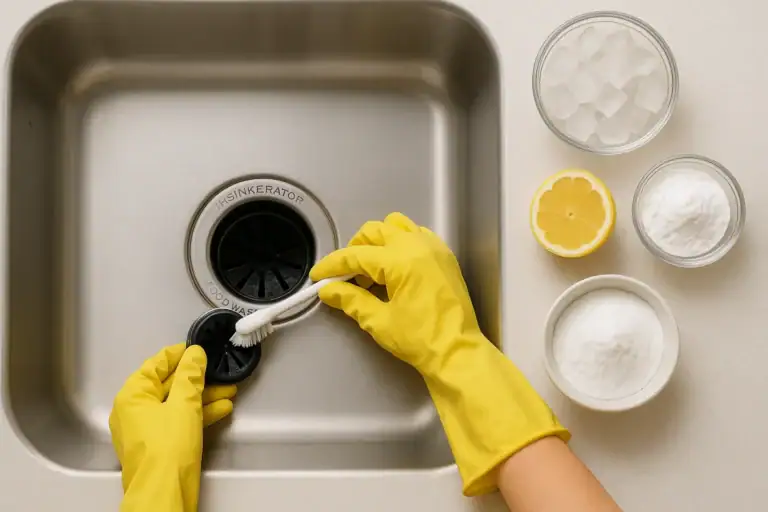 Garbage Disposal Smell Causes and a Simple Cleaning Routine That Works
 Fridge Door Seal Test Checklist for Better Energy Use and Food Safety
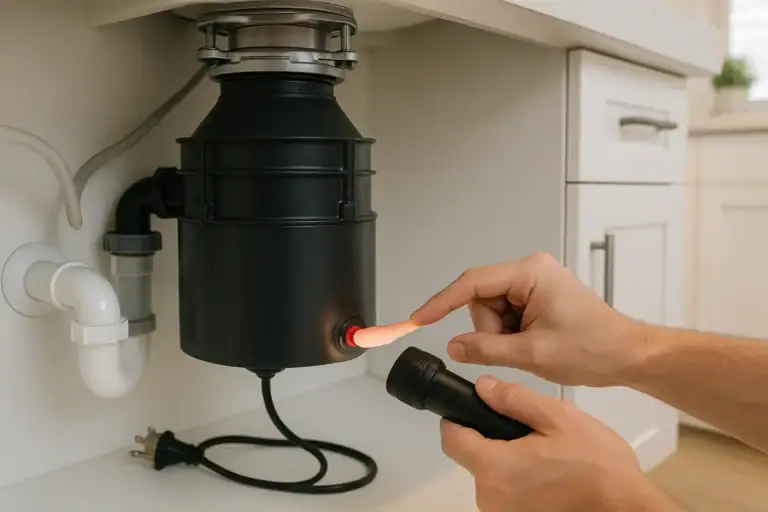 Garbage Disposal Humming but Not Spinning: Safe Reset and Fix Steps