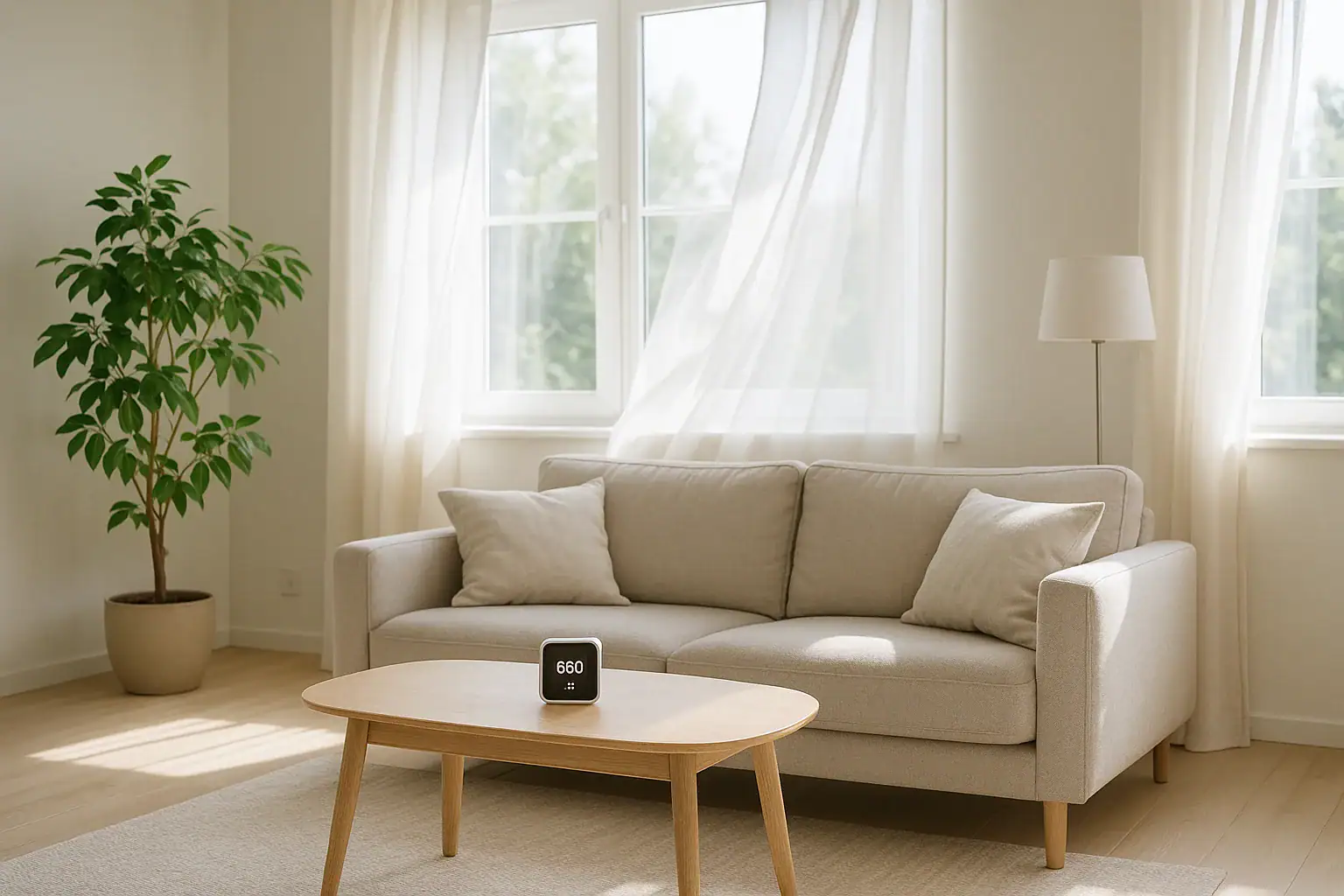
Indoor air can feel stuffy even when your home looks spotless. One major reason is carbon dioxide (CO2) building up inside. CO2 is a natural part of the air we breathe out, but when it rises too high indoors, it can make you feel tired, foggy, and uncomfortable. Many homes, especially energy‑efficient ones, hold on to air so well that fresh outdoor air does not come in often enough. The result: elevated CO2 levels and a space that never quite feels fresh.
This guide explains what CO2 is, what normal levels look like in a typical home, and how to tell when it is getting too high. You will also learn step‑by‑step ways to improve ventilation, from simple habits like window routines to more advanced solutions such as exhaust fans and air‑handling upgrades. Whether you live in a small apartment or a large house, understanding CO2 levels can help you create a more comfortable, alert, and healthy indoor environment.
Understanding CO2 in Your Home
CO2, or carbon dioxide, is a colorless, odorless gas that is naturally present in the air. Outdoors, it is usually not a concern because wind and open space dilute it quickly. Indoors, however, people and pets constantly exhale CO2 into a limited volume of air. If that air is not replaced with fresh outdoor air, CO2 can steadily rise.
CO2 itself, at typical indoor levels, is not considered highly toxic, but it is an important indicator of how well your home is ventilated. When CO2 is high, other indoor pollutants may also be building up, such as moisture, odors, and particles from cooking or cleaning. That is why CO2 is often used as a simple way to judge whether a room needs more fresh air.
Common Sources of CO2 Indoors
- People and pets breathing
- Unvented combustion appliances, such as some space heaters or fireplaces
- Crowded gatherings in small rooms
- Poorly ventilated basements and enclosed spaces
In most homes, the main source is simply people breathing in a space that does not get enough fresh air exchange.
What Are Normal CO2 Levels at Home?
To understand whether your home’s CO2 level is normal, it helps to compare it to outdoor air. Typical outdoor CO2 levels are around 400 to 450 parts per million (ppm). Indoor levels are usually higher because of people breathing and limited ventilation.
General CO2 Level Ranges
- 400–800 ppm: Common in well‑ventilated homes. Air usually feels fresh and comfortable.
- 800–1,000 ppm: Typical for many occupied rooms. Still acceptable, but some people may start to notice mild stuffiness.
- 1,000–1,500 ppm: Often indicates that ventilation is not keeping up with the number of people. Air may feel stale, and some may feel tired or less focused.
- Above 1,500 ppm: Suggests poor ventilation. Occupants may experience headaches, drowsiness, or difficulty concentrating.
Different organizations provide guidelines for indoor air quality, and many consider keeping CO2 levels below about 1,000 ppm a reasonable goal in regularly occupied spaces. Lower is generally better, especially in bedrooms, home offices, and children’s rooms where people spend long stretches of time.
How High CO2 Levels Affect Comfort and Well‑Being
While CO2 at typical indoor levels is not usually dangerous, it can influence how you feel and function throughout the day. Many people do not realize that the midafternoon slump or morning grogginess they feel at home could be linked to stale air and elevated CO2.
Common Symptoms of Elevated CO2
- Feeling unusually sleepy or sluggish
- Difficulty focusing or thinking clearly
- Mild headaches or a heavy feeling in the head
- Perception of stale, stuffy, or “closed” air
- Increased yawning, especially in closed rooms
These symptoms are often subtle and easy to blame on other factors, such as screen time or lack of sleep. If you notice they get worse in certain rooms or improve when you open windows or step outside, CO2 and ventilation may be part of the problem.
High CO2 levels can also signal that other indoor air quality issues are present. If your home traps air, it may also trap moisture, odors, and particles. Over time, this can contribute to musty smells, condensation on windows, or a general feeling that the home never fully airs out.
How to Tell If CO2 Is High in Your Home
Because CO2 has no smell or color, you cannot sense it directly. Instead, you rely on indirect clues and, ideally, a measuring device. Understanding both can help you decide when to take action.
Signs Your Home May Have Elevated CO2
- Rooms feel stuffy shortly after several people gather
- Bedrooms feel stale in the morning, even with the door closed overnight
- Headaches or drowsiness improve quickly when you step outside or open a window
- Windows fog up frequently in cool weather, suggesting poor ventilation
Measuring CO2 Levels
To know for sure, you can use a home CO2 monitor. These devices typically display CO2 in ppm and may also show temperature and humidity. Place the monitor at about breathing height, away from direct drafts, open windows, or vents for the most accurate reading.
When you measure, note:
- Baseline: The CO2 level in your home when no one has been inside for several hours, or when windows have been open.
- Occupied levels: CO2 during normal activities in bedrooms, living rooms, and home offices.
- Peak levels: CO2 during gatherings, cooking, or overnight in closed bedrooms.
If you regularly see levels above about 1,000–1,200 ppm in occupied spaces, it is a sign that your home needs better ventilation or changes in how you use the space.
How to Improve Ventilation and Reduce CO2 at Home
Lowering CO2 levels is mainly about bringing in more fresh outdoor air and removing stale indoor air. You can approach this in layers, starting with simple habits and moving toward more permanent improvements if needed.
1. Use Windows Strategically
Opening windows is one of the fastest ways to lower CO2 and refresh indoor air. Even short bursts of window opening can make a noticeable difference.
Practical Window Tips
- Cross‑ventilate: Open windows on opposite sides of your home or room to create a path for air to flow through.
- Short, regular airing: Open windows wide for 5–15 minutes several times a day instead of leaving them barely cracked for hours.
- Bedroom routine: Air out bedrooms in the morning and, if possible, briefly before bedtime.
- Weather‑aware: On days with good outdoor air quality and comfortable temperatures, take advantage and air out more often.
2. Make the Most of Exhaust Fans
Many homes have built‑in exhaust fans in bathrooms, kitchens, and sometimes laundry areas. These fans pull indoor air out of the house, which encourages fresh air to enter from elsewhere.
How to Use Exhaust Fans Effectively
- Run the bathroom fan during and for about 15–20 minutes after showers.
- Use the kitchen exhaust fan while cooking and for a short time afterward.
- If your home has a continuous or central exhaust fan, follow the recommended run times to maintain steady air exchange.
Regular use of exhaust fans not only helps with CO2 but also reduces moisture and odors, which supports overall indoor air quality.
3. Improve Airflow Inside the Home
Even without bringing in more outdoor air, you can help fresh air reach more areas by improving circulation inside your home.
- Keep interior doors open when possible to let air move freely.
- Avoid blocking supply vents or returns with furniture, curtains, or rugs.
- Use ceiling fans or portable fans to gently move air, especially in corners or dead zones.
- In multi‑story homes, encourage air mixing by occasionally running the fan on your central system (without heating or cooling) if available.
4. Adjust How Many People Use a Space
CO2 rises faster in small rooms with many people. When possible, spread out activities and sleeping spaces to avoid overcrowding a single room for long periods.
- Use larger rooms for gatherings instead of small enclosed areas.
- Consider slightly opening a window or running an exhaust fan when multiple people share a small room.
- For home offices, avoid working all day in a very small, closed room without some form of ventilation.
5. Maintain and Upgrade Ventilation Systems
If your home has a central heating and cooling system, it plays a key role in air movement. While these systems mainly recirculate indoor air, they can be set up or upgraded to bring in more fresh air.
Maintenance Steps
- Change or clean filters on the recommended schedule.
- Keep supply and return vents clean and unblocked.
- Have ducts inspected if you notice uneven airflow or persistent stuffiness in certain rooms.
Possible Upgrades
- Add dedicated outdoor air intakes if your system supports it.
- Install balanced ventilation, such as systems that bring in fresh air while exhausting stale air.
- Consider continuous or timed ventilation controls that automatically cycle fresh air into the home.
These upgrades are more involved but can provide consistent, low‑effort ventilation that keeps CO2 and other pollutants in check over the long term.
6. Special Focus on Bedrooms and Home Offices
Bedrooms and home offices deserve extra attention because people spend many hours there, often with doors closed.
Bedroom Tips
- Air out the room daily by opening a window or door for several minutes.
- If safe and comfortable, sleep with a window slightly open or the door ajar to allow air movement.
- Avoid sealing the room too tightly with heavy curtains or blocked vents.
Home Office Tips
- Take short breaks to step outside or open a window, especially during long work sessions.
- Use a fan to move fresh air from other parts of the home into the office.
- If the office is very small, consider working part of the day in a larger, better‑ventilated room.
Balancing CO2 Reduction with Comfort and Energy Use
Improving ventilation often means bringing in outdoor air, which can affect heating and cooling costs. The goal is to find a balance between fresh air, comfort, and energy use.
Smart Ventilation Habits
- Ventilate more during mild weather when heating or cooling is not heavily needed.
- Use short, intensive airing (wide‑open windows for a few minutes) instead of leaving windows slightly open all day in extreme temperatures.
- Combine window airing with fans to speed up air exchange so you can close windows sooner.
Over time, you will learn how quickly CO2 builds up in your home and how long it takes to clear, allowing you to fine‑tune your approach for each season.
When to Seek Professional Help
Most homes can improve CO2 levels with simple changes, but there are times when professional evaluation is useful.
Consider Getting Help If:
- CO2 readings regularly stay above 1,500 ppm despite your efforts.
- You notice persistent moisture problems, musty odors, or visible mold.
- Some rooms feel chronically stuffy while others feel fine.
- You are planning a major renovation or energy‑efficiency upgrade and want to ensure proper ventilation.
A qualified professional can assess airflow, identify hidden issues, and recommend ventilation solutions that match your home’s design and your comfort goals.
Key Takeaways for Healthier CO2 Levels at Home
Keeping CO2 in a comfortable range is mostly about consistent, thoughtful ventilation. You do not need complex equipment to make a meaningful difference. By understanding what normal levels look like and using simple tools and habits, you can create a home that feels fresher and supports better focus, sleep, and overall comfort.
- Aim to keep everyday CO2 levels generally below about 1,000 ppm in main living areas.
- Use windows, exhaust fans, and interior airflow to refresh indoor air regularly.
- Pay special attention to bedrooms and home offices where you spend long periods.
- Consider measuring CO2 to understand your home’s patterns and guide your efforts.
- Seek professional advice if high CO2 levels persist or you notice ongoing moisture or air quality issues.
With a few practical changes, you can turn a stuffy house into a space that feels lighter, clearer, and more comfortable to live in every day.
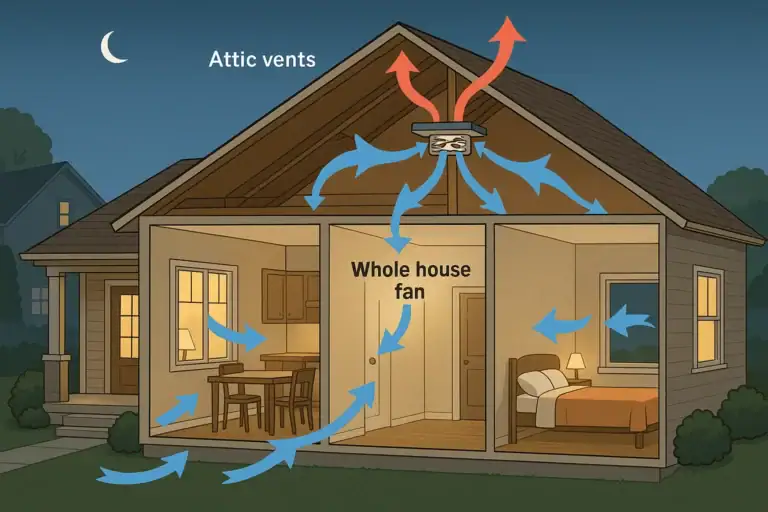 Whole House Fan Ventilation Guide for Cool Evenings
 Radiator Heat Balancing Tips for Older Homes: A Practical Guide
 Static Electricity in Winter: Humidity Fixes and Home Troubleshooting Guide