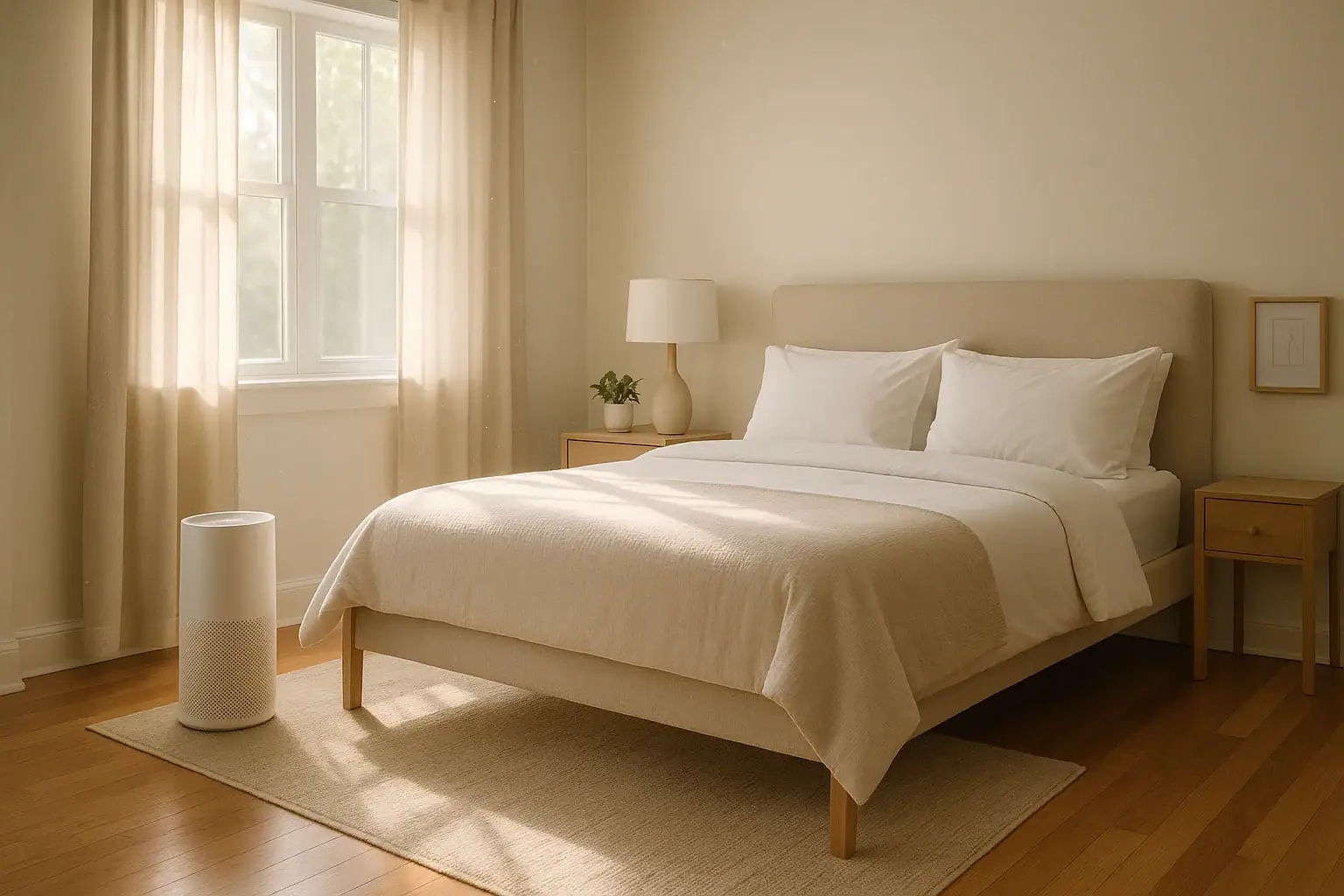
Allergy symptoms can make it hard to fall asleep and stay asleep, especially when your bedroom air is full of dust, pollen, pet dander, and other irritants. A well-chosen air purifier can make a noticeable difference in how you breathe and how rested you feel in the morning. But not every device is designed with bedrooms and allergy relief in mind. The best air purifier for allergies in a bedroom should quietly remove tiny particles that trigger sneezing, congestion, and itchy eyes, without blasting noise or bright lights all night. This guide walks you through the features that matter most, how to size a purifier for your room, and practical tips to get the most out of your investment.
On this page(click to collapse)
- What Makes a Bedroom Air Purifier “Best for Allergies”?
- Key Features to Look For in a Bedroom Allergy Air Purifier
- Choosing the Right Size Air Purifier for Your Bedroom
- Best Placement for an Air Purifier in a Bedroom
- How to Use an Air Purifier for Maximum Allergy Relief
- Special Considerations for Different Allergy Types
- Balancing Budget, Performance, and Comfort
- Final Thoughts
- Related guides
What Makes a Bedroom Air Purifier “Best for Allergies”?
When your main goal is reducing allergy symptoms while you sleep, you need more than a generic air cleaner. The best options are designed to target the specific particles that cause allergic reactions and to run comfortably in a sleeping space.
Here is what sets a good bedroom allergy purifier apart from a basic model:
- High-efficiency particle filtration: It should capture very small airborne particles, not just visible dust.
- Bedroom-friendly noise level: It must be quiet enough for light sleepers, especially on lower speeds.
- Night-friendly design: Minimal or dimmable lights and simple controls that do not disturb sleep.
- Appropriate room coverage: It should be sized correctly for your bedroom’s square footage and ceiling height.
- Reasonable filter costs: Filters should be easy to replace and affordable enough to change on schedule.
Keeping these priorities in mind will help you focus on models that are truly best for allergy relief in a bedroom setting, rather than being distracted by flashy but less important features.
Key Features to Look For in a Bedroom Allergy Air Purifier
Understanding the most important features will help you compare different devices and choose the one that fits your needs and budget.
1. True HEPA or Equivalent Fine-Particle Filtration
For allergy relief, the filter is the heart of the purifier. Look for a unit that uses a high-efficiency particulate filter designed to capture very small particles, including:
- Pollen
- Dust and dust mite debris
- Pet dander and hair fragments
- Mold spores (airborne)
- Smoke particles from outside or cooking
Filters marketed as high-efficiency or fine-particle filters are generally better for allergies than basic mesh or foam filters. Check the product description for details on the smallest particle size the filter is designed to capture and the percentage of particles removed in one pass.
2. Clean Air Delivery Rate (CADR)
Clean Air Delivery Rate, often shortened to CADR, measures how quickly an air purifier can remove particles from the air. Many devices list separate CADR ratings for dust, pollen, and smoke. For allergies, dust and pollen ratings are especially important.
As a general guideline:
- Higher CADR = faster cleaning of the air in your bedroom.
- Match CADR to room size: Larger rooms need higher CADR ratings.
- Consider your sensitivity: If your allergies are severe, lean toward a higher CADR within your budget.
Some manufacturers do not list CADR but do provide recommended room sizes. Use these numbers to compare options, and when in doubt, choose a slightly more powerful model rather than one that is undersized.
3. Noise Level and Sleep Mode
Even the most effective purifier will not help if you turn it off because it is too loud. Bedroom-friendly devices usually include a quiet or night mode. When comparing options, look for:
- Noise ratings in decibels (dB): Lower numbers mean quieter operation. Many people find around 25–35 dB acceptable for sleep.
- Multiple fan speeds: This allows you to run the purifier on high while you are out of the room and on low while you sleep.
- Steady, non-irritating sound: A gentle, consistent hum is often easier to sleep with than a sound that ramps up and down.
If you are very sensitive to noise, consider placing the purifier a bit farther from your headboard, as long as it is still within the same room and unobstructed.
4. Night-Friendly Controls and Lights
Bright control panels and indicator lights can be surprisingly disruptive at night. The best air purifiers for bedroom use often include:
- A dedicated night mode that dims or turns off display lights
- Soft indicator lights that do not shine directly into your eyes
- Simple, tactile buttons you can operate in the dark
If you prefer a completely dark room, check product photos or descriptions for details about display brightness and whether it can be adjusted.
5. Filter Replacement Indicators and Costs
Filters eventually clog with captured particles and must be replaced to keep your purifier effective. When evaluating options, pay attention to:
- Filter life: Many filters last 6–12 months with regular use, but this can vary based on air quality and run time.
- Filter cost: Add up the yearly cost of replacement filters, not just the upfront device price.
- Filter indicator: A built-in reminder light or timer helps you know when it is time to change filters.
- Ease of replacement: Look for filters that slide or click into place without tools.
Budgeting for filter replacements is important, especially if you plan to run the purifier many hours each day during allergy season.
6. Optional Odor and Gas Filtration
While allergy symptoms are usually triggered by particles, many people also want help with odors from pets, cooking, or traffic. Some bedroom purifiers include an additional layer designed to reduce:
- Household odors
- Light smoke or exhaust smells
- Some household gases and volatile organic compounds
This feature is helpful but not essential for allergy relief. If you are on a tight budget, prioritize strong particle filtration and room coverage first.
Choosing the Right Size Air Purifier for Your Bedroom
A common mistake is buying a purifier that is too small for the room. When a unit is undersized, it may run constantly without ever fully refreshing the air, leaving allergens circulating.
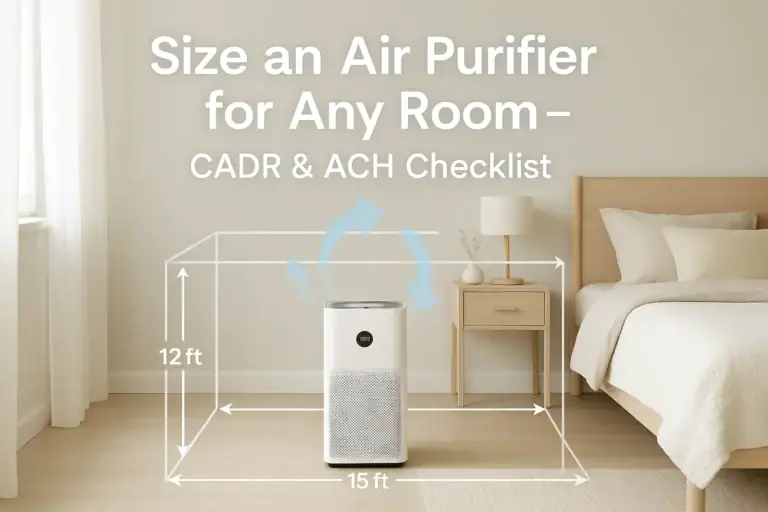
Step 1: Measure Your Room
To size a purifier correctly, start by measuring your bedroom:
- Measure the length and width of the room in feet.
- Multiply length by width to get the square footage.
- Note your ceiling height; standard ceilings are around 8 feet.
For example, a room that is 12 feet by 14 feet is 168 square feet. A purifier labeled for rooms up to 200 square feet would generally be suitable, especially if you keep the door closed.
Step 2: Consider Air Changes per Hour (ACH)
Air Changes per Hour (ACH) describes how many times per hour the purifier can filter the entire volume of air in the room. For allergy relief, a higher ACH is better.
For bedrooms, aim for:
- At least 4 ACH (the air is filtered every 15 minutes)
- 6 ACH or higher if allergies or asthma are significant concerns
Some manufacturers provide ACH ratings at different room sizes. If you do not see ACH listed, use the recommended room size and CADR as a guide, and lean toward a slightly larger model if your allergies are moderate to severe.
Step 3: Account for Open Doors and Shared Spaces
If you often sleep with your bedroom door open or your room connects to another open space, allergens from those areas can drift in. In that case, you may want:
- A purifier rated for a larger room than your bedroom alone
- A second purifier in the adjoining space, especially during peak allergy season
For best results, try to keep the bedroom door mostly closed while the purifier is running, so it can focus on the air in that space.
Best Placement for an Air Purifier in a Bedroom
Even the best air purifier for allergies in a bedroom will not perform well if it is placed in the wrong spot. Airflow matters just as much as filter quality.
General Placement Tips
- Keep it away from walls and furniture: Leave at least a few inches of clearance on all sides so air can move freely.
- Avoid corners and tight spaces: Tucking the purifier into a corner can restrict airflow.
- Place it in the breathing zone: Ideally, position the purifier so clean air flows toward the area where you sleep.
- Avoid blocking vents: Do not place the purifier directly in front of heating or cooling vents that could disrupt its airflow.
Distance from the Bed
Many people like to place an air purifier a few feet from the side or foot of the bed. This can help direct cleaner air toward you while you sleep, without the sound being directly in your ear.
Consider:
- Placing the unit 3–6 feet from your headboard
- Aiming the air outlet toward the center of the room, not directly at your face
- Keeping the intake grills clear of bedding, curtains, or furniture
Floor vs. Elevated Placement
Some purifiers are designed for floor placement, while others can sit on a dresser or nightstand. Follow the manufacturer’s guidance, but in general:
- Floor placement can be effective for capturing heavier particles like dust that tend to settle.
- Elevated placement may help if you have pets that shed on the floor or if your bed is high off the ground.
Whichever you choose, the key is to keep air pathways open and unrestricted.
How to Use an Air Purifier for Maximum Allergy Relief
Having the right device is only half of the solution. Consistent use and simple habits can make a big difference in how well your bedroom air purifier controls allergens.
Run It Consistently
For best results, run your bedroom purifier for many hours each day, not just occasionally. Consider:
- Running it on a higher setting for a few hours before bedtime to clear the air
- Switching to a lower, quieter setting overnight
- Keeping it on during peak allergy seasons, even when you are not in the room
Keep Windows and Doors Mostly Closed
While fresh air is pleasant, open windows can let in pollen, dust, and outdoor pollution. To help your purifier work efficiently:
- Keep windows closed during high pollen times if allergies are severe
- Limit how often you open the bedroom door when the purifier is running
- Use your central heating and cooling system’s fan setting and filter to support whole-home air quality
Replace Filters on Schedule
A clogged filter cannot capture new allergens. To keep your purifier working at its best:
- Follow the manufacturer’s recommended replacement schedule
- Check filters more often if you have pets, smoke exposure, or heavy dust
- Mark replacement dates on a calendar or set reminders on your phone
Combine with Other Allergy-Reducing Habits
An air purifier is most effective when it is part of a broader allergy-control plan. In your bedroom, consider:
- Washing bedding regularly in hot water to reduce dust mites
- Using allergen-resistant covers on pillows and mattresses
- Vacuuming floors and rugs with a high-efficiency vacuum filter
- Keeping pets off the bed if dander is a trigger
- Reducing clutter that collects dust on surfaces
These steps reduce the total allergen load, allowing your purifier to maintain cleaner air more easily.
Special Considerations for Different Allergy Types
Not all allergies are the same. The best air purifier for allergies in a bedroom may vary slightly depending on what triggers your symptoms.
Dust and Dust Mite Allergies
For dust-related allergies, focus on:
- Strong fine-particle filtration to capture airborne dust
- High ACH to keep particles from settling on surfaces
- Regular cleaning and vacuuming to reduce dust buildup
Remember that dust mites themselves live mostly in bedding and soft furnishings, so pairing an air purifier with protective covers and frequent washing is especially important.
Pollen Allergies
If seasonal pollen is your main trigger, look for:
- A purifier with a strong pollen or general particle CADR
- Filters designed to capture very small particles
- Continuous use during peak pollen months
Try to change clothes and wash your face or shower before bed during high-pollen days so you are not bringing pollen into the bedroom on your hair or clothing.
Pet Dander Allergies
For pet-related allergies, consider:
- A purifier with a high particle CADR and strong dander capture claims
- Optional odor filtration to help with pet smells
- Keeping the bedroom a pet-free zone if possible
Regular grooming and bathing of pets, along with frequent vacuuming, will also help reduce the amount of dander circulating in the home.
Mold and Dampness Concerns
Air purifiers can capture airborne mold spores, but they do not fix moisture problems. For mold-related allergies:
- Use a purifier with strong fine-particle filtration
- Address sources of moisture, such as leaks or high humidity
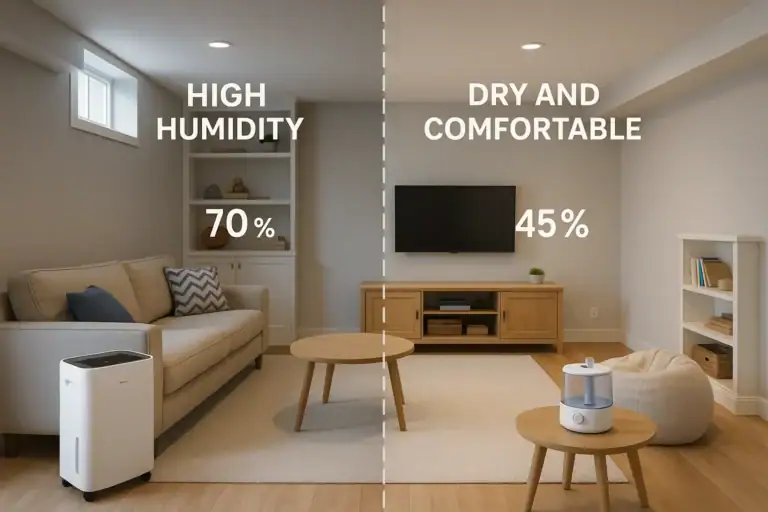
- Consider using a dehumidifier if your bedroom is damp
Keeping humidity levels in a comfortable range can help slow mold growth and make your purifier’s job easier.
Balancing Budget, Performance, and Comfort
With so many options available, it helps to prioritize what matters most for your situation. When searching for the best air purifier for allergies in a bedroom, think about:
- Your top goal: Is it reducing nasal congestion, cutting down on pet dander, or easing seasonal allergy flare-ups?
- Your room size: Make sure the purifier is rated for your bedroom’s square footage.
- Noise tolerance: Decide how quiet it needs to be for you to sleep comfortably.
- Initial cost vs. ongoing costs: Balance the device price with yearly filter replacement expenses.
- Extra features: Decide if you truly need extras like app control or advanced sensors, or if simple controls are enough.
Often, a mid-range purifier with strong filtration, appropriate room coverage, and quiet operation will serve most bedrooms well. You do not need the most expensive model to see a meaningful improvement in your allergy symptoms.
Final Thoughts
Finding the best air purifier for allergies in a bedroom starts with understanding your triggers, your room size, and your comfort preferences. Focus on strong particle filtration, adequate clean air delivery for your space, and quiet, night-friendly operation. Place the purifier where it can move air freely, run it consistently, and combine it with other simple allergy-control habits in your bedroom.
With a thoughtful choice and regular use, a bedroom air purifier can become a powerful ally in creating a calmer, more comfortable sleep environment and helping you wake up feeling clearer and more rested.
Related posts
Browse this topic →
Smoke and Wildfire Season: Sealing, Filtration, and Safe Ventilation at Home
Why VOC Readings Spike After Cleaning (And What To Do About It)
Air Quality Monitor Basics: PM2.5, VOC, CO2—What Numbers To Trust
CO2 Levels at Home: What’s Normal and How to Improve Ventilation
How to Use Exhaust Fans Correctly for Better Bathroom and Kitchen Airflow
Mold in the Bathroom: A Practical Humidity Control Checklist
Keep reading
About this site
Signature Home Guide publishes practical, independent home guides. We aim to be clear, helpful, and transparent.
Affiliate disclosure
As an Amazon Associate, we earn from qualifying purchases. Some links on this site may be affiliate links. If you buy through these links, we may earn a small commission at no extra cost to you. This helps support our content. Learn more.