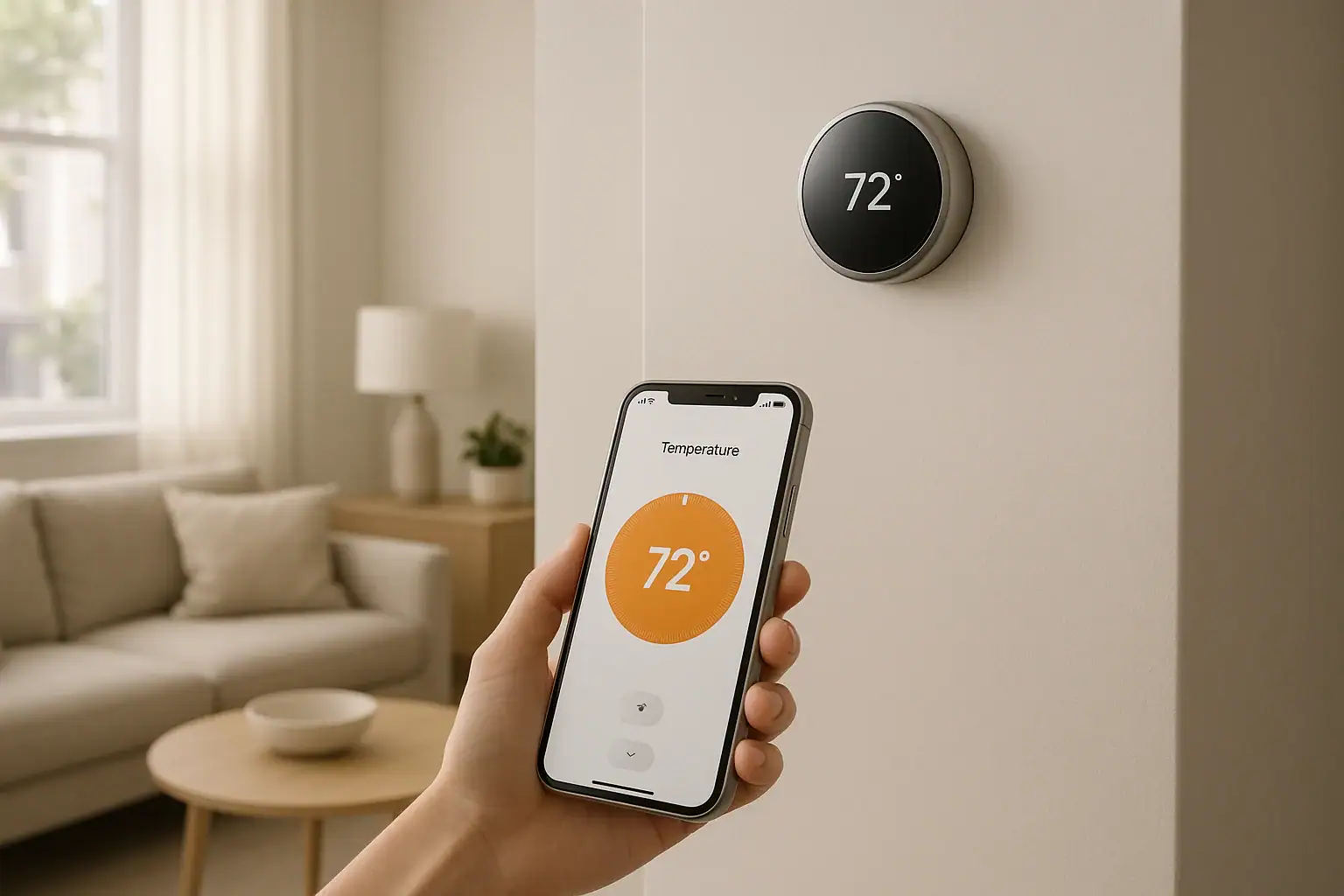
Living in an apartment or rental home does not mean you have to miss out on smart comfort and energy savings. Many renters assume smart thermostats are only for homeowners who can freely rewire and replace equipment. In reality, there are several renter-friendly options that can help you control your heating and cooling, lower utility bills, and enjoy app-based control without upsetting your landlord or risking your security deposit.
On this page(click to collapse)
- Can Renters Use Smart Thermostats?
- Types of Smart Thermostats Best for Apartments and Renters
- How to Know Which Smart Thermostat Type Is Best for You
- Key Features Renters Should Look For
- Best-For Breakdown: Matching Smart Thermostats to Renter Scenarios
- Installation Tips for Renters
- Energy-Saving Tips for Renters Using Smart Thermostats
- Staying Lease-Friendly and Protecting Your Deposit
- When a Smart Thermostat May Not Be the Best Choice
- Bringing It All Together
- Related guides
This guide walks you through the best types of smart thermostats for apartments and renters, what to look for before you buy, and how to stay within the rules of your lease. You will learn about no-drill devices, plug-in solutions, and easy-swap thermostats that can be removed when you move out. By the end, you will know exactly which style of smart thermostat is best for your situation and how to install and use it with confidence.
Can Renters Use Smart Thermostats?
In most rentals, you can use a smart thermostat as long as you do not damage the property or alter the HVAC system permanently. The key is choosing a solution that:
- Does not require drilling new holes in walls
- Can be removed cleanly when you move out
- Does not violate any part of your lease agreement
- Keeps the original thermostat and wiring intact or easily restorable
Before you buy anything, read your lease and, if needed, send your landlord a short message describing what you want to do. Many property owners are open to smart thermostats because they can improve energy efficiency and help protect the HVAC system from extreme temperature swings.
Types of Smart Thermostats Best for Apartments and Renters
Not every smart thermostat works well in a rental. Some require complex wiring, professional installation, or permanent changes. Below are the main categories of renter-friendly options and who they are best for.
1. Plug-In Smart Thermostats for Portable and Space Heaters
Best for: Studios, small apartments, and renters who rely on portable heaters or window AC units.
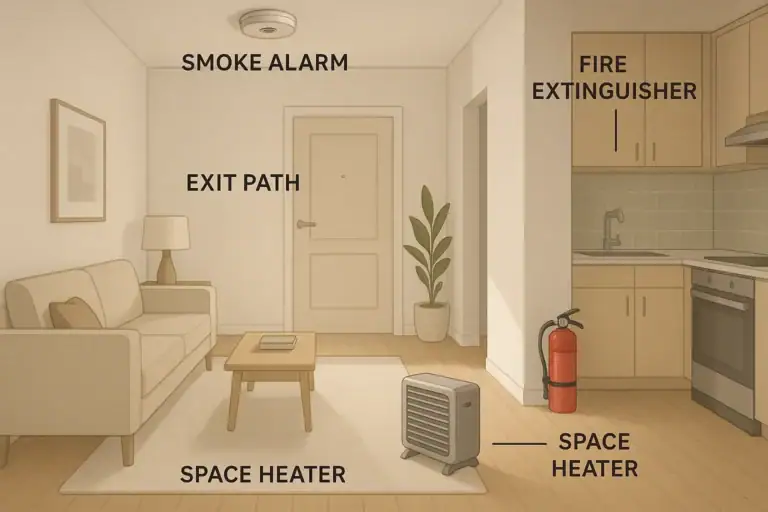
Plug-in smart thermostats are some of the easiest options for renters. Instead of connecting directly to your wall thermostat, these devices plug into a standard outlet. You then plug your space heater, portable AC, or other appliance into the device.
Common features include:
- App control over temperature settings
- Scheduling for turning heaters or AC units on and off
- Energy usage tracking
- Overheat and safety protections
Because they do not touch the building’s wiring, plug-in thermostats are usually allowed in rentals with no extra permission. They are ideal if your landlord controls the central thermostat or if your unit does not have a dedicated thermostat at all.
2. Stick-On or Add-On Smart Controllers for Existing Thermostats
Best for: Renters who cannot remove the existing thermostat but want smarter control.
Another renter-friendly option is a smart controller that attaches near your existing thermostat or HVAC unit and works alongside it. Some models use sensors and infrared or relay control to adjust temperature settings without replacing the thermostat on the wall.
Typical advantages:
- No need to remove the original thermostat
- Often uses adhesive strips instead of screws
- Can be removed without leaving visible damage
- Compatible with many older systems
This style is especially helpful if your landlord prefers to keep the original thermostat in place for maintenance or inspection purposes.
3. Easy-Swap Smart Thermostats for Standard Wall Plates
Best for: Renters with individual control over a central HVAC system and a standard low-voltage thermostat.
If your apartment has its own heating and cooling system with a standard wall thermostat, you may be able to swap it for a smart model temporarily. Many smart thermostats are designed to fit standard wall plates and use the same low-voltage wires.
Key benefits:
- Full control over heating and cooling from your phone
- Advanced scheduling and automation
- Energy reports and suggestions
- Can usually be swapped back to the original thermostat when you move
Before choosing this route, take a clear photo of the existing wiring, label each wire, and store the original thermostat in a safe place. This makes it easy to restore everything at move-out.
4. Smart Radiator Valves for Steam or Hot-Water Radiators
Best for: Older buildings with radiator heat and limited central control.
In some apartments, the building controls the boiler and you only have manual valves on your radiators. Smart radiator valves replace or attach to those manual knobs, giving you room-by-room control.
Highlights include:
- Individual room temperature control
- Scheduling by room or time of day
- Reduced overheating and wasted energy
- Often reversible with minimal tools
Check with your landlord before replacing any valves, and keep the original parts so you can put them back later.
How to Know Which Smart Thermostat Type Is Best for You
Choosing the best smart thermostat for an apartment or rental starts with understanding your current setup. Use the steps below to narrow down your options.
Step 1: Identify Your Heating and Cooling System
Look at how your home is heated and cooled:
- Central furnace and AC with a wall thermostat: Likely compatible with an easy-swap smart thermostat.
- Baseboard heaters or wall heaters with knobs: A plug-in thermostat or smart controller may be better.
- Radiators: Consider smart radiator valves or room-based controllers.
- Window or portable AC units: Plug-in smart thermostats or smart plugs with temperature sensors work well.
Step 2: Check Your Lease and Landlord Rules
Before making any changes, confirm what is allowed:
- Look for sections on electrical or HVAC modifications
- Check whether you must use a licensed professional for any wiring
- Ask in writing if you can temporarily swap the thermostat, if needed
When you ask for permission, emphasize that the change is reversible and that you will restore the original thermostat when you move out.
Step 3: Decide How Much Control You Need
Different smart thermostat styles offer different levels of control:
- Basic control: Turn devices on and off remotely, set simple schedules.
- Intermediate control: Room-based temperature settings, energy usage data.
- Advanced control: Learning schedules, occupancy detection, multi-room zoning.
If you only need to manage a single room, a plug-in thermostat may be enough. If you want whole-apartment control, an easy-swap wall thermostat or a set of smart radiator valves is more appropriate.
Key Features Renters Should Look For
When choosing the best smart thermostat for an apartment, focus on features that matter most in a rental setting.
1. No-Drill or Minimal-Drill Installation
Look for devices that use existing screw holes, adhesive backing, or standard outlets. Avoid products that require you to cut into drywall or run new wiring through walls. This reduces the risk of losing your security deposit.
2. Easy Removal and Reinstallation
Choose a thermostat that can be removed without leaving marks. For wall thermostats, a model that fits the same wall plate size as your existing thermostat is ideal. For plug-in devices, look for compact designs that will work in your next apartment as well.
3. Strong App Support and Remote Access
One of the biggest benefits of a smart thermostat is being able to control your home temperature from your phone. Prioritize devices with:
- A well-rated mobile app
- Clear scheduling tools
- Remote access over cellular data
- Alerts for extreme temperatures or device issues
4. Energy-Saving Modes and Insights
For renters, lower utility bills are often the main goal. Look for features such as:
- Eco or away modes that automatically reduce heating and cooling
- Usage reports that show when your system runs the most
- Recommendations for more efficient settings
5. Compatibility With Your Wi-Fi and Smart Home Devices
Make sure the thermostat works with your home network and any other smart devices you already use. Consider:
- Whether a 2.4 GHz Wi-Fi connection is required
- Support for voice assistants, if you use them
- Integration with smart plugs, sensors, or security systems
Best-For Breakdown: Matching Smart Thermostats to Renter Scenarios
Below is a quick guide to help you choose the best smart thermostat style for your specific apartment situation.
Best for Renters Who Cannot Touch the Existing Thermostat
- Plug-in smart thermostats for space heaters or portable AC units
- Smart plugs combined with temperature sensors and app automation
- Stick-on smart controllers that do not require removing the original thermostat
Best for Renters With Full Control Over a Central System
- Easy-swap smart wall thermostats that match standard wiring
- Devices that include a large wall plate to cover old screw holes
- Models with learning features to automatically adjust to your schedule
Best for Older Buildings With Radiators
- Smart radiator valves for each room
- Room-based smart controllers paired with temperature sensors
- Plug-in thermostats for supplemental space heaters in problem rooms
Best for Roommates and Shared Apartments
- Smart thermostats with multi-user access in the app
- Room sensors that help balance temperatures between bedrooms
- Clear scheduling so everyone knows when the system will run
Installation Tips for Renters
Installing a smart thermostat in a rental does not have to be complicated, but you should move carefully and document everything.
Before You Start
- Take photos of your current thermostat and wiring
- Label each wire with the letter on the terminal (such as R, W, Y, G)
- Turn off power to the HVAC system at the breaker for safety
- Read the installation guide for your smart thermostat completely
During Installation
- Use existing screw holes whenever possible
- Avoid overtightening screws to prevent wall damage
- Keep all original screws, wire labels, and the old thermostat together in a box or bag
- Follow the wiring diagram exactly; do not add or cut wires
After Installation
- Test heating and cooling in all modes to confirm proper operation
- Set up the app, Wi-Fi connection, and user accounts
- Create schedules that match your work and sleep patterns
- Enable energy-saving or eco modes for times you are away
Energy-Saving Tips for Renters Using Smart Thermostats
Once your smart thermostat is up and running, a few simple habits can help you get the most savings without sacrificing comfort.
- Use gradual setbacks: Instead of large swings, adjust your temperature by a few degrees when you leave and return.
- Take advantage of schedules: Program weekday and weekend routines so you are not heating or cooling an empty apartment.
- Leverage away modes: Enable occupancy detection or manual away modes when you travel.
- Combine with fans and blinds: Use ceiling fans and window coverings to keep temperatures stable, reducing the load on your HVAC system.
- Monitor usage reports: Review monthly or weekly energy insights and adjust your settings to cut waste.
Staying Lease-Friendly and Protecting Your Deposit
As a renter, your smart thermostat choice should always balance comfort with respect for the property. To avoid conflicts and protect your deposit:
- Get written permission for any thermostat replacement or wiring changes
- Keep all original parts and packaging in one labeled box
- Document the condition of the wall and thermostat area before and after installation
- Restore the original thermostat before your final walkthrough
- Use removable adhesive strips for any sensors or accessories
Handled this way, a smart thermostat can be a temporary upgrade that follows you to your next home, leaving your current apartment just as you found it.
When a Smart Thermostat May Not Be the Best Choice
There are a few situations where a smart thermostat may not be worth the effort for a renter:
- Your landlord locks or centrally controls the thermostat with no access for tenants
- You expect to move out in a very short time and cannot reuse the device elsewhere
- Your unit has highly unusual or incompatible wiring that would require major changes
- You are not comfortable with any level of DIY installation and cannot hire help
In these cases, you can still improve comfort and efficiency with simple tools like draft stoppers, thermal curtains, and basic programmable space heater timers.
Bringing It All Together
The best smart thermostat for apartments and renters is the one that fits your heating system, respects your lease, and delivers the right balance of comfort and savings. Plug-in thermostats and add-on controllers are ideal when you cannot change the existing thermostat. Easy-swap wall thermostats and smart radiator valves are better when you have more control and want whole-home automation.
With a little planning, you can enjoy app-based temperature control, lower utility bills, and a more comfortable living space without risking your security deposit. As you compare options, focus on reversible installation, strong app support, and energy-saving features that match your daily routine. That way, your smart thermostat upgrade feels like a natural part of your rental, not a permanent renovation.
If you are exploring other smart upgrades for your rental, consider connected lighting, smart locks that comply with your lease, and simple security sensors. Together, these tools can make your apartment feel safer, more efficient, and more convenient, all while staying renter-friendly.
Related posts
Browse this topic →
Smart Air Quality Alerts: How to Set Thresholds That Make Sense
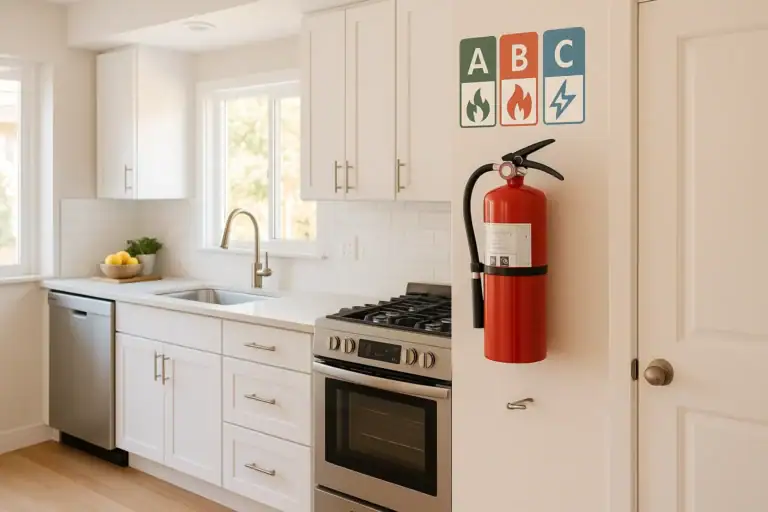
How to Choose a Fire Extinguisher for the Kitchen (Classes Explained)
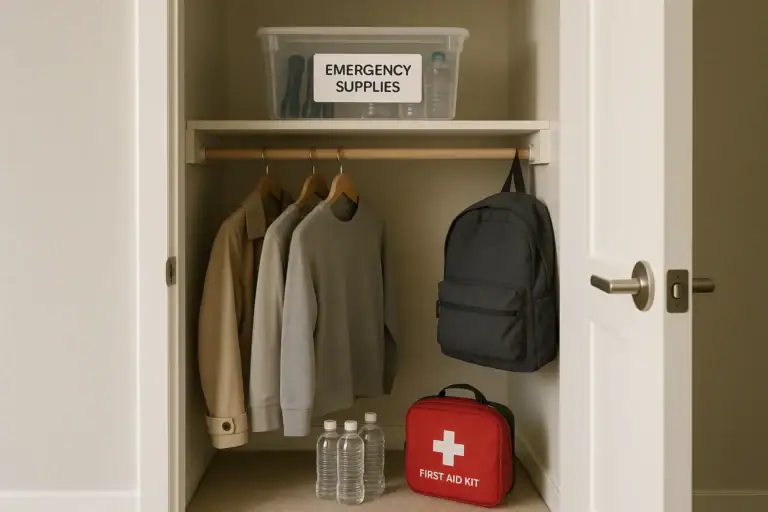
Emergency Kit for Apartments: Closet-Friendly Essentials for Small Spaces
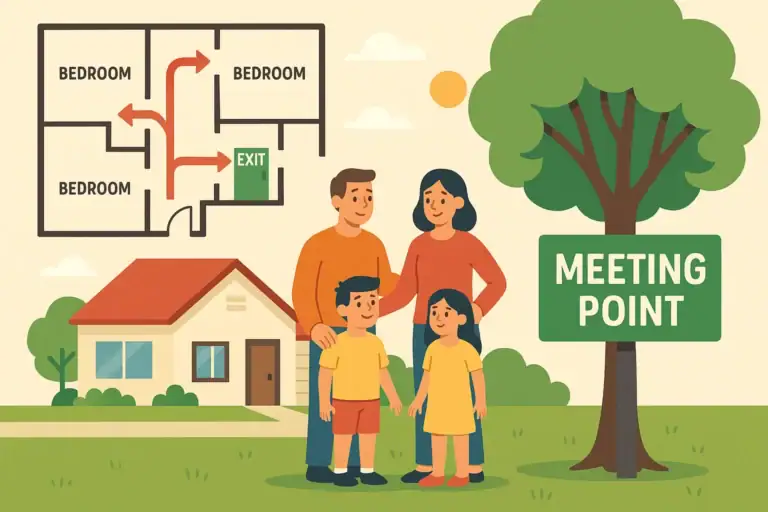
Home Fire Escape Plan: Map, Meeting Point, and Practice Checklist
Childproofing the Smart Home: Settings and Physical Safety Tips
Garage Door Safety: Sensors, Remotes, and Common Failure Fixes
Keep reading
About this site
Signature Home Guide publishes practical, independent home guides. We aim to be clear, helpful, and transparent.
Affiliate disclosure
As an Amazon Associate, we earn from qualifying purchases. Some links on this site may be affiliate links. If you buy through these links, we may earn a small commission at no extra cost to you. This helps support our content. Learn more.