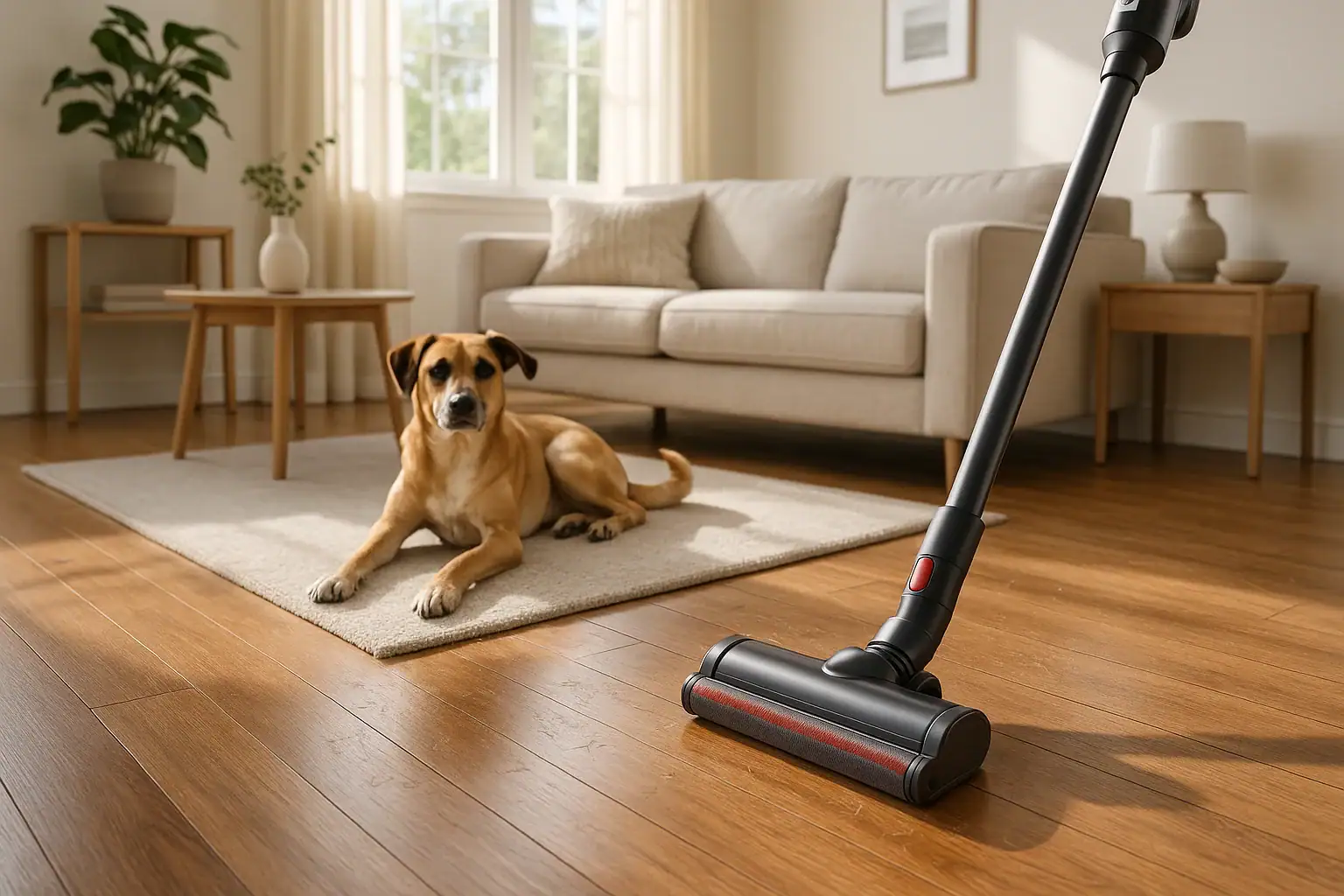
Living with pets and beautiful hardwood floors can feel like a constant battle. Pet hair drifts into corners, clings to baseboards, and collects under furniture. Standard vacuums often just push the fur around, leave fine dander behind, or worse, scuff and scratch your floors. Choosing the best vacuum for pet hair on hardwood floors is less about chasing the newest gadget and more about understanding which features actually protect your floors while capturing as much hair and dander as possible. This guide walks you through what to look for, what to avoid, and how to match a vacuum to your home, your pets, and your cleaning style.
On this page(click to collapse)
- What Makes a Vacuum “Best” for Pet Hair on Hardwood Floors?
- Best-For Breakdown: Match the Vacuum to Your Situation
- Essential Features for Pet Hair on Hardwood Floors
- Vacuum Types: Pros and Cons for Hardwood and Pet Hair
- How to Use a Vacuum Safely on Hardwood Floors
- Maintenance Tips: Keep Your Vacuum Working at Its Best
- Additional Strategies to Reduce Pet Hair on Hardwood Floors
- How to Choose the Best Vacuum for Your Home
- Related guides
Below, you will find a breakdown of vacuum types, key features that matter specifically for hardwood, and practical tips to get the most from any model you choose. Whether you share your home with one tidy cat or a whole pack of shedding dogs, you will be able to narrow down the best-for-you vacuum that keeps your floors clean, your air fresher, and your routine simple.
What Makes a Vacuum “Best” for Pet Hair on Hardwood Floors?
Not every vacuum that handles carpets will perform well on hardwood. Pet hair behaves differently on smooth surfaces, and hardwood floors are more vulnerable to scratches and fine dust. The best-for-hardwood-and-pet-hair vacuums balance strong suction with gentle contact and smart filtration.
Key goals when choosing a vacuum
- Remove visible hair and fine dander without scattering it across the floor.
- Protect the finish of your hardwood from scratches and dulling.
- Capture allergens like dander and dust in a sealed system.
- Reach tight spaces where pet hair tends to gather.
- Fit your routine so you actually use it regularly.
Best-For Breakdown: Match the Vacuum to Your Situation
Instead of chasing one “perfect” vacuum, it helps to think in terms of best-for categories. Consider which description sounds most like your home.
Best for large homes with multiple shedding pets
If you have several dogs or cats and a lot of hardwood, your vacuum should prioritize strong suction, large capacity, and durability.
- Type: Full-size corded upright or canister.
- Why it works: Consistent power, larger dust bin or bag, and better performance on long cleaning sessions.
- Key features: Adjustable suction, hard-floor setting, soft brush or brush-roll off, and high-capacity filtration.
Best for small apartments and condos
In smaller spaces, maneuverability and storage matter just as much as pet-hair pickup.
- Type: Lightweight stick vacuum, preferably with a hard-floor mode.
- Why it works: Easy to grab for quick cleanups and simple to store in a closet or corner.
- Key features: Swivel head, low profile for under furniture, and a soft roller for hardwood.
Best for busy households that want hands-off cleaning
If you struggle to find time to vacuum, an automated solution can keep daily shedding under control.
- Type: Robot vacuum designed specifically with a hard-floor mode.
- Why it works: Runs on a schedule, picks up daily hair before it piles up.
- Key features: Strong edge cleaning, good navigation around chair legs, and a brush system that does not tangle easily with hair.
Best for allergy sufferers
Pet hair is only part of the problem. Dander and fine dust can trigger allergies and make your home feel less comfortable.
- Type: Upright or canister with sealed filtration.
- Why it works: Traps tiny particles inside the vacuum rather than releasing them back into the air.
- Key features: High-efficiency filter, sealed body, and easy-to-empty dust bin that minimizes contact with debris.
Best for homes with a mix of hardwood and area rugs
Many homes combine hardwood floors with runners and area rugs. Your vacuum needs to transition smoothly between surfaces.
- Type: Multi-surface upright or stick vacuum.
- Why it works: Lets you move from wood to rug without swapping tools.
- Key features: On-off brush roll, adjustable suction, and separate settings for hard floors and rugs.
Essential Features for Pet Hair on Hardwood Floors
Once you know which type of vacuum fits your home, focus on the features that make the biggest difference on hardwood with pet hair.
1. Hard-floor-safe brush or brush-roll control
Rotating brushes are great for lifting hair from carpets, but they can scatter debris or scratch hardwood if they are too stiff.
- Best option: A soft roller or brush head specifically labeled for hard floors.
- Good alternative: A vacuum with a brush-roll on-off switch so you can turn it off on hardwood.
- Avoid: Very stiff bristles that feel rough when you touch them; these can leave micro-scratches over time.
2. Strong, adjustable suction
Pet hair on hardwood tends to float or cling lightly to the surface. You need enough suction to pull it in, but not so much that the vacuum becomes hard to push or sucks lightweight rugs off the floor.
- Look for multiple power levels or a slider to reduce suction on delicate rugs.
- Use higher suction along baseboards, under furniture, and in corners where hair collects.
3. Sealed filtration and fine-particle capture
Even if you do not have allergies, better filtration makes your home feel cleaner and reduces lingering pet odors.
- Choose a vacuum that mentions sealed filtration or a fully sealed system.
- Prefer models with high-efficiency filters that capture fine dust and dander.
- Check that filters are easy to access and either washable or simple to replace.
4. Gentle wheels and floor protection
Heavy vacuums with hard plastic wheels can leave marks on soft or older hardwood finishes.
- Look for rubber-coated or soft wheels that glide smoothly.
- Check the underside of the floor head for exposed screws or sharp edges.
- Avoid dragging the vacuum when it is turned off; lift or roll it carefully.
5. Tools for pet hair in crevices and on furniture
Pet hair rarely stays in the middle of the floor. It clings to furniture, baseboards, vents, and stairs.
- Crevice tool: Reaches between floorboards, along baseboards, and into corners.
- Dusting brush: Gently cleans vents, blinds, and shelves without scratching.
- Pet-hair upholstery tool: Removes hair from sofas, pet beds, and fabric-covered chairs.
Vacuum Types: Pros and Cons for Hardwood and Pet Hair
Each vacuum style has strengths and weaknesses. Use this overview to narrow down the best-for-you option.
Upright vacuums
Upright vacuums are common in larger homes and often provide strong suction and wide cleaning paths.
- Pros: Great for big, open areas; strong suction; often include multiple floor settings.
- Cons: Can be heavy; may be less nimble around furniture; storage requires more space.
- Best for: Larger homes with open hardwood areas and multiple pets.
Canister vacuums
Canister vacuums separate the motor and dust container from the cleaning head, connected by a hose.
- Pros: Excellent maneuverability; easy to use on stairs; often gentle on hardwood with the right head.
- Cons: Pulling the canister behind you can be awkward; more parts to store.
- Best for: Homes with lots of furniture, stairs, and mixed surfaces.
Cordless stick vacuums
Cordless sticks are popular for their convenience and light weight.
- Pros: Easy to grab for quick cleanups; lightweight; often convert to handheld mode.
- Cons: Limited battery life; smaller dust bins; may not match the power of full-size corded models.
- Best for: Apartments, smaller homes, or as a second vacuum for daily pet-hair control.
Robot vacuums
Robot vacuums can keep daily shedding under control without much effort from you.
- Pros: Automated cleaning; great for daily maintenance; can reduce how often you need to deep clean.
- Cons: Smaller dust bins; may struggle with cords or clutter; still need a regular vacuum for deep cleaning.
- Best for: Busy households that want help keeping hair off hardwood between deeper cleanings.
Handheld vacuums
Handheld vacuums are not usually the main tool for floors, but they are useful for targeted pet-hair cleanup.
- Pros: Great for furniture, stairs, car interiors, and pet beds.
- Cons: Too small for full-floor cleaning; limited runtime.
- Best for: Supplementing a main vacuum when you have pets that shed on furniture and upholstery.
How to Use a Vacuum Safely on Hardwood Floors
The best vacuum for pet hair on hardwood floors still needs to be used correctly to protect your surfaces and get the best results.
Set up your vacuum for hardwood
- Turn off the brush roll if your vacuum allows it.
- Select the hard-floor or low-pile setting if available.
- Check that wheels and the floor head are clean before each use.
Vacuuming technique that protects your floors
- Start in the farthest corner of the room and work toward the door.
- Use slow, overlapping passes to collect fine hair and dust.
- Follow the direction of the floorboards when possible to pull hair from between them.
- Use a crevice tool along baseboards and under toe-kicks in the kitchen.
How often to vacuum when you have pets
Frequency depends on how many pets you have and how much they shed, but these general guidelines help keep hair under control:
- One light-shedding pet: Vacuum high-traffic areas two to three times per week.
- Multiple or heavy-shedding pets: Aim for once a day in main living areas.
- Bedrooms and less-used spaces: Once a week is often enough, more during peak shedding seasons.
Maintenance Tips: Keep Your Vacuum Working at Its Best
Even the best-for-hardwood vacuum will lose performance if it is not maintained. Pet hair is especially tough on filters and brush systems.
Empty the dust bin or replace bags regularly
- Do not wait until the bin is packed; suction drops as the container fills.
- For bagged vacuums, replace the bag when it is about two-thirds full.
- Empty the bin outdoors if possible to keep dust and dander out of your home.
Clean or replace filters on schedule
- Check the filter at least once a month if you have pets.
- Rinse washable filters with cool water only and let them dry completely before reinstalling.
- Replace non-washable filters as recommended by the manufacturer, or sooner if they look very dirty.
Remove tangled hair from brushes and rollers
Even if you mostly use a hard-floor head, hair can wrap around any rotating parts.
- Turn off and unplug the vacuum before cleaning the brush area.
- Use scissors or a seam ripper to cut away hair wrapped around rollers.
- Check side brushes on robot vacuums and replace them when they become bent or worn.
Additional Strategies to Reduce Pet Hair on Hardwood Floors
A great vacuum is only one part of managing pet hair. Small changes in your routine can dramatically reduce how much hair reaches your floors.
Groom pets regularly
- Brush your pets several times a week, or daily during heavy shedding seasons.
- Use a grooming tool suited to their coat type to remove loose hair before it falls onto your floors.
- Consider grooming sessions outdoors or in an easy-to-clean area.
Create “shedding zones”
- Place washable throws or blankets on favorite pet resting spots.
- Use area rugs or runners in hallways where pets frequently walk.
- Vacuum or shake out these items often to capture hair before it spreads.
Use door mats and paw-cleaning routines
While this does not reduce shedding itself, it keeps outdoor debris from mixing with pet hair on your floors.
- Place sturdy mats at every exterior door.
- Keep a towel near entrances to wipe paws during wet or muddy weather.
How to Choose the Best Vacuum for Your Home
To narrow down your options, ask yourself a few practical questions about your home, your pets, and your habits.
Questions to guide your decision
- How many pets do you have and how heavily do they shed?
- Is your home mostly hardwood, or do you have a mix of rugs and carpets?
- Do you have stairs, tight hallways, or lots of furniture to navigate?
- Do you prefer quick daily cleanups or longer weekly sessions?
- Do you or anyone in your home have allergies or asthma?
Once you answer these questions, match your needs to a best-for category: a powerful upright or canister for large, busy homes; a cordless stick for quick cleanups in smaller spaces; a robot vacuum for hands-off daily maintenance; or a combination of tools if you have pets that shed heavily. Focus on hard-floor-safe heads, adjustable suction, sealed filtration, and useful pet-hair tools. With the right setup, keeping pet hair off your hardwood floors becomes a manageable routine instead of a constant frustration.
Related posts
Browse this topic →
Pantry Organization Basics: Zones, Labels, and a Simple Maintenance Routine
How to Organize Cleaning Supplies for Speed and Safety at Home
Spring Cleaning Checklist for the Whole Home (Printable Plan)
How to Disinfect Surfaces Safely: What Really Needs It and What Does Not
How to Clean Hardwood Floors Without Ruining the Finish
Best Way to Clean Laminate Floors Without Swelling or Haze
Keep reading
About this site
Signature Home Guide publishes practical, independent home guides. We aim to be clear, helpful, and transparent.
Affiliate disclosure
As an Amazon Associate, we earn from qualifying purchases. Some links on this site may be affiliate links. If you buy through these links, we may earn a small commission at no extra cost to you. This helps support our content. Learn more.