If you have ever spent a weekend deep cleaning your home only to watch it slide back into chaos by Wednesday, you are not alone. A spotless home after a marathon cleaning session feels great, but it is hard to maintain. The key is not working harder, but cleaning smarter with a simple schedule you can actually follow. When you break tasks into daily, weekly, and monthly routines, cleaning takes less time, feels less overwhelming, and becomes part of your normal rhythm instead of a dreaded event.
On this page(click to collapse)
- Why Most Cleaning Schedules Do Not Stick
- How to Build a Cleaning Schedule That Works for You
- Daily Cleaning Checklist (10–30 Minutes)
- Weekly Cleaning Checklist (Divide by Day or Do in a Block)
- Monthly Cleaning Checklist (Deeper, Less Frequent Tasks)
- Seasonal and Occasional Cleaning Tasks
- Tips to Make Your Cleaning Schedule Stick Long-Term
- Sample Cleaning Schedule You Can Copy
- Make Your Cleaning Schedule Your Own
- Related guides
This guide walks you through a realistic cleaning schedule that fits real life, not perfection. You will find a ready-to-use daily, weekly, and monthly checklist, plus tips for customizing it to your home, your energy level, and your calendar. Use it as-is, or tweak it until it feels natural. The goal is a home that stays reasonably clean most of the time without you spending every spare minute scrubbing.
Why Most Cleaning Schedules Do Not Stick
Before you create a schedule, it helps to understand why past attempts may have failed. Often, the problem is not motivation. It is the plan.
Common Reasons Cleaning Routines Fall Apart
- Too much, too fast: Trying to overhaul your entire home in a week leaves you exhausted and discouraged.
- Unrealistic time estimates: Planning an hour of cleaning every day may not work if your evenings are already packed.
- No flexibility: Rigid schedules do not account for sick days, late meetings, or surprise events.
- Perfectionism: Feeling like you have to clean perfectly or not at all often leads to doing nothing.
- No clear list: If you have to decide what to clean every time, you waste energy and lose momentum.
A schedule that actually sticks is realistic, flexible, and clear. It focuses on the few tasks that make the biggest impact and accepts that “good enough” is often truly good enough.
How to Build a Cleaning Schedule That Works for You
Use this step-by-step approach to personalize your cleaning routine. You can follow the checklists later in this article, but these steps will help you adapt them to your home and lifestyle.
1. Identify Your High-Impact Areas
High-impact areas are spaces that quickly make the whole home feel messy when they are cluttered or dirty. For most households, these include:
- Kitchen counters and sink
- Entryway or mudroom
- Living room surfaces and floors
- Main bathroom
- Primary bedroom or the room you see first thing in the morning
These areas deserve daily or near-daily attention because they influence how clean your home feels overall.
2. Decide How Much Time You Realistically Have
Be honest about your schedule. A routine you can stick with for 10 to 20 minutes a day is better than an hour-long plan you abandon after a week.
- Busy weekdays: Aim for 10–20 minutes of daily tasks plus one or two short weekly tasks.
- More flexible schedule: You might cluster more tasks on one or two days and keep other days lighter.
3. Group Tasks by Frequency
Not every task needs to be done daily. Group chores by how quickly they become a problem if you skip them:
- Daily: Dishes, quick tidying, wiping key surfaces.
- Weekly: Bathrooms, floors, dusting, bedding.
- Monthly: Deeper cleaning, decluttering, and less-visible areas.
4. Assign Tasks to Specific Days
Instead of keeping a vague list in your head, decide what happens when. For example:
- Monday: Bathrooms
- Tuesday: Dusting and surfaces
- Wednesday: Floors
- Thursday: Bedrooms and bedding
- Friday: Kitchen deep clean
- Weekend: Laundry, monthly or seasonal tasks
You can copy this layout or create your own, but putting tasks on specific days removes guesswork.
5. Keep It Visible and Simple
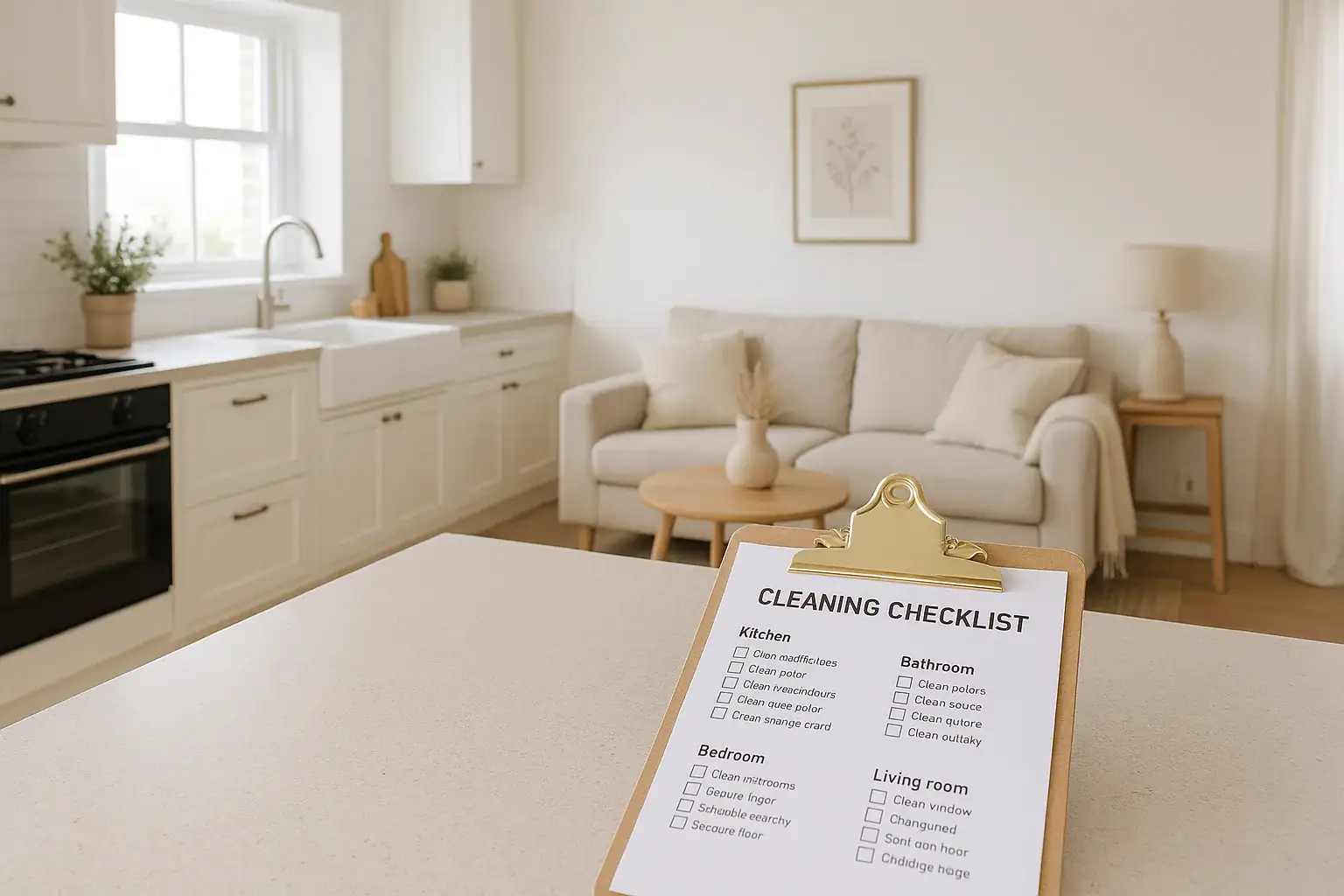
Print your checklist, write it on a whiteboard, or save it as a note on your phone. The more visible and simple it is, the easier it will be to follow, even on low-energy days.
Daily Cleaning Checklist (10–30 Minutes)
Daily tasks are the backbone of a cleaning schedule that actually sticks. They prevent buildup, keep clutter from taking over, and make weekly and monthly tasks much easier.
Daily Kitchen Tasks
- Clear and rinse dishes after each meal.
- Load and run the dishwasher when it is full, or wash dishes by hand.
- Wipe kitchen counters and the stove top lightly.
- Wipe the kitchen sink and faucet.
- Do a quick sweep of the kitchen floor if there are crumbs or visible debris.
Daily Living Areas
- Do a 5-minute tidy of the living room and main areas.
- Fold and put away blankets or throws.
- Return remote controls, books, and devices to their spots.
- Corral toys into a basket or bin.
Daily Entryway Tasks
- Hang coats and bags instead of dropping them on furniture.
- Put shoes in a designated spot.
- Recycle or file mail instead of leaving piles on counters.
Daily Bathroom Tasks
- Wipe down the bathroom sink and faucet after use if needed.
- Hang or spread out towels to dry.
- Do a quick check for trash and toss it.
Daily Bedroom Tasks
- Make the bed each morning.
- Put dirty clothes in a hamper, not on the floor.
- Clear nightstands of cups, wrappers, or clutter.
Optional Evening Reset Routine
If possible, end the day with a short reset. Set a timer for 10 minutes and focus on:
- Starting or finishing the dishwasher.
- Putting away visible clutter in the main living area.
- Setting out items you need for the next morning.
This small routine can dramatically change how your home feels when you wake up.
Weekly Cleaning Checklist (Divide by Day or Do in a Block)
Weekly tasks handle the deeper grime and dust that daily tidying does not address. You can spread these across the week or tackle them in one longer session, depending on your schedule.
Weekly Bathroom Tasks
- Scrub toilet bowl and wipe exterior surfaces.
- Clean bathroom sink, faucet, and countertop.
- Wipe down mirrors.
- Scrub tub or shower walls and floor.
- Empty bathroom trash cans.
- Replace hand towels with clean ones.
Weekly Kitchen Tasks
- Wipe down cabinet fronts and appliance exteriors.
- Clean the microwave interior.
- Wipe refrigerator handles and frequently touched areas.
- Mop the kitchen floor.
- Empty kitchen trash and recycling; wipe the trash can lid if needed.
Weekly Floors and Dusting
- Vacuum or sweep all high-traffic areas.
- Mop hard floors in living areas and hallways.
- Dust flat surfaces such as coffee tables, shelves, and dressers.
- Dust or wipe window sills and baseboards in main rooms.
Weekly Bedrooms and Laundry
- Change and wash bed sheets and pillowcases.
- Gather and wash towels.
- Do at least one full load of laundry from start to finish.
- Clear bedroom surfaces and put away clothing piles.
Sample Weekly Cleaning Plan
Here is one way to spread weekly tasks across the days:
- Monday: Clean bathrooms.
- Tuesday: Dust surfaces and wipe mirrors.
- Wednesday: Vacuum and sweep main areas.
- Thursday: Mop hard floors.
- Friday: Deep clean kitchen surfaces and appliances.
- Saturday: Bedding and towels, plus one monthly task.
- Sunday: Light reset and rest.
Adjust the days and order to match your own routine, but keep the idea of small, consistent steps.
Monthly Cleaning Checklist (Deeper, Less Frequent Tasks)
Monthly tasks focus on areas that do not need constant attention but still benefit from regular care. These can be rotated so you tackle a few each week instead of all at once.
Monthly Kitchen and Dining Tasks
- Wipe down the inside of the refrigerator and toss expired items.
- Clean the oven interior and racks as needed.
- Wipe inside drawers or cabinets that get heavy use.
- Clean under the sink and check for leaks or spills.
- Wipe down dining chairs and table legs.
Monthly Bathroom and Laundry Room Tasks
- Wash or replace shower curtain liner if needed.
- Scrub grout lines in showers or floors.
- Wipe down bathroom cabinets and drawer fronts.
- Clean the washing machine gasket and detergent drawer.
- Vacuum behind or under laundry appliances if accessible.
Monthly Living Areas and Bedrooms
- Dust ceiling fans and light fixtures.
- Vacuum under furniture and cushions.
- Wash throw pillow covers and blankets if washable.
- Declutter one drawer, shelf, or small area.
- Wipe doors, door frames, and light switches.
Monthly Home Maintenance Touches
- Check and replace air filters as needed.
- Wipe vents and return air grilles.
- Inspect sinks and tubs for slow drains or minor issues.
- Walk through the home with a trash bag for random clutter and junk.
Consider assigning one or two monthly tasks to each weekend. Over time, your home will stay consistently cleaner without overwhelming deep-clean days.
Seasonal and Occasional Cleaning Tasks
Some chores only need attention a few times a year. Adding them to your overall plan keeps them from sneaking up on you.
Seasonal Tasks to Consider
- Wash windows and window tracks.
- Clean blinds and wash or vacuum curtains.
- Deep clean carpets or schedule a professional cleaning.
- Declutter closets and donate unused clothing.
- Sort through kids’ items and remove outgrown toys or clothes.
- Wipe walls in high-traffic areas.
- Clean outdoor entry areas and doormats.
You can align these with the start of each season or use them to prepare for holidays, guests, or back-to-school transitions.
Tips to Make Your Cleaning Schedule Stick Long-Term
A checklist is helpful, but habits are what make it last. These strategies can keep you on track even when life gets busy.
Start Smaller Than You Think You Need To
It is better to commit to 10 minutes a day and succeed than to plan an hour and give up. Once the routine feels easy, you can add more tasks if you want.
Use Timers and Micro-Tasks
Set a timer for 5, 10, or 15 minutes and focus on one area. Breaking chores into micro-tasks makes them feel manageable. For example:
- “Wipe bathroom sink and mirror” instead of “Clean bathroom.”
- “Clear and wipe kitchen counters” instead of “Clean kitchen.”
Pair Cleaning with Existing Habits
Attach small cleaning tasks to routines you already have:
- Wipe the bathroom sink after brushing your teeth.
- Do a quick living room tidy before turning on a show.
- Start the dishwasher right after dinner.
Share the Work When Possible
If you live with others, involve them in simple, age-appropriate tasks. Assign each person a small daily or weekly job. Even young kids can help put toys in bins or place laundry in hampers.
Plan for Imperfect Weeks
There will be busy weeks, sick days, and times when the schedule falls apart. That does not mean you failed. When you miss a day or two, simply restart with today’s tasks. Skip what you missed or tackle one extra item if you have the energy, but do not feel pressured to “catch up” perfectly.
Review and Adjust Monthly
At the end of each month, glance over your checklist:
- Which tasks felt easy and natural?
- Which ones you consistently skipped?
- Do some chores need to move to a different day or frequency?
Adjust your schedule so it matches your real life, not an idealized version of it.
Sample Cleaning Schedule You Can Copy
Use this as a starting point and customize as needed.
Every Day
- Dishes and kitchen counters.
- Quick living room tidy.
- Entryway reset (shoes, bags, mail).
- Make beds and manage laundry in hampers.
Monday
- Clean bathrooms (toilets, sinks, mirrors, tub or shower).
Tuesday
- Dust living areas and bedrooms.
- Wipe light switches and door handles.
Wednesday
- Vacuum or sweep all floors.
Thursday
- Mop hard floors in kitchen, bathrooms, and hallways.
Friday
- Deep clean kitchen surfaces and appliances.
Saturday
- Wash and change bedding.
- Wash towels.
- Complete one or two monthly tasks.
Sunday
- Light reset for the week ahead.
- Look over the schedule and adjust if needed.
Pair this schedule with a simple printed checklist or a digital note. Check off tasks as you complete them to see your progress and stay motivated.
Make Your Cleaning Schedule Your Own
A cleaning schedule that actually sticks is not about doing everything. It is about choosing what matters most for your home and doing a little bit consistently. Use the daily, weekly, and monthly checklists here as a framework, then adapt them to your space, your family, and your time.
If you find yourself overwhelmed, simplify. Focus on the daily basics and one or two weekly tasks until those feel automatic. Over time, you can layer in more if you want to, but you may be surprised by how far a few small, steady habits can take you.
For more ideas on keeping your home running smoothly, you can explore additional cleaning and organization resources at Signature Home Guide.
Related posts
Browse this topic →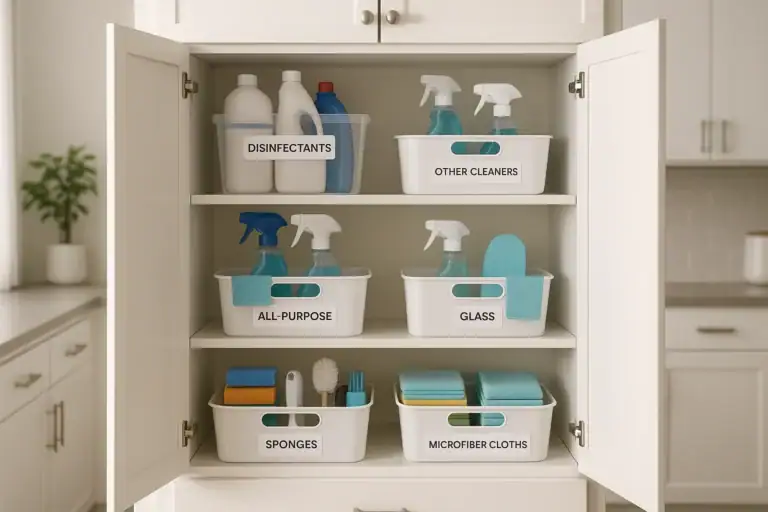
How to Organize Cleaning Supplies for Speed and Safety at Home
Spring Cleaning Checklist for the Whole Home (Printable Plan)
How to Disinfect Surfaces Safely: What Really Needs It and What Does Not
How to Clean Hardwood Floors Without Ruining the Finish
Best Way to Clean Laminate Floors Without Swelling or Haze
Vacuum vs Mop Order: The Most Efficient Floor Cleaning Routine Checklist
Keep reading
About this site
Signature Home Guide publishes practical, independent home guides. We aim to be clear, helpful, and transparent.
Affiliate disclosure
As an Amazon Associate, we earn from qualifying purchases. Some links on this site may be affiliate links. If you buy through these links, we may earn a small commission at no extra cost to you. This helps support our content. Learn more.