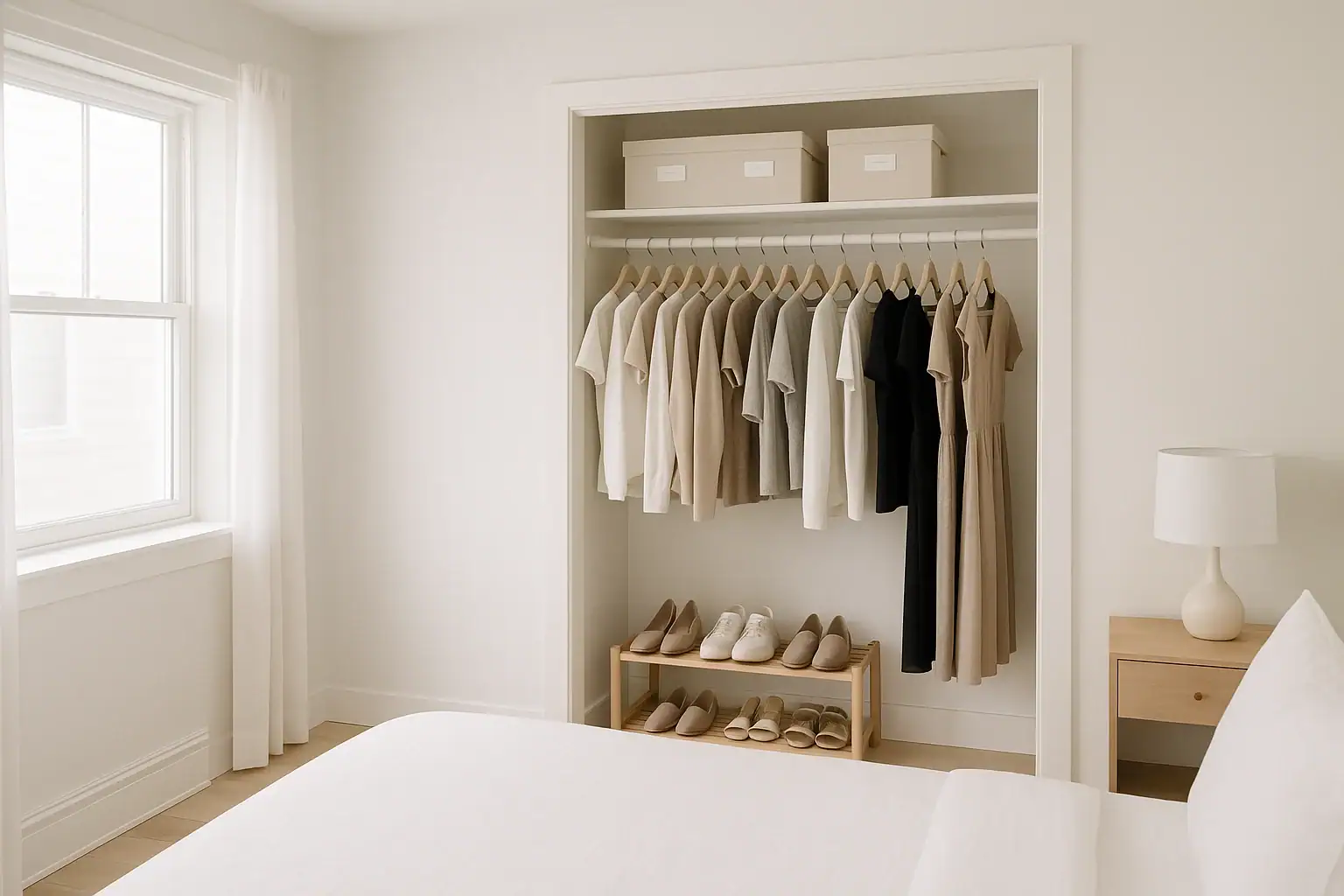
If your closet is tiny, overstuffed, and stressful to use, you are not alone. Many homes have limited storage, and clothing is one of the first things to overwhelm a small space. The good news is that you do not need a huge walk-in to have a calm, functional wardrobe. By combining basic organizing principles with a capsule approach, you can create a closet that feels spacious, even when square footage is tight. This guide walks you step by step through decluttering, planning a capsule wardrobe, and setting up smart storage systems so your closet finally works for your real life, not against it.
On this page(click to collapse)
- Why a Capsule Approach Works Best in Small Closets
- Step 1: Assess Your Closet and Your Lifestyle
- Step 2: Declutter with a Capsule Mindset
- Step 3: Build a Practical Capsule Wardrobe
- Step 4: Plan the Layout of Your Small Closet
- Step 5: Smart Storage Ideas for Tiny Closets
- Step 6: Maintain Your Capsule Closet Over Time
- Step 7: Make Your Closet Visually Calm and Enjoyable
- When You Need Extra Storage Beyond the Closet
- Bringing It All Together
- Related guides
Why a Capsule Approach Works Best in Small Closets
A capsule approach focuses on owning fewer, more versatile pieces that mix and match easily. Instead of cramming every possible item into your closet, you intentionally choose a limited number of items that you actually wear and love.
For small spaces, this approach has several benefits:
- Less visual clutter: Fewer items make it easier to see what you own and get dressed quickly.
- Better fit in limited space: A smaller wardrobe means more breathing room between hangers and shelves.
- Simpler laundry and upkeep: You spend less time sorting, folding, and putting away.
- Clearer personal style: You keep only what supports your lifestyle and what you truly enjoy wearing.
Instead of aiming for a perfect, minimalist capsule right away, think of this as a practical, flexible system that can evolve with your needs.
Step 1: Assess Your Closet and Your Lifestyle
Before you pull everything out, take a moment to understand what you are working with and what you actually need your closet to do.
Measure and Observe Your Space
Grab a tape measure and note the basics:
- Width of the closet rod
- Height from floor to rod, and from rod to ceiling
- Depth of the closet (how far hangers stick out)
- Existing shelves, drawers, and floor space
Also look for awkward spots, such as corners, high shelves you cannot easily reach, or deep, dark areas where items get lost. These details will guide how you set up zones later.
Clarify Your Clothing Needs
Your capsule should reflect your real life, not an idealized version of it. Consider:
- Work: Do you need office wear, uniforms, or mostly casual pieces?
- Home: How many lounge or at-home outfits do you actually wear each week?
- Activities: Exercise, outdoor hobbies, social events, or special occasions.
- Climate: How extreme are your seasons, and how much you layer throughout the year?
Make a short list of the types of outfits you need most often, such as “work from home casual,” “office days,” “weekend errands,” and “evening outings.” This will become the backbone of your capsule closet.
Step 2: Declutter with a Capsule Mindset
Decluttering is where the real transformation happens. The goal is not to get rid of everything, but to clear out what is not serving you so your favorites can shine.
Empty and Sort by Category
Take everything out of your closet so you start with a blank slate. Then sort items into broad categories:
- Tops (work, casual, dressy)
- Bottoms (jeans, pants, skirts, shorts)
- Dresses and jumpsuits
- Layers (cardigans, jackets, blazers)
- Shoes
- Accessories (belts, scarves, hats, bags)
- Specialty items (formal wear, seasonal gear)
Seeing everything in categories makes it easier to spot duplicates and gaps.
Use Simple Yes/No Questions
As you go through each item, ask:
- Do I wear this at least once every season it is appropriate?
- Does it fit comfortably right now?
- Does it work with at least two or three other items I own?
- Is it in good condition, or does it need repair?
If you answer no to most of these, the item likely does not belong in your main closet.
Create Clear Piles
As you decide, sort items into:
- Keep (Capsule Candidates): Items you wear often, that fit well, and that suit your lifestyle.
- Store Elsewhere: Off-season pieces or sentimental items you want to keep but do not need daily access to.
- Repair or Tailor: Items worth fixing within the next month.
- Donate or Sell: Items in good condition that you no longer wear.
- Recycle or Toss: Worn-out, stained, or damaged items that cannot be repaired.
Move the donate, sell, and recycle piles out of the room as soon as possible so they do not creep back into your closet.
Step 3: Build a Practical Capsule Wardrobe
With your best pieces separated, you can now build a capsule that fits your small closet and your daily routine. There is no single correct number of items, but having a target range can be helpful.
Choose a Realistic Item Count
For a small closet, many people find a range of about 30 to 50 core clothing items (not counting underwear, sleepwear, or workout basics stored elsewhere) to be manageable. You can adjust up or down based on your lifestyle and climate.
Focus on Versatile Basics First
Start with items that work across multiple situations. For example, you might aim for:
- 8–12 tops that can be dressed up or down
- 4–6 bottoms (jeans, pants, skirts) that coordinate with most tops
- 2–4 dresses or jumpsuits for work or social events
- 3–5 layering pieces (cardigans, light jackets, blazers)
- 3–6 pairs of shoes that cover work, casual, and dressy needs
Then add a few statement pieces that reflect your personal style, as long as they still work with multiple items in your closet.
Create Mini-Capsules Within Your Closet
To make getting dressed even easier, think in terms of mini-capsules:
- A small work capsule for office or professional days
- A casual capsule for weekends and at-home time
- A dressy capsule for evenings, events, or special occasions
Many items can overlap between these mini-capsules. The goal is to know that you have enough outfits for each part of your life without overstuffing your closet.
Step 4: Plan the Layout of Your Small Closet
Once you know what will live in your closet, you can plan how to store it. The way you arrange your items is just as important as how many you keep.
Assign Clear Zones
Divide your closet into zones based on how often you use items:
- Prime zone (eye to hip level): Everyday tops, bottoms, and dresses you reach for most.
- Secondary zone (above eye level): Out-of-season items, extra bedding, or rarely used accessories.
- Lower zone (below hip level): Shoes, bins for bulky items, or folded jeans.
Keep your most-used pieces in the easiest-to-reach areas so your closet feels effortless to use.
Use Vertical Space Wisely
In a small closet, vertical space is your best friend. Consider:
- Adding a second hanging rod below the first for shorter items like shirts and skirts.
- Using slim, stacked shelves or cubbies for folded items.
- Placing labeled bins or boxes on the top shelf for off-season clothing.
- Using the inside of the door for hooks, over-door organizers, or small accessory storage.
The goal is to reduce dead space and give every item a clear home.
Decide What to Hang vs. Fold
To keep your closet organized, be intentional about what you hang and what you fold:
- Hang: Dresses, blouses, button-down shirts, blazers, jackets, and items that wrinkle easily.
- Fold: Jeans, casual pants, sweaters, workout wear, and tees that can handle a bit of stacking.
- Store elsewhere: Bulky coats, formal wear, and rarely used items can go in another closet or storage area if possible.
Keeping similar items together makes it easier to see what you have and put things away quickly.
Step 5: Smart Storage Ideas for Tiny Closets
You do not need elaborate systems to make a small closet work. Simple, consistent storage solutions are often the most effective.
Maximize Hangers and Rod Space
Use matching, slim hangers to create a clean, uniform look and save space on the rod. Group clothing by type and then by color within each type. For example:
- All work tops together, from light to dark
- All casual tops together, from light to dark
- All dresses together, from light to dark
This makes it easier to find what you need and quickly see what is missing or worn out.
Use Bins and Boxes for Small or Bulky Items
Contain items that are hard to stack neatly:
- Seasonal accessories like scarves, gloves, and hats
- Workout gear or swimwear
- Small bags, clutches, or belts
Label each bin clearly so you do not have to dig through multiple containers to find one item.
Make Shoe Storage Work Harder
Shoes can quickly clutter the floor of a small closet. Consider:
- A low, narrow shoe rack that fits along the back or side wall
- Clear boxes or stackable organizers for shoes you wear less often
- Under-bed storage for out-of-season shoes and boots
Keep only your most-worn shoes in the main closet and relocate the rest to another storage area if possible.
Step 6: Maintain Your Capsule Closet Over Time
An organized small closet is not a one-time project; it is a simple routine you maintain. The capsule approach makes that routine much easier.
Adopt a One-In, One-Out Rule
To prevent your closet from filling up again, try to remove one item for every new piece you bring in. Ask yourself:
- What will this new item replace?
- Does it work with at least three items I already own?
- Is it better than something I currently have?
This keeps your wardrobe intentional and your closet from becoming overcrowded.
Do Quick Seasonal Check-Ins
At the start of each season, spend 20–30 minutes reviewing your closet:
- Move clearly out-of-season items to a separate storage area if you have one.
- Pull out anything you did not wear last season and reconsider whether it belongs.
- Make a short list of genuine gaps, such as a missing layer or neutral shoe.
These small check-ins keep your closet aligned with your current lifestyle and weather.
Reset Your Closet Weekly
Pick a consistent day each week for a five-minute reset:
- Rehang items that ended up on chairs or hooks.
- Refold any stacks that have become messy.
- Return stray accessories to their bins.
Because you are working with fewer items, this reset stays quick and manageable.
Step 7: Make Your Closet Visually Calm and Enjoyable
Function comes first in a small closet, but visual calm matters too. When your closet looks orderly, you are more likely to keep it that way.
Use Simple Visual Rules
Try a few easy guidelines:
- Group clothing by category and then by color.
- Face all hangers in the same direction.
- Keep bin labels consistent and easy to read.
- Limit how high you stack folded items to avoid leaning piles.
These small details make your closet feel more intentional and less chaotic.
Keep Your Favorites Front and Center
Within your capsule, highlight the items you reach for most often. Place them:
- At eye level on the rod
- On the easiest-to-reach shelves
- In the front of shoe racks or bins
When your everyday favorites are easy to grab and put away, your closet naturally stays more organized.
When You Need Extra Storage Beyond the Closet
Sometimes even the best organization cannot change the size of your closet. If you are still tight on space after creating a capsule, consider spreading storage thoughtfully around your home.
- Under-bed storage: Ideal for off-season clothing, shoes, or bulky items like sweaters.
- Entry or hallway hooks: Use for daily outerwear, bags, or hats to free up closet space.
- Dressers or chests: Store undergarments, sleepwear, and workout gear outside the closet.
- Secondary closets: Use for formal wear, rarely used coats, or special-occasion items.
The key is to keep your main closet focused on what you use most often and let other storage areas handle the rest.
Bringing It All Together
Closet organization for small spaces is about making thoughtful choices, not aiming for perfection. By decluttering with a capsule mindset, planning your layout, and using simple storage solutions, you can turn even a tiny closet into a calm, efficient space. Start with what you own right now, choose the pieces that truly support your life, and give each item a clear home. Over time, your small closet will feel less like a limitation and more like a streamlined, easy-to-maintain system that supports your daily routine.
If you want to continue improving your home, consider applying the same capsule and zoning ideas to other storage areas. The more intentional you are with your belongings, the easier it becomes to keep your whole home organized.
For more ideas on cleaning and organization throughout your home, explore related guides and tips at Signature Home Guide.
Related posts
Browse this topic →
How to Clean Blinds and Curtains Without Taking Them Down

How to Clean Windows Fast Without Streaks: Tools and Technique
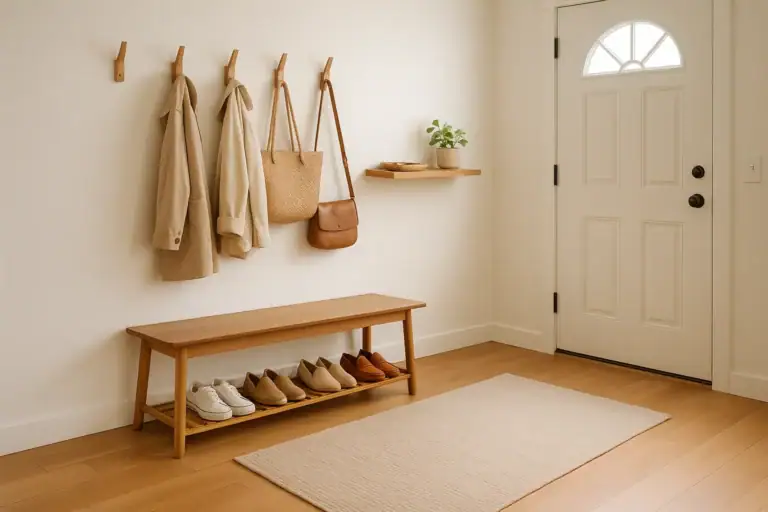
Entryway Organization: A Simple System to Stop Clutter at the Door
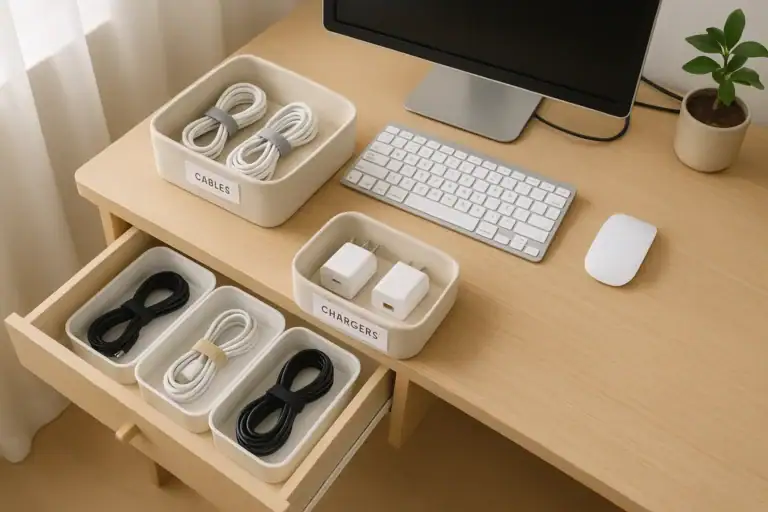
How to Organize Cables and Chargers to Keep Them Tidy, Safe, and Easy to Find
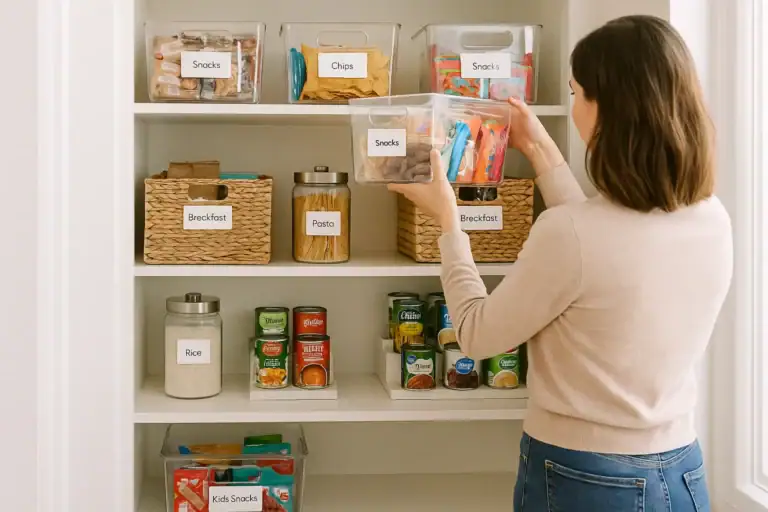
Pantry Organization Basics: Zones, Labels, and a Simple Maintenance Routine
How to Organize Cleaning Supplies for Speed and Safety at Home
Keep reading
About this site
Signature Home Guide publishes practical, independent home guides. We aim to be clear, helpful, and transparent.
Affiliate disclosure
As an Amazon Associate, we earn from qualifying purchases. Some links on this site may be affiliate links. If you buy through these links, we may earn a small commission at no extra cost to you. This helps support our content. Learn more.