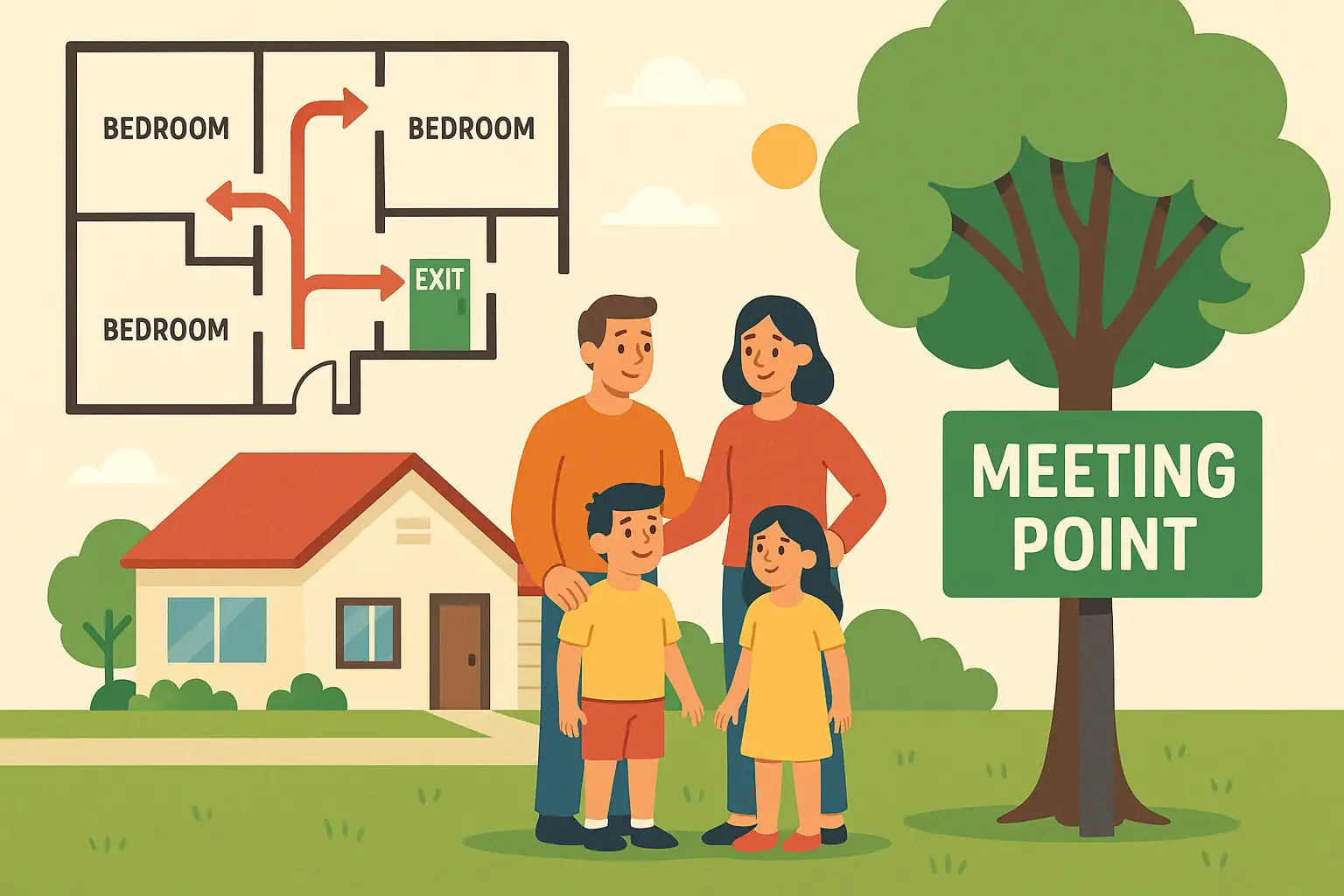
Having smoke alarms and safety devices is important, but they are only part of staying safe in a fire. Every household also needs a clear, practiced home fire escape plan. In an emergency, there is no time to figure out which way to go, who grabs the kids, or where to meet outside. A written plan, a simple map of your home, and a short checklist you review a few times a year can turn panic into quick, confident action. This guide walks you step by step through creating a home fire escape plan, choosing a safe meeting point, drawing a basic escape map, and practicing until everyone in your home knows exactly what to do.
On this page(click to collapse)
- Why Every Home Needs a Fire Escape Plan
- Step 1: Walk Through Your Home and Spot Hazards
- Step 2: Draw a Simple Fire Escape Map
- Step 3: Choose a Safe Outdoor Meeting Point
- Step 4: Create a Home Fire Escape Practice Checklist
- Step 5: Assign Roles and Special Responsibilities
- Step 6: Teach Key Fire Safety Actions
- Step 7: Integrate Your Plan with Smart Home Devices
- How Often to Review and Practice Your Plan
- Printable Home Fire Escape Plan Checklist
- Putting Your Plan Into Everyday Life
- Related guides
Why Every Home Needs a Fire Escape Plan
Fires move faster than most people expect. Smoke can fill a hallway in minutes, and low visibility makes it hard to think clearly. A written, rehearsed fire escape plan gives every person in your home a clear set of actions to follow when seconds matter most.
A good fire escape plan helps you:
- Identify at least two ways out of every sleeping area
- Choose a safe outdoor meeting point away from the home
- Assign roles for adults and older children
- Practice what to do if a primary exit is blocked
- Teach children and guests how to react quickly and safely
Even small homes and apartments benefit from a clear plan. The goal is to avoid confusion, make sure everyone gets out, and help first responders know whether anyone is still inside.
Step 1: Walk Through Your Home and Spot Hazards
Before drawing your escape map, walk through your home with safety in mind. This helps you understand your layout and remove obvious obstacles that could slow you down in an emergency.
Check Every Room
Go room by room and ask:
- Is there at least one clear path to the door?
- Is there a secondary way out, such as a window?
- Are exit routes blocked by furniture, storage, or clutter?
- Are windows painted shut or difficult to open?
Clear away items that could trip you in low light, especially in hallways, near doors, and around stairs.
Note Fire Safety Equipment
As you walk through, make a quick list of where safety devices are located, such as:
- Smoke alarms in hallways and bedrooms
- Carbon monoxide alarms near sleeping areas
- Fire extinguishers in the kitchen, garage, or utility areas
These devices do not replace an escape plan, but they give you earlier warning and more time to use your plan.
Step 2: Draw a Simple Fire Escape Map
Your home fire escape map does not need to be artistic. It only needs to be clear and easy to understand. The goal is to show all rooms, doors, windows, and at least two escape routes from each sleeping area.
How to Draw Your Home Escape Map
-
Sketch your floor plan.
On a blank sheet of paper, draw the outline of your home. Include:
- Each floor level (draw one page per level)
- All bedrooms and main living areas
- Hallways, stairways, and main doors
- Windows large enough to be used as exits
-
Mark primary exits.
Use a solid line or arrow to show the easiest, most direct way out of each room, usually through a door to the nearest exit.
-
Mark secondary exits.
Use a different color or dashed line to show a backup route from each room, such as another door, a different hallway, or a window that opens to a safe area.
-
Label rooms and directions.
Write the name of each room and use a simple compass arrow to show which direction is north. This helps everyone orient themselves quickly.
-
Highlight the meeting point.
Draw and label your outdoor meeting spot on the map so it is clear where everyone should go once they are out.
Tips for Multi-Level Homes
If your home has more than one level, pay special attention to upper floors:
- Identify windows that could serve as emergency exits
- Consider whether escape ladders are needed for second-story bedrooms
- Make sure everyone knows how to safely use any ladders or alternate exits
- Plan what to do if stairs are blocked by smoke or flames
Keep your map simple enough that children can understand it. You can even create a child-friendly version with colors and symbols.
Step 3: Choose a Safe Outdoor Meeting Point
Your meeting point is where everyone gathers after leaving the home. Without a clear meeting point, people may run in different directions, and someone might go back inside looking for a family member who is already safe.
How to Pick the Right Meeting Spot
Choose a location that is:
- Easy to see: A tree, mailbox, or corner of the yard works well.
- A safe distance away: Far enough from the home to avoid smoke, heat, or falling debris.
- Fixed and familiar: A spot that does not move or change, and that children can easily remember.
- Accessible from every exit: Everyone should be able to reach it using any escape route.
Meeting Point Rules for Your Household
Once you choose your spot, set clear rules:
- Everyone goes directly to the meeting point after exiting.
- No one goes back inside the home for any reason.
- Adults count heads and tell responders if anyone is missing.
- Children know to stay at the meeting point until an adult or responder arrives.
Write the meeting point on your escape map and mention it during every practice drill.
Step 4: Create a Home Fire Escape Practice Checklist
Planning is only half the job. Regular practice helps everyone react automatically, even when they are scared or sleepy. Use this checklist to guide your drills and review sessions.
Before You Practice
- Review your escape map with all household members.
- Point out primary and secondary exits from each bedroom.
- Show everyone where the meeting point is outside.
- Explain that drills are serious, but there is no need to panic.
- Decide who will help young children, older adults, or pets.
During Your Practice Drill
Use this checklist as you run through your drill:
- Start the drill from different rooms, including bedrooms.
- Have everyone practice rolling out of bed and staying low.
- Practice checking doors for heat with the back of the hand.
- Practice opening windows that are part of your escape plan.
- Walk, do not run, to avoid trips and falls.
- Follow both the primary and secondary routes at least once.
- Have everyone go directly to the meeting point.
- Do a head count and confirm that everyone arrived.
- Review what went well and what needs improvement.
After the Drill
Once the drill is finished, take a few minutes to talk:
- Ask children what they remember about the plan.
- Update your map if you noticed any problems or obstacles.
- Adjust roles if needed, especially as children grow older.
- Set a reminder for your next practice session.
Step 5: Assign Roles and Special Responsibilities
In many homes, some people will need extra help during an emergency. Planning roles in advance prevents confusion and makes sure everyone is accounted for.
Planning for Children, Older Adults, and Pets
Consider who in your home might need assistance:
- Young children who cannot open doors or windows alone
- Older adults who move slowly or use mobility aids
- People with hearing or vision challenges
- Pets that may hide when scared
Assign at least one adult to assist each person who needs help. If possible, have a backup person in case someone is not home.
Sample Role Assignments
- Adult 1: Wake and assist younger children in nearby bedrooms.
- Adult 2: Help older adults or anyone with mobility needs.
- Older child: Exit on their own using the planned route and go directly to the meeting point.
- Designated person: Call emergency services from outside the home.
Make sure everyone understands that getting out safely comes first. Do not delay escape to search for belongings.
Step 6: Teach Key Fire Safety Actions
Your escape plan should include a few simple, life-saving actions that everyone can remember, even under stress.
Essential Actions to Practice
- Stay low under smoke: Crawl on hands and knees to avoid breathing smoke.
- Check doors before opening: Use the back of the hand to feel the door and handle for heat.
- Use another way out if needed: If a door is hot or smoke is heavy, use your secondary route.
- Close doors behind you: Closing doors can slow the spread of fire and smoke.
- Stop, drop, and roll: If clothing catches fire, stop, drop to the ground, and roll until the flames are out.
- Call for help from outside: Once out, call emergency services and stay out.
Special Guidance for Children
Children may be tempted to hide under beds or in closets when they are scared. Emphasize these points during practice:
- Never hide during a fire; always try to get outside.
- If they cannot get out, go to a window and shout for help.
- Do not stop to grab toys, devices, or other belongings.
- Go straight to the meeting point and stay there.
Step 7: Integrate Your Plan with Smart Home Devices
If your home includes connected devices, you can use them to support your fire escape plan. Technology should never replace basic safety steps, but it can provide faster alerts and clearer information.
Ways Smart Devices Can Help
- Connected smoke alarms: Send alerts to your phone so you know there is a problem even if you are outside or in another part of the home.
- Smart lighting: Program lights in hallways and stairs to turn on when alarms sound, helping everyone see the way out.
- Voice assistants: Use routines that announce an emergency and remind everyone to follow the escape plan.
- Smart locks and garage controls: Make sure doors can still be opened quickly during a power outage or network issue.
- Cameras and sensors: After everyone is safe outside, these can help you share information with responders, if needed.
Test your devices regularly and confirm that your escape routes do not depend on technology that could fail during a fire.
How Often to Review and Practice Your Plan
A home fire escape plan is not a one-time project. As your household changes, your plan should change too. New furniture, renovations, or family members can affect escape routes.
Recommended Schedule
- Practice full escape drills at least twice a year.
- Review the plan when someone moves in or out.
- Update the map after major changes to your home layout.
- Test smoke alarms monthly and replace batteries as needed.
- Replace smoke alarms according to manufacturer guidance, usually every several years.
Consider tying your drills to recurring dates, such as the start and end of daylight saving time, so they are easy to remember.
Printable Home Fire Escape Plan Checklist
Use this quick checklist as a summary you can post on your refrigerator or near your family message center.
Home Fire Escape Plan: Quick Checklist
- Walked through the home and cleared exit routes
- Drew a simple escape map for each level of the home
- Marked primary and secondary exits from each bedroom
- Chose and labeled a safe outdoor meeting point
- Assigned roles for helping children, older adults, and pets
- Taught everyone how to stay low and check doors for heat
- Practiced using both primary and secondary escape routes
- Reviewed rules: get out, stay out, and call for help from outside
- Set reminders to practice drills at least twice a year
- Tested smoke alarms and confirmed they are working
Completing this checklist puts your household in a stronger position to respond quickly and calmly if a fire ever happens.
Putting Your Plan Into Everyday Life
A home fire escape plan works best when it becomes part of your normal routine. Talk about it briefly when guests stay overnight, when children have friends over, or when you rearrange furniture. Keep your map in a visible place, and remind everyone where the meeting point is.
By taking a little time now to map your home, choose a meeting spot, and practice with a simple checklist, you give your household the tools to act quickly when it matters most. Preparation cannot prevent every emergency, but it can make a life-saving difference in how you respond.
Related posts
Browse this topic →
Smart Air Quality Alerts: How to Set Thresholds That Make Sense
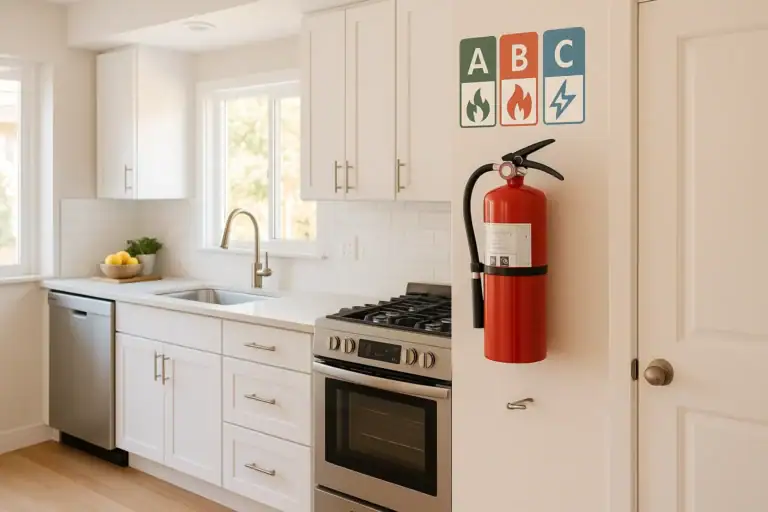
How to Choose a Fire Extinguisher for the Kitchen (Classes Explained)
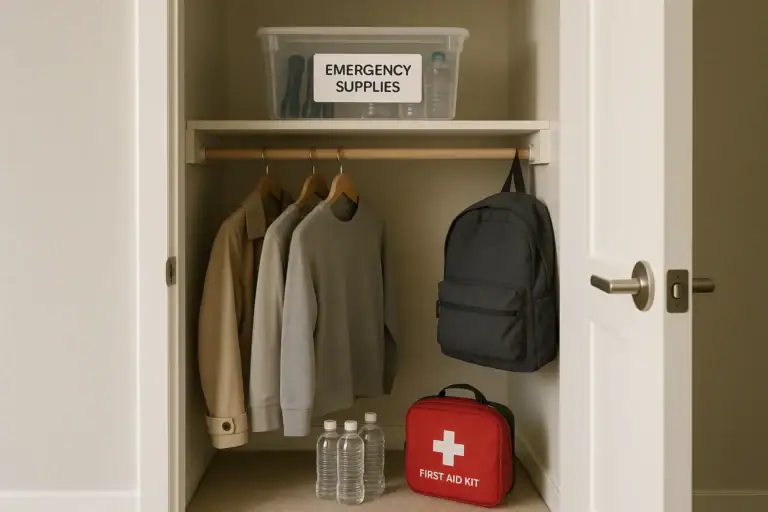
Emergency Kit for Apartments: Closet-Friendly Essentials for Small Spaces
Childproofing the Smart Home: Settings and Physical Safety Tips
Garage Door Safety: Sensors, Remotes, and Common Failure Fixes
How to Shut Off Water Quickly in an Emergency: A Simple Home Checklist
Keep reading
About this site
Signature Home Guide publishes practical, independent home guides. We aim to be clear, helpful, and transparent.
Affiliate disclosure
As an Amazon Associate, we earn from qualifying purchases. Some links on this site may be affiliate links. If you buy through these links, we may earn a small commission at no extra cost to you. This helps support our content. Learn more.