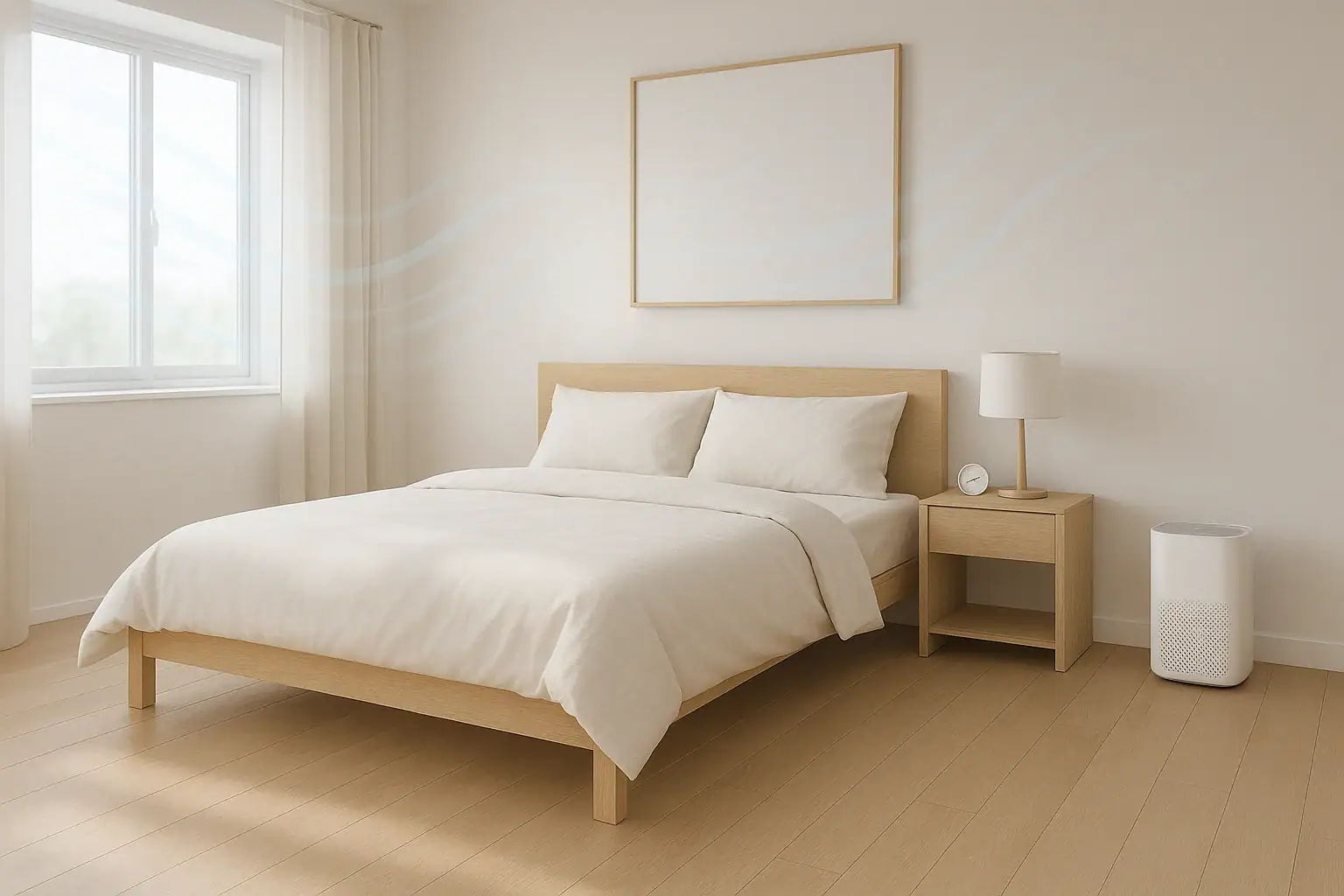
If you or someone in your home struggles with sneezing, itchy eyes, or congestion indoors, you may wonder how much fresh air your home really needs. One of the most useful ways to think about this is a concept called air changes per hour (ACH). ACH describes how many times in an hour the air in a room or home is replaced with cleaner or fresher air. Understanding ACH can help you improve indoor air quality, reduce allergy triggers, and make more informed choices about ventilation, filters, and air-cleaning strategies. This guide explains what ACH is, how it relates to allergies, and how many air changes per hour you actually need for a more comfortable, healthier home.
On this page(click to collapse)
- What Is Air Changes Per Hour (ACH)?
- Why ACH Matters for Allergies
- Recommended ACH Levels for Allergy Relief
- How to Estimate ACH in a Room
- ACH vs. CADR and MERV: How They Work Together
- How Many ACH Do You Need in Different Rooms?
- Ways to Increase ACH for Better Allergy Control
- Balancing ACH, Comfort, and Energy Use
- Practical Tips for Allergy-Friendly Air Changes
- When to Seek Professional Guidance
- Key Takeaways: ACH for Allergy Relief
- Related guides
What Is Air Changes Per Hour (ACH)?
Air changes per hour, often written as ACH, is a simple way to describe how quickly the air in a space is refreshed. A higher ACH means the air is being replaced more often, which usually leads to lower levels of dust, pollen, pet dander, and other airborne allergens.
ACH is calculated using this basic idea:
- Airflow rate (how much air your system moves, usually in cubic feet per minute, or CFM)
- Room or home volume (length × width × height, in cubic feet)
The result tells you how many times in one hour the total volume of air in that space is exchanged or filtered. While the math can look technical, the important point is that ACH gives you a way to compare how effective different ventilation or air-cleaning setups are.
Why ACH Matters for Allergies
Allergy symptoms indoors are often driven by particles that stay suspended in the air. These include:
- Pollen that enters through windows, doors, clothing, and pets
- Pet dander from cats, dogs, and other animals
- Dust and dust mite debris
- Mold spores from damp areas
- Smoke and fine particles from cooking or candles
When the air in your home is not exchanged or filtered often enough, these particles build up. A higher ACH helps in two main ways:
- Dilution: Bringing in cleaner air reduces the concentration of allergens in each breath.
- Removal: Passing air through filters or air cleaners captures particles and keeps them from circulating.
For people with allergies or asthma, increasing ACH can make a noticeable difference in day-to-day comfort, especially in bedrooms and living areas where you spend the most time.
Recommended ACH Levels for Allergy Relief
There is no single ACH number that works for every home, but there are useful ranges that can help guide your decisions. The right level depends on your sensitivity, the size and layout of your home, and how many sources of allergens you have indoors.
Typical ACH in a Standard Home
Many homes rely mostly on natural infiltration (small leaks and cracks) plus bathroom and kitchen exhaust fans. Without a dedicated ventilation system or air cleaner, the effective ACH in a typical home may be around:
- 0.2 to 0.5 ACH in many older or less sealed homes
- 0.1 to 0.3 ACH in newer, tighter homes with fewer air leaks
These levels may be acceptable for general comfort, but they are often not enough for people with moderate or severe allergies.
ACH Targets for Allergy-Friendly Spaces
For improved allergy control, many indoor air quality specialists suggest higher ACH levels, especially in bedrooms and main living spaces. Reasonable targets include:
- 2 to 4 ACH for general allergy relief in most rooms
- 4 to 6 ACH for people with significant allergies or asthma
- 6+ ACH in small, high-priority spaces such as a primary bedroom or nursery for sensitive individuals
These numbers assume that the air being supplied or recirculated is filtered or cleaned. Simply bringing in unfiltered outdoor air during high pollen seasons may not give the relief you want unless it is combined with effective filtration.
How to Estimate ACH in a Room
You do not need to be an engineer to get a rough idea of your current ACH. You can estimate it for a single room using the airflow of your air cleaner or supply vent.
Step 1: Measure Room Volume
First, find the volume of the room:
- Measure the length, width, and ceiling height in feet.
- Multiply them: Room volume = length × width × height.
Example: A bedroom that is 12 feet by 14 feet with an 8-foot ceiling has a volume of 12 × 14 × 8 = 1,344 cubic feet.
Step 2: Find the Airflow (CFM)
Next, find the airflow of the device or system serving that room. You may see this listed as CFM (cubic feet per minute). Sources can include:
- A portable air cleaner label or manual
- Specifications for a central system or supply vent (often estimated)
- A balanced ventilation system or heat recovery unit
If you do not have exact numbers, you can use manufacturer specifications for similar-sized units as a rough guide.
Step 3: Use the ACH Formula
Once you have room volume and CFM, use this formula:
ACH = (CFM × 60) ÷ room volume
Example: If you have a device that moves 150 CFM in a 1,344 cubic foot bedroom:
- 150 × 60 = 9,000 cubic feet per hour
- 9,000 ÷ 1,344 ≈ 6.7 ACH
In this example, the bedroom air is effectively being changed more than six times per hour, which is a strong level for allergy control.
ACH vs. CADR and MERV: How They Work Together
ACH is only one part of the allergy-control picture. Two other important terms you may see are CADR and MERV.
CADR (Clean Air Delivery Rate)
Clean Air Delivery Rate measures how quickly an air cleaner can reduce particles in a room. It combines both airflow and filter efficiency into a single number. A higher CADR means the device can provide more effective air cleaning for a given room size.
ACH tells you how many times the air is cycled, while CADR tells you how much clean air is actually delivered. For allergy relief, you want both:
- Enough ACH to cycle the room air frequently
- Sufficient CADR so that each pass through the device actually removes particles
MERV (Filter Efficiency Rating)
MERV stands for Minimum Efficiency Reporting Value. It describes how well a filter captures particles of different sizes. Higher MERV ratings generally mean better filtration, especially for smaller particles.
For allergy control, filters in the moderate to higher range are often recommended, especially for capturing:
- Pollen
- Dust mite debris
- Pet dander
- Fine particles that can irritate airways
ACH, CADR, and MERV work together. High ACH with a low-efficiency filter may not help much, because you are just moving dirty air around. Likewise, a very efficient filter with very low airflow may not change the air often enough to make a difference.
How Many ACH Do You Need in Different Rooms?
Not every room in your home needs the same level of air changes per hour. You can prioritize based on where allergy sufferers spend the most time and where allergens tend to build up.
Bedrooms
Because most people spend many hours sleeping in their bedrooms, this is often the top priority for allergy control. For bedrooms:
- Aim for 4 to 6 ACH for moderate allergies
- Consider 6+ ACH for severe allergies or asthma
Higher ACH in bedrooms can reduce overnight exposure to dust, dander, and pollen that settles on bedding and soft surfaces.
Living Rooms and Family Rooms
These spaces often host more activity, more people, and sometimes pets. For main living areas:
- Aim for at least 2 to 4 ACH
- Go higher if the space is open to kitchens or entryways where outdoor allergens enter
Because these rooms can be larger and more open, it may take more airflow or multiple devices to reach your target ACH.
Home Offices
If you work from home and spend many hours in a single room, treat it like a bedroom in terms of ACH goals. For home offices:
- Target 4 ACH or more, especially if you have allergy or asthma symptoms during the workday
Basements and Damp Areas
Basements can collect moisture and mold spores, which are common allergy triggers. For these areas:
- Focus on ventilation plus humidity control
- Aim for at least 3 to 5 ACH if the space is regularly occupied
Good air exchange, along with controlling moisture, helps limit mold growth and musty odors.
Ways to Increase ACH for Better Allergy Control
Once you know your approximate ACH and your target, you can explore options to increase air changes per hour in a practical way.
Improve Whole-Home Ventilation
Whole-home strategies help raise ACH throughout the house:
- Use existing exhaust fans: Run bathroom and kitchen fans during and after activities that create moisture or particles.
- Consider balanced ventilation: Systems that bring in fresh air and exhaust stale air can provide consistent ACH without relying on leaks and drafts.
- Check ductwork and vents: Ensure supply and return vents are open and unobstructed to support good air circulation.
Use Room Air Cleaners Strategically
Portable air cleaners can significantly increase effective ACH in high-priority rooms:
- Choose units sized appropriately for the room volume.
- Position them where air can circulate freely, not tucked behind furniture.
- Run them on higher settings when allergy symptoms are worse or when pollen counts are high.
By matching the airflow of a room air cleaner to your room size, you can reach 4 to 6 ACH or more in bedrooms and offices without major changes to your home.
Upgrade Filtration
Increasing ACH is most effective when combined with good filtration:
- Use higher-efficiency filters in your central system if it is designed to handle them.
- Change filters on schedule so they do not become clogged and reduce airflow.
- Consider filters designed to capture fine particles that trigger allergies.
Better filtration means that each air change removes more allergens, improving the overall impact of your ACH improvements.
Balancing ACH, Comfort, and Energy Use
While higher ACH can help with allergies, there are trade-offs to keep in mind. More air changes can affect comfort and energy use if not managed carefully.
- Temperature control: Bringing in a lot of outdoor air can increase heating and cooling loads, especially during very hot or cold weather.
- Humidity: Too much unconditioned outdoor air can raise indoor humidity in summer or dry the air in winter.
- Noise: Higher fan speeds or multiple devices can add background noise, especially in bedrooms.
The goal is to find a balance where you achieve enough ACH for allergy relief while maintaining reasonable comfort and energy use. Often, focusing on key rooms and using efficient filtration allows you to reach this balance without over-ventilating the entire home.
Practical Tips for Allergy-Friendly Air Changes
To make ACH improvements more effective and manageable, consider these practical steps:
- Prioritize sleeping areas: Start with bedrooms, where you spend the most continuous time.
- Seal obvious gaps: Reduce uncontrolled drafts while relying on intentional, filtered ventilation.
- Coordinate with cleaning: Run higher ACH during and after vacuuming, dusting, or changing bedding to capture disturbed particles.
- Monitor symptoms: Pay attention to how you feel as you adjust ACH levels, and fine-tune based on real-world results.
- Check outdoor conditions: During high pollen days, focus more on filtered recirculation rather than open windows.
When to Seek Professional Guidance
If allergies or asthma are significantly affecting daily life, or if you are planning major changes to your home’s ventilation, it can be helpful to consult a qualified professional. They can:
- Measure current airflow and estimate whole-home ACH
- Recommend appropriate filtration levels for your system
- Suggest ventilation strategies that balance air quality and energy use
In some cases, medical professionals may also recommend specific indoor air quality targets based on your health situation. Combining medical advice with thoughtful ACH planning can create a more comfortable, supportive environment for allergy sufferers.
Key Takeaways: ACH for Allergy Relief
Understanding how many air changes per hour you need for allergies helps you make smarter decisions about ventilation and filtration. While every home and person is different, these general points can guide you:
- Typical homes often operate below 1 ACH, which may not be ideal for allergy control.
- Aim for 2 to 4 ACH in general living spaces and 4 to 6+ ACH in bedrooms and high-priority rooms for better allergy relief.
- Combine higher ACH with effective filtration so that each air change actually removes allergens.
- Focus on the rooms where you spend the most time, and adjust based on your comfort and symptoms.
By paying attention to air changes per hour and making targeted improvements, you can create a home environment that is more comfortable, more breathable, and better suited to those with allergies.
Related posts
Browse this topic →
Smoke and Wildfire Season: Sealing, Filtration, and Safe Ventilation at Home
Why VOC Readings Spike After Cleaning (And What To Do About It)
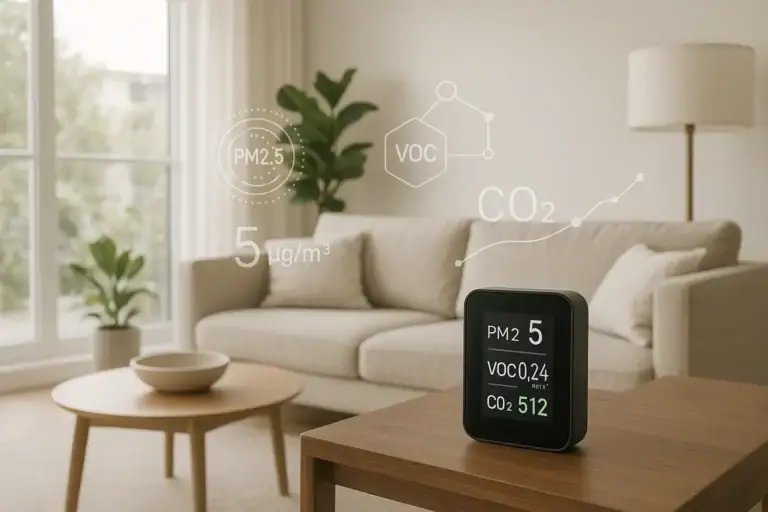
Air Quality Monitor Basics: PM2.5, VOC, CO2—What Numbers To Trust
CO2 Levels at Home: What’s Normal and How to Improve Ventilation
How to Use Exhaust Fans Correctly for Better Bathroom and Kitchen Airflow
Mold in the Bathroom: A Practical Humidity Control Checklist
Keep reading
About this site
Signature Home Guide publishes practical, independent home guides. We aim to be clear, helpful, and transparent.
Affiliate disclosure
As an Amazon Associate, we earn from qualifying purchases. Some links on this site may be affiliate links. If you buy through these links, we may earn a small commission at no extra cost to you. This helps support our content. Learn more.