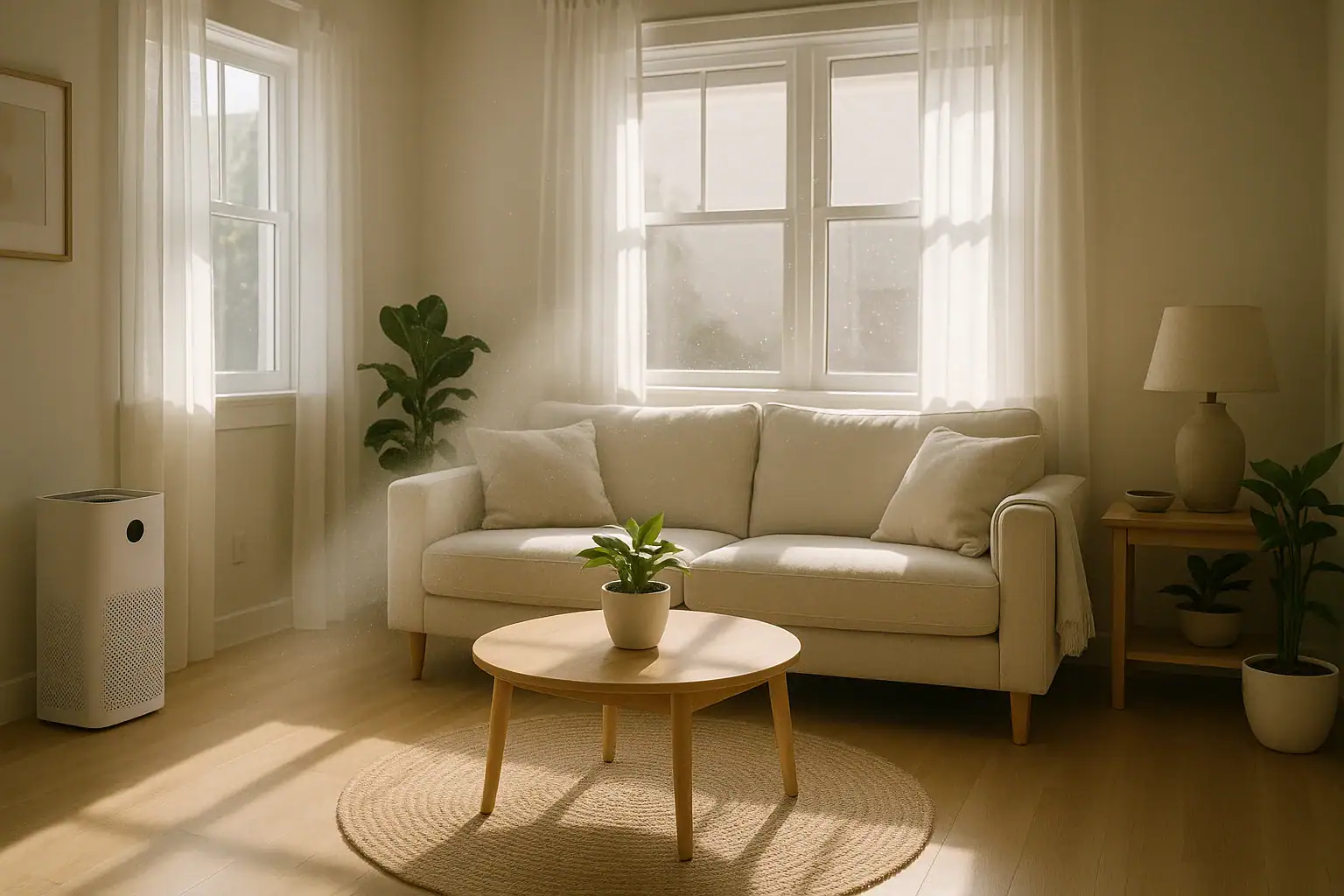
Fine particulate matter, also called PM2.5, is one of the most harmful indoor air pollutants. These particles are so small that they can travel deep into your lungs and even enter your bloodstream. Many people rely on opening windows to clear the air, but that is not always possible or safe. Maybe you live near a busy road, deal with seasonal smoke, or simply face extreme outdoor temperatures. In those cases, you need strategies that work with the windows closed. This guide walks through practical, science‑based steps to lower indoor PM2.5, protect your health, and keep your home comfortable without depending on outdoor air.
On this page(click to collapse)
- What Is PM2.5 and Why It Matters Indoors
- Step 1: Cut PM2.5 at the Source
- Step 2: Filter the Air Effectively
- Step 3: Improve Cleaning Habits to Capture Particles
- Step 4: Seal and Control Air Leaks
- Step 5: Control Indoor Humidity and Temperature
- Step 6: Create a Low‑PM2.5 Safe Room
- Step 7: Monitor and Adjust Over Time
- Putting It All Together
- Related guides
What Is PM2.5 and Why It Matters Indoors
PM2.5 stands for particulate matter that is 2.5 micrometers in diameter or smaller. To put that in perspective, these particles are about 30 times smaller than the width of a human hair. Because they are so tiny, they stay suspended in the air for long periods and are easy to breathe in without noticing.
Common indoor sources of PM2.5 include:
- Cooking, especially frying, broiling, and high‑heat searing
- Candles, incense, and wax warmers that burn or smolder
- Smoking or vaping inside the home
- Fireplaces, wood stoves, and space heaters that burn fuel
- Dust from carpets, upholstery, and cluttered surfaces
- Outdoor pollution that leaks in through cracks and doors
Exposure to elevated PM2.5 levels has been linked to breathing issues, heart problems, and worsened symptoms for people with asthma or allergies. Children, older adults, and anyone with chronic health conditions are especially vulnerable. Reducing PM2.5 indoors is one of the most effective ways to create a healthier home environment.
Step 1: Cut PM2.5 at the Source
The most powerful way to lower indoor PM2.5 is to prevent it from forming in the first place. With the windows closed, particles have fewer escape routes, so source control becomes even more important.
Adjust Your Cooking Habits
Cooking is often the single largest source of indoor PM2.5. Simple changes in how you cook can dramatically reduce particle levels.
- Use lower and slower heat when possible. High‑heat frying, searing, and broiling release more fine particles than simmering, boiling, or baking.
- Keep lids on pots and pans. Lids trap steam, grease, and particles so less escapes into the air.
- Choose moist cooking methods. Steaming, stewing, and pressure cooking tend to produce fewer particles than dry, high‑heat methods.
- Toast and broil in moderation. These settings can spike PM2.5. Use them briefly and avoid charring food.
Use Ventilation Tools You Already Have
Even if you cannot open windows, you can still move polluted air away from where you breathe.
- Run the kitchen exhaust fan every time you cook. Let it run for at least 10–20 minutes after you finish. If it vents outside, it can remove a significant portion of cooking particles.
- Use bathroom fans during and after showers. These can help move humid, particle‑laden air out of the space, especially if they vent outdoors.
- Close doors to bedrooms while cooking. This limits how much PM2.5 spreads into sleeping areas.
Eliminate Burning Indoors
Anything that burns or smolders indoors is a major PM2.5 source.
- Avoid burning candles and incense, especially in small or poorly ventilated rooms.
- Do not smoke or vape inside. Even occasional indoor smoking can keep baseline PM2.5 levels high.
- Use fuel‑burning heaters and fireplaces carefully, following safety instructions and ensuring they are properly vented.
Step 2: Filter the Air Effectively
Once you reduce sources, the next step is to remove particles that are already in the air. With windows closed, filtration becomes your main tool for cleaning indoor air.
Upgrade Your Central HVAC Filter
If your home has a central heating and cooling system, the filter in that system can be a powerful ally against PM2.5.
- Choose a filter with a higher MERV rating. Look for a rating that captures fine particles while still being compatible with your system. Higher MERV filters can trap more PM2.5.
- Change filters on schedule. A clogged filter cannot catch particles effectively and can strain your equipment. Follow the recommended replacement interval, or change more often if you have pets or live in a dusty area.
- Run the fan more often. Setting the fan to “on” or using a circulation mode helps air pass through the filter more frequently, removing more particles over time.
Use Portable Air Cleaners Strategically
Portable air cleaners can significantly reduce PM2.5 in specific rooms, especially when windows must stay closed.
- Match the unit to the room size. Check the recommended square footage and clean air delivery rate to be sure it can handle the space.
- Place it where you spend the most time. Bedrooms and living rooms are usually the best targets for air cleaning.
- Run it on a higher setting during pollution events. When cooking, cleaning, or dealing with outdoor smoke, run the cleaner on a stronger setting for a few hours.
- Keep doors mostly closed. This helps the cleaner focus on a defined space and reach lower particle levels.
Consider DIY Filter and Fan Setups
Some people use a box fan combined with a high‑efficiency filter as a budget‑friendly air cleaner. If you choose this route:
- Use a filter rated to capture fine particles.
- Secure the filter tightly to the intake side of the fan so air is pulled through the filter.
- Operate the fan safely, away from children, pets, and moisture.
Step 3: Improve Cleaning Habits to Capture Particles
Particles do not just float in the air; they settle on floors, furniture, and fabrics. When disturbed, they can become airborne again. Thoughtful cleaning habits can capture PM2.5 and keep it from recirculating.
Vacuum Floors and Soft Surfaces the Right Way
Vacuuming can either help or hurt air quality, depending on your approach.
- Use a vacuum with strong filtration. A unit that traps fine dust instead of blowing it back into the room is ideal.
- Vacuum slowly and methodically. Quick passes leave more dust behind. Move the vacuum slowly to let it pick up particles from carpets and rugs.
- Focus on high‑traffic areas. Hallways, entryways, and living spaces tend to collect the most dust and particles.
- Empty or replace bags carefully. Do this outside or in a well‑ventilated area if possible, and avoid shaking dust back into the air.
Dust with Damp Methods
Dry dusting tends to push particles into the air. Instead:
- Use a slightly damp cloth or microfiber duster that grabs dust instead of spreading it.
- Work from top to bottom so any falling dust can be captured when you clean lower surfaces and floors.
- Pay attention to shelves, blinds, ceiling fan blades, and electronics, which often collect fine dust.
Manage Fabrics and Bedding
Fabrics can trap fine particles and release them when disturbed.
- Wash bedding regularly in warm water to remove dust, skin flakes, and particles.
- Shake out rugs and washable mats outdoors when possible, away from doors and windows.
- Limit heavy fabric decor in bedrooms if you are sensitive to particles, and choose washable materials where you can.
Step 4: Seal and Control Air Leaks
Even when windows are closed, outdoor PM2.5 can still sneak in through small gaps and cracks. Sealing these leaks helps keep outdoor pollution out and makes your filtration efforts more effective.
Find Common Leak Points
Look for areas where you feel drafts or see light around openings.
- Gaps around exterior doors and frames
- Cracks around window frames, even if the windows stay closed
- Openings where pipes, cables, or vents pass through walls
- Attic hatches or pull‑down stairs
Seal and Weatherize
Once you identify leaks, use simple materials to close them up.
- Apply weatherstripping around doors to reduce gaps.
- Use caulk to seal cracks around window frames and trim.
- Add door sweeps to block gaps at the bottom of exterior doors.
- Seal around utility penetrations with appropriate sealants or gaskets.
These steps not only reduce PM2.5 infiltration but can also improve comfort and lower energy bills.
Step 5: Control Indoor Humidity and Temperature
Humidity and temperature do not directly create PM2.5, but they influence how particles behave and how comfortable you feel at a given pollution level.
Keep Humidity in a Comfortable Range
A moderate indoor humidity level can help reduce dust and make the air feel more pleasant.
- Aim for an indoor relative humidity between about 30 and 50 percent.
- Use exhaust fans when showering or cooking to remove moisture.
- Use a dehumidifier in damp areas like basements if humidity tends to run high.
- Fix leaks and address standing water promptly to prevent mold and musty odors.
Use Your HVAC System Wisely
With windows closed, your heating and cooling system becomes the main way to move and condition indoor air.
- Use the “circulate” or “fan only” setting at times to move air through filters without major temperature changes.
- Avoid blocking supply and return vents with furniture or curtains.
- Keep interior doors mostly open when you want even circulation, and close them when you want to isolate a cleaner room with its own air cleaner.
Step 6: Create a Low‑PM2.5 Safe Room
When outdoor air quality is especially poor, such as during regional smoke events or heavy traffic days, it helps to have at least one room in your home where PM2.5 is kept as low as possible.
Choose the Right Room
Most people choose a bedroom or a family room where they spend many hours. Ideal features include:
- No fireplace or fuel‑burning appliance
- Doors that close fully
- Minimal exterior walls or windows, if possible
Set Up the Space
Once you pick a room, focus your best air‑quality strategies there.
- Run a high‑efficiency air cleaner sized for the room.
- Seal gaps around windows and doors as well as you can.
- Avoid burning candles or using strong cleaners or sprays in that room.
- Keep clutter down so dust has fewer places to settle.
Spending more time in this room during high‑pollution periods can significantly reduce your overall exposure to PM2.5.
Step 7: Monitor and Adjust Over Time
Indoor air quality is not static. It changes with your habits, the season, and outdoor conditions. Paying attention to patterns helps you fine‑tune your approach.
Notice Everyday Clues
You do not need special equipment to spot some air quality issues.
- Watch for visible haze or lingering cooking smoke.
- Notice if strong odors hang in the air long after cooking or cleaning.
- Pay attention to coughing, irritation, or headaches that seem to line up with certain activities.
Consider Simple Air Quality Tools
If you want more data, you can use basic indoor air quality monitors that estimate PM2.5 levels. While they are not perfect, they can help you see how cooking, cleaning, or running air cleaners affects your air.
Use what you learn to:
- Adjust cooking methods or timing
- Run air cleaners longer after particle‑producing activities
- Decide when to seal leaks more carefully or change filters
Putting It All Together
Reducing indoor PM2.5 without opening windows is absolutely possible when you combine several strategies. Start by cutting down on major sources like high‑heat cooking, burning candles, and indoor smoking. Strengthen your filtration by upgrading HVAC filters and using portable air cleaners in key rooms. Clean in ways that capture dust instead of stirring it up, and seal leaks that let outdoor particles seep in. Manage humidity and temperature for comfort, and create at least one room where you focus your best efforts.
You do not need to do everything at once. Choose one or two changes that feel manageable, then build from there. Over time, these steps can significantly lower indoor PM2.5, support better breathing, and make your home a healthier, more comfortable place to live, even when the windows stay firmly shut.
Related posts
Browse this topic →
Smoke and Wildfire Season: Sealing, Filtration, and Safe Ventilation at Home
Why VOC Readings Spike After Cleaning (And What To Do About It)
Air Quality Monitor Basics: PM2.5, VOC, CO2—What Numbers To Trust
CO2 Levels at Home: What’s Normal and How to Improve Ventilation
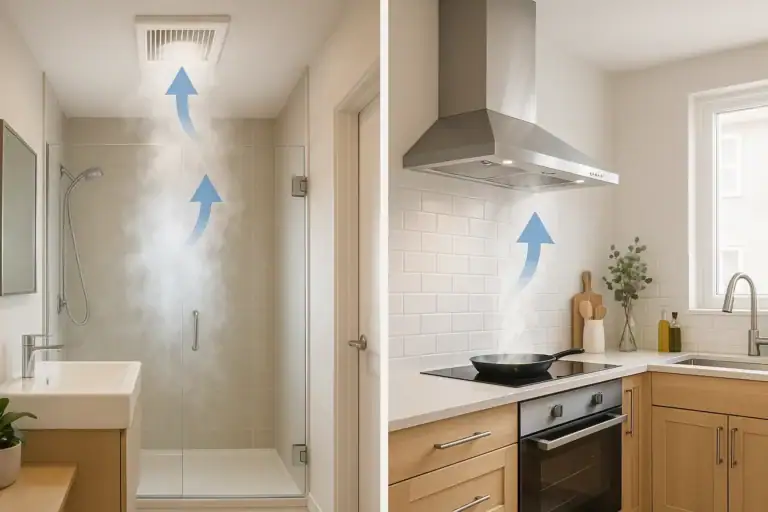
How to Use Exhaust Fans Correctly for Better Bathroom and Kitchen Airflow
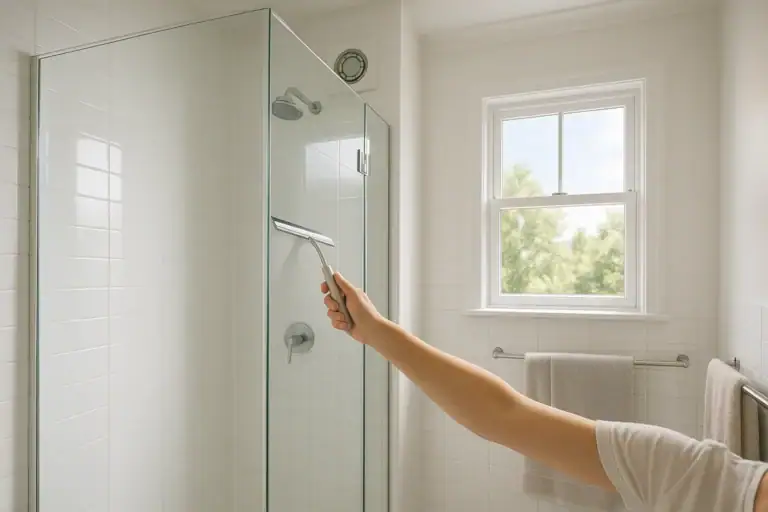
Mold in the Bathroom: A Practical Humidity Control Checklist
Keep reading
About this site
Signature Home Guide publishes practical, independent home guides. We aim to be clear, helpful, and transparent.
Affiliate disclosure
As an Amazon Associate, we earn from qualifying purchases. Some links on this site may be affiliate links. If you buy through these links, we may earn a small commission at no extra cost to you. This helps support our content. Learn more.