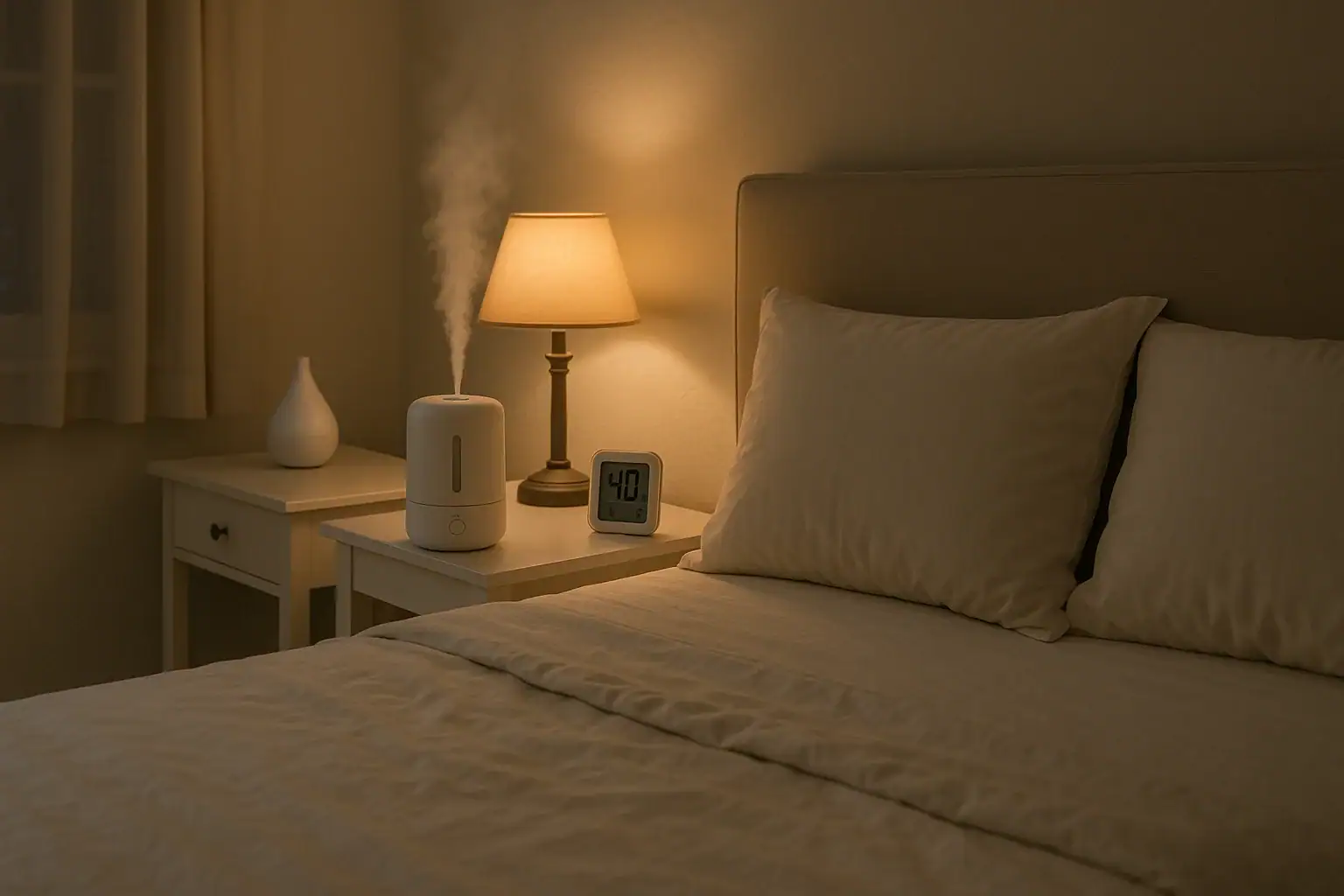
Dry indoor air can lead to scratchy throats, irritated sinuses, and restless sleep. At the same time, many people enjoy calming scents to unwind at night. That is why humidifiers and diffusers have become common in bedrooms and living spaces. But when it comes to sleeping with one of these devices on all night, safety and comfort become the top priorities. Understanding the differences between a humidifier and a diffuser helps you decide what is best for your home and how to use each option wisely.
On this page(click to collapse)
- Humidifier vs Diffuser: Key Differences
- Is It Safe to Run a Humidifier Overnight?
- Is It Safe to Run a Diffuser Overnight?
- Which Is Safer Overnight: Humidifier or Diffuser?
- How to Set Up a Humidifier Safely for Overnight Use
- How to Use a Diffuser More Safely at Night
- Choosing the Right Device for Your Home
- Final Thoughts: Creating a Comfortable, Safe Sleep Environment
- Related guides
This guide explains how humidifiers and diffusers work, the benefits and risks of running them overnight, and how to choose the right device for your needs. You will also find practical safety tips, ideal placement suggestions, and maintenance habits to keep your air comfortable and your household safe.
Humidifier vs Diffuser: Key Differences
Although humidifiers and diffusers can look similar, they are designed for different purposes. Knowing what each device actually does is the first step in deciding which one to use at night.
What a Humidifier Does
A humidifier adds moisture to the air. It is mainly used to increase indoor humidity levels when the air is dry, especially during winter or in air-conditioned spaces.
Common benefits of a humidifier include:
- Helping relieve dry throat, nose, and sinuses
- Reducing static electricity in the home
- Supporting more comfortable breathing for some people
- Helping keep skin and lips from drying out
Humidifiers are typically designed to run for many hours at a time and often include larger water tanks and adjustable mist output.
What a Diffuser Does
A diffuser is primarily used to disperse scented liquids into the air. Many people use them to create a relaxing atmosphere or to freshen the air in a room. Some models use water and a small amount of scented liquid, while others use only the liquid without water.
Common reasons people use diffusers include:
- Adding a light, pleasant scent to a room
- Creating a calming environment before bed
- Masking household odors
Diffusers are usually smaller than humidifiers and may be designed for shorter run times, such as one to six hours, depending on the model and settings.
Summary of Main Differences
- Primary purpose: Humidifier adds moisture; diffuser adds scent.
- Effect on humidity: Humidifier can significantly raise humidity; diffuser usually has a minimal effect on humidity.
- Tank size: Humidifiers typically have larger tanks; diffusers are usually small.
- Run time: Humidifiers are often built for longer, continuous use; diffusers may be designed for shorter sessions or intermittent mist.
Is It Safe to Run a Humidifier Overnight?
Many households use humidifiers at night, especially during dry seasons. In general, a well-maintained humidifier used correctly can be safe to run overnight. However, there are important guidelines to follow to avoid problems.
Potential Benefits of Overnight Humidifier Use
Running a humidifier overnight can be helpful in several ways:
- Maintains more comfortable humidity levels while you sleep
- May ease feelings of dryness in the nose, throat, and skin
- Can help reduce nighttime coughing that is worsened by dry air
- May support more comfortable breathing for some people with congestion from dry environments
Risks of Using a Humidifier All Night
Humidifiers are not risk-free, especially if they are not cleaned or used properly. Possible concerns include:
- Excess humidity: Very high humidity can encourage mold growth on walls, windows, and soft furnishings.
- Mineral dust: Using hard tap water in some types of humidifiers can release fine mineral particles into the air.
- Microbial growth: A dirty tank or filter can allow microorganisms to grow in standing water.
- Condensation: Mist directed at walls or windows can lead to condensation and moisture damage over time.
Safe Overnight Humidifier Tips
To use a humidifier more safely while you sleep, keep these practices in mind:
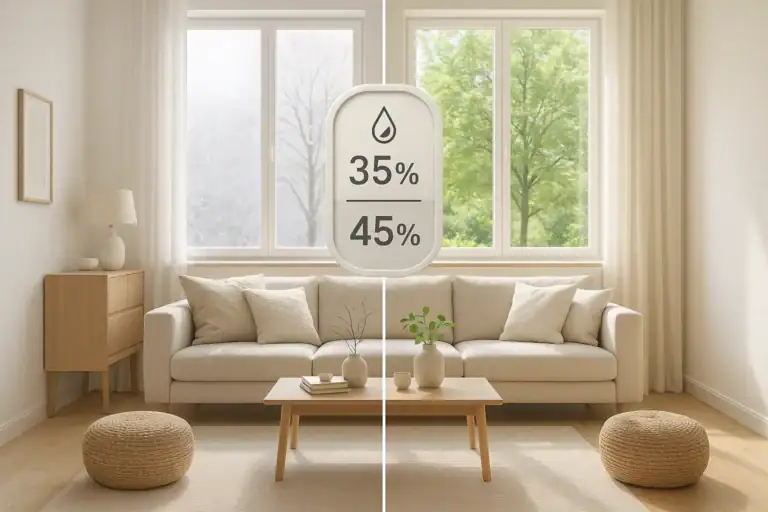
- Keep indoor humidity between about 30% and 50% using a simple humidity gauge.
- Place the humidifier on a flat, stable surface at least a few feet from the bed.
- Point the mist away from walls, windows, and electronics.
- Use clean, fresh water each day and empty the tank between uses when possible.
- Follow the manufacturer’s cleaning schedule, often every few days to weekly.
- Do not add scented liquids or oils to a humidifier unless the device specifically allows it.
- Keep cords out of walkways and away from where children or pets can tug on them.
Is It Safe to Run a Diffuser Overnight?
Diffusers are often marketed for relaxation and sleep, so it is natural to wonder if leaving one on all night is a good idea. Safety depends on the type of diffuser, the ingredients you use, and who is in the room.
Potential Benefits of a Diffuser at Night
Some people enjoy using a diffuser in the evening for:
- Creating a calming, spa-like atmosphere before bed
- Adding a gentle scent to the bedroom
- Supporting bedtime routines that signal it is time to wind down
Risks of Running a Diffuser All Night
Unlike humidifiers, diffusers introduce scented substances into the air. Potential concerns include:
- Overexposure to scent: Strong or continuous scent may cause headaches, throat irritation, or nausea in some people.
- Sensitivity and allergies: Individuals with asthma, allergies, or fragrance sensitivities may react to airborne scents.
- Pets and children: Some scents may not be appropriate around pets or very young children. Always check with a qualified professional if you have concerns.
- Ventilation: Running a diffuser in a small, closed room for many hours can lead to higher concentration of airborne fragrance.
Safer Ways to Use a Diffuser Around Bedtime
If you choose to use a diffuser in the evening, consider these approaches:
- Run the diffuser for 30 to 60 minutes before bed, then turn it off for the night.
- Use intermittent mist settings rather than continuous output, if available.
- Start with a small amount of scented liquid and adjust only if needed.
- Make sure the room has at least some airflow, such as a slightly open door.
- Turn off the diffuser if anyone in the room experiences irritation or discomfort.
- Check with a pediatric or veterinary professional before using strong scents around babies, children, or pets.
For many households, using a diffuser for a limited time in the evening is a more cautious choice than leaving it on all night.
Which Is Safer Overnight: Humidifier or Diffuser?
When used correctly, both devices can have a place in a nighttime routine, but they carry different types of risks. In many cases, a well-maintained humidifier used within recommended humidity levels is considered a more practical option for overnight use than a diffuser that runs continuously with fragrance.
When a Humidifier May Be the Better Overnight Choice
A humidifier is often the better overnight option if:
- Your main concern is dry air, not scent.
- Someone in the household experiences dryness-related discomfort at night.
- You can monitor humidity and keep it in a moderate range.
- You are prepared to clean and maintain the unit regularly.
When a Diffuser May Be Less Ideal Overnight
A diffuser may be less suitable for all-night use if:
- Anyone in the home has asthma, allergies, or fragrance sensitivity.
- Pets sleep in the same room and may be affected by strong scents.
- The room is small and not well ventilated.
- You are unsure how your body reacts to long-term exposure to a particular scent.
Balanced Approach: Use Each Device for Its Strengths
You do not necessarily have to choose one device forever. Many people decide to:
- Use a humidifier overnight to manage dry air and support comfort.
- Use a diffuser briefly in the early evening to create a relaxing environment.
- Turn off the diffuser before sleep while leaving the humidifier running at a low setting.
This approach allows you to enjoy both moisture and a pleasant atmosphere while limiting the potential downsides of continuous fragrance exposure.
How to Set Up a Humidifier Safely for Overnight Use
Correct setup and placement can make a big difference in both safety and comfort when running a humidifier at night.
Choose the Right Location
- Place the unit on a flat, water-resistant surface such as a nightstand or small table.
- Keep it several feet away from the bed to avoid direct mist on bedding and pillows.
- Position it away from walls, windows, and wooden furniture to reduce moisture buildup.
- Ensure the cord is not stretched across walkways where someone could trip.
Set the Right Humidity Level
Indoor humidity that is too low can be uncomfortable, but humidity that is too high can encourage mold and dust mites. A moderate range is usually best.
- Use a simple digital humidity gauge to monitor levels in your bedroom.
- Aim for roughly 30% to 50% relative humidity, depending on your climate and comfort.
- If you see condensation on windows or walls, lower the mist output or shorten run time.
Follow a Regular Cleaning Routine
Good maintenance is essential for safe overnight humidifier use.
- Empty and rinse the water tank daily, if possible.
- Allow the tank to dry when not in use to reduce standing water.
- Follow the manufacturer’s instructions for deeper cleaning, often weekly.
- Replace filters or cartridges on the recommended schedule.
- Use clean water and avoid adding any unapproved substances to the tank.
How to Use a Diffuser More Safely at Night
If you enjoy using a diffuser as part of your nighttime routine, you can take several steps to use it more cautiously.
Limit Run Time
- Use a timer or built-in auto shutoff to limit operation to a set period.
- Consider running the diffuser only before bed rather than all night.
- Use intermittent settings that cycle on and off instead of a constant stream.
Be Mindful of Who Is in the Room
- Pay attention to how you feel when the diffuser is running; discontinue use if you notice headaches, coughing, or irritation.
- Use extra caution around babies, children, older adults, and pets.
- Consult a qualified health or veterinary professional if you have questions about using strong scents around vulnerable family members or animals.
Keep the Room Ventilated
- Avoid running a diffuser for long periods in a small, completely closed room.
- Keep a door slightly open or allow some airflow so the scent does not become overwhelming.
Choosing the Right Device for Your Home
Your decision between a humidifier and a diffuser for overnight use should be based on your main goals and your household’s sensitivities.
Questions to Help You Decide
- Is your primary concern dry air or creating a scented environment?
- Does anyone in your home have asthma, allergies, or fragrance sensitivity?
- Do pets or young children sleep in the same room where you plan to use the device?
- Are you willing to clean and maintain a humidifier regularly?
- Do you already notice condensation or dampness in your home?
Simple Guidelines
- If dry air is your main issue, a humidifier used carefully overnight is often the better solution.
- If you mainly want a relaxing scent, consider using a diffuser for a short time in the evening rather than all night.
- In some homes, using both at different times of day works well: humidifier for comfort, diffuser for ambiance.
Final Thoughts: Creating a Comfortable, Safe Sleep Environment
Humidifiers and diffusers can both play a role in making your home feel more comfortable, but they serve different purposes. A humidifier is designed to add moisture to the air and, when maintained and monitored properly, can be a practical option for overnight use. A diffuser is best treated as a tool for short-term scent and relaxation, used thoughtfully and with awareness of sensitivities in your household.
By understanding how each device works and following basic safety and maintenance steps, you can enjoy a more comfortable sleep environment while protecting your home and your health. Focus on moderate humidity, clean equipment, and reasonable run times, and choose the approach that best fits your needs and your family’s comfort.
Related posts
Browse this topic →
Smoke and Wildfire Season: Sealing, Filtration, and Safe Ventilation at Home

Why VOC Readings Spike After Cleaning (And What To Do About It)

Air Quality Monitor Basics: PM2.5, VOC, CO2—What Numbers To Trust

CO2 Levels at Home: What’s Normal and How to Improve Ventilation
How to Use Exhaust Fans Correctly for Better Bathroom and Kitchen Airflow
Mold in the Bathroom: A Practical Humidity Control Checklist
Keep reading
About this site
Signature Home Guide publishes practical, independent home guides. We aim to be clear, helpful, and transparent.
Affiliate disclosure
As an Amazon Associate, we earn from qualifying purchases. Some links on this site may be affiliate links. If you buy through these links, we may earn a small commission at no extra cost to you. This helps support our content. Learn more.