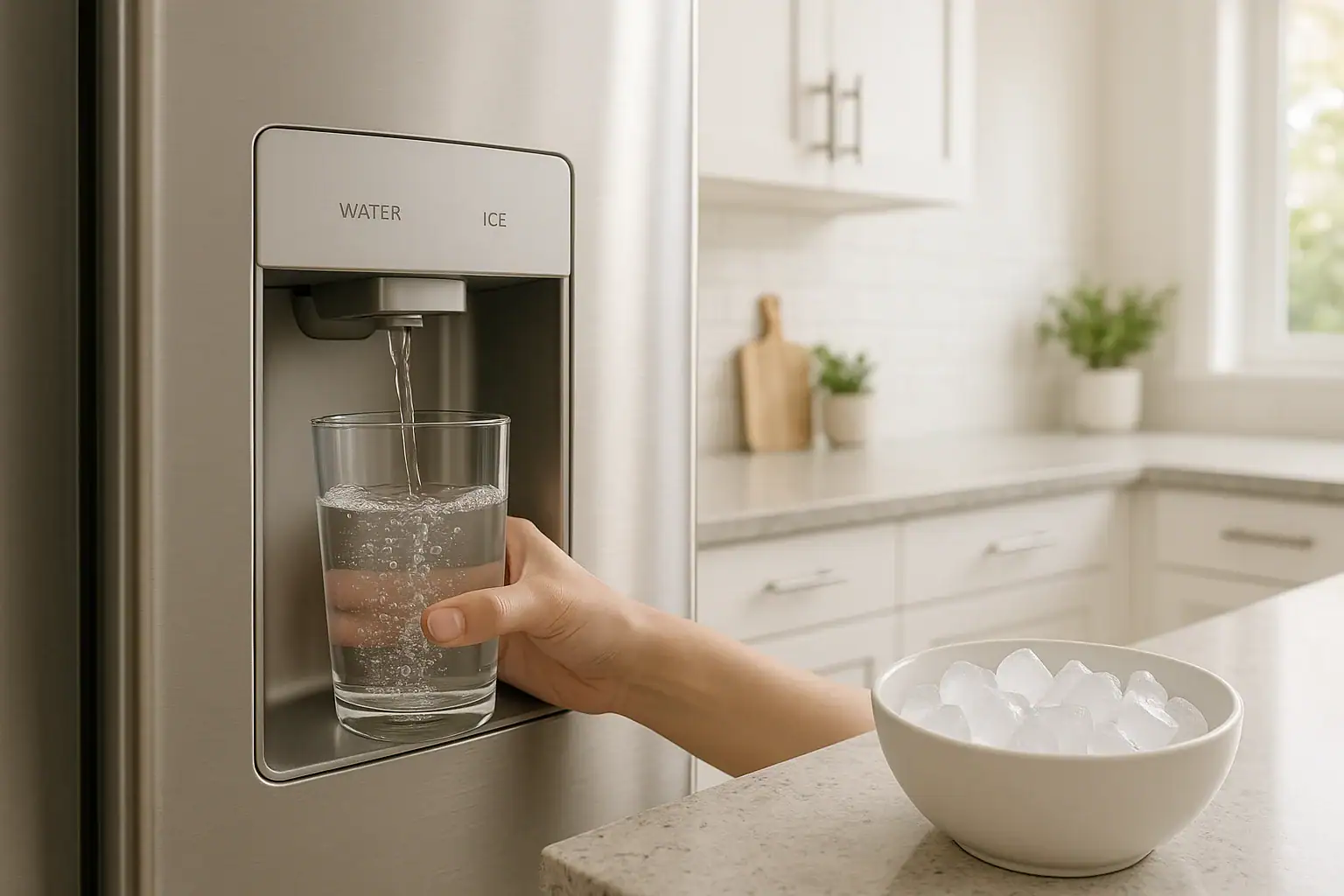
Clean, great-tasting water and ice start with a properly maintained filter. Inside your refrigerator and ice maker, the water filter quietly removes sediment, chlorine, and other impurities before they reach your glass. Over time, that filter fills up, clogs, and becomes less effective. Knowing when to replace it and how to spot the warning signs can protect your family’s health, improve taste, and extend the life of your appliance.
On this page(click to collapse)
- How Ice Maker and Refrigerator Filters Work
- Why Timely Filter Replacement Matters
- How Often to Replace Ice Maker and Refrigerator Filters
- Clear Signs It’s Time to Replace Your Filter
- How to Choose the Right Replacement Filter
- Step-by-Step: Replacing Your Refrigerator Water Filter
- Maintenance Tips to Keep Water and Ice Fresh
- Frequently Asked Questions About Refrigerator Filters
- Bringing It All Together
- Related guides
This guide explains how ice maker and refrigerator filters work, typical replacement schedules, and the most common signs your filter is overdue. You will also learn how to choose the right replacement filter, basic installation steps, and simple habits to keep your kitchen water clean and refreshing all year long.
How Ice Maker and Refrigerator Filters Work
Most modern refrigerators and built-in ice makers include a water filtration system. While designs vary, they usually rely on a combination of mechanical filtration and activated carbon to improve water quality.
Main stages of filtration
- Mechanical screening: A fine mesh or porous material traps larger particles such as sand, rust, and sediment.
- Activated carbon: Porous carbon media adsorbs chlorine, some organic compounds, and certain odors that affect taste and smell.
- Additional media (in some filters): Some filters include extra layers to reduce specific contaminants like lead or certain chemicals, depending on the design and certification.
As water passes through these layers, the filter gradually becomes saturated with particles and contaminants. Once the media is loaded, it can no longer perform effectively, which is why regular replacement is essential.
Why Timely Filter Replacement Matters
Putting off filter replacement may seem harmless, but it can have noticeable effects on water quality, appliance performance, and even long-term costs.
Benefits of changing filters on schedule
- Better taste and odor: Fresh filters do a better job of reducing chlorine and other compounds that cause unpleasant flavors and smells.
- More consistent water flow: A new filter allows water to move freely, so your dispenser and ice maker work as designed.
- Cleaner ice: Filtered water helps reduce cloudy cubes, strange odors, and off-flavors in your ice.
- Less strain on components: When water flows easily, your refrigerator’s valves and pumps do not have to work as hard.
- Peace of mind: Regular replacement helps ensure your water is filtered as intended, based on the filter’s certifications and design.
How Often to Replace Ice Maker and Refrigerator Filters
There is no single replacement schedule that fits every household, but there are widely accepted guidelines you can use as a starting point.
General replacement timelines
- Standard refrigerator water filters: Every 6 months
- Heavy-use households (large families or frequent guests): Every 3–4 months
- Light-use households (1–2 people, low ice use): Every 6–12 months, depending on water quality
- Homes with poor water quality or older plumbing: Often closer to every 3–4 months
Many refrigerators track filter life based on time or water volume and display a reminder light on the control panel. Treat this as a helpful guide, not an absolute rule. If you notice warning signs earlier, replace the filter even if the indicator has not changed yet.
Factors that affect filter lifespan
- Water quality: High sediment, hardness, or chlorine levels can clog or exhaust the filter media faster.
- Water usage: The more water and ice your household uses, the faster the filter reaches its capacity.
- Filter size and design: Larger or more advanced filters may last longer, while compact filters may need more frequent changes.
- Local plumbing conditions: Older pipes or frequent municipal work can introduce extra particles that shorten filter life.
Clear Signs It’s Time to Replace Your Filter
Even if you lose track of the calendar, your refrigerator and ice maker usually give you clues that the filter is past its prime. Paying attention to these signs helps you stay ahead of problems.
1. Change indicator light is on or flashing
Most modern units have a filter status light that changes color or begins to blink when it is time for a replacement. While this is not a precise measurement of water quality, it is a reliable reminder that the filter has reached its estimated lifespan.
2. Water tastes or smells different
A sudden or gradual change in taste is one of the most obvious warning signs. You might notice:
- Stronger chlorine or chemical flavor
- Musty or earthy notes
- Metallic or bitter aftertaste
If the water from your refrigerator starts to resemble unfiltered tap water, the filter is likely no longer doing its job effectively.
3. Ice has an odd taste, smell, or appearance
Because ice absorbs odors easily, a tired filter often shows up in your ice bin before you notice it in your glass of water. Watch for:
- Ice cubes that smell like your refrigerator or freezer
- Cloudy cubes that look murkier than usual
- Ice that makes drinks taste flat or slightly off
4. Slower water flow from the dispenser
If your dispenser used to fill a glass quickly but now trickles or takes much longer, the filter may be clogged with sediment and particles. Before assuming the filter is the only issue, also check:
- The household water pressure
- The supply valve behind the refrigerator
- Any visible kinks in the water line
If those look fine, replacing the filter is a smart next step.
5. Reduced ice production
Ice makers rely on a steady, adequate flow of water. A clogged filter can restrict flow enough to cause:
- Smaller ice cubes
- Longer time to refill the ice bin
- Occasional failure to harvest a full batch of ice
If your freezer is not as full of ice as it used to be, a worn-out filter may be the reason.
6. Visible particles or cloudiness in water
Refrigerator water should be clear. If you notice floating particles, sediment at the bottom of your glass, or persistent cloudiness that does not disappear after a few seconds, the filter could be overloaded or damaged.
7. It has been more than a year since the last change
If you cannot remember the last time you replaced the filter, it is almost certainly overdue. Marking the installation date on the filter itself or on a note inside the fridge can help you stay on schedule next time.
How to Choose the Right Replacement Filter
Using the correct filter is important for both performance and safety. An incompatible filter may not seal properly, could leak, or might not filter as advertised.
Steps to identify the correct filter
- Check your refrigerator’s manual: Look for the filter part number or recommended filter type in the water and ice section.
- Look at the existing filter: Most filters have a model or part number printed on the side; write it down before disposal.
- Match the connection style: Confirm whether your filter is a twist-in, push-in, or in-line style so the replacement fits correctly.
- Review certifications: Look for independent testing and certification details that match the contaminants you are concerned about.
- Consider your water source: If you use well water or have specific contaminants in your area, choose a filter designed to address those needs.
When possible, select filters that clearly state their performance claims, including which contaminants they are designed to reduce and the approximate capacity in gallons.
Step-by-Step: Replacing Your Refrigerator Water Filter
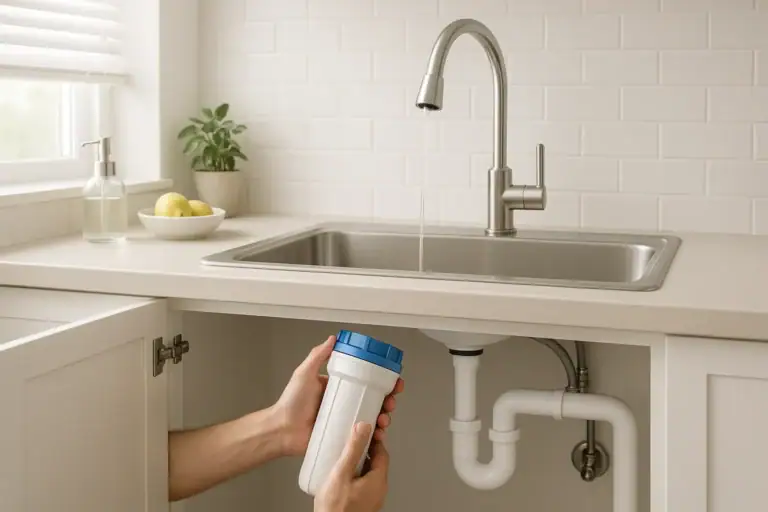
Exact steps vary by model, but most household refrigerator and ice maker filters can be replaced in just a few minutes. Always follow your appliance’s instructions first, but the general process looks like this.
1. Locate the filter
Common filter locations include:
- Inside the refrigerator, near the top right or top center
- In the grille at the bottom front of the refrigerator
- On the back of the unit, connected to the water line (in-line filters)
2. Prepare for replacement
- Gather a towel in case of drips.
- Have the new filter unboxed and ready.
- Wash your hands or wear clean gloves to avoid contaminating the filter connections.
3. Remove the old filter
Depending on the design, you may need to:
- Twist-in style: Turn the filter a quarter or half turn counterclockwise and pull it straight out.
- Push-in style: Press the release button or open the cover, then pull the filter out.
- In-line style: Turn off the water supply, disconnect the tubing from each end, and remove the filter.
4. Install the new filter
- Remove any protective caps or seals from the new filter.
- Align the filter with the housing as shown in the instructions.
- Insert and twist or push until it clicks or locks into place.
- For in-line filters, reconnect the tubing and ensure all fittings are tight.
5. Flush the new filter
Most manufacturers recommend flushing several cups or gallons of water through a new filter to remove air and loose carbon particles. Typical steps:
- Dispense water into a large container for a few minutes.
- Discard the first batches of water and ice produced after installation.
- Check for leaks around the filter housing and connections.
6. Reset the filter indicator
After replacement, reset the filter status light according to your refrigerator’s instructions. This usually involves pressing and holding a specific button combination for a few seconds.
Maintenance Tips to Keep Water and Ice Fresh
Replacing the filter is only part of keeping your refrigerator’s water and ice at their best. A few simple habits can make a big difference in everyday quality.
Keep the ice bin clean
- Empty and wash the ice bin every 1–2 months with warm, soapy water.
- Rinse well and dry completely before returning it to the freezer.
- Discard any ice that has absorbed food odors or has been sitting for a long time.
Use ice regularly
Ice that sits for weeks can take on freezer odors and develop a stale taste. Using ice regularly encourages the system to produce fresh cubes and keeps water moving through the filter.
Protect against odors
- Store strong-smelling foods in sealed containers.
- Wipe up spills promptly to prevent lingering smells.
- Consider placing an odor absorber in the refrigerator and freezer to help reduce unwanted scents.
Monitor water quality changes
If your local water utility performs seasonal flushing or issues a water quality notice, you may notice changes in taste or color. During these times, your filter may work harder and could need replacement sooner than usual.
Frequently Asked Questions About Refrigerator Filters
Can I use my refrigerator without a water filter?
Some models allow you to use a bypass plug in place of a filter, which lets unfiltered water flow to the dispenser and ice maker. While this may be acceptable temporarily, it removes the protection and taste benefits of filtration. If your refrigerator is designed to operate with a filter in place, running it without one or without a proper bypass may cause leaks or performance issues.
What happens if I never change the filter?
Over time, an unchanged filter can become clogged and may:
- Reduce water pressure to the dispenser and ice maker
- Allow more contaminants and particles to pass through
- Contribute to unpleasant tastes and odors
- Increase wear on valves, pumps, and other components
In extreme cases, a severely neglected filter could even crack or leak.
Is the refrigerator filter enough for my whole home?
Refrigerator and ice maker filters are designed for point-of-use filtration at a single appliance. They are not a replacement for whole-house filtration systems. If you are concerned about overall water quality throughout your home, consider additional filtration at the main supply or under-sink level.
How can I remember to change my filter on time?
- Write the installation date on the filter with a permanent marker.
- Set a calendar reminder on your phone for 3–6 months out.
- Keep a simple maintenance log on the side of your refrigerator.
Bringing It All Together
Ice maker and refrigerator filters may be small, but they play a big role in your kitchen’s water quality. Replacing them on a regular schedule, watching for signs of wear, and choosing compatible, well-documented filters help ensure every glass of water and every batch of ice is clean and refreshing.
If you are unsure about your current filter’s age, treat today as a fresh start. Replace the filter, note the date, and set a reminder for your next change. With just a few minutes of attention every few months, you can protect your appliance, improve taste, and enjoy greater confidence in the water and ice your household uses every day.
For more practical tips on maintaining a healthy, efficient kitchen, explore additional guides in the water and kitchen section at Signature Home Guide.
Related posts
Browse this topic →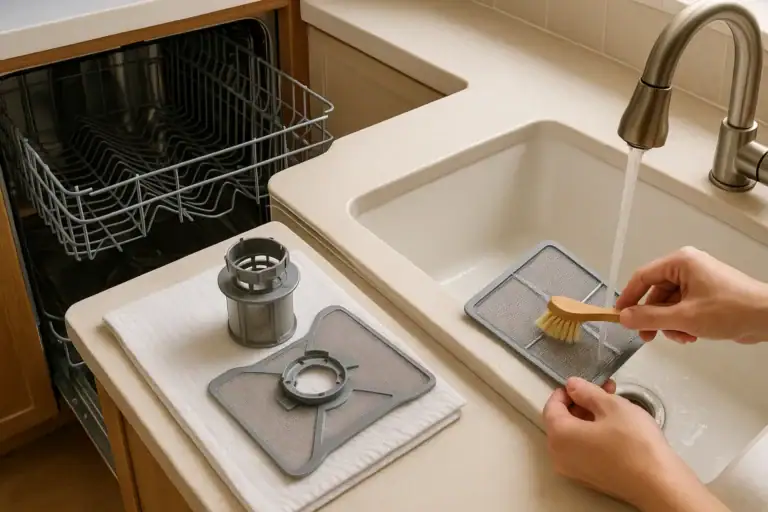
How to Clean a Dishwasher Filter (and How Often You Should Do It)
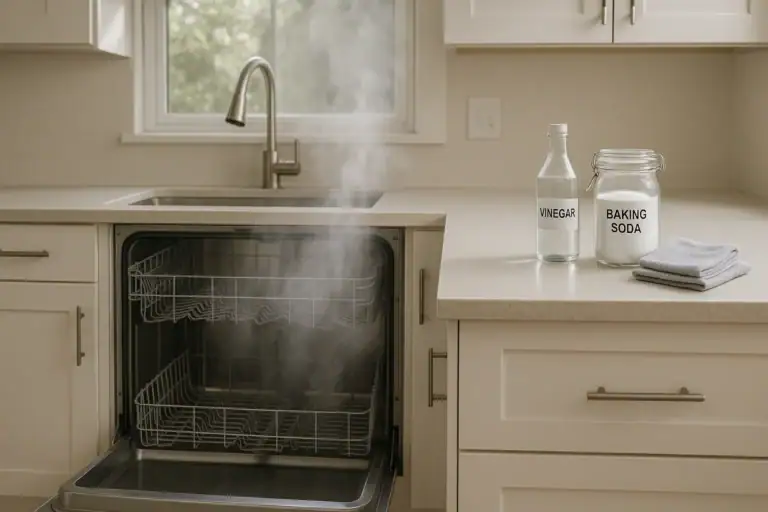
Dishwasher Smells: Why It Happens and How to Fix It for Good
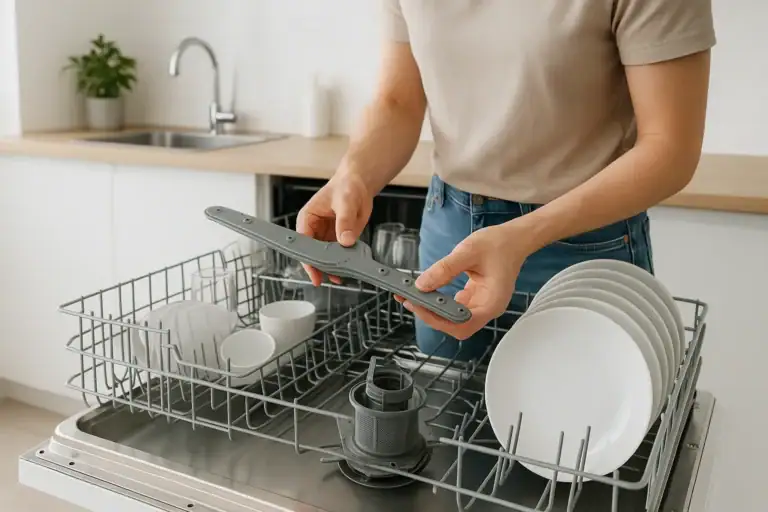
Dishwasher Not Cleaning Well? Spray Arm, Filter, and Loading Fixes
How to Sharpen Kitchen Knives at Home: Simple Method and Safety Tips
Cutting Board Hygiene: Wood vs Plastic and How to Sanitize Safely
Food Storage Safety: Fridge Zones and How Long Food Really Lasts
Keep reading
About this site
Signature Home Guide publishes practical, independent home guides. We aim to be clear, helpful, and transparent.
Affiliate disclosure
As an Amazon Associate, we earn from qualifying purchases. Some links on this site may be affiliate links. If you buy through these links, we may earn a small commission at no extra cost to you. This helps support our content. Learn more.