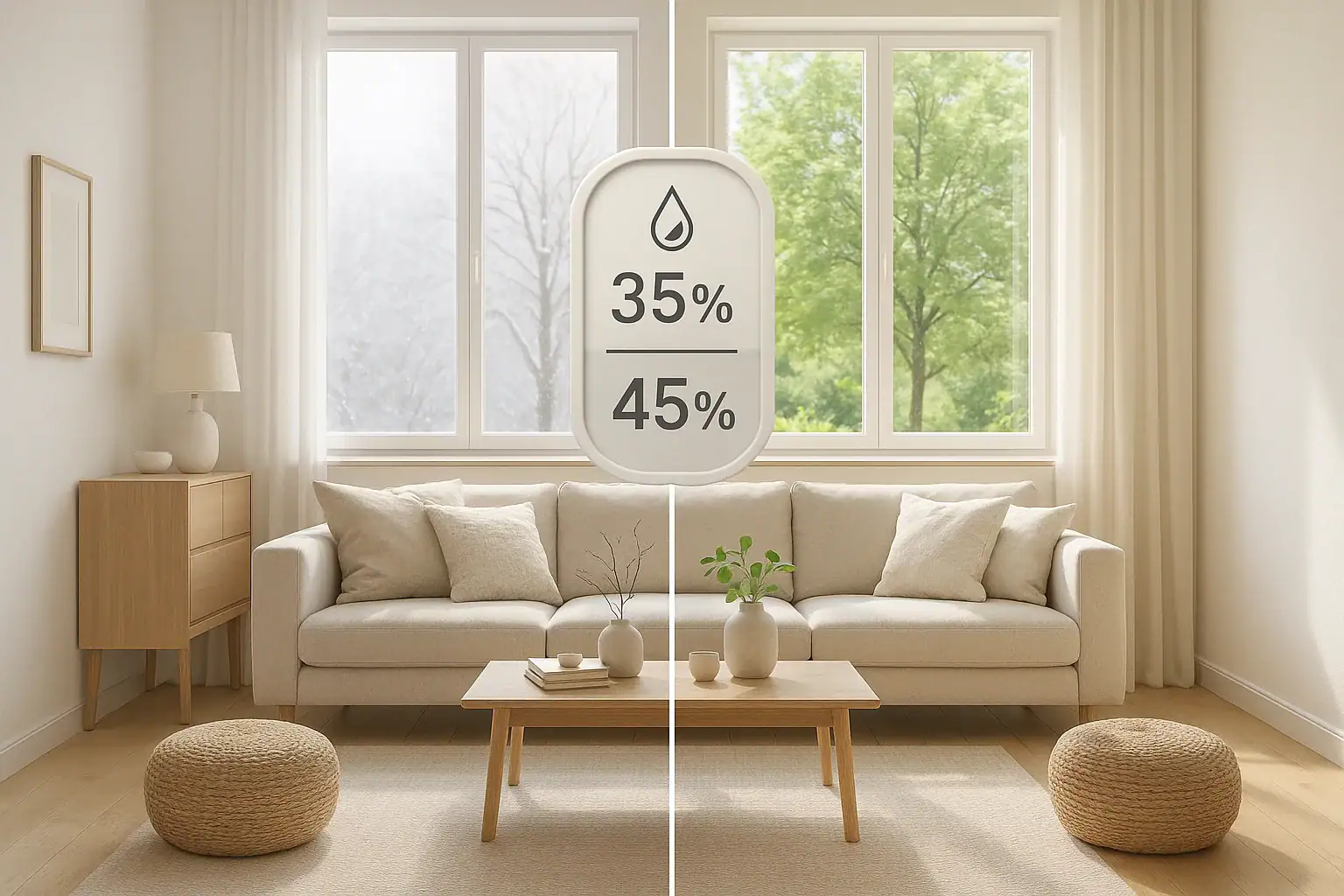
Indoor humidity plays a huge role in how comfortable your home feels, how healthy the air is, and even how long your furnishings last. Yet many households only think about temperature and ignore moisture in the air. The ideal indoor humidity range actually shifts a bit with the seasons, especially in climates that experience cold, dry winters and warm, humid summers. Understanding those differences can help you adjust your home environment so it feels better, smells fresher, and supports better health all year long.
On this page(click to collapse)
- What Is Indoor Humidity and Why It Matters
- Ideal Indoor Humidity Range All Year
- Ideal Indoor Humidity in Winter
- Ideal Indoor Humidity in Summer
- Winter vs Summer: Side-by-Side Humidity Comparison
- How to Measure Indoor Humidity
- How to Raise Indoor Humidity in Winter
- How to Lower Indoor Humidity in Summer
- Balancing Humidity for Comfort and Health
- Related guides
This guide explains the ideal indoor humidity by season, with a clear comparison of winter vs summer. You will see practical examples, common problems when humidity is too high or too low, and simple ways to measure and adjust levels in your own home. Whether you live in a dry northern climate or a humid southern one, these principles apply across the United States and can help you create a more comfortable and efficient home.
What Is Indoor Humidity and Why It Matters
Humidity is the amount of water vapor in the air. Indoors, humidity is usually described as relative humidity, or RH, which is the percentage of moisture in the air compared to how much it could hold at a given temperature. Warmer air can hold more moisture, which is why summer humidity often feels heavier and more uncomfortable.
Indoor humidity affects:
- Comfort: Air that is too dry can make your skin, eyes, and throat feel irritated. Air that is too humid can feel sticky and oppressive.
- Health: Very dry air can worsen respiratory issues and increase the spread of some viruses. Excess moisture can encourage mold, dust mites, and other allergens.
- Home and belongings: Too much moisture can damage walls, ceilings, wood floors, and furniture. Too little can cause wood to crack and paint to peel.
- Energy use: At the same temperature, higher humidity often feels warmer and lower humidity feels cooler. Balancing humidity can help your heating and cooling work more efficiently.
Because outdoor conditions change throughout the year, the ideal indoor humidity also shifts slightly by season. The key is to stay within a healthy range while accounting for temperature and condensation risks.
Ideal Indoor Humidity Range All Year
For most homes in the United States, a good general target for indoor humidity is:
- Overall comfort range: 30% to 50% relative humidity
- Common sweet spot: 35% to 45% relative humidity
Within this range, most people feel comfortable, and the risk of mold growth or extreme dryness is reduced. However, the best target within that range changes with the seasons because of temperature differences and how your home interacts with outdoor air.
Ideal Indoor Humidity in Winter
Winter air in much of the United States is cold and naturally dry. When that cold air is heated indoors, the relative humidity drops even further, often leaving your home feeling very dry. While it might seem like you should just add as much moisture as possible, there is a limit. Too much indoor humidity in winter can lead to condensation on windows and even inside walls, which can cause long-term damage.
Recommended Winter Humidity Levels
A reasonable winter target for indoor humidity is:
- Typical winter range: 30% to 40% relative humidity
- Colder climates with very low outdoor temperatures: 30% to 35% relative humidity
The colder it is outside, the more cautious you should be about raising indoor humidity, especially if your home has older or less efficient windows. Higher humidity in very cold weather can cause condensation on glass and around window frames.
Winter Humidity Examples
Here are some common winter scenarios and what they mean:
- Example 1: 25% indoor humidity at 70°F
Air feels dry, you may notice static shocks, dry skin, and scratchy throat. Raising humidity to around 35% can improve comfort. - Example 2: 40% indoor humidity at 70°F in a cold snap
If outdoor temperatures drop below 20°F, you might see condensation along the bottom of windows. Reducing humidity slightly or improving ventilation can help. - Example 3: 35% indoor humidity at 68°F
This is a comfortable and generally safe winter level for many homes, balancing comfort and condensation risk.
Signs Winter Humidity Is Too Low
Common indicators that your winter humidity is below the ideal range include:
- Frequent static electricity and small shocks when touching metal
- Dry, itchy skin and chapped lips
- Dry, irritated eyes or sinuses
- Cracks in wood furniture or hardwood flooring
- Houseplants wilting faster than usual
Signs Winter Humidity Is Too High
On the other hand, winter humidity can be too high if you notice:
- Condensation or fogging on windows
- Water droplets forming on window frames or sills
- Damp or musty smells near exterior walls
- Visible mold or dark spots around windows or in corners
If you see these signs, it is wise to lower humidity slightly and improve ventilation to protect your home.
Ideal Indoor Humidity in Summer
Summer brings warmer air that can hold much more moisture. In many parts of the United States, outdoor humidity can climb well above 60%, making indoor spaces feel muggy and uncomfortable if moisture is not controlled. Air conditioning helps remove some humidity, but in very humid climates, extra steps may be needed.
Recommended Summer Humidity Levels
For summer, a slightly lower indoor humidity target helps keep your home comfortable and reduce mold risks:
- Typical summer range: 40% to 50% relative humidity
- Humid climates: Aim closer to 45% if possible
Staying under about 50% relative humidity in summer is especially important in basements, bathrooms, and other areas prone to dampness.
Summer Humidity Examples
These examples show how summer humidity levels affect comfort:
- Example 1: 60% indoor humidity at 75°F
The air may feel heavy and sticky. You might notice a musty smell in closets or along exterior walls. Lowering humidity toward 45% to 50% can help. - Example 2: 45% indoor humidity at 74°F
This level usually feels comfortable and helps keep mold and dust mites under control. - Example 3: 35% indoor humidity at 72°F
This is on the dry side for summer. It may still feel fine, but could be slightly drying for some people, especially if air conditioning runs constantly.
Signs Summer Humidity Is Too High
Watch for these indicators that your summer humidity is above the ideal range:
- Sticky or clammy feeling even at normal room temperatures
- Musty or damp odors, especially in closets, basements, or bathrooms
- Condensation on cold surfaces, such as metal pipes or toilet tanks
- Visible mold on walls, ceilings, or around vents
- Clothing or towels that take a long time to dry
Winter vs Summer: Side-by-Side Humidity Comparison
Because temperature and outdoor conditions differ so much between seasons, it helps to compare winter and summer humidity targets directly.
Ideal Indoor Humidity by Season
| Season | Typical Indoor Temperature | Recommended Indoor Humidity | Main Concerns |
|---|---|---|---|
| Winter | 68°F to 72°F | 30% to 40% RH | Dry air, static, condensation on cold windows |
| Summer | 72°F to 76°F | 40% to 50% RH | Mugginess, mold, dust mites, musty odors |
Practical Examples Across the Year
Imagine a typical home kept around 72°F most of the year:
- In January: Outdoor air is cold and dry. Indoors, you might need a humidifier to raise humidity from 25% to around 35% for comfort.
- In April: Outdoor temperatures and humidity rise. Indoor humidity may naturally sit around 40% without much adjustment.
- In July: Outdoor air is hot and humid. Air conditioning may keep indoor humidity near 50%, but in very humid areas, you might need additional moisture control to reach 45%.
- In October: As heating season begins, humidity may drop again, and you may gradually add moisture to stay near 35% to 40%.
The goal is not to hit an exact number every day, but to stay within a healthy range and adjust up or down as seasons and weather shift.
How to Measure Indoor Humidity
To manage humidity effectively, you need a way to measure it. A simple device called a hygrometer shows the relative humidity in your home, similar to how a thermometer shows temperature.
Tips for measuring indoor humidity:
- Place a hygrometer in main living areas, such as the living room or family room.
- Check humidity in problem areas like basements, bathrooms, and bedrooms.
- Take readings at different times of day, especially during extreme weather.
- Compare readings in winter and summer to see seasonal patterns.
Once you know your typical humidity levels, you can decide whether you need to add moisture, remove moisture, or simply maintain your current conditions.
How to Raise Indoor Humidity in Winter
If your home is too dry in winter, there are several ways to safely increase humidity without creating condensation problems.
Simple Ways to Add Moisture
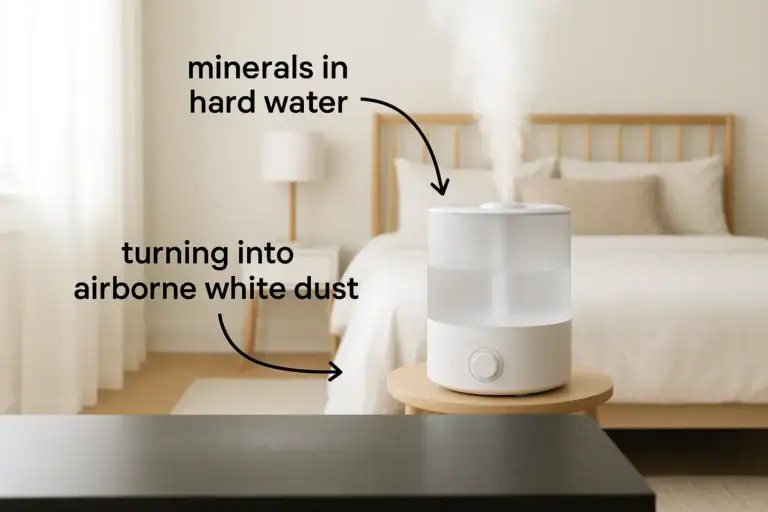
- Use a humidifier: Choose a size appropriate for the room and follow the manufacturer’s cleaning instructions to prevent mineral buildup and microbial growth.
- Air-dry laundry indoors: Hang clothes or towels on a drying rack in a well-ventilated room to release moisture into the air.
- Cook on the stovetop more often: Simmering soups or boiling water adds some humidity, especially if you leave lids off briefly.
- Add houseplants: Some plants release moisture through their leaves, slightly raising humidity in nearby areas.
Stay Within Safe Limits
While raising humidity, keep an eye on windows and exterior walls. If you begin to see condensation, lower the humidity setting slightly. In very cold weather, you may need to accept a lower humidity level to protect your home’s structure.
How to Lower Indoor Humidity in Summer
When summer humidity climbs, lowering indoor moisture helps your home feel cooler and reduces the risk of mold and dust mites.
Effective Ways to Reduce Moisture
- Run air conditioning: Cooling systems naturally remove moisture as they operate. Keeping filters clean helps them work more effectively.
- Use exhaust fans: Run bathroom fans during and after showers, and use kitchen exhaust fans while cooking to vent moisture outside.
- Use a dehumidifier: Especially helpful in basements or very humid rooms, dehumidifiers pull moisture from the air and collect it in a tank or drain.
- Fix leaks and seepage: Repair plumbing leaks and seal foundation cracks to keep water from entering the home.
- Improve airflow: Use fans to move air and prevent damp pockets in corners, closets, and behind furniture.
Targeting Problem Areas
Certain parts of the home often need extra attention in summer:
- Basements: These spaces are cooler and can collect moisture. A dehumidifier and good drainage around the foundation are often helpful.
- Bathrooms: Keep the fan running for at least 15 to 20 minutes after showers to remove steam.
- Laundry rooms: Vent dryers to the outside and avoid drying wet clothes in small, closed spaces.
Balancing Humidity for Comfort and Health
Finding the right indoor humidity by season is about balance. You want enough moisture in winter to stay comfortable and avoid excessive dryness, but not so much that you cause condensation and damage. In summer, you want to keep humidity low enough to prevent mold and that heavy, sticky feeling, without over-drying the air or running equipment more than necessary.
Here are some quick seasonal guidelines:
- Winter: Aim for 30% to 40% RH, adjust lower if you see condensation on windows.
- Spring and fall: 35% to 45% RH often feels comfortable with minimal adjustment.
- Summer: Aim for 40% to 50% RH, staying closer to 45% in very humid regions.
By checking humidity regularly and making small changes as the seasons shift, you can create a home that feels comfortable year-round, supports better breathing, and protects your investment in your house and belongings. For more ways to improve your indoor air and comfort, you can explore additional resources at this air and comfort hub.
Related posts
Browse this topic →
Smoke and Wildfire Season: Sealing, Filtration, and Safe Ventilation at Home

Why VOC Readings Spike After Cleaning (And What To Do About It)

Air Quality Monitor Basics: PM2.5, VOC, CO2—What Numbers To Trust

CO2 Levels at Home: What’s Normal and How to Improve Ventilation
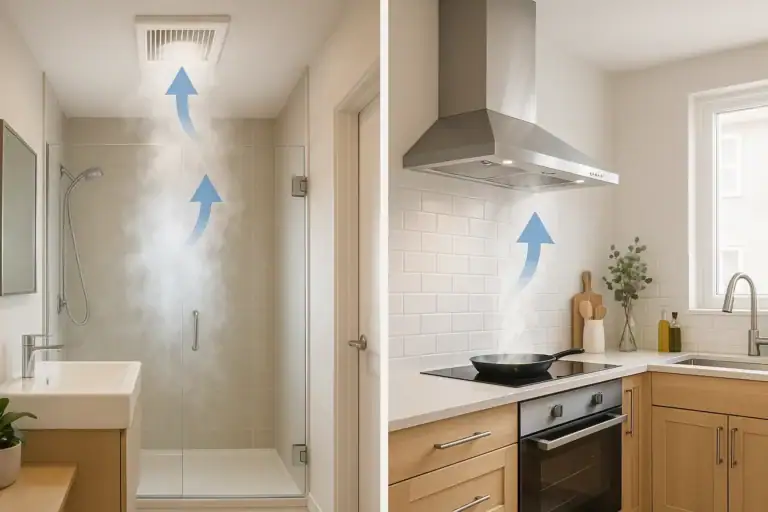
How to Use Exhaust Fans Correctly for Better Bathroom and Kitchen Airflow
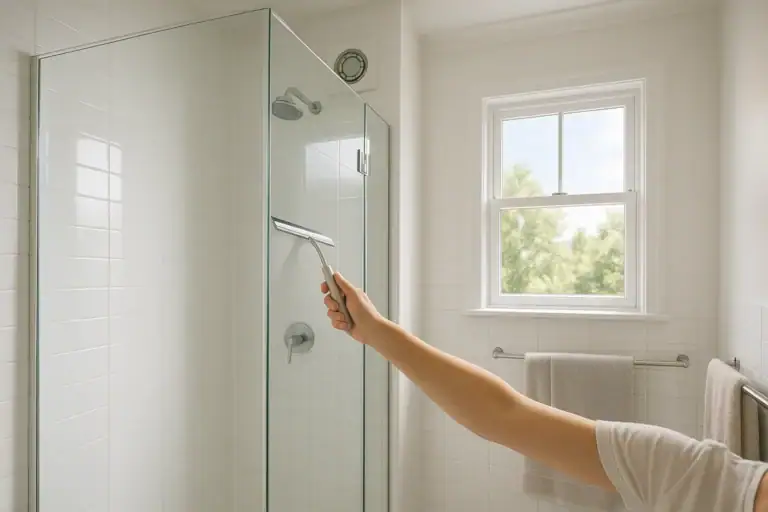
Mold in the Bathroom: A Practical Humidity Control Checklist
Keep reading

About this site
Signature Home Guide publishes practical, independent home guides. We aim to be clear, helpful, and transparent.
Affiliate disclosure
As an Amazon Associate, we earn from qualifying purchases. Some links on this site may be affiliate links. If you buy through these links, we may earn a small commission at no extra cost to you. This helps support our content. Learn more.