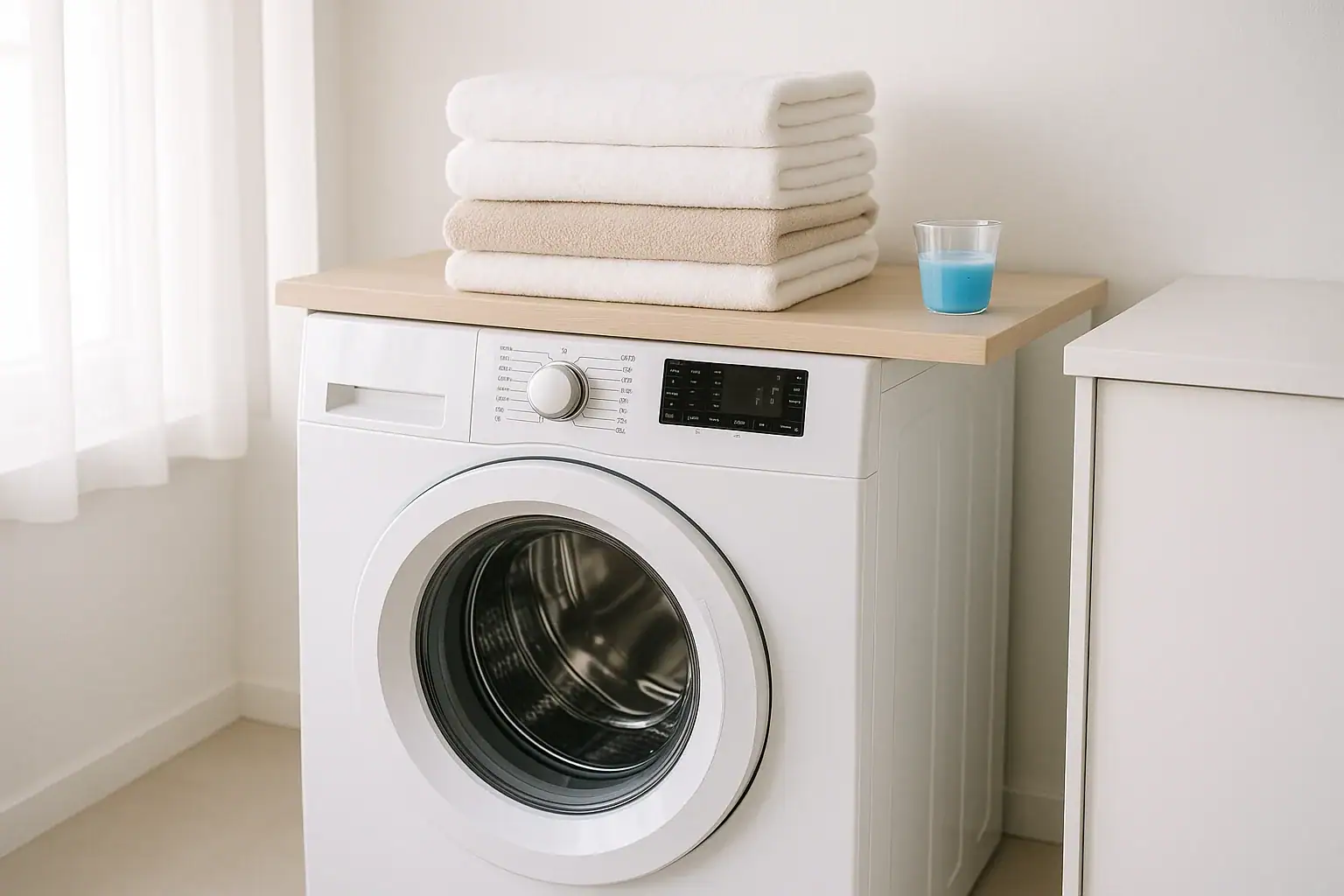
Using laundry detergent seems simple: pour, start, done. But many households quietly overuse detergent with every wash. That extra scoop can leave clothes dull, towels stiff, and machines struggling with buildup. Understanding how much detergent you really need can save money, protect your washer, and actually get your laundry cleaner. This guide explains the basics of laundry detergent, how it works, how much to use for different situations, and why using less is often the smarter choice.
On this page(click to collapse)
- How Laundry Detergent Actually Works
- Why Using Too Much Detergent Causes Problems
- Why Less Detergent Can Clean Better
- How Much Laundry Detergent to Use: General Guidelines
- Practical Measuring Tips for Liquid, Powder, and Pods
- Signs You Are Using Too Much or Too Little Detergent
- How to Reset If You Have Been Overusing Detergent
- Simple Laundry Routine for Using Less Detergent
- Frequently Asked Questions About Using Less Detergent
- Final Thoughts: Clean Laundry With Less Detergent
- Related guides
How Laundry Detergent Actually Works
To understand how much detergent to use, it helps to know what it is doing in the wash. Detergent is more than just soap and scent; it is a mix of cleaning agents designed to lift dirt and oils off fabric and keep them suspended in water until they rinse away.
Key components in laundry detergent
Most detergents contain a similar group of ingredients, even if the formulas vary:
- Surfactants: These are the main cleaning agents. They loosen oils, sweat, and grime from fabric and help them mix with water.
- Water softeners: These help the detergent work better in hard water by tying up minerals like calcium and magnesium.
- Enzymes: These target specific stains such as protein (sweat, blood), starch (sauces, foods), and fats (oils, grease).
- Builders and boosters: These support the surfactants so they can focus on cleaning instead of fighting minerals in the water.
- Optional extras: Fragrance, color, optical brighteners, and other additives that change how laundry looks or smells but do not drive cleaning power.
Once detergent is in the wash, the surfactants attach to both water and oils. Agitation from the washer helps them pull soil away from fabric. The rinse cycle then carries those suspended particles down the drain.
Why Using Too Much Detergent Causes Problems
It is easy to assume that more detergent means cleaner clothes, but washers and fabrics do not work that way. Modern machines are designed to clean efficiently with surprisingly small amounts of detergent. When you go overboard, the extra product has nowhere to go.
Common issues caused by excess detergent
Using more detergent than you need can lead to several hidden problems:
- Residue on clothes: Extra detergent may not fully rinse out, leaving a thin film that can make fabrics feel stiff or look dull.
- Skin irritation: Leftover detergent on clothing and towels can bother sensitive skin, especially for children or anyone with allergies.
- Musty odors: Detergent residue can trap moisture and bacteria in fabrics, leading to that “not quite fresh” smell even on newly washed items.
- Washer buildup: Extra suds and residue can cling to the inside of the drum, hoses, and seals, encouraging mold, mildew, and unpleasant odors.
- Longer rinse times: Some machines add extra rinses when they sense too many suds, which wastes water and energy.
- Reduced cleaning power: When there is too much detergent, it can be harder for the water to rinse away loosened soil, so dirt can redeposit on fabrics.
In short, more detergent often means more residue, not more cleaning. The goal is to use enough to lift and carry away soil, but not so much that the washer cannot rinse it out.
Why Less Detergent Can Clean Better
Using less detergent can feel risky at first, especially if you are used to filling the cap or scooping generously. However, many people discover that cutting back actually improves their laundry results.
Benefits of using the right amount (or slightly less)
When you use only as much detergent as you need, several good things happen:
- Cleaner-feeling fabrics: Without extra residue, clothes feel softer and lighter, and towels regain some of their absorbency.
- Fewer odors: With less buildup, it is easier for the washer to rinse away sweat, body oils, and bacteria that cause lingering smells.
- Better machine performance: Washers can complete cycles without fighting heavy suds, which can help them last longer with fewer issues.
- Lower costs: Using half or even two-thirds of your usual amount can stretch each container of detergent significantly.
- Less impact on wastewater: Using less detergent means fewer cleaning chemicals going down the drain.
In many households, simply switching from a heaping scoop to a measured, modest amount is enough to see a difference in how clothing looks and feels.
How Much Laundry Detergent to Use: General Guidelines
The exact amount of detergent you need depends on several factors: your washer type, load size, soil level, and water hardness. You do not need a perfect measurement every time, but a few basic rules can guide you.
Step 1: Check your washer type
Most home machines in the United States fall into two categories:
- High-efficiency (HE) washers: These use less water and need much less detergent. They are usually labeled with an “HE” symbol on the front.
- Traditional top-load washers: These use more water and can handle slightly more detergent, but still do not need a full cap in most cases.
High-efficiency machines are especially sensitive to oversudsing, so err on the low side with detergent for these washers.
Step 2: Adjust for load size
Load size is one of the biggest factors in how much detergent you need. A common mistake is using the same amount for every load, no matter how full the drum is.
- Small load: About one-third of the amount you would use for a full load.
- Medium load: About half to two-thirds of a full-load amount.
- Large or full load: The base amount recommended for your washer and detergent type, often less than the cap suggests.
A helpful visual: a full load should still allow clothes to move freely. If the drum is tightly packed, the detergent cannot circulate well, no matter how much you add.
Step 3: Consider how dirty the laundry is
Soil level matters more than color or fabric type when it comes to detergent amounts.
- Lightly soiled (worn once, no visible stains): Use the low end of your usual amount.
- Normally soiled (everyday wear, light perspiration): Use your standard measured amount.
- Heavily soiled (workout gear, yard work clothes, visible dirt): Add a small increase, or use a prewash or pre-treat method instead of doubling detergent.
For very dirty items, pretreating stains or running a prewash cycle is more effective than simply pouring in extra detergent.
Step 4: Factor in water hardness
Water hardness is the amount of dissolved minerals in your tap water. It can affect how well detergent works.
- Soft water: Detergent works more efficiently. You can usually reduce the amount by about one-third.
- Moderately hard water: Standard amounts usually work fine.
- Very hard water: You may need a bit more detergent, or a water softener to help your usual amount work better.
If you notice a lot of soap scum in sinks and tubs, you may have hard water. If soap lathers easily and rinses quickly, your water may be softer.
Practical Measuring Tips for Liquid, Powder, and Pods
Detergent packaging often encourages using more than you truly need. Learning to measure with your own guidelines can help you avoid overuse.
Liquid detergent
Liquid caps usually have several lines inside, but the top line is rarely the correct everyday amount.
- Look for the smallest measuring line inside the cap and start there for a medium load.
- For a small load, fill to about half of that first line.
- For a large load, use around the first or second line, not the top.
- If your washer is high-efficiency, aim for the lower end of these ranges.
Powder detergent
Powder detergents often come with a scoop that is larger than needed for a typical load.
- Use about one-third to one-half of a standard scoop for a regular load in a high-efficiency washer.
- Use around half to three-quarters of a scoop for a regular load in a traditional top-load washer.
- Adjust down for small loads, and slightly up for very large or heavily soiled loads.
Single-dose pods or packs
Pods are pre-measured, which makes them convenient, but they can be more detergent than you need for a small load.
- Use one pod for a regular load, even if the package suggests more.
- For small loads, consider waiting until you have enough laundry for a medium load so a full pod makes sense.
- Use two pods only for very large, heavily soiled loads in a traditional top-load washer.
Always place pods directly into the drum before adding clothes, not in the dispenser drawer.
Signs You Are Using Too Much or Too Little Detergent
Even with guidelines, it helps to watch how your laundry and washer respond. Your clothes and machine will give you clues.
Signs of too much detergent
- Clothes feel stiff or sticky after drying.
- You notice white streaks or powdery marks on dark fabrics.
- There is a strong detergent scent even after drying, not just a light clean smell.
- Your washer door seal or detergent drawer has slimy buildup or a musty odor.
- You see lots of suds in the washer window during the rinse cycle.
Signs of too little detergent
- Clothes still look dingy or feel greasy after washing.
- Persistent odors remain, especially in workout gear or towels.
- Stains do not fade or lighten after a normal wash.
If you see signs of too little detergent, increase the amount slightly or add a prewash or soak for heavily soiled items rather than jumping to a large increase.
How to Reset If You Have Been Overusing Detergent
If you suspect you have been using too much detergent for a long time, you can gradually clear out the buildup from both your laundry and your machine.
Refresh your washer
Cleaning the washer helps prevent odors and improves performance.
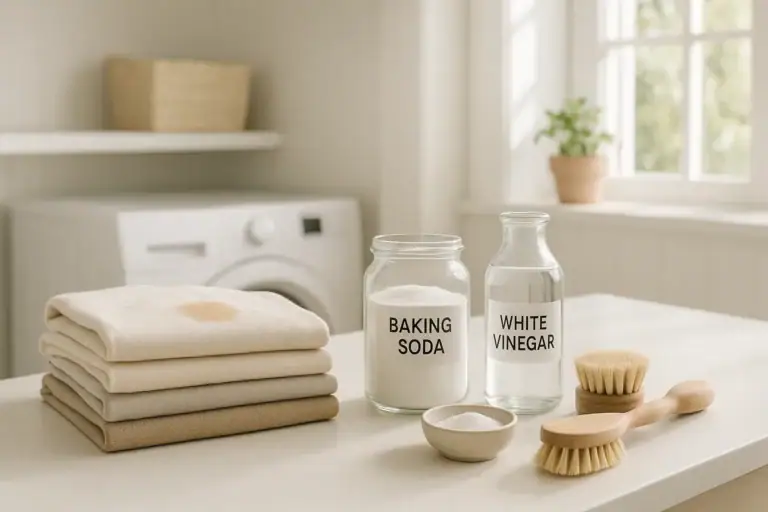
- Run an empty hot wash cycle with a washer cleaning product or a cup of white vinegar in the drum.
- Wipe the rubber door seal, detergent drawer, and any visible crevices with a cloth and mild cleaning solution.
- Leave the door and detergent drawer open between loads to help the interior dry out.
Rinse out your laundry
To remove detergent residue from clothes and towels:
- Wash a load with no detergent at all and see how many suds appear. Leftover suds mean there is buildup in the fabrics.
- Repeat a rinse or quick wash without detergent for items that still feel coated or stiff.
- Once items feel softer and rinse water looks clear, start using your new, reduced detergent amounts.
Simple Laundry Routine for Using Less Detergent
A consistent routine makes it easy to avoid overusing detergent. You do not need complicated steps, just a few habits.
- Sort by soil level: Keep very dirty items separate from lightly worn clothes so you can adjust detergent and cycle settings appropriately.
- Measure every time: Avoid pouring directly from the bottle into the washer. Use the cap or a small measuring cup and aim for the low end of the range.
- Pre-treat stains: Treat spots and heavily soiled areas before washing instead of relying on extra detergent.
- Do not overload: Give clothes room to move so detergent and water can circulate and rinse thoroughly.
- Watch the rinse: If you see heavy suds in the rinse cycle, reduce detergent next time.
Over a few weeks, you can fine-tune your routine based on how your laundry looks, feels, and smells.
Frequently Asked Questions About Using Less Detergent
Will my clothes really get clean with less detergent?
Yes, in most cases they will. Modern washers are designed to clean efficiently with smaller amounts of detergent. As long as you match the amount to your load size and soil level, you can usually reduce detergent without sacrificing cleanliness.
Is it safe to cut the recommended amount in half?
For many households, especially those with high-efficiency machines and mostly lightly soiled clothing, using about half of what you are used to is a reasonable starting point. Watch for any signs of lingering odors or visible soil and adjust slightly upward if needed.
Do I need different amounts for cold, warm, and hot water?
Some detergents are designed to work well in cold water, while others perform best in warm or hot. In general, you do not need a large change in amount based on water temperature alone. Focus more on soil level and load size, and follow any temperature notes on the detergent packaging.
What about delicate fabrics or handwashing?
For delicates and handwashing, use a very small amount of detergent—often just a teaspoon or two in a sink or basin. Too much detergent in a small amount of water makes it hard to rinse, which can damage delicate fibers over time.
Final Thoughts: Clean Laundry With Less Detergent
Getting laundry truly clean is less about pouring in more detergent and more about using the right amount for your washer, water, and clothing. By measuring carefully, adjusting for load size and soil level, and watching for signs of residue or lingering odors, you can usually cut back on detergent without sacrificing results. The payoff is fresher laundry, a healthier washing machine, and lower costs over time. The next time you start a load, try using a little less detergent and let your clean, soft clothes show you how well it works.
If you are looking for more ways to streamline your cleaning routine, you can explore additional tips and guides in the cleaning and organization hub at Signature Home Guide.
Related posts
Browse this topic →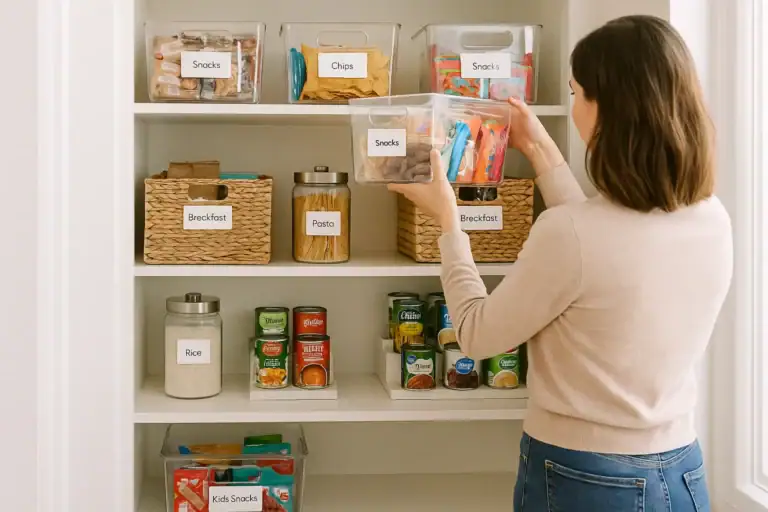
Pantry Organization Basics: Zones, Labels, and a Simple Maintenance Routine
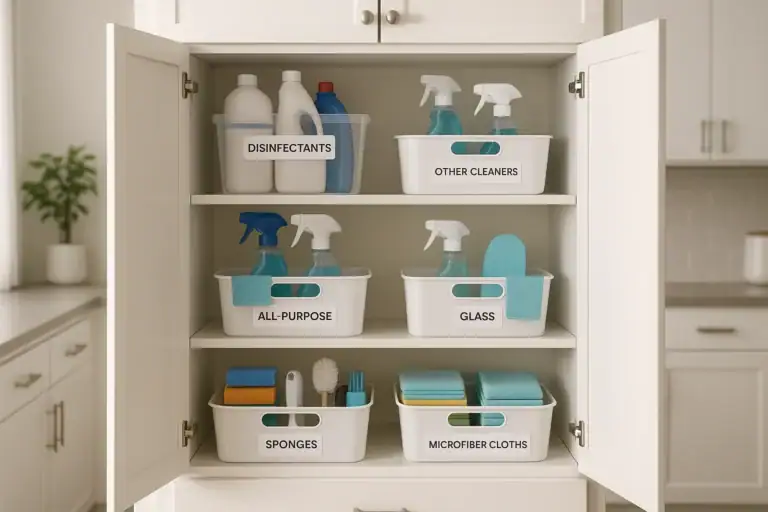
How to Organize Cleaning Supplies for Speed and Safety at Home

Spring Cleaning Checklist for the Whole Home (Printable Plan)

How to Disinfect Surfaces Safely: What Really Needs It and What Does Not

How to Clean Hardwood Floors Without Ruining the Finish
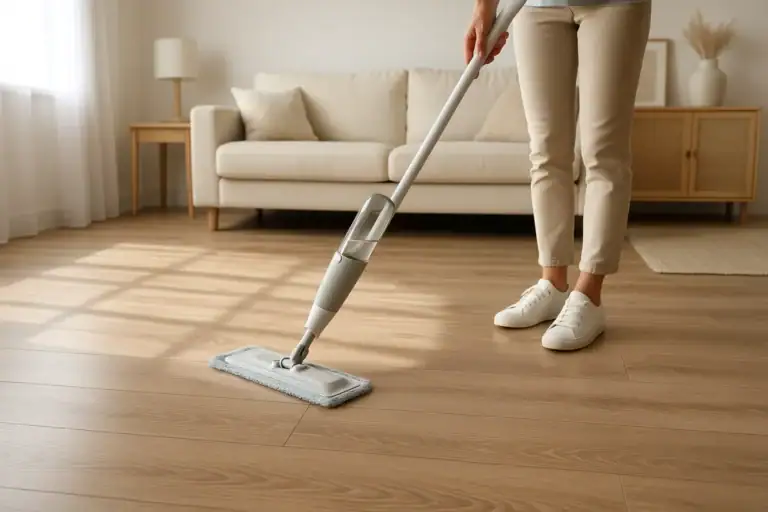
Best Way to Clean Laminate Floors Without Swelling or Haze
Keep reading

About this site
Signature Home Guide publishes practical, independent home guides. We aim to be clear, helpful, and transparent.
Affiliate disclosure
As an Amazon Associate, we earn from qualifying purchases. Some links on this site may be affiliate links. If you buy through these links, we may earn a small commission at no extra cost to you. This helps support our content. Learn more.