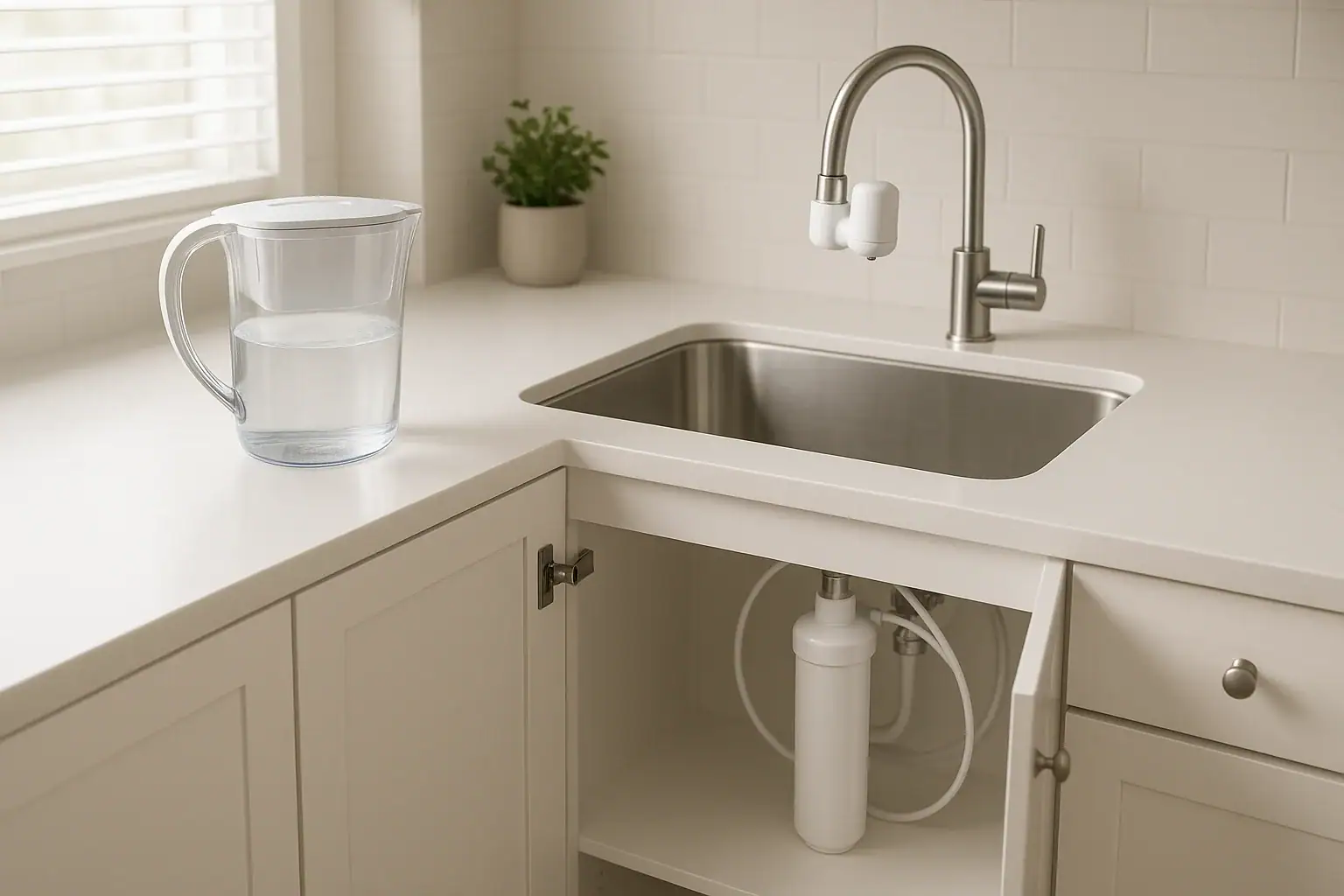
If you rent your home, you probably want better-tasting water without risking your security deposit or doing major plumbing work. That is where point-of-use filters come in. Pitcher filters, faucet-mounted filters, and under-sink filters all promise cleaner, fresher water, but they work very differently. Each option has trade-offs in cost, convenience, performance, and how “renter-friendly” it really is.
On this page(click to collapse)
- What Renters Should Consider Before Choosing a Filter
- Pitcher Water Filters: Simple and Portable
- Faucet-Mounted Filters: On-Demand Convenience
- Under-Sink Water Filters: Cleaner Look and Higher Capacity
- Pitcher vs Faucet vs Under-Sink: Side-by-Side Comparison
- Which Filter Is Best for Your Rental Situation?
- Tips for Choosing and Using a Filter as a Renter
- Final Thoughts: Matching the Filter to Your Rental Life
- Related guides
This guide walks through pitcher vs faucet vs under-sink water filter options specifically from a renter’s point of view. You will learn how each type works, what they typically remove, how much they cost to buy and maintain, and how easy they are to live with in a rental kitchen. By the end, you will be able to match a filter style to your budget, your counter space, and your landlord’s rules so you can enjoy better water with fewer headaches.
What Renters Should Consider Before Choosing a Filter
Before comparing pitcher vs faucet vs under-sink water filters, it helps to think about your living situation and what you actually need from a filter.
Key questions to ask yourself
- How long will you stay? A short-term lease calls for something easy to move. A longer stay may justify a more permanent setup.
- What does your tap water taste and smell like? Mild chlorine taste is different from strong odors or visible sediment.
- Are there known water quality issues? Check your local water quality report or ask your building manager if there are concerns like lead, old pipes, or frequent boil advisories.
- What are your landlord’s rules? Some leases forbid any changes to plumbing or drilling into cabinets.
- How much space do you have? Tiny fridges and sinks may limit your options.
- What is your budget? Consider both the upfront price and ongoing filter replacement costs.
Keep your answers in mind as you compare pitcher, faucet, and under-sink filters. The “best” filter is the one that fits your actual lifestyle and rental limitations, not just the one with the longest feature list.
Pitcher Water Filters: Simple and Portable
Pitcher water filters are the most familiar option for renters. They combine a plastic or glass pitcher with a replaceable filter cartridge, usually made from activated carbon and sometimes additional media.
How pitcher filters work
You fill the top reservoir with tap water. Gravity pulls the water through the filter cartridge into the bottom section, where it is stored until you pour it. The filter media is typically designed to reduce:
- Chlorine taste and odor
- Some organic compounds that affect taste and smell
- Some sediment and particles
- In some models, select heavy metals or other contaminants
Pros of pitcher filters for renters
- No installation at all: Just rinse the filter, assemble, and fill. No tools, no landlord approval.
- Highly portable: Easy to take with you when you move or use in a dorm, office, or vacation rental.
- Low upfront cost: Typically the cheapest way to start filtering your water.
- Good for small households: Ideal if only one or two people need filtered drinking water.
- No changes to plumbing: Nothing attaches to the faucet or under the sink.
Cons of pitcher filters
- Limited capacity: You have to keep refilling, especially for families or heavy water drinkers.
- Slow filtration: Gravity filtration can take several minutes, and it is easy to forget to refill.
- Uses fridge space: A large pitcher can dominate a small refrigerator shelf.
- Filter life can be short: Many cartridges need replacement every 1 to 3 months, depending on use.
- Usually drinking water only: Not ideal for filtering water for cooking, dish rinsing, or pets in larger volumes.
Best for
Pitcher filters are best for renters who:
- Want the lowest-commitment option
- Are on a tight budget
- Live alone or with one roommate
- Have mild taste or odor concerns rather than serious contamination issues
Faucet-Mounted Filters: On-Demand Convenience
Faucet-mounted filters attach directly to the end of your kitchen faucet. A small housing holds the filter cartridge, and a lever lets you switch between filtered and unfiltered water.
How faucet filters work
The filter housing screws onto the faucet in place of the standard aerator. When you turn on the tap, you choose whether water flows through the filter or bypasses it. Inside the housing, a combination of activated carbon and other media reduces contaminants as the water passes through under normal tap pressure.
Pros of faucet filters for renters
- Tool-free installation in most cases: Many models twist on by hand. You can usually remove them without leaving marks.
- On-demand filtration: No waiting for a pitcher to drip. You get filtered water directly from the tap.
- Good for both drinking and cooking: Easy to fill pots, kettles, and pet bowls with filtered water.
- Space-saving: No large pitcher taking up fridge or counter space.
- Easy to take when you move: Unscrew, pack, and reinstall in your next place.
Cons of faucet filters
- Compatibility issues: Some faucets, especially pull-down sprayers or unusual shapes, may not accept a faucet filter at all.
- Added weight on the faucet: The extra bulk can feel awkward and may stress older fixtures.
- Reduced flow rate in filtered mode: Filtering can slow the water stream, which can be noticeable when filling large containers.
- Visible on the sink: Some renters do not like the look of a bulky device on the faucet.
- Filter replacement costs: Cartridges typically last a few months, depending on usage and water quality.
Best for
Faucet filters are best for renters who:
- Have a compatible faucet and cannot modify plumbing
- Want filtered water for both drinking and cooking
- Prefer not to refill pitchers constantly
- Have moderate concerns about taste, odor, and common tap water contaminants
Under-Sink Water Filters: Cleaner Look and Higher Capacity
Under-sink filters sit out of sight in the cabinet beneath your kitchen sink. They can connect to your existing faucet or to a dedicated filtered-water faucet, depending on the design. For renters, the biggest question is how invasive the installation is.
How under-sink filters work
Water from the cold-water line is routed through one or more filter cartridges before it reaches the faucet. Cartridge designs vary, but many under-sink systems offer more filtration stages or higher capacity than pitchers or faucet-mounted units. Some are simple carbon filters, while others include additional media to target specific contaminants.
Pros of under-sink filters for renters
- High capacity: Designed to handle a larger volume of water, often suitable for drinking, cooking, and sometimes even dish rinsing.
- Cleaner kitchen look: The system is hidden in the cabinet, so your sink and counters stay uncluttered.
- Less frequent filter changes: Many cartridges last six months to a year, depending on usage and water quality.
- Consistent flow: Many systems maintain a good flow rate, especially those that feed the main kitchen faucet.
- Good for families: Convenient if multiple people use filtered water throughout the day.
Cons of under-sink filters
- Installation complexity: May require shutting off water, using tools, and connecting fittings. Some systems call for drilling a hole in the sink or countertop for a separate faucet, which many landlords will not allow.
- Landlord permission may be required: Any change to plumbing or cabinets can be an issue under your lease.
- Less portable: Not as easy to remove and take with you as a pitcher or faucet filter.
- Upfront cost: Usually more expensive to purchase than pitcher or faucet options.
- Cabinet space: Takes up room under the sink that you might use for cleaning supplies or trash bins.
Renter-friendly under-sink setups
Some under-sink filters are designed to be as non-invasive as possible, using existing holes and quick-connect fittings. When evaluating options, look for:
- Systems that do not require drilling new holes
- Connections that can be easily reversed without leaving damage
- Clear instructions for removal when you move out
Best for
Under-sink filters are best for renters who:
- Plan to stay in the same place for several years
- Have landlord approval for minor plumbing changes
- Need a higher volume of filtered water for a family or frequent cooking
- Prefer a clean, uncluttered look in the kitchen
Pitcher vs Faucet vs Under-Sink: Side-by-Side Comparison
To choose the right filter for your rental, it helps to compare the three options across the factors that matter most: installation, performance, cost, and convenience.
Installation and landlord friendliness
- Pitcher: No installation. Safest choice for strict leases and short-term rentals.
- Faucet: Attaches to the faucet without permanent changes, but compatibility can be an issue. Usually easy to remove without damage.
- Under-sink: May involve plumbing changes and possibly drilling. Best to get written permission before installing.
Filtration performance and capacity
Performance varies by specific product, but in general:
- Pitcher: Good for improving taste and odor, and may reduce some additional contaminants. Limited daily capacity.
- Faucet: Often offers broader contaminant reduction than basic pitchers, with on-demand delivery and moderate capacity.
- Under-sink: Frequently provides the highest capacity and more advanced filtration options, suitable for larger households.
Upfront cost vs ongoing cost
- Pitcher:
- Low upfront price
- Filters replaced every 1 to 3 months in many cases
- Good if you are unsure how long you will use it
- Faucet:
- Moderate upfront price
- Cartridges often last a few months, depending on use
- Reasonable balance between cost and convenience
- Under-sink:
- Higher upfront price
- Cartridges may last 6 to 12 months or longer
- Can be cost-effective over time for larger households
Daily convenience and lifestyle fit
- Pitcher:
- Requires regular refilling
- Chills water in the fridge, which many people prefer
- May not keep up with heavy use
- Faucet:
- Instant filtered water at the tap
- Easy to switch between filtered and unfiltered modes
- Can feel bulky on small sinks
- Under-sink:
- Out of sight, out of the way
- Convenient for families who cook often
- Requires occasional access to the cabinet for filter changes
Which Filter Is Best for Your Rental Situation?
Every rental is different, so it helps to match common renter scenarios to the filter type that usually works best.
Scenario 1: Studio or one-bedroom, short lease
If you are in a small space with a lease under a year, you probably want something simple and portable.
- Best fit: Pitcher filter
- Why: No installation, low cost, easy to move, and enough capacity for one or two people.
Scenario 2: Roommates sharing a kitchen
When several people share the same sink, a pitcher may run empty constantly.
- Best fit: Faucet-mounted filter (if the faucet is compatible)
- Why: On-demand filtered water for multiple users, without constant refilling or taking up fridge space.
Scenario 3: Family renting a house or long-term apartment
Families who cook often and use a lot of water may find pitchers and faucet filters limiting.
- Best fit: Under-sink filter (with landlord approval)
- Why: Higher capacity, cleaner look, and less frequent filter changes, which suits busy households.
Scenario 4: Concerned about specific contaminants
If you have concerns about particular contaminants, such as older plumbing or local advisories, focus less on the format and more on certified performance.
- Best fit: Any type with clear third-party certifications for the contaminants you care about
- Why: A well-certified pitcher can be more useful than a poorly performing under-sink system.
Tips for Choosing and Using a Filter as a Renter
Once you have decided between pitcher vs faucet vs under-sink, use these tips to get the most from your system without risking your deposit.
Check your lease and talk to your landlord
- Review your lease for any clauses about plumbing, fixtures, or alterations.
- For faucet or under-sink filters, send a quick message or email asking for approval.
- Offer to remove the system and restore everything when you move out.
Look for clear performance information
- Check whether the filter is tested or certified for specific contaminants.
- Compare the rated capacity (how many gallons or months before replacement).
- Read the manufacturer’s maintenance schedule and follow it closely.
Plan for filter replacement costs
- Calculate how many cartridges you will need per year.
- Set a reminder on your phone or calendar for replacement dates.
- Watch for signs of reduced flow or changes in taste, which can indicate a spent filter.
Keep everything renter-friendly
- Save original parts, such as faucet aerators, so you can reinstall them when you move out.
- Avoid drilling or permanent modifications unless you have written permission.
- Take photos before and after installation in case there are questions later.
Maintain good overall water habits
- Run cold water for a short time before filling your filter if the tap has been unused for several hours.
- Use filtered water for ice trays, coffee makers, and refillable bottles to get the most benefit.
- Clean pitchers and filter housings regularly to prevent buildup and odors.
Final Thoughts: Matching the Filter to Your Rental Life
Choosing between a pitcher, faucet, and under-sink water filter as a renter is really about balancing convenience, cost, and how long you plan to stay. Pitcher filters are the easiest and most portable, faucet filters offer everyday convenience without major changes, and under-sink systems provide higher capacity and a cleaner look for long-term rentals with landlord approval.
Start by considering your lease, your kitchen layout, and how much filtered water you actually use. Then pick the style that fits your daily routine rather than chasing the most complex system. With the right setup, you can enjoy better-tasting water, protect your deposit, and be ready to move your filtration system along with you when your next home adventure begins.
Related posts
Browse this topic →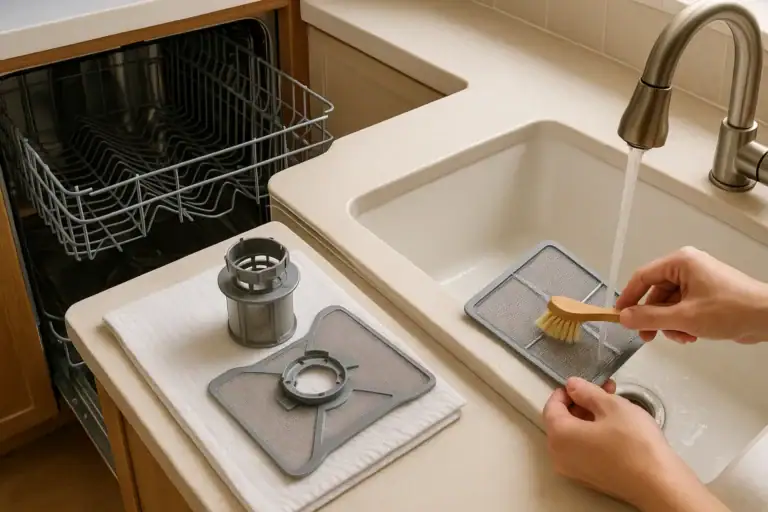
How to Clean a Dishwasher Filter (and How Often You Should Do It)
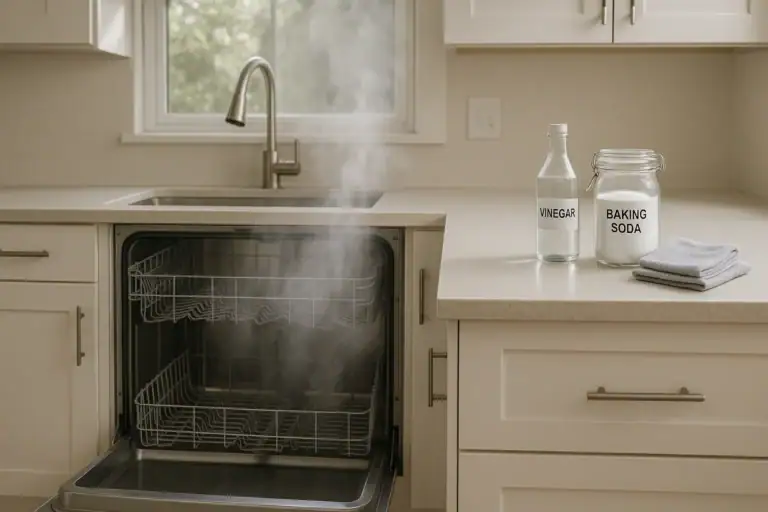
Dishwasher Smells: Why It Happens and How to Fix It for Good
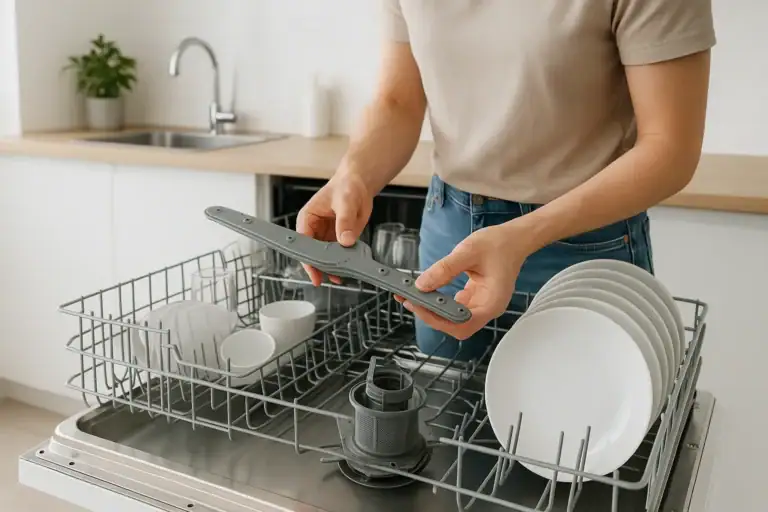
Dishwasher Not Cleaning Well? Spray Arm, Filter, and Loading Fixes
How to Sharpen Kitchen Knives at Home: Simple Method and Safety Tips
Cutting Board Hygiene: Wood vs Plastic and How to Sanitize Safely
Food Storage Safety: Fridge Zones and How Long Food Really Lasts
Keep reading
About this site
Signature Home Guide publishes practical, independent home guides. We aim to be clear, helpful, and transparent.
Affiliate disclosure
As an Amazon Associate, we earn from qualifying purchases. Some links on this site may be affiliate links. If you buy through these links, we may earn a small commission at no extra cost to you. This helps support our content. Learn more.