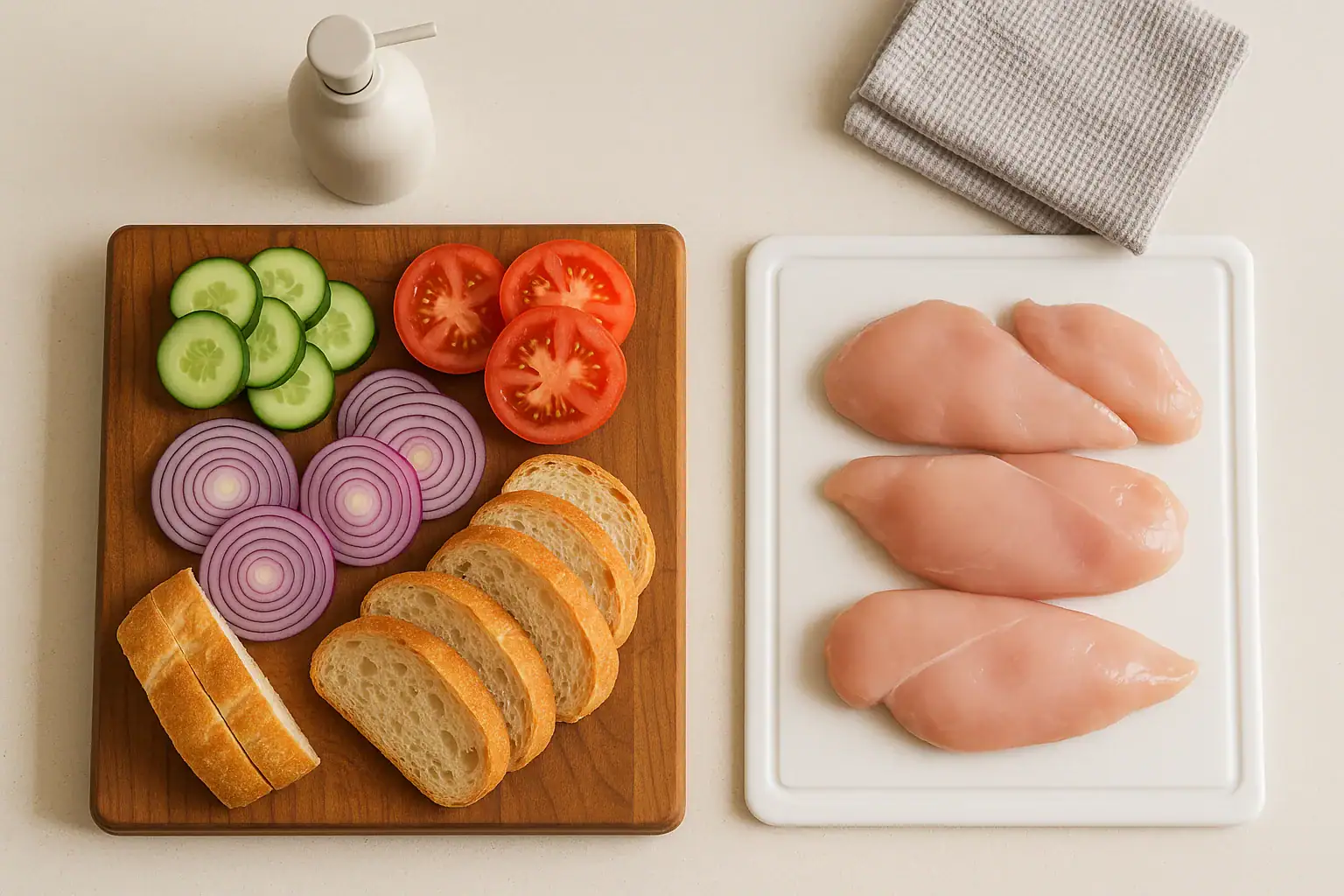
Cutting boards are one of the most-used tools in any kitchen, and they have a direct impact on food safety. The long-running debate of wood vs plastic cutting boards is about more than looks or price. It is about how each surface handles bacteria, how easy it is to clean, and how well it stands up to daily use. Understanding the differences helps you reduce the risk of cross-contamination and keep your kitchen safer for you and your family.
This guide focuses on hygiene and care. You will learn how bacteria behave on wood and plastic, what current research suggests, and how to clean, sanitize, and maintain each type. You will also see when to replace a cutting board and how to set up a simple system at home that keeps raw meat away from ready-to-eat foods. By the end, you can confidently choose the right board for your kitchen and take better care of the ones you already own.
Wood vs Plastic Cutting Boards: The Big Picture
Both wood and plastic cutting boards can be safe when used and maintained correctly. The main differences come down to how they react to knife cuts, moisture, and bacteria, as well as how easy they are to sanitize. No material is automatically hygienic on its own. Good cleaning habits and smart use matter more than the label on the board.
Before looking at hygiene and care in detail, it helps to understand what each material offers.
What to Expect from Wood Cutting Boards
Wood cutting boards are popular for their natural look and solid feel. They are usually made from hardwoods, which are dense and durable. Many home cooks like the way wood feels under a knife and how it looks on the counter.
Key characteristics of wood boards include:
- Gentle on knives: The surface has a bit of give, which can help keep blades sharper longer.
- Self-healing surface: Shallow knife marks may close up over time, reducing deep grooves.
- Moisture management: Wood can absorb small amounts of moisture and then dry out, which affects how bacteria survive.
- Requires more care: Wood should not be soaked or run through a dishwasher and needs regular oiling.
What to Expect from Plastic Cutting Boards
Plastic cutting boards are common in home and commercial kitchens. They are usually lightweight, affordable, and available in many sizes and colors. Many people choose them for raw meat and seafood because they can be sanitized with hot water and dishwasher cycles.
Key characteristics of plastic boards include:
- Dishwasher-safe: Most plastic boards can go through a hot dishwasher cycle, which helps with sanitizing.
- Color-coding: Different colors can be used for different foods to reduce cross-contamination.
- Prone to deep grooves: Over time, knives can leave deep cuts that are hard to clean thoroughly.
- Can warp or stain: High heat and strong pigments from foods may cause warping or discoloration.
Hygiene and Bacteria: How Safe Are Wood and Plastic?
The main concern with any cutting board is how easily harmful bacteria can survive on the surface and transfer to other foods. This is especially important when preparing raw meat, poultry, and seafood. Research has looked at how bacteria behave on wood vs plastic, and the results may be surprising.
How Bacteria Behave on Wood Cutting Boards
Studies have shown that some types of wood can draw moisture and bacteria into the surface, where they may become trapped and gradually die off as the board dries. This does not mean wood is self-cleaning, but it does suggest that bacteria may not survive as well on properly maintained wooden boards as many people once feared.
Important points about bacteria on wood:
- Wood surfaces can absorb small amounts of liquid from raw foods.
- As the board dries, many bacteria become less active or die.
- Deep cracks, splits, or loose fibers can still trap food particles and harbor bacteria.
- Proper cleaning and thorough drying are essential for safety.
Wood boards should always be washed after contact with raw meat or eggs, and they should be allowed to dry completely in an upright or well-ventilated position.
How Bacteria Behave on Plastic Cutting Boards
Plastic boards do not absorb moisture. Bacteria tend to stay on the surface, which makes them easier to rinse away when the board is smooth and in good condition. This is one reason plastic boards are widely used in professional kitchens and are often recommended for raw animal products.
However, plastic boards change over time:
- Knife cuts create grooves and rough areas where bacteria and food particles can hide.
- Even after washing, bacteria may remain in deep cuts.
- Heavily scored plastic boards are harder to sanitize effectively.
Regularly inspecting plastic boards and replacing them when they become deeply worn is important for hygiene.
What Research Suggests About Safety
Research comparing wood and plastic cutting boards has found that both can be used safely when they are cleaned and maintained correctly. Some studies suggest that wood may harbor fewer live bacteria after drying than plastic with heavy knife damage. Other studies highlight the advantage of being able to run plastic boards through a hot dishwasher cycle.
For a home kitchen, the most practical takeaway is this:
- Use separate boards for raw animal products and ready-to-eat foods.
- Clean and sanitize boards promptly after use.
- Replace any board with deep cracks, heavy scoring, or damage.
Cleaning and Sanitizing Wood vs Plastic Cutting Boards
Daily cleaning habits make the biggest difference in cutting board hygiene. While the basic idea is the same for both materials, the details vary because wood and plastic react differently to water, heat, and cleaning products.
How to Clean Wood Cutting Boards
Wood is sensitive to soaking and harsh detergents, so gentle but thorough cleaning is important.
Step-by-step cleaning routine for wood
- Scrape off food: Use a scraper or spatula to remove stuck-on bits right after use.
- Wash with hot, soapy water: Use a mild dish soap and a soft brush or sponge. Scrub all surfaces, including the sides.
- Rinse quickly: Rinse under warm running water. Avoid soaking the board in the sink.
- Dry thoroughly: Pat dry with a clean towel, then stand the board on edge or place it on a rack to air-dry completely.
Sanitizing wood cutting boards
After contact with raw meat, poultry, or eggs, it is wise to sanitize your wood board:
- Mix a solution of one tablespoon of unscented liquid chlorine bleach in one gallon of water.
- Apply the solution to the surface with a clean cloth or spray bottle.
- Let it sit for a few minutes.
- Rinse with clean water and dry thoroughly.
A mild vinegar solution can also be used for routine deodorizing, but for raw meat contact, a bleach solution is more reliable.
How to Clean Plastic Cutting Boards
Plastic boards are less sensitive to water and can often handle stronger cleaning methods.
Step-by-step cleaning routine for plastic
- Scrape and rinse: Remove food scraps and rinse under warm water.
- Wash with hot, soapy water: Scrub both sides with a brush or sponge, paying special attention to knife grooves.
- Rinse well: Rinse under hot water to remove soap and loosened debris.
- Dishwasher option: If the board is labeled dishwasher-safe, place it in the top rack and run a hot cycle.
Sanitizing plastic cutting boards
Plastic boards can be sanitized similarly to wood, but they also benefit from high heat:
- Use the same diluted bleach solution as for wood, or
- Run the board through a hot dishwasher cycle after washing.
If your dishwasher has a sanitizing setting, this can help reduce bacteria on plastic boards, especially after cutting raw animal products.
Care and Maintenance: Keeping Boards in Good Condition
Good care does more than keep your cutting boards looking nice. It also helps prevent cracks, warping, and deep grooves where bacteria can hide. Wood and plastic each have their own maintenance needs.
Long-Term Care for Wood Cutting Boards
Wood boards last longer and stay safer when they are protected from excess moisture and kept well-conditioned.
Oiling your wood cutting board
Regular oiling helps prevent the board from drying out, cracking, or absorbing too much liquid.
- Use a food-grade mineral oil or a conditioning product made for cutting boards.
- Apply a thin layer of oil to all surfaces with a clean cloth or paper towel.
- Let the oil soak in for several hours or overnight.
- Wipe off any excess with a dry cloth.
How often you oil depends on use and climate. A common guideline is once a month, or whenever the wood looks dull and dry or absorbs water quickly.
Deodorizing and stain removal for wood
Strong-smelling foods like onions, garlic, and fish can leave odors on wood boards. To refresh the surface:
- Sprinkle coarse salt or baking soda on the board.
- Rub with a cut lemon or a damp cloth in small circles.
- Let it sit for a few minutes, then rinse and dry thoroughly.
Stubborn stains may fade over time with regular cleaning and light sanding if needed.
Long-Term Care for Plastic Cutting Boards
Plastic boards do not require oiling, but they do need regular inspection and timely replacement.
Managing cuts and stains on plastic
- Inspect regularly: Check for deep grooves, cracks, or rough areas where a brush cannot easily reach.
- Use both sides: Rotate between sides to spread out wear.
- Address stains: Soak stained boards in a solution of baking soda and warm water, or use a diluted bleach solution, then rinse well.
Once a plastic board is heavily scored, no amount of cleaning will fully smooth out the surface. At that point, replacement is the safest option.
Cross-Contamination: Using Boards Safely in Everyday Cooking
Even a well-maintained cutting board can become a problem if it is used for the wrong task at the wrong time. Preventing cross-contamination is one of the most important parts of kitchen hygiene.
Set Up a Simple Cutting Board System
A few basic habits can greatly reduce the risk of spreading bacteria from raw foods to ready-to-eat items.
- Use separate boards: Have at least one board for raw meat, poultry, and seafood, and another for fruits, vegetables, bread, and cooked foods.
- Color-code if possible: Assign one color or material to raw animal products and another to ready-to-eat foods.
- Wash between tasks: If you must use the same board, wash, sanitize, and dry it thoroughly before switching from raw foods to ready-to-eat items.
- Store boards upright: Let boards air-dry completely between uses to discourage bacterial growth.
Best Uses for Wood vs Plastic in Daily Cooking
Many home cooks find it helpful to assign roles to each type of board:
- Wood boards: Ideal for bread, fruits, vegetables, cheese, and cooked meats. They are gentle on knives and attractive for serving.
- Plastic boards: Useful for raw meat, poultry, and seafood because they can be sanitized in the dishwasher and replaced more easily when worn.
This division is not a strict rule, but it can simplify your routine and support safer habits.
When to Replace Your Cutting Board
No cutting board lasts forever. Knowing when to replace a board is just as important as cleaning it properly. Both wood and plastic can reach a point where they are difficult to sanitize and no longer safe for food preparation.
Signs a Wood Cutting Board Should Be Replaced
Consider replacing a wood board if you notice:
- Deep cracks that go through the board or are hard to clean.
- Warping that causes the board to rock or wobble on the counter.
- Loose joints or pieces separating on laminated boards.
- Persistent odors or stains that remain even after thorough cleaning and sanding.
In some cases, a wood board can be resurfaced by sanding to remove shallow grooves, but severe damage is a sign it is time for a replacement.
Signs a Plastic Cutting Board Should Be Replaced
Plastic boards usually show wear more quickly than wood. Replace a plastic board when you see:
- Heavy scoring and deep knife grooves that trap food particles.
- Cracks or chips along the edges or in the center.
- Warping from heat that prevents the board from lying flat.
- Stains and odors that remain after cleaning and sanitizing.
Because plastic boards are often inexpensive, replacing them regularly is a simple way to maintain better kitchen hygiene.
Environmental and Practical Considerations
While this guide focuses on hygiene and care, many people also think about environmental impact and practicality when choosing between wood and plastic.
Durability and Longevity
Wood boards can last for many years with proper care, especially thicker models. They may cost more up front but can be a long-term investment. Plastic boards tend to wear out faster, particularly if they are used heavily or subjected to frequent dishwasher cycles, but they are often less expensive to replace.
Storage and Space
Plastic boards are usually thinner and lighter, which can be helpful in small kitchens or for people who prefer lighter tools. Wood boards are often heavier and bulkier but can double as serving boards for cheese, bread, or appetizers, saving space on extra serving pieces.
Choosing the Right Cutting Board for Your Kitchen
There is no single best choice for everyone. The right cutting board setup depends on your cooking style, space, and willingness to maintain your tools. Many home cooks find that a combination of wood and plastic offers the most flexibility and safety.
Consider these questions as you decide:
- Do you often cook raw meat, poultry, or seafood?
- Do you have a dishwasher and plan to use it for sanitizing?
- Are you willing to oil and care for a wood board regularly?
- How much storage and counter space do you have?
A practical approach for many households is to use:
- One or two plastic boards reserved for raw animal products, cleaned and sanitized thoroughly after each use.
- One or two wood boards for fruits, vegetables, bread, and cooked foods, maintained with regular cleaning and oiling.
Key Takeaways: Wood vs Plastic Cutting Boards
Both wood and plastic cutting boards can be hygienic and safe in a home kitchen when they are used thoughtfully and cared for properly. The material you choose matters less than your cleaning habits, your system for separating raw and ready-to-eat foods, and your willingness to replace worn-out boards.
- Wood boards offer a durable, knife-friendly surface and can limit bacterial survival when kept clean and dry, but they require more maintenance and should not be soaked or run through a dishwasher.
- Plastic boards are easy to sanitize, often dishwasher-safe, and convenient for raw animal products, but they develop deep grooves over time and need regular replacement.
- Using separate boards for raw and ready-to-eat foods, cleaning promptly, sanitizing after raw meat, and allowing boards to dry fully are the most important steps for kitchen safety.
With a clear understanding of how wood and plastic cutting boards differ in hygiene and care, you can set up a simple, reliable system that supports safer cooking and more confident meal prep at home.
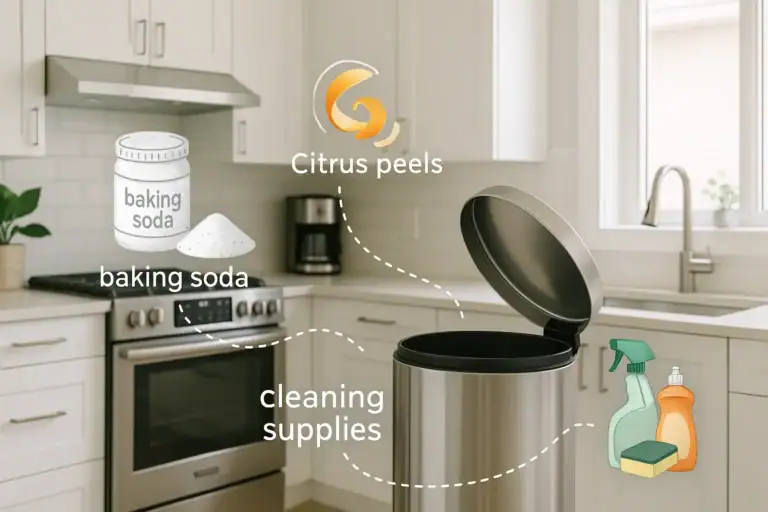 Kitchen Trash Can Odors: Liner, Lid, and Cleaning Fixes That Actually Work
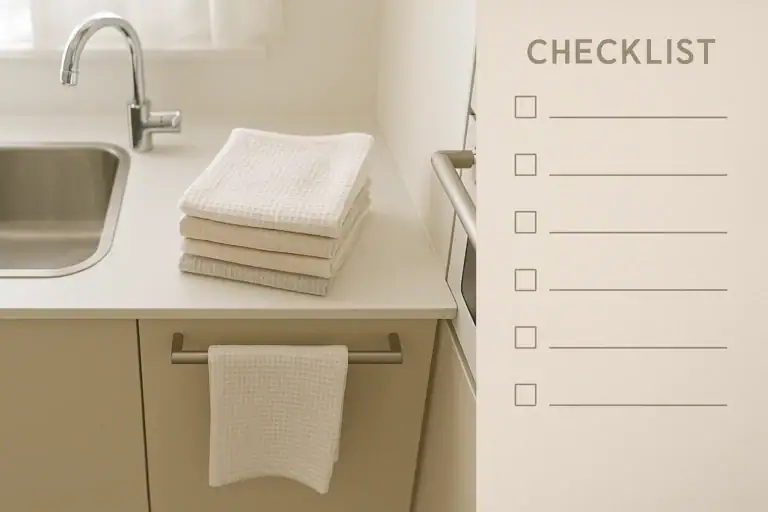 Kitchen Towel Hygiene: A Practical Checklist for Rotation and Washing Habits
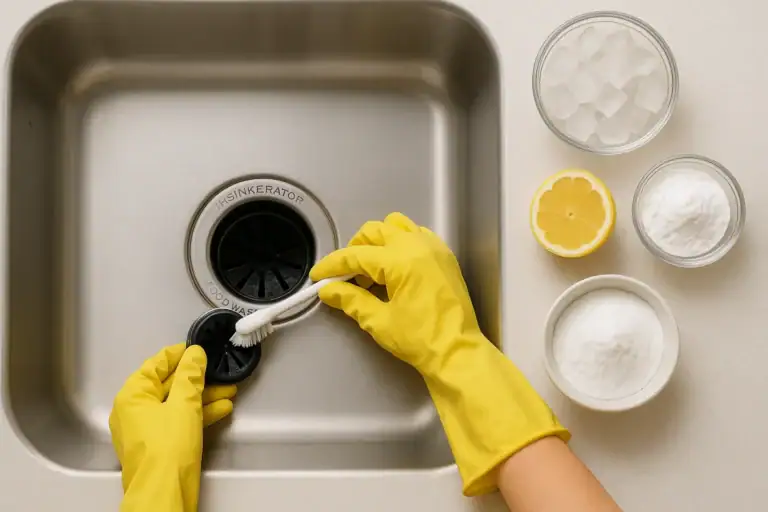 Garbage Disposal Smell Causes and a Simple Cleaning Routine That Works