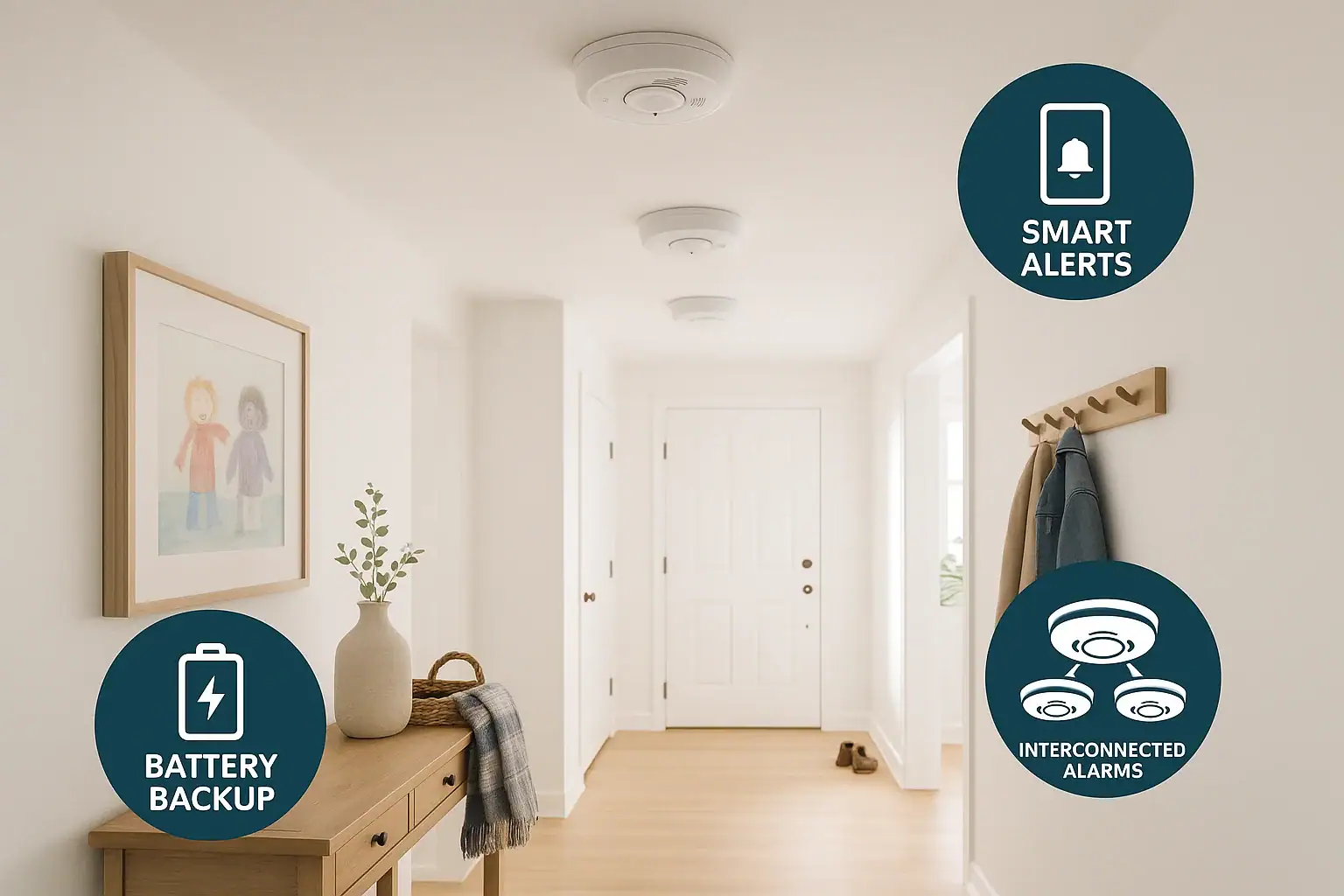
Protecting your household from fire and carbon monoxide is one of the most important safety steps you can take. A modern smoke and carbon monoxide detector combo gives you two critical protections in one device: early warning of smoke and fire, and detection of carbon monoxide, an invisible, odorless gas that can be deadly. Choosing the best combo detector is not just about price; it is about reliability, smart features, correct placement, and how well the device fits your home and lifestyle. This guide walks you through the key decisions, explains the different technologies, and helps you understand which type of detector combo is best for your home, apartment, or rental property.
Why Choose a Smoke and Carbon Monoxide Detector Combo?
Many homes still use separate smoke alarms and carbon monoxide alarms. While that can work, a combination detector offers several advantages that make it a better choice for most households.
Main benefits of combo detectors
- Two-in-one protection: One device monitors for both smoke and carbon monoxide, reducing clutter on your walls and ceilings.
- Simpler maintenance: Fewer devices mean fewer batteries to change and fewer test routines to remember.
- Consistent alerts: A single alarm sound and voice alerts (on some models) reduce confusion during an emergency.
- Cost-effective: Buying a combo unit is often less expensive than purchasing separate smoke and carbon monoxide detectors for every area.
- Streamlined smart features: Smart combo detectors integrate with home networks, apps, and other devices through one connection.
For most modern homes, a combo detector is the best-for-simplicity and best-for-coverage option, especially when you are updating or expanding your safety system.
How Smoke and Carbon Monoxide Detectors Work
Understanding how these devices work helps you choose the best technology for each area of your home. Smoke and carbon monoxide are detected in different ways, and no single type is perfect for every situation.
Smoke detection technologies
- Photoelectric sensors: Use a light beam and sensor to detect larger smoke particles, which are common in slow, smoldering fires (such as a couch or mattress slowly burning). These are best for living rooms, bedrooms, and hallways.
- Ionization sensors: Use a small amount of radioactive material to detect very small particles from fast, flaming fires (such as kitchen grease fires or paper fires). These can be more prone to nuisance alarms near kitchens.
- Dual-sensor detectors: Combine photoelectric and ionization technology in one device to improve detection across different fire types.
Carbon monoxide detection
Most carbon monoxide detectors use electrochemical sensors. These sensors respond to carbon monoxide levels over time and are designed to alarm before concentrations become life-threatening. They are highly sensitive, but they also have a limited lifespan, which is why replacement every few years is essential.
Key Features to Look For in the Best Combo Detectors
Not all smoke and carbon monoxide detector combos are the same. The best choice for you depends on your home layout, budget, and how much convenience and smart connectivity you want.
1. Power source: battery vs hardwired
- Battery-powered: Easiest to install and ideal for renters or older homes without existing wiring. Look for sealed long-life batteries (often rated for 10 years) to reduce low-battery chirps and maintenance.
- Hardwired: Connected directly to your home’s electrical system, usually with a backup battery. Best for new construction or when replacing existing wired alarms. They often support interconnection between alarms.
- Best-for-most homes: If your home already has wired alarms, replacing them with hardwired combo units plus backup batteries usually provides the most reliable protection.
2. Interconnected alarms
Interconnected detectors communicate with each other. When one alarm senses danger, all connected alarms sound.
- Wired interconnection: Uses a dedicated wire between alarms. Common in newer homes.
- Wireless interconnection: Uses radio frequency or your home network to link alarms without extra wiring.
- Best-for-larger homes: Interconnected alarms are strongly recommended for multi-story homes, larger floor plans, and homes with bedrooms far from living areas.
3. Smart home connectivity
Smart combo detectors connect to your Wi-Fi or hub and send alerts to your phone when an alarm goes off or when a sensor or battery needs attention.
- Mobile alerts: Get notifications if smoke or carbon monoxide is detected when you are away from home.
- App controls: Test alarms, silence nuisance alarms (within safety limits), and check battery status from your phone.
- Voice assistants and automation: Integrate with voice control and routines, such as turning on lights if an alarm sounds.
- Best-for-busy households: Smart detectors are ideal if you travel frequently, have kids or older adults at home, or want more insight into your home’s safety status.
4. Voice alerts and clear indicators
In an emergency, you want alarms that are unmistakable and easy to understand.
- Voice alerts: Some detectors announce the type of danger and the location, such as “smoke in the hallway” or “carbon monoxide in the basement.”
- Distinct alarm patterns: Different sound patterns for smoke and carbon monoxide help you identify the issue quickly.
- Status lights: Colored LEDs (often green, yellow, red) show whether the detector is normal, needs attention, or is in alarm mode.
- Best-for-families: Voice alerts and clear indicators are especially helpful for children, older adults, and light sleepers.
5. Sensor lifespan and replacement indicators
Both smoke and carbon monoxide sensors degrade over time. The best combo detectors clearly indicate when they are nearing the end of their useful life.
- End-of-life alerts: A distinct chirp pattern or voice message tells you when it is time to replace the unit.
- Permanent date labels: Easy-to-read manufacture and replacement dates printed on the device.
- Best-for-long-term planning: Look for units with an expected life of 7 to 10 years and clear replacement guidance.
Best-For Recommendations: Matching Detectors to Your Home
There is no single detector that is perfect for every home. Instead, think in terms of “best for” scenarios and choose models that match your situation.
Best for most single-family homes
- Hardwired combo detectors with battery backup in hallways and bedrooms.
- Photoelectric or dual-sensor smoke detection for better coverage of both smoldering and flaming fires.
- Interconnected alarms so that all units sound when one detects danger.
- Optional smart connectivity for mobile alerts and easier monitoring.
Best for apartments and rentals
- Battery-powered combo detectors that do not require rewiring.
- Sealed long-life batteries to avoid frequent chirping and battery changes.
- Compact designs that are easy to mount and remove when you move out, if allowed by your lease.
- Smart options that send alerts to your phone, especially if you are away often.
Best for homes with older adults or light sleepers
- Detectors with loud, distinct alarms and voice alerts that clearly state the hazard.
- Interconnected alarms to ensure that alarms near living areas wake people in bedrooms.
- Smart detectors that can send alerts to caregivers or family members.
- Models with large, easy-to-see status lights and simple test buttons.
Best for tech-focused households
- Smart Wi-Fi combo detectors with app control and mobile alerts.
- Integration with existing smart home platforms, lighting, and security systems.
- Advanced features such as self-testing, detailed event history, and remote silencing within safety limits.
- Wireless interconnection for flexible placement without new wiring.
Where to Install Smoke and Carbon Monoxide Detector Combos
Even the best detector will not protect you if it is installed in the wrong place or if you do not have enough units. Follow widely recommended guidelines to determine how many detectors you need and where to place them.
General placement guidelines
- On every level: Install at least one combo detector on every level of your home, including the basement and finished attic.
- Outside sleeping areas: Place detectors in hallways outside bedrooms so that alarms are easily heard at night.
- Inside bedrooms: For best protection, install detectors inside each bedroom, especially if doors are often closed.
- Near fuel-burning appliances: Place a carbon monoxide detector on each level that has a gas furnace, water heater, fireplace, or attached garage, following manufacturer distance recommendations.
Mounting height and location tips
- Ceiling preferred: Mount detectors on the ceiling, at least several inches away from walls, for the best smoke detection.
- Wall mounting: If mounted on a wall, place the detector high on the wall, several inches down from the ceiling.
- Away from vents: Avoid placing detectors near air vents, fans, or windows where airflow can delay detection.
- Kitchen considerations: To reduce nuisance alarms, do not place smoke detectors directly in the kitchen. Instead, place them just outside the kitchen, following manufacturer guidance.
Special areas
- Basements: Place a detector on the ceiling at the bottom of the stairs leading up to the main level.
- Garages: Do not place standard smoke detectors directly in garages due to exhaust and dust, but be sure there is a carbon monoxide detector near the door leading from the garage into the home.
- High ceilings and vaulted spaces: Follow manufacturer guidance; some detectors are designed for higher ceilings and may require specific placement.
Installation and Maintenance Best Practices
Proper installation and regular maintenance are just as important as choosing the best detector. A neglected alarm may fail when you need it most.
Installation tips
- Read the manufacturer instructions fully before installation.
- Use the included mounting bracket and hardware for secure attachment.
- For hardwired units, consider hiring a qualified electrician if you are not comfortable working with electrical wiring.
- Label each detector with its installation date and expected replacement date.
- After installation, press the test button to confirm that the alarm sounds and, if applicable, that interconnected units respond.
Ongoing maintenance
- Monthly testing: Press the test button on each detector once a month to verify that alarms and interconnections work.
- Battery checks: Replace replaceable batteries at least once a year, or immediately if you hear low-battery chirps.
- Cleaning: Gently vacuum around the detector vents every few months to remove dust and cobwebs.
- Replacement schedule: Replace combo detectors according to the manufacturer’s recommended lifespan, typically every 7 to 10 years.
- Avoid paint and decorations: Do not paint over detectors or cover them with decorations, which can block sensors.
Carbon Monoxide Safety Basics
Carbon monoxide is produced whenever fuel burns, including gas, oil, wood, and charcoal. Because you cannot see or smell it, detectors are your primary defense.
Common sources of carbon monoxide in homes
- Gas furnaces and boilers
- Gas water heaters and stoves
- Fireplaces and wood stoves
- Portable generators and fuel-powered tools
- Vehicles running in attached garages
Prevention tips
- Have heating systems and chimneys inspected regularly by qualified professionals.
- Never run a vehicle, generator, or fuel-powered tool inside a garage, even with the door open.
- Use fuel-burning space heaters only as directed and never while sleeping.
- Ensure vents and flues are clear of snow, leaves, and debris.
- Install combo detectors in recommended locations and respond immediately to any carbon monoxide alarm.
What to Do If Your Detector Alarms
Knowing how to respond can save lives. The correct response depends on whether the alarm is for smoke or carbon monoxide, and whether you see or smell signs of fire.
If the smoke alarm sounds
- Check doors for heat before opening them.
- If there is smoke or fire, follow your family escape plan immediately.
- Crawl low under smoke, close doors behind you, and leave the home as quickly as possible.
- Once outside, call emergency services and do not re-enter the home until it is declared safe.
If the carbon monoxide alarm sounds
- Move everyone outdoors or to fresh air immediately.
- Call emergency services from outside the home or from a neighbor’s home.
- Do not re-enter the home until professionals say it is safe.
- Have all fuel-burning appliances inspected before using them again.
Creating a Whole-Home Safety Plan
The best smoke and carbon monoxide detector combo is most effective when it is part of a broader safety plan for your household.
Steps to build your plan
- Map your home and mark where each detector is or should be installed.
- Identify at least two escape routes from every bedroom.
- Choose a safe meeting place outside, away from the home.
- Practice your escape plan with all household members at least twice a year.
- Review how to recognize the alarm sounds and voice alerts from your combo detectors.
By combining reliable smoke and carbon monoxide detector combos with smart placement, regular maintenance, and a practiced escape plan, you significantly improve your home’s safety. Take time to evaluate your current setup, fill any gaps, and consider upgrading to interconnected or smart combo detectors that match your home and lifestyle. A few thoughtful choices today can provide years of added protection for you and the people you care about.
 Smart Smoke Alarm vs Standard Smoke Alarm: Which Is Better for Your Home?
 Smart Motion Sensor Lighting Placement for Safer Entryways and Hallways
 Sump Pump Alarm and Battery Backup Basics: A Practical Homeowner Guide