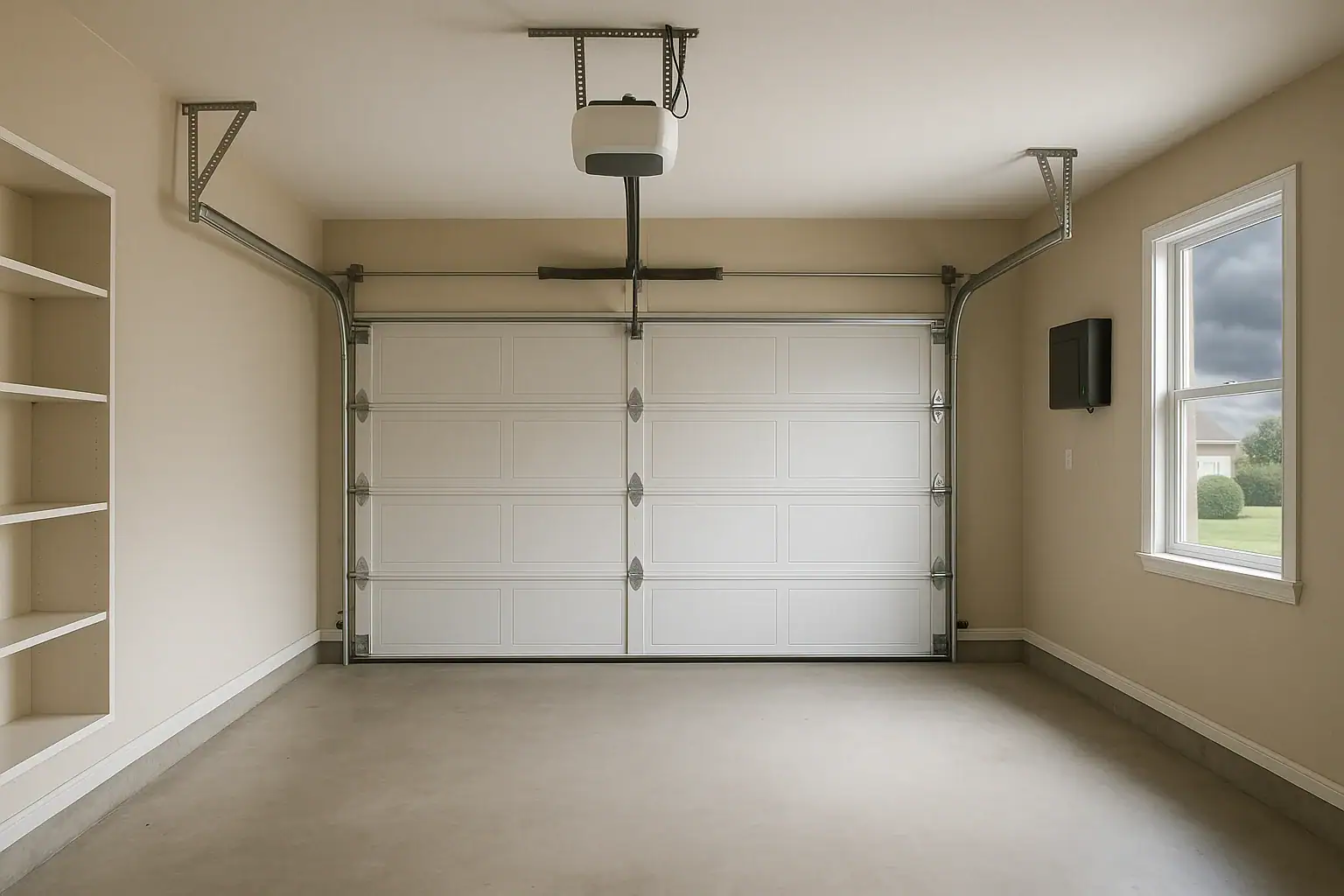
When the power goes out, a garage door can quickly turn from a convenient entry point into a frustrating and even unsafe barrier. A battery backup system for your garage door opener is a simple upgrade that can make a big difference during storms, grid failures, and other emergencies. This guide walks you through the essentials of garage door battery backup basics for power outages so you can decide whether it is right for your home, how to choose a system, and what to expect from installation and maintenance.
Many households rely on the garage as the main way in and out of the home. If your opener stops working during an outage, you may be stuck outside in bad weather or unable to get your vehicle out in an emergency. Understanding how battery backup systems work and how to use them safely is an important part of a smart home and safety plan. The information below focuses on practical steps and straightforward explanations to help you make informed decisions.
What Is a Garage Door Battery Backup System?
A garage door battery backup system is a rechargeable battery that powers your garage door opener when your home loses electricity. Instead of being completely dependent on the electrical grid, your opener can continue to operate for a limited time using stored energy in the battery.
Battery backup systems are usually designed to integrate with compatible openers. Some openers have a built-in backup battery compartment, while others use an external battery unit that mounts near the opener.
Key Components of a Battery Backup System
- Rechargeable battery: Typically a sealed battery designed for intermittent use, similar to what you might find in backup power supplies.
- Charging circuit: Keeps the battery charged while power is available, so it is ready when an outage occurs.
- Control electronics: Automatically switch the opener from line power to battery power when the electricity goes out.
- Status indicators: Lights or alerts that show charging status, battery health, and when the system is running on backup power.
Why Battery Backup Matters During Power Outages
Power outages can happen at any time and for many reasons: storms, high winds, heat waves, grid failures, or routine maintenance. A garage door battery backup offers several important benefits during these events.
Safety and Emergency Access
One of the main reasons to install a battery backup is to maintain safe access to your home in an emergency. Consider these scenarios:
- You need to drive to a medical appointment or hospital during a storm, but the power is out and your car is trapped in the garage.
- You arrive home at night during a blackout and do not want to leave your vehicle outside or walk around the house in the dark to find another entrance.
- You need to evacuate quickly due to a fire, gas leak, or other urgent situation and cannot afford delays at the garage door.
With a battery backup, your opener can still lift and lower the door, reducing stress and keeping your options open when time matters most.
Convenience and Comfort
Even when there is no immediate emergency, a non-functioning garage door is inconvenient. Manually lifting a heavy door can be difficult or impossible for some people, especially older adults or anyone with mobility limitations. A battery backup helps you avoid:
- Struggling with a heavy door in bad weather
- Leaving your vehicle outside overnight due to a stuck door
- Tracking dirt, snow, or rain into the home while you troubleshoot the opener
Part of a Broader Home Safety Plan
Battery backup for your garage door fits naturally into a broader home safety and preparedness strategy that might include flashlights, smoke alarms, surge protection, and backup power for critical devices. Treating your garage door as an essential access point helps you plan more effectively for outages.
How Garage Door Battery Backup Systems Work
Understanding the basics of how these systems operate can help you use them correctly and spot potential issues early.
Normal Operation vs. Outage Mode
Under normal conditions, your opener draws power from the electrical outlet. The battery remains in a standby state, charging as needed. When the electricity fails, the control electronics automatically switch the opener to battery power.
During an outage, you can usually operate the door with your remote, wall button, or keypad just as you normally would, but there are limits to how many times you can open and close the door before the battery runs down.
Typical Runtime and Number of Cycles
Most residential battery backup systems are designed to provide a limited number of full open-and-close cycles during a power outage. Actual performance depends on several factors:
- Battery capacity and age
- Weight and balance of the garage door
- Temperature in the garage (batteries perform differently in extreme heat or cold)
- How often you operate the door while on backup power
Many systems are built to handle multiple cycles over a 24-hour period, which is usually enough to get you through a typical outage. For longer outages, you may need to use the door more sparingly or switch to manual operation to conserve battery life.
Battery Charging and Self-Testing
When power is restored, the system automatically recharges the battery. Some units also perform periodic self-tests to monitor battery health. Indicator lights or audible alerts may let you know if the battery is failing or not holding a charge, so you can replace it before the next outage.
Types of Garage Door Battery Backup Options
Not every garage door opener is compatible with a battery backup, and not every home needs the same type of system. Knowing your options helps you choose the right setup for your situation.
Integrated vs. Add-On Backup Systems
- Integrated systems: Some openers are designed from the start with a built-in battery compartment. The battery fits inside the opener housing or in a dedicated slot, and the electronics are designed to work together seamlessly.
- Add-on systems: In other cases, you can attach a compatible external battery unit to your existing opener. These systems mount near the opener and connect with a cable.
Before purchasing, check your opener model and documentation to see whether it supports an integrated or add-on battery backup. If you are unsure, a garage door professional can often determine compatibility quickly.
Battery Types and Lifespan
Most garage door backup systems use sealed, maintenance-free batteries designed for standby use. Typical lifespan ranges from three to five years, depending on usage patterns, temperature, and charging quality.
Signs that your battery may need replacement include:
- Warning lights or beeping from the opener or battery unit
- Reduced number of door cycles during an outage
- Failure to operate the door even though the battery is installed
Choosing a Battery Backup System for Your Garage Door
Selecting the right battery backup involves more than just buying the first compatible unit you find. Consider the following factors to match the system to your needs.
1. Compatibility with Your Existing Opener
Compatibility should be your first concern. Check:
- Your opener model number (usually on the motor housing)
- Owner’s manual or manufacturer documentation
- Any labels indicating support for battery backup
If your opener is older or does not support battery backup, you may need to upgrade to a new opener that includes this feature.
2. Door Size, Weight, and Usage
The size and weight of your garage door influence how much power is needed to lift it. Heavier doors or doors that are not well balanced put more strain on the opener and the battery.
Also consider how often you use the garage door in daily life. Households that use the garage as the main entry point may want a system capable of more cycles during an outage.
3. Climate and Installation Location
Batteries are sensitive to temperature. If your garage is uninsulated and experiences extreme heat or cold, look for systems rated for a wide temperature range. In some climates, it may be worth improving insulation or ventilation to help protect the battery and opener.
4. Budget and Long-Term Costs
When evaluating cost, consider both the initial purchase and long-term expenses:
- Price of the battery backup unit or new opener
- Expected battery replacement interval
- Any professional installation fees
Over the life of the system, replacement batteries are usually the main recurring cost. Planning for these replacements helps avoid surprises later.
Installation: DIY or Professional?
Many homeowners wonder whether they can install a garage door battery backup themselves or if they should hire a professional. The answer depends on your comfort level with basic electrical and mechanical tasks, and on the specific system you choose.
What a Typical Installation Involves
For an add-on battery backup, installation generally includes:
- Mounting the battery unit on the ceiling or wall near the opener
- Connecting the battery unit to the opener using the supplied cable
- Securing wires neatly to avoid interference with the door or tracks
- Testing the system by simulating a power outage (unplugging the opener briefly)
For a new opener with integrated backup, installation also involves removing the old opener, mounting the new unit, adjusting travel limits, and confirming safety sensor alignment.
When to Consider Professional Installation
Professional installation may be the safer choice if:
- You are not comfortable working on ladders or near the torsion springs and tracks
- Your opener or door needs adjustment or repair
- You are upgrading to a new opener with more advanced features
A professional can also check that your door is properly balanced. A well-balanced door reduces strain on both the opener and the battery, improving performance and longevity.
How to Use Your Garage Door Safely During an Outage
Once your battery backup is installed, safe operation during a power outage is straightforward, but there are a few best practices to keep in mind.
Recognizing When You Are on Battery Power
Most systems provide a visual or audible signal when running on battery power, such as a flashing light or a beep. Learn what indicators your system uses and review the manual so you can recognize outage mode quickly.
Conserving Battery Life
To make the most of the backup during an outage:
- Limit the number of times you open and close the door
- Avoid using the opener just to check whether the power is back on
- Plan trips in and out so you can combine errands and reduce cycles
Switching to Manual Operation
If the battery becomes depleted or if you prefer to conserve power, you can still operate the garage door manually. Every opener includes a manual release mechanism, usually a red or clearly marked cord hanging from the opener rail.
To use the manual release safely:
- Ensure the door is fully closed, if possible, before pulling the release cord.
- Pull the cord straight down to disengage the opener from the door.
- Lift the door carefully using the handle, keeping fingers away from the door sections and tracks.
- When power is restored and you are ready to use the opener again, re-engage the release according to the instructions for your opener model.
If the door feels extremely heavy or difficult to move, stop and contact a garage door professional. A door that is out of balance can be dangerous to lift manually.
Maintenance Tips for Long-Lasting Battery Backup
Regular maintenance helps ensure your backup system works when you need it most. Fortunately, the routine is simple and does not take much time.
Check Battery Status Periodically
At least twice a year, do a quick inspection:
- Look at the indicator lights on the battery unit or opener
- Listen for any warning beeps or alarms
- Confirm that the power cord is securely plugged in and not damaged
Many homeowners combine this check with other seasonal tasks, such as testing smoke alarms or changing air filters.
Test Operation Under Backup Power
Once or twice a year, you can briefly unplug the opener to simulate a power outage and confirm that the battery backup engages. Open and close the door once, then plug the opener back in so the battery can recharge. Avoid repeated cycles during testing, since each use draws down the battery.
Replace the Battery on Schedule
Even with light use, batteries wear out over time. Follow the recommended replacement interval in your manual, and consider replacing the battery sooner if you live in an area with frequent outages or extreme temperatures.
When replacing the battery:
- Turn off power to the opener for safety
- Follow the instructions for opening the battery compartment or removing the external unit
- Dispose of the old battery at a proper recycling or hazardous waste facility
Planning Ahead for Power Outages
Adding a battery backup to your garage door opener is one step in a larger preparedness plan. To get the most benefit from your system, consider these additional tips:
- Keep a flashlight near the garage entry door so you can see the manual release if needed.
- Show all household members how to operate the garage door during an outage, including manual release procedures.
- Review your overall emergency plan, including how you will communicate, where you will go, and what supplies you will need if an outage lasts longer than expected.
For more ideas on integrating your garage door backup into a complete smart home and safety strategy, you can explore additional resources and planning guides, such as those found at your favorite home safety information hubs, including this smart home and safety hub.
Is a Garage Door Battery Backup Right for You?
Whether a battery backup is a must-have or a nice-to-have depends on your lifestyle, local climate, and how you use your garage. It is especially worth considering if:
- You live in an area with frequent storms or grid issues
- You rely on the garage as your primary home entrance
- Someone in your household would have difficulty lifting the door manually
- You want reliable access to your vehicle during emergencies
By understanding the basics of garage door battery backup systems, you can choose equipment that fits your needs, install it safely, and maintain it so it is ready when the lights go out. With a little planning and a modest investment, you can turn a potential weak point in your home into a reliable part of your overall safety plan.
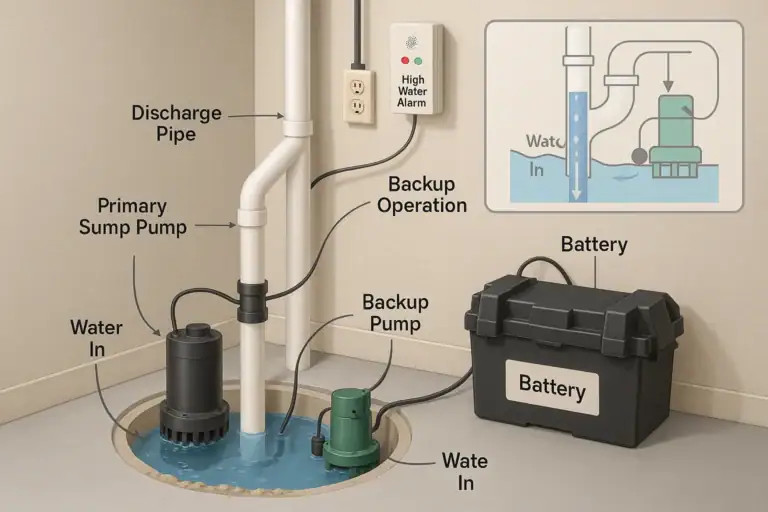 Sump Pump Alarm and Battery Backup Basics: A Practical Homeowner Guide
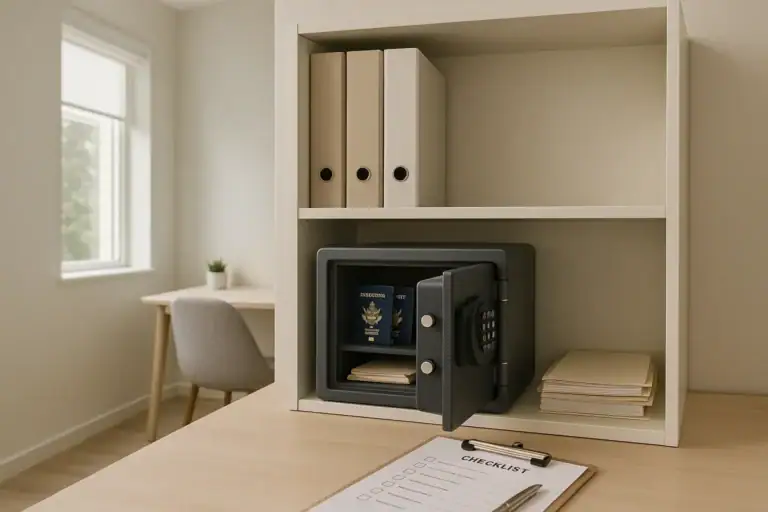 Home Safe Basics: What to Store Inside and Where to Place It
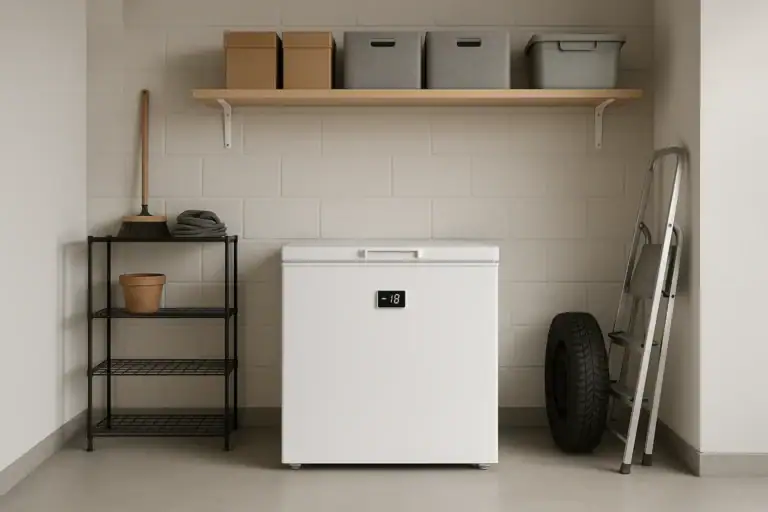 Garage Freezer High Temperature Alarm Guide