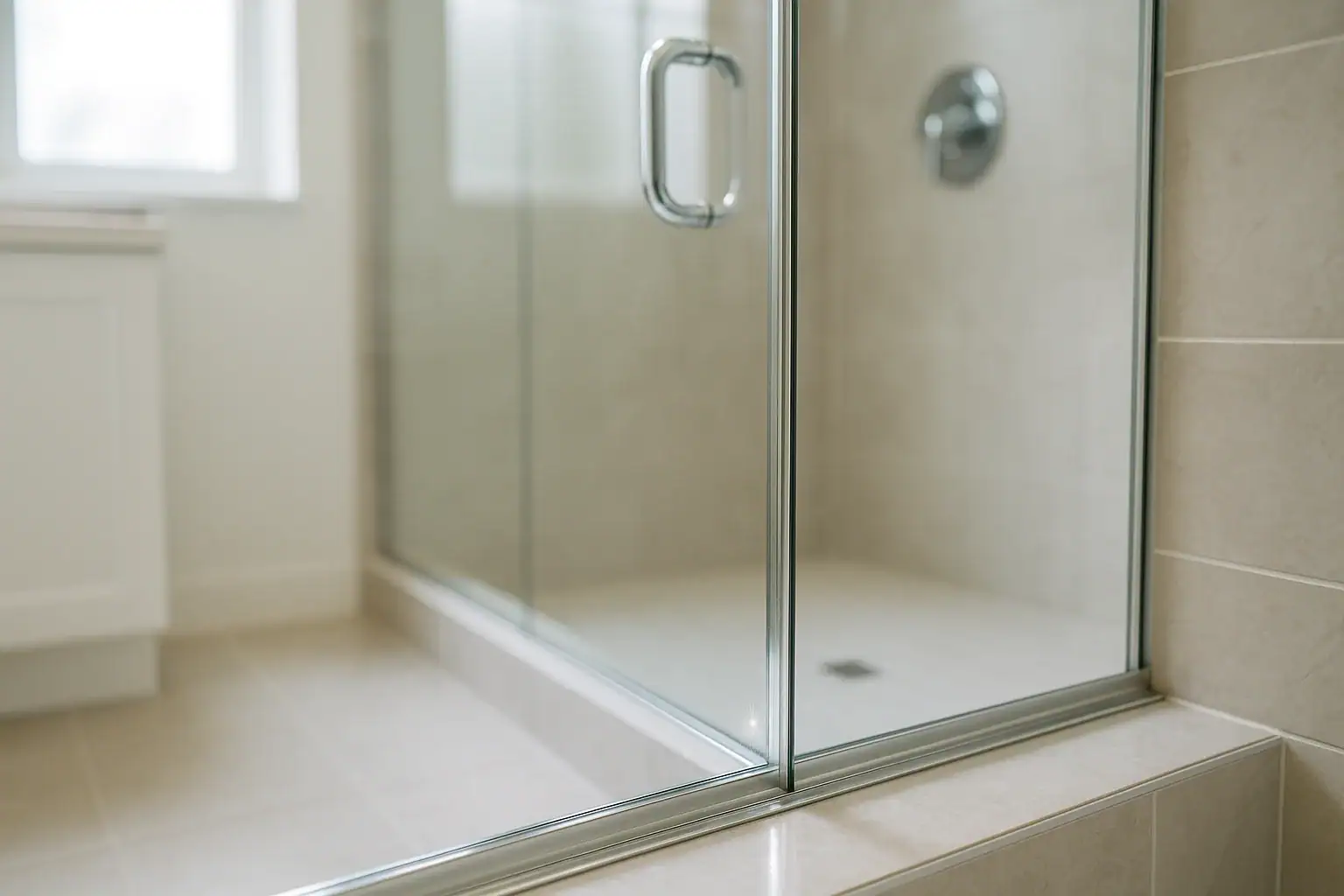
Shower door tracks take a lot of abuse. Water, soap scum, body oils, shampoo residue, and hard water minerals all collect in those narrow channels. Over time they turn into a slimy, discolored mess that can smell bad and make your bathroom feel less than clean. The good news is that you can restore those tracks and keep them that way with a simple, repeatable routine. You do not need harsh chemicals or special tools, just a little time and consistency.
This guide walks you through exactly how to clean shower door tracks, remove stubborn slime and grime, and set up a quick maintenance plan so buildup does not return. You will learn what causes the slime, what tools actually help, and how to protect the metal and finishes while you clean. Whether your tracks are lightly dirty or seriously neglected, you can use these steps to get them back to smooth, clean, and easy to slide.
Why Shower Door Tracks Get Slimy
Understanding what causes slime in shower door tracks makes it easier to treat and prevent it. Those narrow channels trap moisture and residue, creating the perfect environment for buildup.
Main causes of slime and gunk
- Standing water: Water pools in the low spots of the track and does not fully drain, especially if the track is not perfectly level.
- Soap scum: Soap and body wash combine with minerals in water to form a sticky film that clings to metal and plastic.
- Body oils and product residue: Oils from skin, conditioners, and shaving products stick to the track and attract dust and grime.
- Mildew and biofilm: In a damp, dark track, microorganisms can grow, forming a slimy layer that can look pink, gray, or dark.
- Hard water deposits: Minerals from hard water leave white or chalky buildup that traps even more dirt.
Because the track is narrow and often hidden under the door, it is easy to ignore until the door sticks, squeaks, or you notice visible slime. A focused deep clean followed by quick weekly care solves most of these issues.
Supplies You Will Need
You can clean most shower door tracks with basic household items. Gather your supplies before you start so you can work efficiently.
Basic cleaning tools
- Old toothbrush or small scrub brush
- Cotton swabs or small detailing brushes for tight corners
- Soft cloths or microfiber towels
- Paper towels or disposable cloths for heavy grime
- Plastic scraper or old plastic card (for mineral deposits)
- Small cup or squeeze bottle for rinsing
Cleaning solutions
- Warm water
- Mild dish soap
- White vinegar (for mineral deposits and soap scum)
- Baking soda (for gentle scrubbing)
- Hydrogen peroxide (optional, for stubborn mildew stains)
- Mild bathroom cleaner, if desired
Safety and protection
- Rubber or disposable gloves
- Ventilation (fan on or window open)
- Knee pad or folded towel to kneel on while cleaning
Avoid abrasive powders or metal scrubbers that can scratch the track or damage finishes. Also be cautious with strong chemicals that can discolor metal or caulk.
Step-by-Step: Deep Clean Slimy Shower Door Tracks
Use this deep cleaning process when your shower door tracks are visibly slimy, sticky, or stained. Plan on 20 to 40 minutes, depending on how dirty they are.
Step 1: Prepare the area
- Open the shower door fully so you can access the entire track.
- If your door is framed, look for a removable track cover; if it lifts out easily, remove it and set it aside.
- Lay a towel on the bathroom floor outside the shower to catch drips and grime.
Step 2: Remove loose debris
Before using liquid cleaners, get rid of hair, sand, and loose buildup.
- Use a dry paper towel or cloth to wipe along the length of the track.
- Pull out hair, small bits of soap, and any loose pieces with gloved hands or tweezers.
- Use a dry toothbrush to loosen material from corners and around rollers or guides.
Removing loose debris first keeps it from turning into a muddy paste when you add water.
Step 3: Apply a soapy solution
A mild soapy solution helps break down oils and soap scum.
- Fill a small bowl or cup with warm water.
- Add a few drops of mild dish soap and mix until slightly sudsy.
- Dip your toothbrush or small brush into the solution.
- Scrub along the track, focusing on slimy areas and corners.
Work in sections so the solution does not dry out. Re-dip your brush often to rinse away loosened grime.
Step 4: Target stubborn slime and stains
If the slime is thick or you see dark or pinkish stains, add a little extra cleaning power.
Option A: Baking soda paste
- Sprinkle a light layer of baking soda directly into the damp track.
- Use your wet brush to work it into a paste over the slimy areas.
- Let it sit for 5 to 10 minutes to loosen buildup.
- Scrub again with the brush, paying attention to corners and seams.
Option B: Vinegar for soap scum and minerals
Vinegar helps dissolve mineral deposits and soap scum. Do not use it on natural stone surfaces, and avoid letting it sit on damaged metal.
- Pour white vinegar into a small cup or spray bottle.
- Apply vinegar along the track, especially on white, chalky, or rough areas.
- Let it sit for 5 to 10 minutes.
- Scrub with the toothbrush to lift softened deposits.
If you used baking soda first, you can add a small amount of vinegar over the paste. It will fizz and help lift grime, but use a light touch and avoid splashing.
Step 5: Detail the corners and hardware
Slime often hides where the track meets the wall, under rollers, and around screws or guides.
- Use cotton swabs or a narrow detailing brush dipped in your cleaning solution.
- Work along the edges of the track, into screw heads, and around any plastic guides.
- For tight spots, gently twist the swab to pick up grime instead of just pushing it around.
Step 6: Address mildew stains (if needed)
If you still see dark mildew stains after cleaning, you can spot treat them.
- Dry the stained area with a cloth.
- Apply a small amount of hydrogen peroxide to a cotton swab or cloth.
- Dab it onto the stain and let it sit for 5 to 10 minutes.
- Gently scrub and then rinse thoroughly.
Always ventilate the bathroom and avoid mixing different chemical cleaners. Stick with one type of treatment at a time.
Step 7: Rinse thoroughly
Rinsing is essential so cleaner residue does not attract new grime.
- Use a small cup or squeeze bottle filled with clean warm water.
- Slowly pour or squeeze water along the track, flushing away loosened debris.
- Wipe with a clean cloth to pick up remaining residue.
- Repeat until the cloth comes away mostly clean.
Step 8: Dry completely
Drying the track is a key step to prevent slime from returning quickly.
- Use a dry microfiber cloth or towel to wipe the entire track.
- Fold the cloth to reach into grooves and corners.
- Leave the shower door open for at least 30 minutes so remaining moisture can evaporate.
How to Keep Shower Door Tracks from Getting Slimy Again
Once your tracks are clean, a few small habits will keep them that way. The goal is to reduce standing water, remove residue quickly, and keep air moving.
Daily habits that make a big difference
- Rinse after each shower: After you shower, quickly run warm water along the track to rinse away fresh soap and product residue.
- Squeegee or wipe down: Wipe the bottom edge of the door and the track with a small squeegee or cloth to remove excess water.
- Leave the door open: Keep the shower door partially or fully open after use so air can circulate and the track can dry.
- Run the fan: Use the bathroom exhaust fan during and after showers to reduce humidity.
Weekly quick clean routine
A five-minute weekly clean prevents slime from building up again.
- Mix warm water with a drop or two of dish soap in a small container.
- Dip a toothbrush into the solution and quickly scrub the length of the track.
- Focus on corners and low spots where water tends to sit.
- Rinse with a small amount of clean water.
- Dry thoroughly with a cloth.
If your water is hard or you notice a white film starting to form, use a vinegar rinse every few weeks to keep mineral deposits from building up.
Monthly deeper check
Once a month, take a closer look at the track and hardware.
- Inspect for cracks in caulk where water might be seeping under the track.
- Check that the track is draining and not holding large puddles.
- Look for early signs of rust, pitting, or peeling finishes.
- Clean rollers and guides if you can access them safely.
Catching small issues early helps you avoid bigger repairs or replacement later.
Extra Tips for Different Types of Shower Door Tracks
Not all shower door tracks are the same. Adjust your approach slightly based on the material and style you have.
Metal tracks
- Avoid abrasive pads that can scratch the finish and invite corrosion.
- Do not leave strong acidic or alkaline cleaners sitting on the metal.
- Dry thoroughly after cleaning to reduce the chance of rust.
Plastic or vinyl tracks
- Use gentle scrub brushes to avoid gouging softer surfaces.
- Warm soapy water and baking soda are usually enough for heavy grime.
- Avoid very hot water that might warp thin plastic pieces.
Frameless or low-profile tracks
Frameless doors often have smaller channels or guides instead of full tracks.
- Pay attention to the bottom seal and where it meets the threshold.
- Wipe down the threshold area after each shower to prevent puddling.
- Clean around any clips or brackets where water can sit.
How to Deal with Tough Mineral Deposits
If you live in an area with hard water, you may see rough, chalky, or crusty buildup in your shower door tracks. This is usually mineral scale, and it needs a bit of extra attention.
Gentle removal method
- Soak a cloth or paper towel in white vinegar.
- Lay it along the mineral deposits in the track.
- Let it sit for 15 to 20 minutes, keeping it damp.
- Remove the cloth and scrub gently with a toothbrush.
- Use a plastic scraper or old plastic card to carefully lift softened deposits.
- Rinse thoroughly and dry.
Repeat as needed rather than trying to remove everything in one aggressive session. Slow, gentle removal protects the track surface.
When to Consider Repairs or Replacement
Regular cleaning will keep most shower door tracks in good shape, but sometimes damage or age makes cleaning less effective.
Signs your track may need attention beyond cleaning
- Persistent rust spots that return quickly after cleaning
- Deep pitting or peeling finishes on the metal
- Cracked or broken plastic sections
- Standing water that will not drain due to warping or improper slope
- A door that repeatedly jumps the track or sticks even when clean
If you notice these issues, a professional inspection or replacement of parts may be the safest long-term solution. Keeping the track clean will still help, but it may not completely solve functional problems.
Simple Checklist: Clean and Slime-Free Shower Door Tracks
Use this quick checklist to stay on track with maintenance:
After each shower
- Rinse the track with warm water.
- Wipe or squeegee away excess water.
- Leave the door open to dry.
Once a week
- Scrub the track with warm soapy water.
- Rinse and dry thoroughly.
Once a month
- Inspect for mildew, mineral deposits, or damage.
- Use vinegar to dissolve early mineral buildup if needed.
With these simple steps, your shower door tracks can stay clean, smooth, and free of slime. Consistent, light maintenance is much easier than tackling heavy buildup, and it keeps your bathroom looking and feeling fresh.
 Mop Head Cleaning, Replacement, and Drying Habits: A Complete Guide
 How to Clean a Dryer Lint Trap Housing Safely
 How to Remove Water Stains on Glass Tables, Mirrors, and Shower Glass