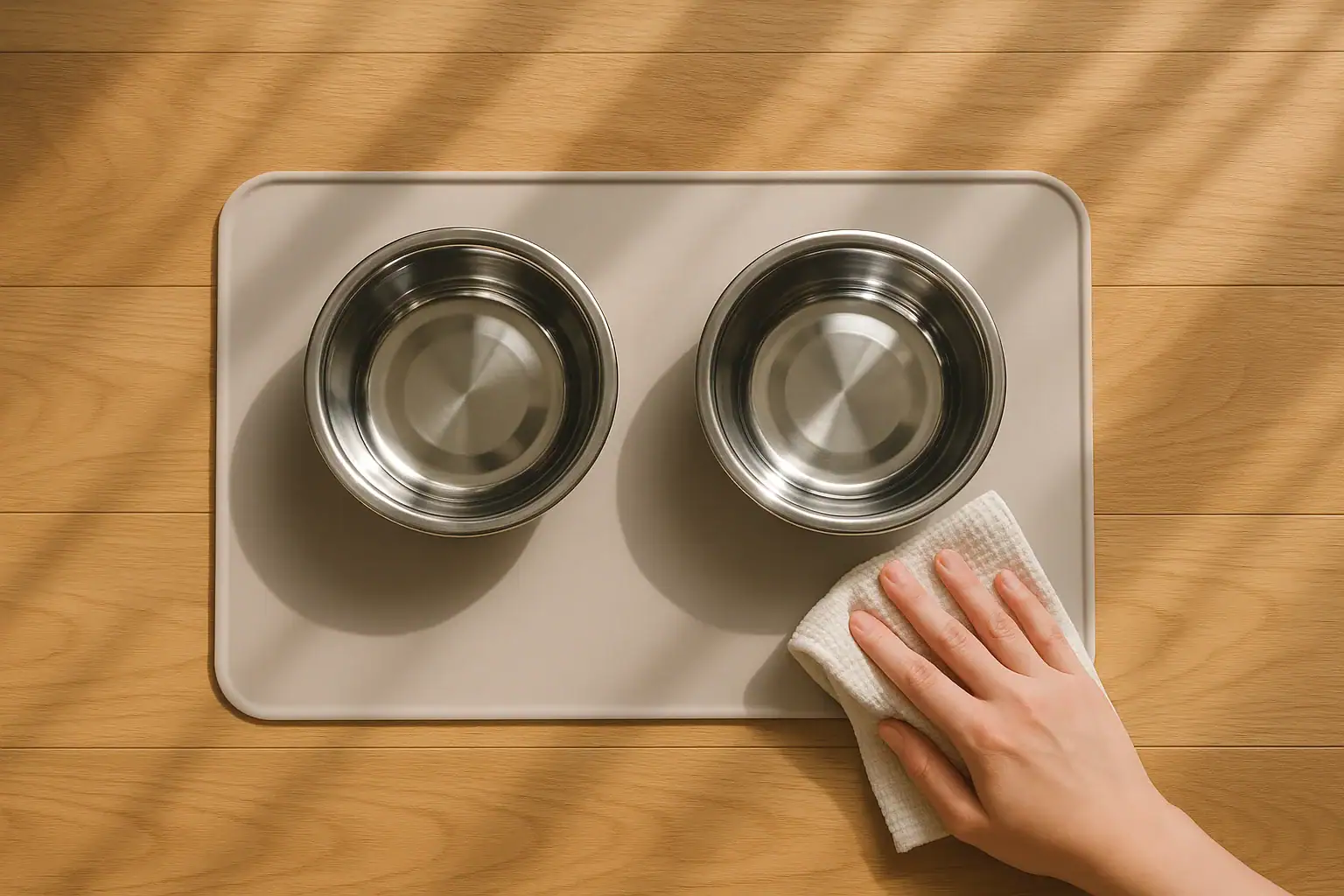
Pet feeding areas can quietly become some of the germiest spots in a home. Food residue, drool, and standing water create a perfect environment for bacteria, mold, and pests. A few simple cleaning habits can dramatically improve hygiene, reduce odors, and help keep both your household and your pets healthier. This guide walks you through how to clean pet bowls, mats, and feeding zones safely, using methods that are effective yet gentle enough for everyday use.
Whether you share your home with dogs, cats, or other small animals, the basics are the same: choose safe materials, wash them correctly, and keep the surrounding area tidy and dry. You do not need complicated products or harsh chemicals to maintain a clean feeding space. With clear routines and a little organization, you can keep pet mealtimes sanitary without adding a lot of work to your day.
Why Cleaning Pet Feeding Areas Matters
It is easy to overlook pet bowls and mats because they are small and used constantly. However, they come into contact with saliva, food, and water multiple times a day, which can allow germs to multiply quickly. Regular cleaning protects both pets and people, especially children who may touch the bowls or play on the floor nearby.
Common problems in dirty feeding areas
- Bacteria growth: Leftover food and drool can harbor harmful bacteria that may cause stomach upset or infections.
- Mold and mildew: Constant moisture around water bowls and mats can lead to mold growth, especially in cracks and corners.
- Pests: Ants, flies, and even rodents are attracted to crumbs and spilled food.
- Odors: Old food residue and standing water can create lingering smells that spread beyond the feeding area.
- Staining and damage: Food dyes and moisture can stain floors and damage certain materials if not cleaned promptly.
By building simple daily and weekly routines, you keep these issues under control and create a safer environment for everyone in your home.
General Safety Tips Before You Start
Before you begin cleaning pet bowls, mats, and feeding areas, it helps to understand some basic safety guidelines. These ensure that your cleaning process is effective without introducing new risks.
- Use pet-safe cleaners: Mild dish soap, baking soda, and diluted white vinegar are generally safe when rinsed thoroughly. Avoid harsh chemicals that leave strong residues or fumes.
- Rinse very well: No matter what cleaner you use, rinse thoroughly with clean water so no soap or cleaner remains on surfaces that touch food or water.
- Separate pet and human dishes: Wash pet bowls separately from human dishes if possible, or wash them last and sanitize the sink afterward.
- Check for damage: Cracked, chipped, or deeply scratched bowls and mats can trap bacteria and may need to be replaced.
- Dry completely: Bacteria and mold thrive on damp surfaces, so always allow bowls and mats to air-dry or towel-dry fully.
How to Clean Pet Food Bowls Safely
Food bowls collect oils, crumbs, and saliva with every meal. Cleaning them properly keeps your pet’s food fresher and reduces the chance of contamination.
How often to wash food bowls
- Daily: Wash food bowls after every meal for wet food or at least once a day for dry food.
- More often for raw diets: If you feed raw meat, wash bowls immediately after each meal.
Step-by-step: Hand-washing pet food bowls
- Empty leftover food: Scrape remaining food into the trash, not the sink, to avoid clogs and odors.
- Rinse with warm water: Rinse off loose debris so washing is easier and more effective.
- Wash with dish soap: Use a dedicated sponge or brush and mild dish soap. Scrub all surfaces, including the underside and any ridges.
- Pay attention to edges: Clean around rims and any seams where food can build up.
- Rinse thoroughly: Rinse under running water until no soap bubbles remain.
- Dry completely: Air-dry upside down on a clean rack or dry with a clean towel.
Dishwasher-safe food bowls
Many metal and some heavy-duty plastic or ceramic bowls can go in the dishwasher. Check for any labels or manufacturer guidance if you still have it. When using a dishwasher:
- Place bowls on the top rack if possible to avoid warping.
- Use a regular or hot water cycle for better sanitizing.
- Ensure bowls are completely dry before refilling.
Dealing with stubborn stains and odors
Over time, food bowls may develop stains or lingering smells. You can safely tackle these with gentle ingredients:
- Baking soda paste: Mix baking soda with a little water to form a paste. Apply to stained areas, let sit for 10–15 minutes, then scrub and rinse thoroughly.
- Vinegar soak: For metal or ceramic bowls, soak in a mix of one part white vinegar to three parts water for 10–20 minutes, then wash with soap and water and rinse well.
Avoid abrasive scrubbers on delicate finishes, as they can scratch the surface and create tiny grooves that trap bacteria.
How to Clean Pet Water Bowls Safely
Water bowls may look clean, but they can quickly develop a slimy film known as biofilm, which can harbor bacteria. Regular cleaning keeps the water fresh and more appealing to your pet.
How often to wash water bowls
- Daily: Empty, rinse, and refill at least once a day.
- Every 1–2 days: Wash with soap and water, especially if you notice any slime or discoloration.
Step-by-step: Cleaning water bowls
- Empty the bowl: Pour out old water and any debris.
- Rinse with warm water: Rinse to remove loose particles.
- Scrub with soap: Use a soft brush or sponge and mild dish soap to scrub the entire bowl, focusing on the water line where film often forms.
- Rinse very well: Rinse until the bowl feels slick-free and no soap remains.
- Dry or refill: You can air-dry or immediately refill with fresh drinking water.
Preventing slime and mineral buildup
If your water is hard or your pet’s bowl often develops a film, add these habits:
- Use a dedicated bottle brush or bowl brush to reach into corners.
- Once a week, soak the bowl in a mix of equal parts white vinegar and water for 10 minutes, then wash with soap and rinse thoroughly.
- Replace heavily scratched plastic bowls, which can hold more residue.
Cleaning Different Pet Bowl Materials
Not all bowls should be cleaned the same way. The material affects how you wash and how often you may need to replace them.
Metal bowls
Metal bowls are durable and usually easy to clean.
- Safe for regular dish soap and hot water.
- Often dishwasher-safe; check for any special care instructions.
- Avoid harsh abrasives that can scratch the surface.
- Dry completely to prevent water spots and rust on lower-quality metals.
Ceramic bowls
Ceramic bowls can be attractive and heavy enough to stay in place.
- Wash with mild dish soap and a soft sponge.
- Many are dishwasher-safe, but avoid sudden temperature changes to prevent cracking.
- Inspect regularly for chips or cracks; damaged glaze can harbor bacteria.
Plastic bowls
Plastic bowls are lightweight and inexpensive but can scratch easily.
- Wash with mild dish soap and a soft cloth or sponge.
- Avoid abrasive scrubbers that create grooves.
- Replace if you see deep scratches, discoloration, or lingering odors.
- Check whether they are labeled as dishwasher-safe before using high heat.
How to Clean Pet Feeding Mats
Feeding mats catch spills and protect your floors, but they also collect crumbs, water, and drool. Regular cleaning prevents odors, staining, and mold growth underneath.
Types of pet feeding mats
- Silicone or rubber mats: Flexible, non-slip, and often waterproof.
- Plastic trays: Rigid trays that catch spills and are easy to wipe.
- Fabric or woven mats: Soft mats that may be machine-washable.
Daily cleaning routine for mats
- Remove bowls: Lift bowls off the mat carefully to avoid spilling any remaining food or water.
- Shake off debris: Shake crumbs into the trash or outside if appropriate.
- Wipe surface: Use a damp cloth with a small amount of mild dish soap to wipe away drips and stains.
- Rinse or wipe with clean water: Remove any soap residue.
- Dry completely: Air-dry the mat before placing bowls back on top.
Deep cleaning silicone or rubber mats
Once a week, or more often if there are frequent spills, give silicone or rubber mats a deeper clean:
- Fill a sink or tub with warm water and mild dish soap.
- Submerge the mat and scrub with a soft brush, paying attention to edges and any raised patterns.
- Rinse thoroughly with clean water.
- Hang or lay flat to dry completely before use.
Cleaning fabric or woven mats
Fabric mats can absorb spills and may require more frequent washing.
- Check the care tag for washing instructions.
- Shake off loose debris outdoors or over a trash can.
- Pre-treat any heavy stains with a small amount of laundry detergent.
- Machine wash on a gentle cycle with mild detergent, or hand-wash if delicate.
- Air-dry completely to prevent shrinking or damage from high heat.
How to Clean the Floor and Surrounding Feeding Area
Even with a mat, food and water often end up on the floor or nearby walls. Keeping the entire feeding zone clean reduces pests and protects your flooring.
Daily quick clean-up
- Pick up crumbs: Sweep or vacuum around the feeding area to remove food bits.
- Wipe up spills: Use a damp cloth or paper towel to wipe water drips and food smears.
- Check corners and baseboards: Wipe any splashes on nearby walls or baseboards.
Weekly deeper clean
- Move bowls and mats: Clear the area completely so you can reach the floor underneath.
- Sweep or vacuum: Remove all crumbs, hair, and dust.
- Mop or wipe the floor: Use a pet-safe floor cleaner or a mild solution of warm water and a small amount of dish soap. Avoid leaving the floor slippery.
- Dry the area: Use a dry mop or towel to remove excess moisture before replacing the mat and bowls.
Protecting different floor types
- Hardwood: Use a waterproof mat large enough to catch spills. Wipe up water immediately to prevent warping.
- Tile or vinyl: These surfaces are more water-resistant but can become slippery. Rinse away any soap and dry thoroughly.
- Carpet: Place a rigid tray or waterproof mat under bowls to prevent soaking. Blot any spills quickly and clean with a carpet-safe solution.
Safe Cleaning Products and Simple DIY Options
You do not need specialized pet products to keep feeding areas clean. Many basic household items work well when used correctly and rinsed thoroughly.
Safe everyday options
- Mild dish soap: Effective for cutting grease and cleaning bowls and mats. Always rinse completely.
- Baking soda: Useful as a gentle scrub for stains and odors on metal or ceramic surfaces.
- White vinegar: Works as a deodorizer and helps remove mineral deposits when diluted and rinsed well.
Ingredients to use with caution
Some common household cleaners are not ideal for surfaces that touch pet food or water.
- Avoid strong bleach solutions directly on bowls or mats unless you can rinse extremely well and allow full drying.
- Skip heavily scented cleaners that can leave strong smells or residues.
- Do not mix cleaners together, especially anything with ammonia and chlorine-based products.
Organizing a Clean and Tidy Pet Feeding Station
Good organization makes it easier to keep your pet’s feeding area clean. When everything has a place, you spend less time searching for supplies and more time maintaining simple routines.
Set up a defined feeding zone
- Choose a low-traffic area away from doors or stairs to reduce spills and tripping hazards.
- Use a mat or tray that is larger than the space the bowls occupy to catch splashes.
- Keep the area well-lit so you can easily spot messes that need attention.
Store cleaning supplies nearby
- Keep a small caddy or basket with a dedicated sponge or brush, cloths, and mild cleaner near the feeding area.
- Store supplies out of reach of children and pets, such as in a cabinet or on a high shelf.
- Have a roll of paper towels or reusable cloths handy for quick spill clean-ups.
Label and rotate bowls and mats
- Keep at least one extra set of bowls so you can swap them out while one set is drying.
- Rotate mats if you have more than one, allowing each to dry fully between uses.
- Consider labeling bowls for different pets if they have separate diets or feeding schedules.
Simple Cleaning Schedule to Follow
A consistent schedule makes cleaning pet bowls, mats, and feeding areas feel manageable. Here is an example routine you can adapt to your home.
Daily tasks
- Wash food bowls after each meal or at least once per day.
- Empty, rinse, and refill water bowls with fresh water.
- Wipe the feeding mat and surrounding floor to remove spills.
- Sweep or vacuum crumbs around the feeding area.
Weekly tasks
- Deep-clean mats by soaking or machine-washing as appropriate.
- Soak bowls in a vinegar and water solution if there is buildup, then wash and rinse thoroughly.
- Move bowls and mats to mop or scrub the floor underneath.
- Inspect bowls and mats for cracks, stains, or odors that do not wash away.
Monthly or seasonal tasks
- Replace worn or damaged bowls, especially scratched plastic or chipped ceramic.
- Check the condition of the mat and replace if it is warped, torn, or difficult to clean.
- Reevaluate the feeding station layout to improve cleanliness and convenience.
Final Thoughts on Safe Pet Feeding Area Cleaning
Keeping pet bowls, mats, and feeding areas clean does not have to be complicated. By using mild, pet-safe cleaners, rinsing well, and following simple daily and weekly routines, you can greatly reduce germs, odors, and pests in your home. A tidy feeding station also makes mealtimes more pleasant for your pets and easier to manage for you.
Start with small changes, such as washing bowls more frequently and wiping the mat each day. Over time, these habits become part of your regular home care routine, helping you maintain a healthier, more organized space for both people and pets.
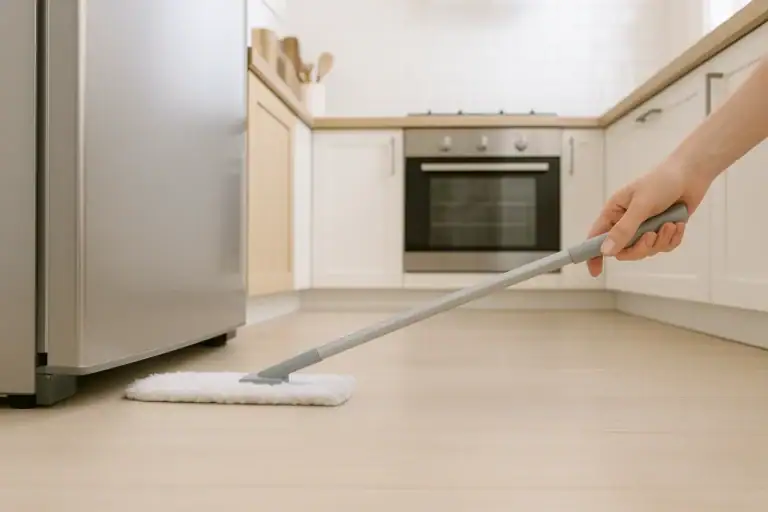 How to Clean Under Appliances Safely Without Moving Everything
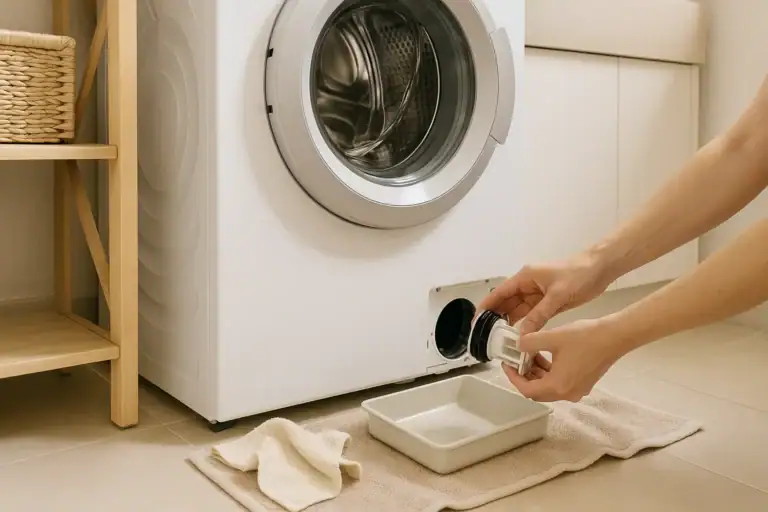 How to Clean a Washing Machine Drain Pump Filter
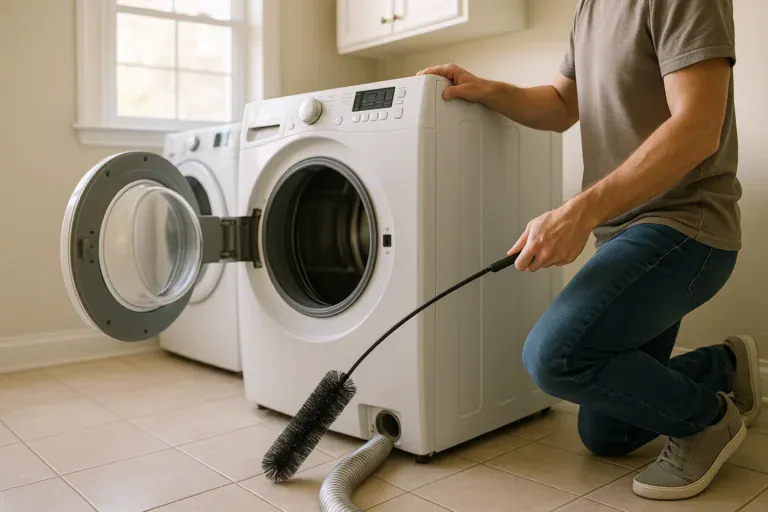 How to Clean a Dryer Vent Safely at Home