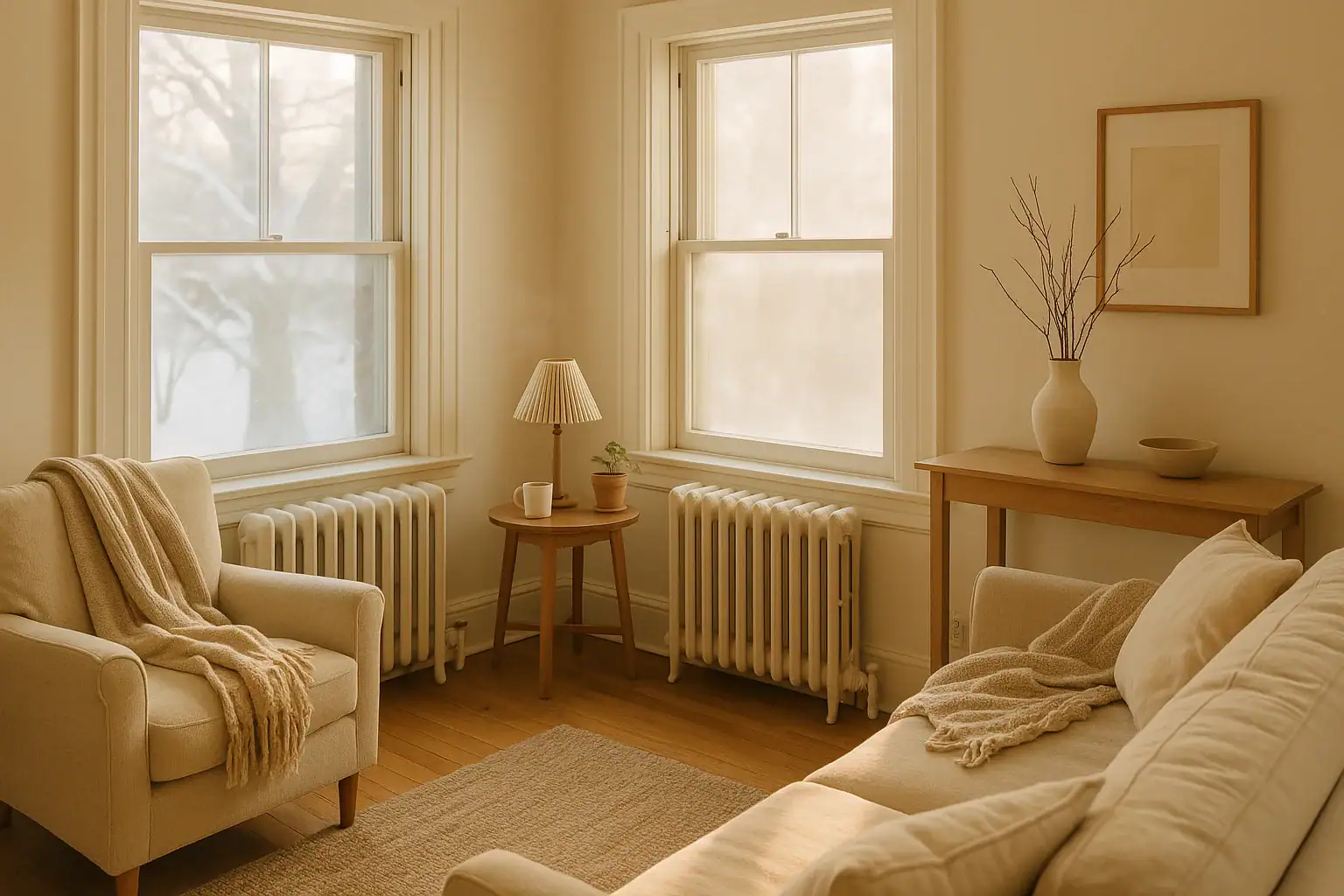
Older homes have a special charm, but they are not always known for even, comfortable heat. One room can feel like a sauna while another feels like a refrigerator. If you rely on radiators, learning how to balance your system can dramatically improve comfort, reduce drafts, and help your heating system run more efficiently. You do not need to be an expert to make meaningful improvements; with some basic steps and a little patience, you can create more consistent warmth throughout your home.
This guide walks you through how radiator systems in older homes typically work, why some rooms stay cold, and what you can do about it. You will learn simple checks, safe adjustments, and when it is time to call in a professional. The goal is practical, step‑by‑step advice so you can enjoy steady, cozy heat all winter long.
Understanding Radiator Heat in Older Homes
Before you start adjusting valves or bleeding radiators, it helps to understand the basics of how your system works. Most older homes in the United States use one of two main radiator systems:
- Steam radiators – Use steam from a boiler that travels through pipes and condenses back into water.
- Hot water (hydronic) radiators – Use hot water circulated by a pump through a loop of pipes.
Both types deliver heat to rooms through metal radiators or baseboard units. As hot water or steam flows through, the metal warms up and radiates heat into the room. Balancing means adjusting the system so each radiator gets the right amount of hot water or steam, instead of some radiators hogging the heat while others barely warm up.
In older homes, pipes may be partially blocked, valves may be stuck, and radiators may be pitched incorrectly. Insulation can be inconsistent, windows may be drafty, and room additions may have changed how the system behaves. All of these factors affect how evenly heat is distributed.
Common Signs Your Radiators Are Out of Balance
You may already suspect your system is out of balance, but it helps to recognize the most common symptoms. These clues can guide where you focus your efforts.
- Some rooms are too hot while others stay cold – The most obvious sign of an unbalanced system.
- Radiators heat at very different times – One radiator gets hot quickly while another lags far behind.
- Gurgling or banging noises – Air in hot water systems or water hammer in steam systems can indicate flow issues.
- Radiators warm only at the top or only at one end – Often a sign of trapped air or poor water flow.
- Boiler cycles on and off frequently – Short cycling can signal an inefficient or poorly balanced system.
If you notice several of these issues, a careful balancing effort can often make a noticeable difference in comfort and noise levels.
Safety First: Before You Adjust Anything
Working around hot radiators and boilers requires basic safety precautions. Many balancing tasks are simple and safe for homeowners, but you should always be cautious.
- Turn down the thermostat so the system is not actively heating while you work.
- Let radiators cool before touching valves or bleed screws to avoid burns.
- Use proper tools such as a radiator key, adjustable wrench, and a small container or towel.
- Do not open boiler panels or alter gas, oil, or electrical connections. Leave those to a licensed professional.
- Know when to stop – if something looks corroded, stuck, or damaged, do not force it.
When in doubt, consult a heating professional, especially if you are unsure whether you have a steam or hot water system.
Step 1: Identify Your Radiator Type and Layout
Balancing strategies differ slightly depending on whether you have steam or hot water radiators. Take a few minutes to identify your system.
How to Tell If You Have Steam Radiators
- Radiators usually have one main pipe coming in.
- You may see a small air vent on the side of each radiator.
- Radiators may hiss gently when heating.
How to Tell If You Have Hot Water Radiators
- Radiators usually have two pipes, one for supply and one for return.
- You may see a bleed valve at the top of the radiator.
- Gurgling sounds are common when air is trapped.
Map Your Radiators
Next, create a simple map of your home showing each radiator and its location. Note which rooms are:
- Too hot
- Comfortable
- Too cold
Also mark which radiators heat up quickly after the system turns on and which ones are slow. This map will help you track your adjustments and avoid getting lost in the process.
Step 2: Bleed Hot Water Radiators to Remove Air
If you have a hot water system, trapped air is one of the most common causes of uneven heat. Air collects at the top of radiators and prevents hot water from filling the entire unit.
Signs Your Radiator Needs Bleeding
- The radiator is warm at the bottom but cool at the top.
- You hear gurgling or sloshing sounds.
- Nearby radiators get hot, but this one lags behind.
How to Bleed a Hot Water Radiator
- Turn off the heat or set the thermostat low so the system is not running.
- Allow radiators to cool to a safe temperature.
- Locate the bleed valve at the top of the radiator. It may require a radiator key or a flathead screwdriver.
- Hold a small bowl or towel under the valve.
- Turn the valve slowly counterclockwise until you hear air hissing out.
- Once water starts flowing steadily, close the valve by turning it clockwise.
- Repeat for other radiators that seem partially warm.
After bleeding several radiators, check your boiler pressure gauge. In many systems, the pressure should be within the range indicated on the boiler manual. If it drops too low, you may need a professional to adjust it.
Step 3: Check Radiator Valves and Basic Settings
Each radiator typically has a valve that controls how much hot water or steam enters it. Over time, these valves can be partially closed, stuck, or set inconsistently.
Types of Radiator Valves
- Manual on/off valves – Simple knobs that open or close the flow.
- Lockshield valves – Often on the opposite end of the radiator, used for balancing rather than daily adjustment.
- Thermostatic radiator valves – Have numbered settings that respond to room temperature.
Basic Valve Checks
- Ensure all radiator valves are fully open to establish a baseline, especially in cold rooms.
- Verify that valves in overheated rooms are not stuck fully open. If turning the knob has no effect, the valve may be seized.
- Look for leaks or corrosion around valve stems. If you see moisture, call a professional before making large adjustments.
Once you know all valves are functioning, you can begin fine‑tuning to balance heat between rooms.
Step 4: Balance Hot Water Radiators Room by Room
Balancing a hot water system usually means slightly restricting flow to radiators in warmer rooms so more hot water reaches colder areas. This is often done using the lockshield valves.
Preparing to Balance
- Turn the heating system on and set the thermostat to a normal, comfortable temperature.
- Allow the system to run for at least 30 to 60 minutes so all radiators have time to warm up.
- Use your radiator map to note which rooms are too warm and which are too cool.
Balancing Steps for Hot Water Radiators
- Start with the warmest rooms that heat up fastest.
- Locate the lockshield valve, usually covered with a cap on the opposite end of the main control valve.
- Using an adjustable wrench or appropriate tool, turn the lockshield valve slightly clockwise to restrict flow. Make small adjustments, about a quarter‑turn at a time.
- Move to the coldest rooms and confirm that their valves are fully open.
- Let the system run another 30 minutes and reassess room temperatures.
- Repeat small adjustments over a few heating cycles until rooms feel more evenly warm.
Patience is important. Large, sudden changes can overshoot the balance and make other rooms uncomfortable. Small, gradual adjustments lead to better results.
Step 5: Special Considerations for Steam Radiators
Steam systems behave differently from hot water systems. Instead of balancing water flow, you are managing how quickly steam reaches each radiator and how efficiently air escapes.
Check Radiator Pitch
Steam radiators should be slightly tilted toward the pipe so condensed water can drain back. If water pools inside, you may hear banging and the radiator may not heat evenly.
- Place a small level on top of the radiator.
- Use shims under the radiator feet to create a gentle slope toward the pipe connection.
Inspect Air Vents
Each steam radiator usually has an air vent that lets air escape as steam enters. If vents are clogged or not working properly, some radiators may stay cool.
- Make sure vents are upright and not painted shut.
- Listen for gentle hissing as the system heats. Loud whistling or no sound at all can indicate a problem.
- Never attempt to disassemble vents while the system is hot. If a vent appears defective, have it evaluated by a professional.
Valve Position on Steam Radiators
On many one‑pipe steam systems, radiator valves should be either fully open or fully closed. Partially closing them can trap water and create banging noises.
- Keep valves fully open on radiators you want active.
- If a room is consistently too hot, consider closing that radiator entirely and relying on heat from nearby rooms, or consult a professional about vent sizing.
Improving Room Comfort Beyond the Radiator
Balancing radiators is only part of the comfort equation in older homes. Heat loss through walls, floors, and windows can make some rooms hard to warm, no matter how well the system is tuned.
Reduce Drafts and Heat Loss
- Seal gaps around windows and doors with weatherstripping or caulk.
- Use heavy curtains at night to reduce heat loss through glass.
- Close fireplace dampers when not in use to prevent warm air from escaping up the chimney.
- Add area rugs on cold floors to make rooms feel warmer underfoot.
Help Heat Circulate
- Keep furniture and long curtains from blocking radiators.
- Use small, low‑speed fans to gently move warm air from hot rooms to cooler areas.
- Leave interior doors open when possible to share heat between rooms.
These simple steps can make a big difference, especially in rooms that are far from the boiler or have more exterior walls.
When to Call a Professional
Many balancing tasks are well within the reach of a careful homeowner, but some situations call for expert help. Knowing when to bring in a professional can prevent damage and improve system performance.
- Persistent cold radiators even after bleeding and valve checks.
- Visible leaks from pipes, valves, or the boiler.
- Frequent boiler shutdowns or error codes.
- Loud banging or knocking that does not improve after simple adjustments.
- Very old boilers that have not been inspected in several years.
A professional can evaluate pipe sizing, venting, pump performance, and overall system design. In some older homes, small upgrades such as better main vents, modern controls, or zoning can significantly improve comfort and efficiency.
Simple Maintenance Habits for Long‑Term Balance
Once you have your radiators reasonably balanced, a few ongoing habits can help keep things running smoothly from season to season.
- Bleed hot water radiators annually at the start of the heating season.
- Vacuum dust from around radiators and baseboard covers to improve heat transfer.
- Schedule regular boiler service to check safety controls, pressure, and combustion.
- Update your radiator map if you renovate rooms or change how spaces are used.
- Monitor comfort – if a room starts feeling different, address it before winter is in full swing.
These small steps support the work you put into balancing and help your system perform reliably year after year.
Bringing It All Together
Balancing radiator heat in an older home is part detective work, part patience, and part simple maintenance. By identifying your system type, removing trapped air, checking valves, and making careful adjustments, you can often transform a patchwork of hot and cold rooms into a more evenly comfortable home.
Combine these radiator balancing tips with basic draft control and regular maintenance, and your older home can feel cozy, consistent, and welcoming through the entire heating season. If you ever feel unsure, do not hesitate to reach out to a qualified heating professional who understands the quirks of older systems and can help fine‑tune your setup for years of comfortable living.
For more ways to improve comfort and air quality throughout your home, explore additional guides in the air and comfort category at Signature Home Guide.
 How to Balance Airflow Between Rooms at Home: A Practical Checklist
 Why Your Dehumidifier Makes the Room Feel Warmer
 Ceiling Fan Direction for Summer vs Winter: A Clear Homeowner’s Guide