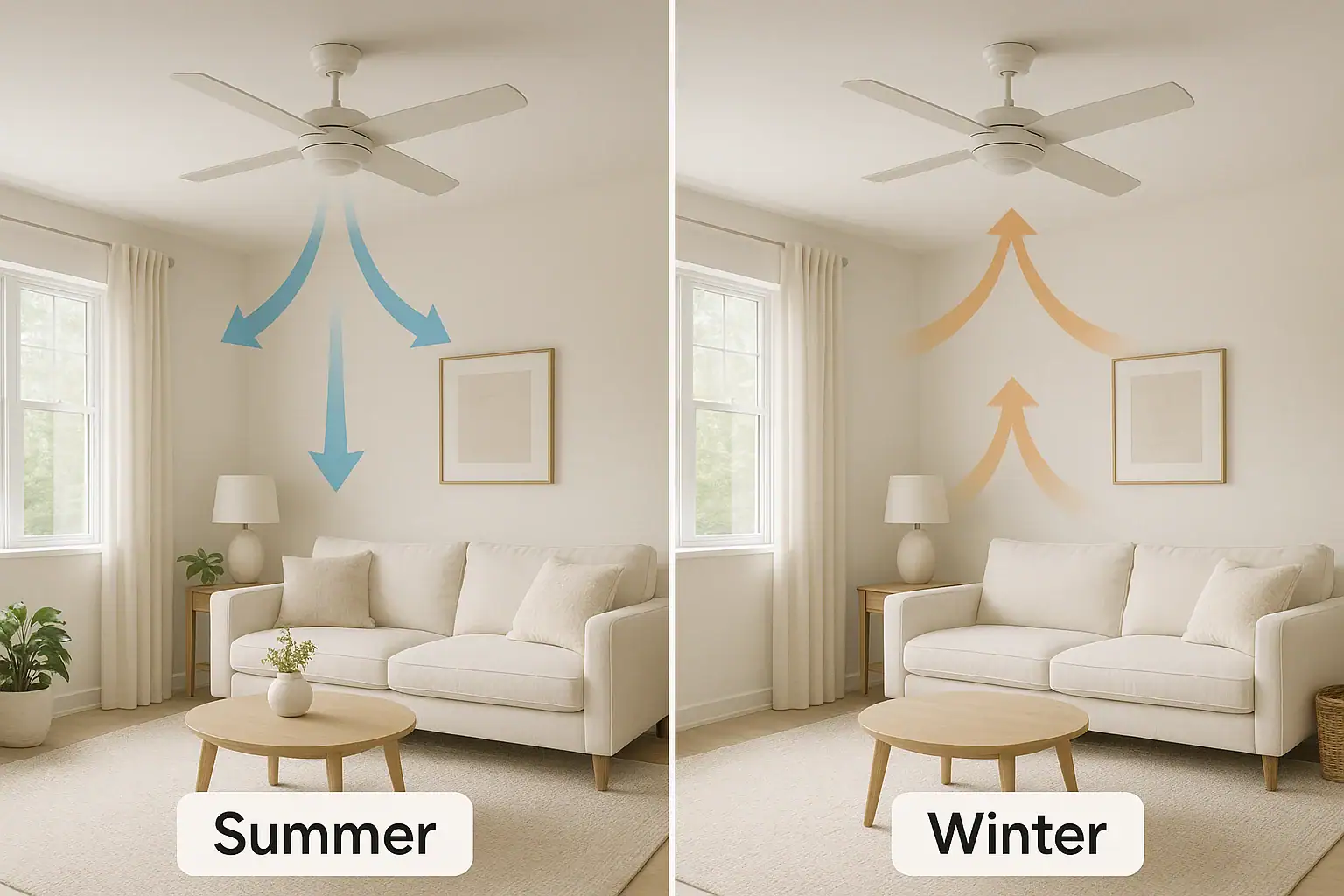
Knowing the right ceiling fan direction in summer vs winter is one of the easiest ways to improve comfort at home and potentially trim your energy bills. Yet many people are unsure which way the blades should spin, or how much difference it really makes. The good news is that once you understand a few basics about airflow and seasonal needs, setting your fan direction becomes a quick, once-per-season task that can help your home feel cooler in hot weather and cozier in cold weather. This guide walks you through the best ceiling fan direction for each season, how to test your fan in seconds, and practical tips for every room in your home.
Why Ceiling Fan Direction Matters
Ceiling fans do not actually change the temperature of a room, but they change how the air feels on your skin and how warm or cool air moves around the space. That can make a surprising difference in comfort.
In warm months, the goal is to feel cooler without cranking the air conditioning. In cold months, the goal is to gently move warm air that collects near the ceiling back down into the room, without creating a chilly breeze.
Changing the direction of the fan blades changes the direction of the airflow. This is what allows one ceiling fan to help in both summer and winter.
Key benefits of using the right fan direction
- Better comfort: Feel cooler in summer and warmer in winter at the same thermostat setting.
- Energy savings potential: With better air movement, many households can raise the thermostat slightly in summer or lower it slightly in winter.
- More even temperatures: Reduce hot and cold spots in rooms with high ceilings or poor air circulation.
- Less strain on HVAC: Fans can support your heating and cooling system so it may not need to run as often.
Ceiling Fan Direction in Summer
In summer, you want your ceiling fan to create a cooling breeze that you can feel on your skin. This helps sweat evaporate faster and makes you feel several degrees cooler than the actual air temperature.
Summer setting: counterclockwise rotation
For summer, your ceiling fan should spin counterclockwise when you are looking up at it from below. This direction pushes air downward, creating a wind-chill effect in the room.
When the fan is set correctly for summer, you should feel a gentle, noticeable breeze directly under the fan and in the surrounding area.
How to test your fan direction for summer
- Stand directly under the fan and turn it on to a medium speed.
- Look up at the blades and note which way they are moving.
- Slowly raise your hand or a tissue into the airflow.
- If you feel air blowing down on you and see the blades turning counterclockwise, it is set correctly for summer.
Tips for using your fan in hot weather
- Use higher speeds when it is hotter: A faster speed creates a stronger breeze, which feels cooler.
- Raise your thermostat slightly: Many households can raise the thermostat a few degrees and still feel comfortable with a fan running.
- Turn fans off when you leave the room: Fans cool people, not the air. If no one is in the room, the fan is just using electricity.
- Focus on occupied spaces: Run fans mainly in rooms where your household spends the most time, such as living rooms and bedrooms.
Ceiling Fan Direction in Winter
In winter, the goal is very different. You want to move warm air that has risen to the ceiling back down into the room, but without creating a breeze that makes you feel colder.
Winter setting: clockwise rotation
For winter, your ceiling fan should spin clockwise when you look up at it from below. This direction pulls air upward in the center of the room and gently pushes warm air that has collected near the ceiling out and down along the walls.
When set correctly for winter, you should not feel a strong breeze directly under the fan. Instead, the air should feel more evenly warm throughout the room.
How to test your fan direction for winter
- Turn the fan on at the lowest speed.
- Stand or sit directly under the fan.
- Look up and confirm that the blades are turning clockwise.
- Hold a tissue or light strip of paper near the wall, a few feet below the ceiling. You may notice a very gentle downward movement of air along the wall.
- You should not feel a strong draft on your skin. If you do, lower the speed or recheck the direction.
Tips for using your fan in cold weather
- Use the lowest speed: A slow, gentle setting helps mix the air without creating a chilly breeze.
- Lower your thermostat slightly: With better circulation, you may be able to reduce the heating setpoint while staying comfortable.
- Focus on rooms with high ceilings: The higher the ceiling, the more warm air collects at the top, and the more helpful a fan can be.
- Run fans when heat is on: Use fans mainly when your heating system is running or shortly after, to help distribute the warm air.
How to Change Ceiling Fan Direction
Most ceiling fans have a simple way to reverse the direction of the blades. Once you know where to look, it only takes a few seconds per fan.
Step-by-step: using the direction switch
Many traditional ceiling fans use a small switch on the fan body to change direction.
- Turn the fan off: Always switch the fan off and wait for the blades to come to a complete stop.
- Locate the direction switch: Look on the side of the fan housing, just below the blades. You should see a small toggle switch.
- Flip the switch: Move the switch to the opposite position from where it is now. One position is for summer (counterclockwise), the other is for winter (clockwise).
- Turn the fan back on: Set it to a low or medium speed and confirm the direction by looking up at the blades.
If your fan uses a remote or wall control
Some newer fans do not have a visible switch on the housing. Instead, the direction is controlled by a remote or a wall-mounted control panel.
- Look for a button labeled “reverse,” “direction,” or with a circular arrow icon.
- Turn the fan off, then press and hold the direction button as instructed in the manual.
- Turn the fan back on and visually confirm the direction.
If you are unsure, you can usually find the manual online by searching for the model number printed on the fan housing or mounting bracket.
How to Tell If Your Fan Is Spinning the Right Way
Even if you forget which direction is which, you can always rely on how the fan feels and looks.
Visual check
- Counterclockwise (summer): When you look up, the blades appear to move from left to right, and you feel air blowing down.
- Clockwise (winter): The blades appear to move from right to left, and you do not feel a strong downward breeze.
Comfort check
- If you feel noticeably cooler sitting under the fan, it is in a summer-friendly setting.
- If the room feels more evenly warm without a draft, it is in a winter-friendly setting.
Room-by-Room Tips for Fan Direction
Different rooms in your home may benefit from slightly different fan speeds or schedules, even though the basic direction rule stays the same.
Living room and family room
- Summer: Use a medium to high speed when people are in the room to create a comfortable breeze during the day and evening.
- Winter: Use a low speed to gently circulate warm air, especially if you have high ceilings or a loft area.
Bedrooms
- Summer: Use a low to medium speed in counterclockwise direction at night to stay cool while sleeping.
- Winter: Use a very low speed in clockwise direction if the room feels unevenly warm, making sure there is no strong draft over the bed.
Kitchen and dining areas
- Summer: A fan can help move heat and cooking odors away from the cooking area.
- Winter: Use a low speed in clockwise direction if the room feels cooler than the rest of the house.
Rooms with vaulted or high ceilings
High ceilings allow a lot of warm air to collect above your head. Fans are especially useful in these spaces.
- Summer: Use a higher speed to bring cool air down to where people are.
- Winter: Use a low, steady clockwise setting to push warm air down without creating a draft.
Common Ceiling Fan Direction Mistakes
Many homeowners make the same simple mistakes that reduce the benefits of their ceiling fans. Avoiding these can make your home more comfortable year-round.
Leaving the fan in one direction all year
Some people never change the direction switch, which means they miss out on either cooling comfort in summer or better warmth in winter. Make it a habit to switch directions twice a year.
Running winter mode too fast
In winter, a fast clockwise setting can feel drafty and uncomfortable. Always use the lowest speed so the air movement is gentle and subtle.
Assuming fans cool empty rooms
Fans cool people by moving air across the skin. If no one is in the room, the fan is not providing comfort. Turn fans off in unoccupied spaces to avoid wasting energy.
Ignoring wobbly or noisy fans
If your fan shakes or makes noise, it may be out of balance or need maintenance. A stable, quiet fan is more efficient and more pleasant to use in every season.
Simple Maintenance for Better Air Comfort
Keeping your ceiling fans clean and maintained helps them move air more effectively and quietly, which supports comfort in both summer and winter.
Seasonal fan maintenance checklist
- Dust the blades: Use a microfiber cloth or a pillowcase to gently remove dust from each blade.
- Tighten screws: Check the screws on the blades and mounting bracket to reduce wobble.
- Check the direction switch: Confirm the switch moves smoothly and the fan responds correctly.
- Listen for unusual noises: Clicking or grinding sounds may mean it is time for further inspection or professional help.
Taking a few minutes to do this at the start of summer and again at the start of winter keeps your fans ready to support your heating and cooling system.
When to Consider Adding More Ceiling Fans
If some rooms in your home feel stuffy in summer or have cold spots in winter, additional ceiling fans may help improve overall comfort.
Rooms that benefit most
- Large open living areas
- Rooms with high or vaulted ceilings
- Sunrooms or bonus rooms with many windows
- Upstairs bedrooms that get warm in summer
When choosing a fan, pay attention to the room size and ceiling height so the fan can move enough air without overwhelming the space.
Ceiling height and airflow expectations
Direction is only one part of comfort. In summer, the useful effect is the breeze you feel below the fan; the fan does not lower the room temperature. In winter, many conventional fans use a low-speed reverse setting to draw air upward and gently recirculate warmer air that collects near the ceiling. Always confirm the direction from below and follow the control labels or manual, because some DC motors and specialty fans use different controls.
High, vaulted, or two-story ceilings may need a longer downrod, a larger fan, or professional adjustment before a seasonal direction change produces a noticeable effect. If the blades sit too close to the ceiling or far above the occupied zone, changing direction alone may not solve weak airflow.
Safe checks when the airflow still feels wrong
- Turn the fan off and wait for the blades to stop before using a direction switch on the motor housing.
- Check from below whether the blades move in the direction shown in the manufacturer’s instructions.
- Use low speed for winter recirculation unless the manual specifies otherwise.
- Stop using a fan that wobbles, scrapes, smells hot, or has loose hardware until it is inspected.
The U.S. Department of Energy explains that a ceiling fan can help circulate warm air in winter but does not change the room temperature. See its seasonal ceiling-fan guidance.
Make Fan Direction Part of Your Seasonal Routine
Switching ceiling fan direction in summer vs winter is a small, simple task that can make a big difference in how your home feels. By setting fans to spin counterclockwise in summer for a cooling breeze and clockwise in winter for gentle warmth, you support your heating and cooling system and improve comfort in every room.
Consider adding fan direction to your regular seasonal checklist along with changing air filters, testing smoke detectors, and adjusting outdoor equipment. With a little attention twice a year, your ceiling fans can quietly work in the background to keep your home more comfortable all year long.
For more ways to improve air comfort throughout your home, explore related guides and tips at Signature Home Guide: Air & Comfort.
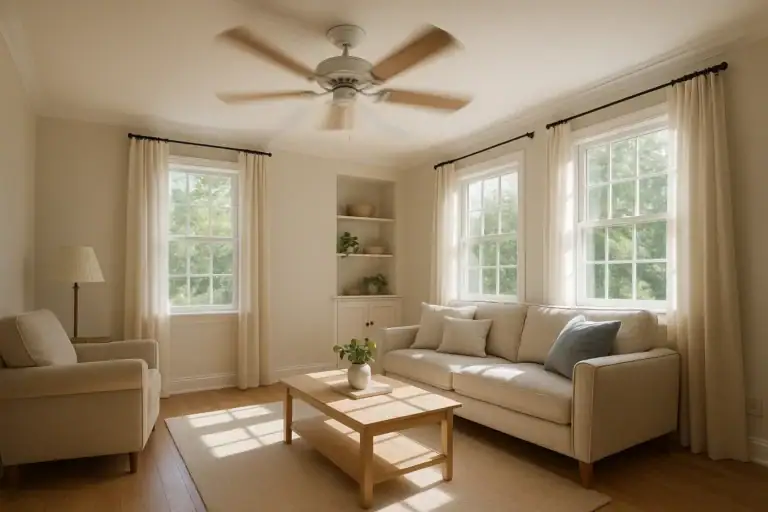 Ceiling Fan Direction for Summer vs Winter: A Clear Homeowner’s Guide
 What Happens When Furniture Blocks a Return Vent? Troubleshooting Guide
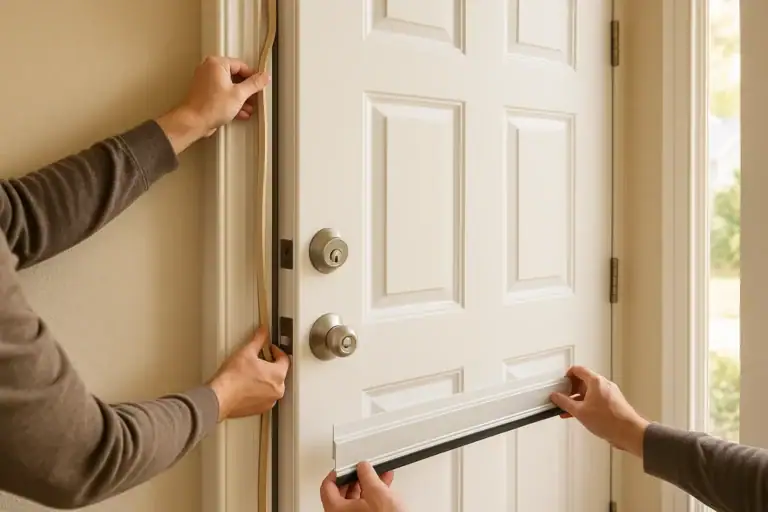 Door Sweep and Weatherstripping Comfort Upgrade Guide