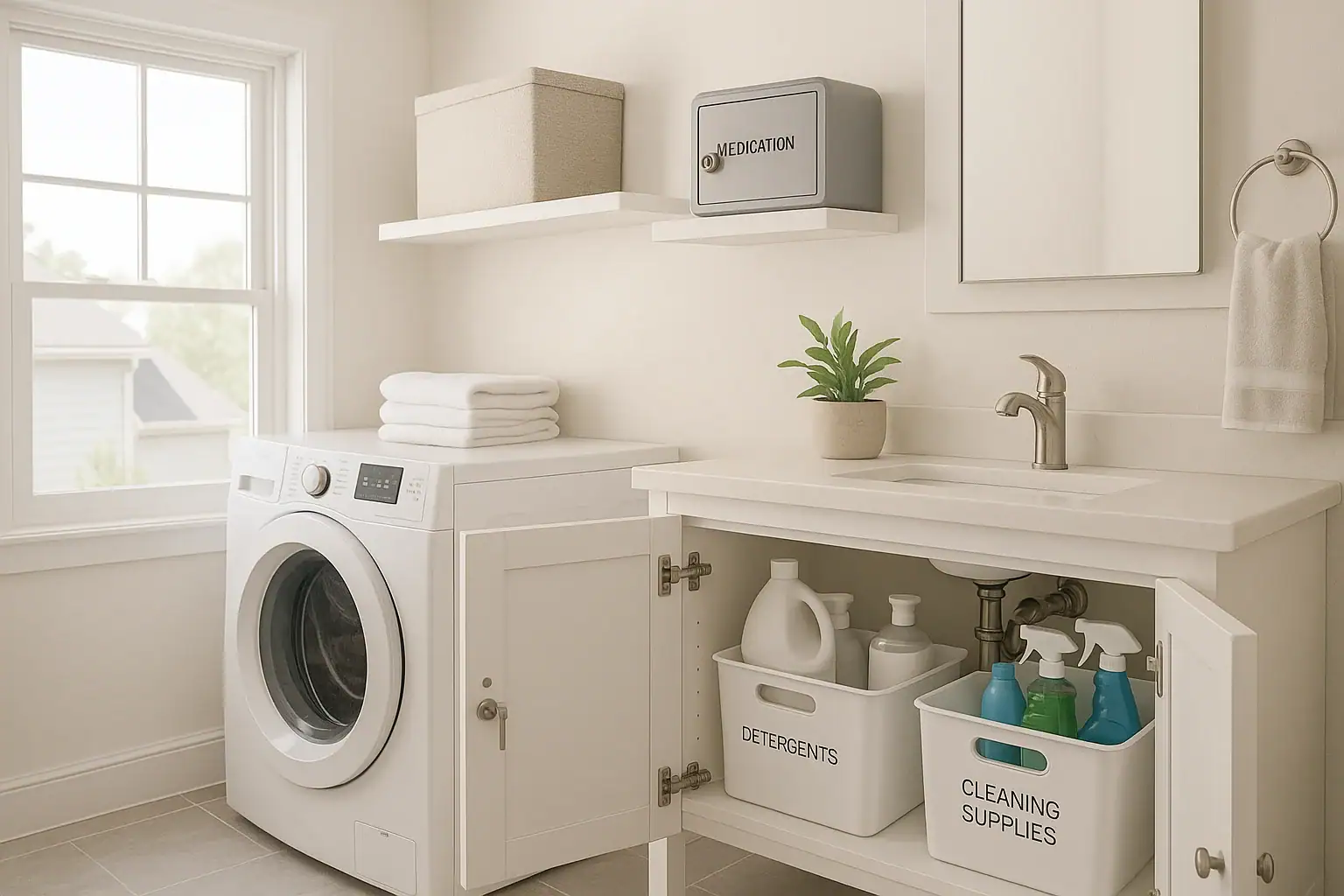
Medications and cleaning supplies are part of everyday life, but they can be dangerous when they are not stored safely. Children, teens, older adults with memory issues, and even pets can be harmed by accidental access. A simple, practical checklist helps you turn your home into a safer space without feeling overwhelmed. This guide walks you through how to use a medication lockbox, how to store cleaning products, and how to build habits that keep everyone safer over time.
Use this checklist room by room, or tackle one category at a time. You will find tips on choosing secure spots, organizing supplies, setting up reminders, and talking with family members about safety. You can also adapt these ideas for apartments, shared homes, or multigenerational households. The goal is not perfection, but consistent steps that reduce risk and make it easy to do the safe thing every day.
Why Medication and Cleaning Supply Safety Matters
Many household accidents involve common items such as pain relievers, prescription medications, disinfectants, and laundry products. These items can be swallowed, inhaled, or splashed into eyes, sometimes with serious consequences. Even products that seem mild can be dangerous in large amounts or when mixed together.
Safe storage does more than prevent accidents. It can also:
- Reduce the risk of intentional misuse or overdose
- Protect curious children and visitors who do not know your home
- Prevent pets from chewing or knocking over containers
- Limit access to expired or incorrect medications
- Help you find what you need quickly in an emergency
Think of safe storage as one part of your overall home safety plan, along with smoke alarms, carbon monoxide detectors, and emergency contact information.
Step 1: Take Inventory of Medications and Cleaning Products
Before you can store items safely, you need to know what you have and where it is. This step often reveals forgotten bottles, duplicates, and expired products.
Medication Inventory Checklist
- Gather all prescription medications from bathrooms, nightstands, kitchen counters, purses, and bags.
- Collect over-the-counter items such as pain relievers, cold medicine, allergy tablets, vitamins, and supplements.
- Include topical items such as creams, ointments, and medicated patches.
- Check for medications stored in vehicles, work bags, and travel kits.
- Separate medications that are currently in use from those that are clearly expired or no longer needed.
Cleaning Product Inventory Checklist
- Look under all sinks, in laundry areas, garages, basements, and utility closets.
- Gather all-purpose cleaners, disinfectants, bleach, ammonia products, drain openers, oven cleaners, and glass cleaners.
- Include laundry detergents, stain removers, fabric softeners, and cleaning pods or packets.
- Do not forget air fresheners, toilet bowl cleaners, and specialty products such as grill or deck cleaners.
- Check for duplicate products and half-used containers that can be consolidated or discarded safely.
Step 2: Declutter and Dispose of Unneeded Items Safely
Removing items you no longer need makes safe storage easier and reduces confusion. It also lowers the chance that someone will take the wrong medication or use an old, unstable product.
Medication Disposal Checklist
- Check expiration dates on all prescription and over-the-counter medications.
- Set aside expired or no-longer-needed medications in a separate container.
- Use local take-back programs, law enforcement collection events, or authorized drop boxes when available.
- If local guidance allows home disposal, follow instructions such as mixing medications with an unappealing substance and sealing them in a bag before placing in household trash.
- Remove or black out personal information on prescription labels before discarding containers.
Cleaning Product Disposal Checklist
- Read product labels for disposal instructions and any special warnings.
- Do not mix leftover products together, especially bleach and ammonia-based cleaners.
- Use up small amounts of product for normal cleaning when safe to do so.
- Contact local waste management services for guidance on hazardous household waste disposal days.
- Never pour concentrated chemicals into storm drains or onto the ground.
Step 3: Choose Safe Storage Locations
Where you store items matters as much as how you store them. Aim for locations that are cool, dry, and out of reach or locked away from children and unauthorized users.
Safe Storage Principles
- Keep items in their original containers with labels intact whenever possible.
- Avoid storing medications or cleaners near food, dishes, or snacks.
- Use high shelves combined with locks for homes with young children.
- Separate medications from cleaning products so they are never confused.
- Choose locations that are convenient enough that you will use them consistently.
Room-by-Room Storage Ideas
Every home is different, but these ideas can help you choose safe locations.
- Bathroom: Consider moving most medications to a bedroom or hallway cabinet, since bathrooms can be humid. Use the bathroom for a small, locked daily organizer if needed.
- Bedroom: Use a locked drawer, small cabinet, or secure medication lockbox in a closet or on a high shelf.
- Kitchen: Store cleaning products in a locked under-sink cabinet or a high pantry shelf with safety latches. Keep medications away from stoves and sinks.
- Laundry area: Place detergents and cleaning pods in a locked cabinet or high shelf, not on top of machines where they can be reached or knocked off.
- Garage or basement: Use sturdy shelves with locking doors or lockable storage bins for heavy-duty cleaners and solvents.
Step 4: Set Up and Use a Medication Lockbox
A medication lockbox adds an extra layer of security by limiting access to prescription and high-risk medications. This is especially important in homes with children, teens, guests, or anyone who may be vulnerable to misuse.
What to Store in a Medication Lockbox
- Prescription pain medications and sedatives
- Medications for mental health conditions
- Medications that could be harmful in a single high dose, such as certain heart or diabetes medications
- Any medication prescribed to a specific person that should not be shared
- Medications for pets that could be mistaken for human medicine
Medication Lockbox Setup Checklist
- Choose a lockbox size that fits your current medications and allows a little room for future prescriptions.
- Place the lockbox in a discreet location such as a closet shelf, locked drawer, or cabinet.
- Decide who will have access to the key or code and limit it to responsible adults.
- Label the outside discreetly if needed, such as “household supplies,” to avoid drawing attention.
- Keep a simple list inside the lockbox of what medications are stored and their expiration dates.
Daily Use Habits for the Lockbox
- Return medications to the lockbox immediately after each use.
- Lock the box every time, even if you plan to use it again soon.
- Use a small, labeled cup or organizer to hold the dose you will take, then put the container back in the lockbox.
- Set reminders on your phone or smart home device for medication times so you are not tempted to leave bottles out.
- Review the contents monthly to remove expired items and update your list.
Step 5: Create Safe Cleaning Supply Storage Zones
Cleaning products are often used in multiple rooms, so it helps to think in terms of zones. Each zone should keep products secure yet accessible enough that family members will follow the system.
Under-Sink and Cabinet Safety Checklist
- Install child-resistant latches on cabinets that contain cleaning products.
- Place the most hazardous items, such as drain openers and concentrated cleaners, toward the back of the cabinet.
- Use clear bins or caddies inside cabinets to group similar products together.
- Keep spray nozzles in the “off” position when not in use.
- Check that cabinet doors close fully and do not wobble or gap.
Laundry Area Safety Checklist
- Store detergent, bleach, and cleaning pods in a closed cabinet or on a high shelf.
- Keep products in original containers with measuring caps and warning labels.
- Do not leave open containers or measuring cups on top of machines.
- Wipe up spills immediately and wash hands after handling concentrated products.
- Keep baskets of dirty laundry away from areas where children or pets might find loose pods or packets.
Garage and Utility Area Safety Checklist
- Store large containers of cleaners and specialty chemicals on sturdy, level shelves.
- Use locking storage cabinets or add padlocks to existing doors when possible.
- Keep products away from heat sources and direct sunlight.
- Do not store chemicals in food or drink containers, even if clearly labeled.
- Post emergency contact numbers and basic first aid steps nearby.
Step 6: Labeling and Organization for Quick Identification
Clear labeling and simple organization help everyone in the home use products correctly and avoid dangerous mix-ups.
Medication Organization Checklist
- Keep medications in their original pharmacy containers whenever possible.
- Use large-print labels or add simple stickers for morning, evening, or as-needed medications if helpful.
- Separate medications by person inside the lockbox or cabinet using small bins or dividers.
- Store liquid medications upright and secure measuring devices nearby.
- Keep a written list of each person’s medications, dosages, and prescribing clinician in a secure but accessible place.
Cleaning Product Organization Checklist
- Group products by use, such as bathroom, kitchen, glass, or floors.
- Use simple labels on bins or caddies like “bathroom cleaners” or “laundry supplies.”
- Place frequently used everyday cleaners in front and specialty products in back.
- Store products that should never be mixed, such as bleach and ammonia-based cleaners, in separate bins or on different shelves.
- Keep instructions facing outward so they can be read without removing every item.
Step 7: Build Safety Habits and Family Rules
Storage systems only work when everyone in the home understands and follows them. Clear rules and simple routines help maintain safety over time.
Family Safety Rules to Consider
- Only adults may open the medication lockbox or cleaning supply cabinets.
- Medications are never shared between family members, even if symptoms seem similar.
- Cleaning products are used only with an adult present for younger children.
- Hands are washed after handling any medication or cleaning product.
- Children are taught to tell an adult if they find an open bottle or spilled product.
Routine Safety Checklists
Use these quick checks weekly and monthly to keep your system working.
- Weekly: Walk through the home and put away any medications or cleaners left out.
- Weekly: Check that the medication lockbox and safety latches are working properly.
- Monthly: Review expiration dates and remove any outdated medications or products.
- Monthly: Wipe down storage areas and check for leaks or damaged containers.
- Seasonally: Update your medication list and review safety rules with everyone in the home.
Step 8: Prepare for Emergencies
Even with careful planning, accidents can happen. Being prepared helps you respond quickly and calmly.
Emergency Preparedness Checklist
- Post emergency contact numbers in the kitchen and near main phones.
- Keep the national poison help number in your phone contacts and on the refrigerator.
- Store a basic first aid kit in an easy-to-reach, labeled container.
- Know the location of the nearest urgent care center and emergency department.
- Review basic first aid steps for eye exposure, skin contact, and accidental swallowing.
Adapting This Checklist for Different Households
Every household has unique needs. Adjust this checklist to match your living situation, the ages of people in your home, and any special health conditions.
Homes with Young Children
- Use both high storage and locks for medications and cleaners.
- Avoid leaving purses or bags with medications where children can reach them.
- Choose products with child-resistant caps when available and close them tightly after each use.
- Teach children early that medications and cleaners are not candy or toys.
Homes with Teens or Multiple Adults
- Use a medication lockbox for all high-risk medications, not just those for children.
- Talk openly about the risks of misusing medications and household chemicals.
- Set clear expectations about not taking medications that are not prescribed to you.
- Limit access to concentrated cleaners or solvents that can cause harm if misused.
Homes with Older Adults or Memory Concerns
- Use a lockbox combined with a clearly labeled daily pill organizer to prevent double dosing.
- Keep a medication schedule posted in a visible place.
- Assign one primary person to manage refills and remove expired medications.
- Ensure cleaning products are clearly labeled with large, easy-to-read print.
Bringing It All Together
Safe storage of medications and cleaning supplies does not require complicated systems or expensive equipment. A thoughtful combination of a medication lockbox, secure cabinets, clear labels, and simple routines can dramatically reduce the risk of accidental poisoning or misuse in your home.
Use this checklist as a starting point and revisit it as your household changes. New medications, different cleaning products, or new family members may require adjustments. By taking inventory, decluttering, choosing safe locations, and building strong habits, you create a safer, more organized home where everyone knows how to handle these powerful products with care.
If you want to explore broader home safety topics, including smart devices and monitoring tools, you can continue learning with resources that focus on smart home and safety planning for every room.
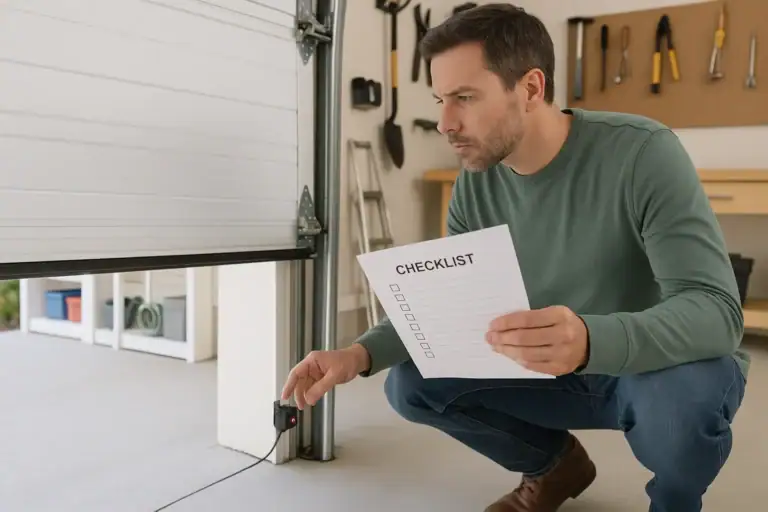 Garage Door Sensor Safety Testing Checklist for a Safer Home
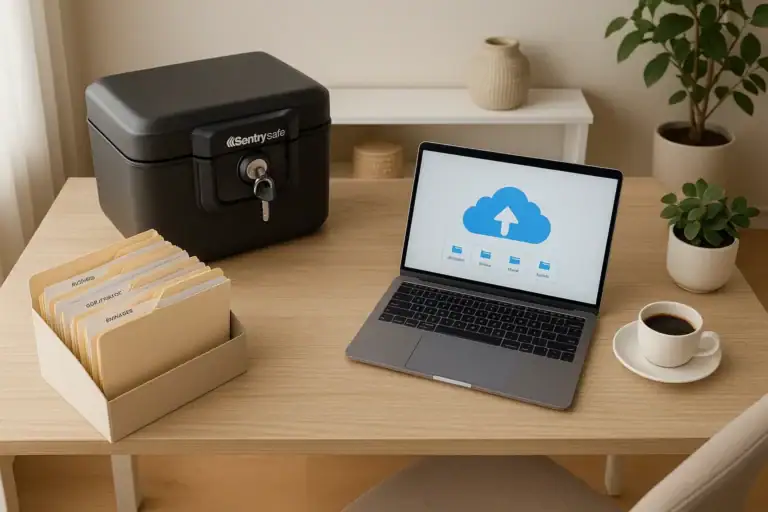 How to Store Important Documents at Home and in the Cloud: A Practical Guide
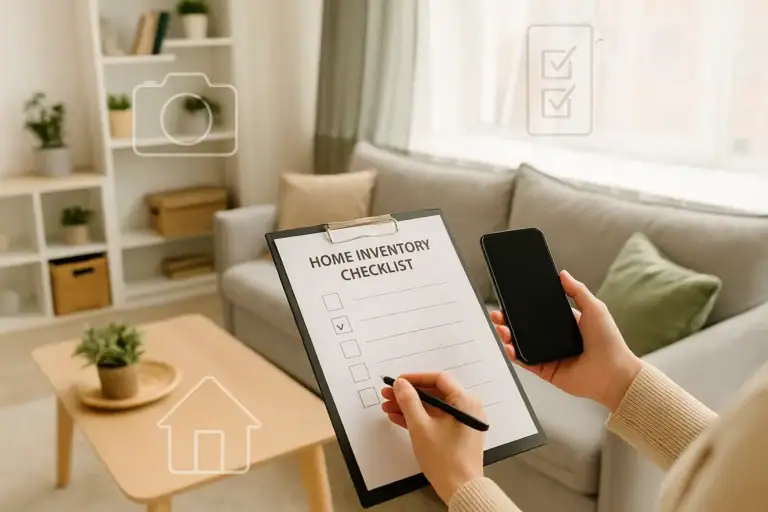 How to Build a Simple Home Inventory for Insurance Claims: A Practical Checklist