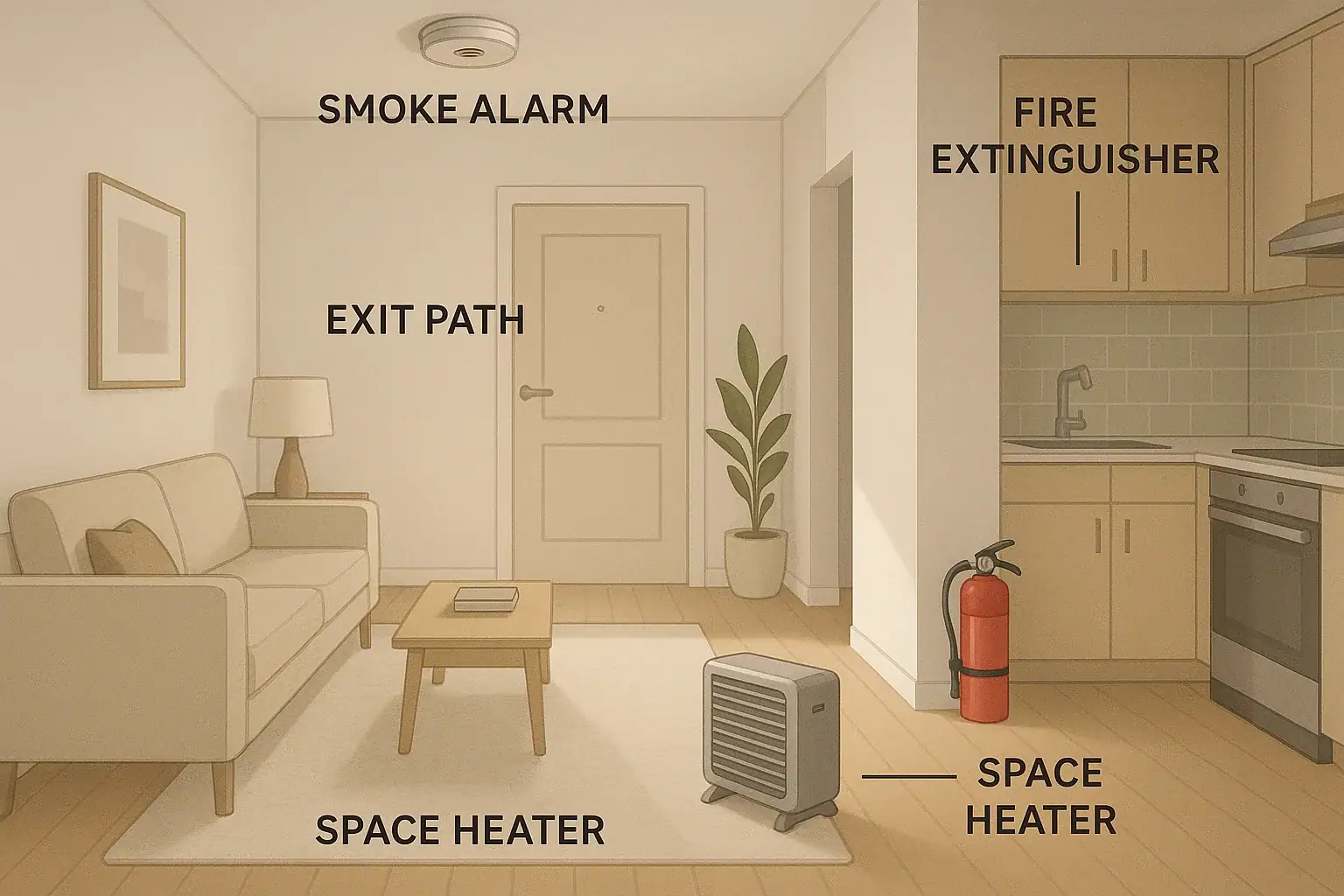
Living in an apartment does not reduce the risk of a home fire. In some ways, it can increase it: you share walls, halls, and exits with neighbors, and you depend on a building-wide system of alarms, sprinklers, and emergency routes. A clear, practical fire safety checklist helps you control what you can inside your own unit and prepare for what happens outside your door. This guide walks through every major area of a typical apartment, highlights the most common hazards, and gives you simple, realistic steps to reduce risk. You will also find planning tips for families, roommates, and pet owners, so everyone in your home knows exactly what to do if a fire starts.
Why Fire Safety Matters in Apartments
Apartment buildings often have added protections, such as hallway alarms and sprinkler systems, but they also have unique risks. Fires can start in another unit and spread through walls or ceilings, and smoke can quickly fill shared hallways and stairwells. You may have fewer exits than a single-family home, and you rely heavily on building management to maintain equipment and keep escape routes clear.
Because of this, your personal fire safety plan should focus on three things:
- Preventing fires inside your own apartment
- Detecting smoke and fire as early as possible
- Knowing exactly how to get out, or how to stay safe if you cannot
Use the checklist sections below to review each part of your home. Print the list or save it on your phone and walk through your apartment step by step.
Apartment-Wide Fire Safety Checklist
Start with items that apply to your entire apartment. These basics create a strong foundation for fire safety in every room.
Smoke Alarms and Detectors
- Confirm there is at least one working smoke alarm on every level of your apartment.
- Make sure there is a smoke alarm inside every bedroom or sleeping area.
- Check that there is a smoke alarm in the hallway outside bedrooms.
- Test all alarms monthly using the test button.
- Replace batteries at least once a year, or when the alarm chirps.
- Contact your landlord or property manager immediately if an alarm does not work.
Carbon Monoxide Protection
If your building uses gas appliances, fireplaces, or attached parking, carbon monoxide protection is important.
- Check for a carbon monoxide alarm in or near sleeping areas.
- Test the alarm monthly and replace batteries as needed.
- Never ignore beeping or error codes from any alarm.
- Report strong fuel or exhaust smells to building management right away.
Fire Extinguishers
- Find out whether your apartment or building provides fire extinguishers.
- Keep a small, multipurpose extinguisher in or near the kitchen, away from the stove.
- Store it where it is easy to reach, not buried in a closet.
- Check the pressure gauge regularly to ensure it is in the safe range.
- Learn the PASS method: Pull the pin, Aim at the base, Squeeze, and Sweep.
- Only use an extinguisher on small, contained fires and if you have a clear escape path.
Electrical and Cord Safety
- Avoid overloading outlets with multiple adapters and high-wattage devices.
- Use power strips with overload protection for electronics and entertainment centers.
- Inspect cords for cracks, fraying, or loose plugs; replace damaged cords immediately.
- Do not run cords under rugs, carpets, or across doorways.
- Unplug small appliances when not in use to reduce risk and save energy.
Kitchen Fire Safety Checklist
The kitchen is one of the most common places for home fires to start, especially in apartments where space is tight and counters fill up quickly. Use this checklist to keep your cooking area safer.
Cooking Habits
- Stay in the kitchen whenever you are frying, broiling, or grilling food.
- If you must leave the room, turn off the stove, oven, or cooktop.
- Use a timer when baking, simmering, or roasting so you do not forget food.
- Keep a lid nearby when cooking on the stovetop to smother small grease fires.
Stove and Oven Safety
- Keep flammable items away from burners: dish towels, paper towels, oven mitts, and packaging.
- Turn pot handles inward so they cannot be bumped or grabbed by children.
- Clean up grease and food buildup on stovetops and in ovens regularly.
- Do not use the oven or stove to heat your apartment.
- Check that all knobs are in the off position when you finish cooking.
Small Appliances
- Place toasters, air fryers, and similar appliances on stable, heat-resistant surfaces.
- Keep appliances a safe distance from walls, curtains, and cabinets.
- Unplug appliances when not in use, especially those that heat up.
- Follow the manufacturer’s instructions for use, cleaning, and spacing.
What to Do if a Kitchen Fire Starts
- For a small grease fire in a pan, slide a lid over the pan and turn off the burner. Do not move the pan.
- Never use water on a grease or oil fire.
- For an oven fire, turn off the oven and keep the door closed.
- If the fire grows, fills the room with smoke, or you feel unsafe, leave immediately and close the apartment door behind you.
- Call 911 from a safe location.
Bedroom and Living Area Fire Safety Checklist
Bedrooms and living rooms are full of soft furnishings and electronics that can burn quickly. They are also where you are most likely to be asleep or distracted. Focus on both prevention and early warning.
Sleeping Areas
- Make sure there is a working smoke alarm inside every bedroom or right outside the door.
- Keep a clear path from the bed to the door for quick exit.
- Do not charge phones, tablets, or laptops under pillows or on bedding.
- Avoid using extension cords for space heaters or high-wattage devices.
- Keep matches and lighters locked away from children.
Living Room and Common Areas
- Arrange furniture so it does not block doors, windows, or main walkways.
- Keep curtains, blankets, and decorations away from heaters and lamps.
- Use sturdy, stable stands for televisions and entertainment equipment.
- Turn off and unplug decorative lights when you leave or go to bed.
Candles and Open Flames
- Consider flameless candles instead of real ones, especially in small spaces.
- If you use real candles, place them on a sturdy, heat-resistant surface.
- Keep candles at least one foot away from anything that can burn.
- Never leave candles unattended or within reach of children or pets.
- Blow out candles before leaving the room or going to sleep.
Bathroom, Laundry, and Storage Area Checklist
These smaller spaces can still create significant fire risks, especially when they contain heat-producing devices or cleaning chemicals.
Bathroom Safety
- Unplug hair dryers, curling irons, and straighteners after each use.
- Allow hot tools to cool completely on a heat-resistant surface.
- Keep electrical devices away from sinks, tubs, and standing water.
- Do not store items on top of bathroom heaters or vents.
Laundry and Utility Areas
- Clean the lint filter in your dryer before or after every load.
- Ensure the dryer vent is not crushed or blocked.
- Do not run the dryer when you are sleeping or away from home.
- Store laundry products in original containers with labels intact.
Closets and Storage Spaces
- Keep storage away from heaters, water heaters, and electrical panels.
- Do not store flammable liquids, such as gasoline or lighter fluid, inside your apartment.
- Avoid stacking boxes so high that they block sprinklers or vents.
- Label storage bins so you can find items quickly without pulling everything out.
Space Heater and Heating Safety Checklist
In many parts of the United States, space heaters are common in apartments during colder months. Used incorrectly, they are a major fire hazard.
Safe Use of Space Heaters
- Place space heaters on flat, solid surfaces where they cannot tip over.
- Keep them at least three feet away from bedding, furniture, curtains, and rugs.
- Plug heaters directly into a wall outlet, not an extension cord or power strip.
- Turn off and unplug heaters when you leave the room or go to sleep.
- Do not dry clothes or towels on or over a heater.
Central Heating and Building Systems
- Keep vents and radiators clear of furniture and clutter.
- Report unusual smells, noises, or heat issues to building management promptly.
- Do not try to repair building heating equipment yourself.
Fire Escape Plan for Apartment Dwellers
Prevention is only part of fire safety. A clear escape plan can save lives when seconds matter. In an apartment, your plan must account for shared hallways, stairwells, and possible blocked exits.
Know Your Exits
- Identify at least two ways out of your apartment, if possible.
- Walk the route from your front door to the nearest stairwell.
- Locate all stairwells and emergency exits on your floor.
- Never use elevators during a fire; use stairs instead.
- Keep your apartment door and building exit routes free of clutter.
Plan for Higher Floors
If you live on an upper floor, you may not be able to exit through a window safely. Your plan should focus on staying as safe as possible if hallways or stairwells are blocked.
- Know which rooms have windows that open and can be used for signaling.
- Keep a flashlight near your bed to signal for help if needed.
- Learn how to seal doors with towels or tape to keep smoke out.
- Review your building’s posted evacuation procedures.
Meeting Place and Communication
- Choose a safe meeting spot outside, away from the building, such as a sidewalk corner or parking lot area.
- Make sure every household member knows the meeting place.
- Keep important phone numbers saved in your mobile phone and written down in your wallet or bag.
- Once you are out, stay out. Do not go back inside for belongings or pets.
Practice Your Plan
- Review the escape plan with all adults, children, and roommates at least twice a year.
- Practice moving from bedrooms to the front door in the dark or with eyes closed to simulate smoke.
- Teach children how to feel doors with the back of their hand before opening.
- Show everyone how to crawl low under smoke if needed.
Special Considerations: Children, Older Adults, and Pets
Some members of your household may need extra help during an emergency. Planning ahead makes it easier to respond quickly and calmly.
Children
- Explain fire safety in simple, calm language.
- Teach children to never hide in closets or under beds during a fire.
- Practice how to unlock doors and open windows safely.
- Remind children that firefighters are helpers, even when they wear masks and gear.
Older Adults and People with Mobility or Sensory Needs
- Assign a helper to assist anyone who may move more slowly.
- Keep mobility aids, such as walkers or canes, close to the bed.
- Consider visual or vibrating alarms if someone is hard of hearing.
- Inform building management if someone in your home may need extra help during an evacuation.
Pets
- Keep collars and leashes in a consistent, easy-to-reach spot near exits.
- Include pets in your escape practice so they are used to moving quickly to the door.
- Do not delay your exit to search the entire apartment for a hiding pet.
- Tell firefighters if a pet is still inside; they are trained to look for animals.
Working with Your Building Management
Many parts of fire safety in an apartment building are outside your direct control. Staying informed and speaking up when you notice a problem can improve safety for everyone.
What to Ask Your Landlord or Property Manager
- How often are building fire alarms and sprinkler systems inspected?
- Where are the fire extinguishers located in hallways or common areas?
- What is the official evacuation plan for the building?
- How will residents be notified about drills, maintenance, or safety issues?
What to Report Right Away
- Missing or damaged smoke alarms in your unit or hallways
- Blocked exits, stairwells, or fire doors propped open
- Burned-out emergency lighting or exit signs
- Frequent tripping of breakers or unusual electrical issues
If urgent safety issues are not addressed, contact your local housing or fire department for guidance on next steps.
Putting Your Apartment Fire Safety Checklist into Action
A fire safety checklist only works if you use it. Set aside time this week to walk through your apartment with this list in hand. Fix simple items right away, such as clearing clutter from exits, unplugging unused appliances, or moving flammable items away from heat sources. For bigger issues, such as missing alarms or blocked building exits, contact your landlord or property manager and follow up until they are resolved.
Review your plan regularly, especially after moving furniture, adding new devices, or welcoming new roommates or family members. With a little attention and a clear checklist, you can make your apartment safer and be better prepared to protect yourself and the people you care about.
For more home safety tips and related guides, you can explore additional resources at Signature Home Guide.
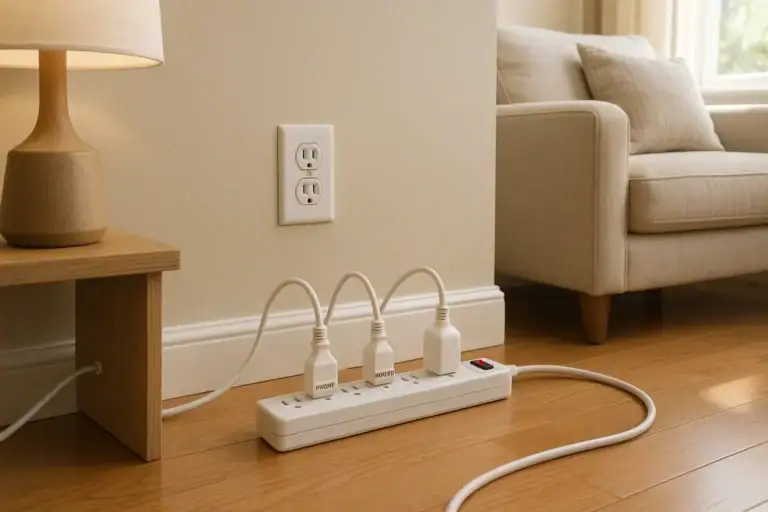 Outlet Overload Signs and Safe Power Strip Use at Home
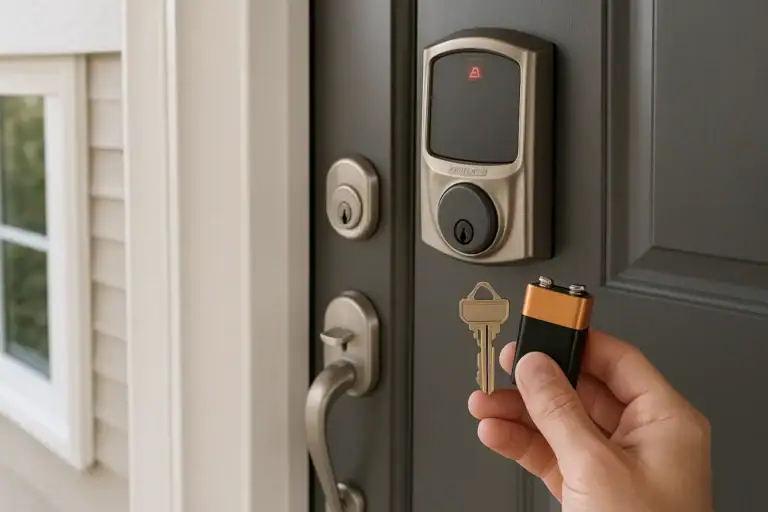 Smart Lock Battery Dead? How to Create a Reliable Backup Access Plan
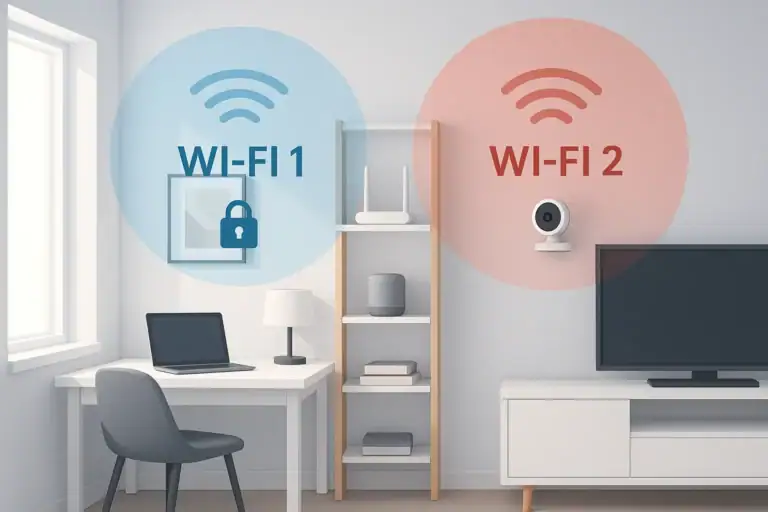 How to Set Up a Secure Home WiFi Guest Network for Smart Devices