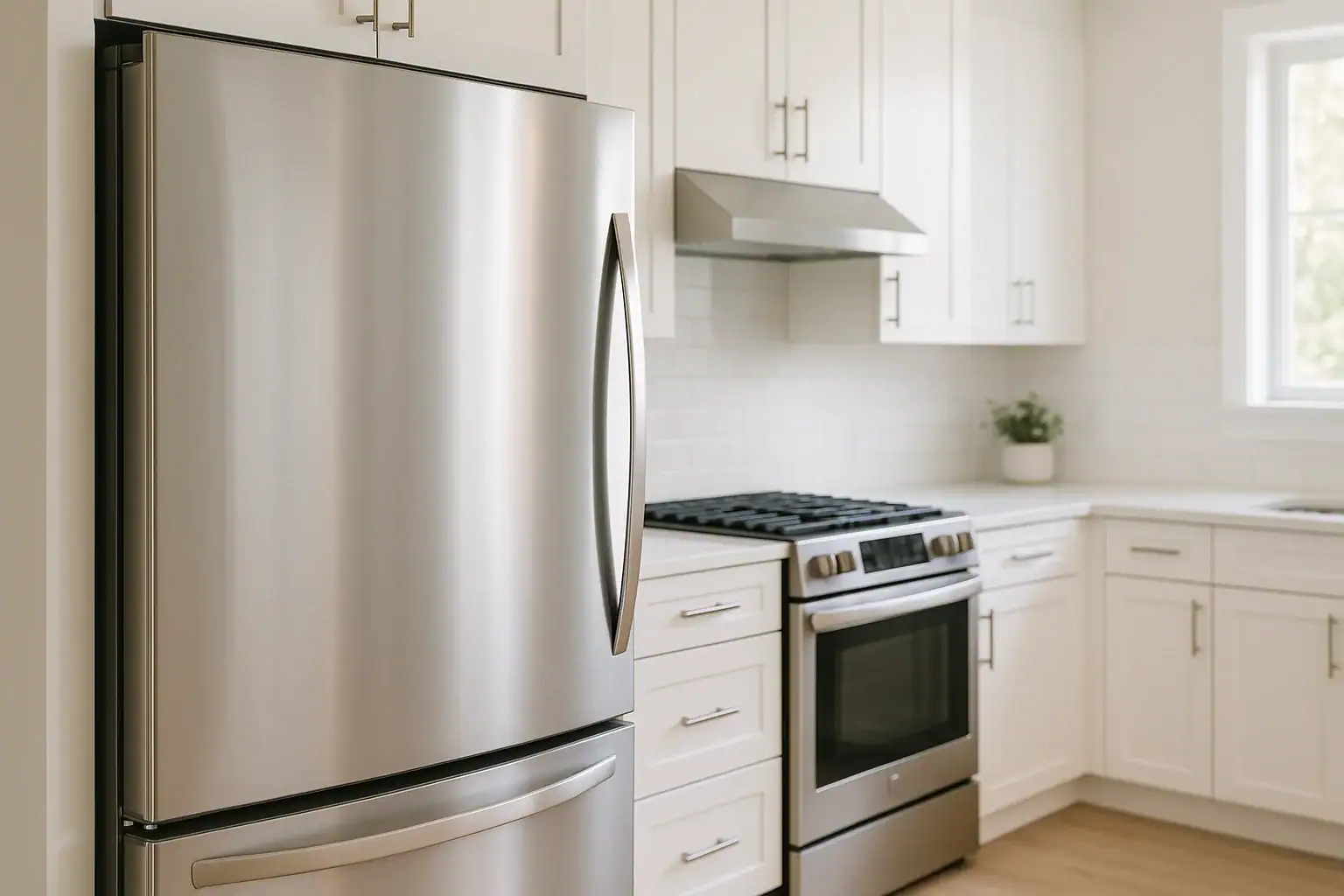
Stainless steel appliances can make a kitchen look bright, modern, and inviting, but they also tend to show every fingerprint, water spot, and smudge. If you have ever wiped your refrigerator or dishwasher only to be left with dull streaks and cloudy marks, you are not alone. The good news is that streak-free stainless steel is absolutely possible with the right approach. You do not need harsh chemicals or complicated routines. Instead, you need a few simple tools, a gentle cleaner, and the correct technique to restore a smooth, even shine.
This guide walks you step by step through how to clean stainless steel appliances without streaks. You will learn what to avoid, how to safely remove fingerprints and grease, and how to keep that polished look lasting longer between cleanings. Whether you are dealing with a busy family kitchen or just want your appliances to look their best for guests, these tips will help you create a simple, reliable routine.
Know Your Stainless Steel Finish
Before you start cleaning, it helps to understand the type of stainless steel finish you have. Different finishes can react differently to certain products and cleaning motions.
Common stainless steel finishes
- Brushed or satin finish: Has visible lines or a grain that runs in one direction. This is very common on refrigerators and dishwashers.
- Polished or glossy finish: Smoother and more reflective, often found on ranges, hoods, and smaller appliances.
- Fingerprint-resistant finish: Has a special coating that hides smudges and may require milder cleaners.
Look closely at the surface of your appliance and find the direction of the grain. The grain usually runs horizontally on doors and vertically on handles, but it can vary. Cleaning with the grain instead of against it is one of the most important ways to avoid streaks and tiny scratch marks.
Tools and Supplies for Streak-Free Stainless Steel
Using the right tools is just as important as the cleaner itself. Rough cloths or paper towels can leave lint, streaks, or fine scratches behind.
Recommended cleaning tools
- 2 to 3 soft microfiber cloths (lint-free, non-abrasive)
- Small bowl or spray bottle for your cleaner
- Soft sponge (non-scratch) for stuck-on spots
- Clean, dry towel for a final buff if needed
Gentle cleaning solutions
For most stainless steel appliances, you can get a streak-free finish with simple household ingredients.
- Mild dish soap and warm water: Great for everyday cleaning and removing grease.
- White vinegar and water: Helps cut through fingerprints and mineral spots.
- Light oil for polishing: Such as mineral oil or another light, food-safe oil used sparingly to add shine and repel fingerprints.
Products and tools to avoid
- Steel wool or abrasive scrub pads
- Powdered scouring cleaners
- Bleach-based products
- Glass cleaner with strong ammonia on coated finishes
- Colored cloths that may bleed dye when wet
These can scratch, discolor, or damage the protective layer on your stainless steel, making streaks and stains more likely in the future.
Step-by-Step: How to Clean Stainless Steel Appliances Without Streaks
Use this simple routine for refrigerators, dishwashers, ovens, and other large stainless steel surfaces. Adjust the amount of cleaner based on the size of the appliance.
Step 1: Dust and dry-wipe the surface
- Start with a clean, dry microfiber cloth.
- Gently wipe the entire surface to remove loose dust, crumbs, and hair.
- Pay attention to edges, handles, and seams where debris collects.
This step prevents grit from scratching the surface when you apply a damp cleaner.
Step 2: Mix a gentle cleaning solution
For most everyday messes, a mild dish soap solution works well.
- Add a few drops of mild dish soap to a bowl or spray bottle of warm water.
- Stir or shake gently to combine without creating heavy foam.
If you are dealing with hard water spots or cloudy streaks, you can also mix equal parts white vinegar and water in a spray bottle for a second pass.
Step 3: Wipe with the grain using a damp cloth
- Dip a microfiber cloth into the soapy water or spray the solution lightly onto the cloth.
- Wring out or squeeze the cloth so it is damp, not dripping.
- Starting at the top of the appliance, wipe in long, even strokes following the direction of the grain.
- Overlap your strokes slightly so you do not miss any areas.
- For stubborn spots, press a bit more firmly and move slowly with the grain.
Avoid circular motions, which can leave swirl marks and uneven streaks. Always work in the same direction as the grain for the cleanest finish.
Step 4: Rinse with a clean damp cloth
- Rinse a second microfiber cloth in clean, warm water.
- Wring it out thoroughly so it is just slightly damp.
- Wipe the surface again, following the grain, to remove any soap residue.
Leftover soap is a common cause of streaks and cloudy patches. This quick rinse step helps prevent that.
Step 5: Dry and buff immediately
- Use a third clean, dry microfiber cloth or a soft, lint-free towel.
- Working in the same direction as the grain, dry the surface completely.
- Buff lightly as you go to bring out a natural shine.
Drying right away is essential. Air-drying can leave water spots and streaks, especially if you have hard water.
Using Vinegar for Stubborn Streaks and Water Spots
If your appliances still look streaky after a basic cleaning, mineral deposits or old cleaner residue may be the problem. A diluted vinegar solution can help cut through this buildup.
How to use vinegar safely on stainless steel
- Mix equal parts white vinegar and water in a spray bottle.
- Lightly mist a microfiber cloth, not the appliance directly. This helps control how much liquid you use.
- Wipe the surface with the grain, focusing on streaky or spotted areas.
- Immediately follow with a damp cloth dipped in plain water to rinse.
- Dry and buff thoroughly with a clean, dry cloth.
Always test vinegar on a small, less visible area first, especially if your appliance has a special coating. If you notice any dulling or discoloration, discontinue use and stick with mild soap and water.
How to Polish Stainless Steel Without Creating Streaks
Polishing adds a subtle shine and can help repel fingerprints, but using too much oil or polish is a quick way to create new streaks. The key is a very small amount and careful buffing.
Simple polishing method
- After cleaning and drying, place a tiny amount of light oil on a clean microfiber cloth. A few drops are usually enough for a full refrigerator door.
- Starting at the top, gently wipe the oil onto the surface, following the grain.
- Apply in thin, even strokes. If you see wet or shiny patches, you are using too much.
- Use a second clean, dry cloth to buff the surface with the grain until it looks even and smooth.
Tips to avoid oily streaks
- Always start with a very small amount of oil and add more only if needed.
- Never pour oil directly onto the appliance.
- Buff thoroughly to remove any excess product.
- If the surface feels greasy, wipe with a lightly damp cloth and dry again.
Special Tips for Different Stainless Steel Appliances
While the basic method is the same, a few small adjustments can make cleaning easier on specific appliances.
Refrigerators
- Focus on high-touch areas such as handles and around the water and ice dispenser.
- For sticky fingerprints, let the damp cloth sit on the area for a few seconds before wiping.
- Clean door edges and the top of the refrigerator door where dust collects.
Dishwashers
- Wipe along the top edge of the door where steam and mineral deposits can build up.
- Clean the control panel gently with a barely damp cloth and dry immediately.
- Check for drips and streaks near the bottom where water may run down.
Ovens and ranges
- Allow surfaces to cool completely before cleaning.
- Use a soft sponge with soapy water for baked-on splatters, then follow with your usual microfiber routine.
- Wipe knobs and control panels lightly to avoid pushing moisture into openings.
Microwaves and small appliances
- Unplug small appliances before cleaning the exterior.
- Use a lightly damp cloth around vents and seams to avoid moisture getting inside.
- Dry thoroughly to prevent water spots on smaller, more reflective surfaces.
Common Mistakes That Cause Streaks on Stainless Steel
If you keep seeing streaks, one or more of these common habits might be the cause.
- Using too much cleaner: Heavy sprays and puddles of liquid are harder to wipe away evenly.
- Skipping the rinse step: Soap or vinegar left on the surface can dry into visible streaks.
- Letting the surface air-dry: Water droplets leave marks, especially in areas with hard water.
- Wiping in circles: Circular motions can leave swirl patterns and uneven shine.
- Using rough cloths or paper towels: These can leave lint and fine scratches that catch the light.
- Mixing multiple cleaners: Layering different products can create buildup and haze.
By avoiding these mistakes and sticking to a simple, consistent method, you can dramatically cut down on streaks and keep your appliances looking new.
How Often to Clean Stainless Steel Appliances
Regular light cleaning is usually more effective than occasional heavy scrubbing. It also helps prevent stubborn buildup that is harder to remove without streaks.
Suggested cleaning schedule
- Daily or every few days: Quick wipe of handles and high-touch areas with a damp microfiber cloth, then dry.
- Weekly: Full wipe-down of doors and sides with mild soapy water, rinse, and dry.
- Monthly or as needed: Light polish with a small amount of oil for added shine and fingerprint resistance.
Adjust this schedule to your household. Busy kitchens with kids or frequent cooking may need more frequent quick cleanings, while less-used appliances can go longer between deep cleans.
Safe Cleaning for Homes With Kids and Pets
If you have children or pets, you may want to be especially careful about what you use on surfaces they touch often. The methods in this guide focus on mild, low-odor options.
- Stick to diluted dish soap and water for everyday cleaning.
- Use vinegar solutions in well-ventilated areas and rinse thoroughly.
- Keep all cleaning solutions out of reach when not in use.
- Wipe down handles and lower sections more often where small hands and paws may touch.
These simple steps help keep your kitchen both clean and family-friendly without sacrificing the look of your stainless steel.
Quick Reference: Streak-Free Stainless Steel Checklist
Use this short checklist as a reminder when you clean your stainless steel appliances.
- Identify the direction of the grain.
- Start with a dry dusting using a microfiber cloth.
- Clean with mild soapy water, wiping with the grain.
- Rinse with a clean, damp cloth to remove residue.
- Dry and buff immediately with a soft, dry cloth.
- Use a small amount of light oil if you want extra shine.
- Avoid abrasives, harsh chemicals, and circular motions.
With a few good habits and the right tools, you can keep your stainless steel appliances free of streaks and smudges, giving your kitchen a clean, polished look every day.
 How to Clean Under Appliances Safely Without Moving Everything
 How to Clean Blinds Without Removing Them: A Simple Step-by-Step Guide
 How to Clean Air Vents and Registers Without Spreading Dust