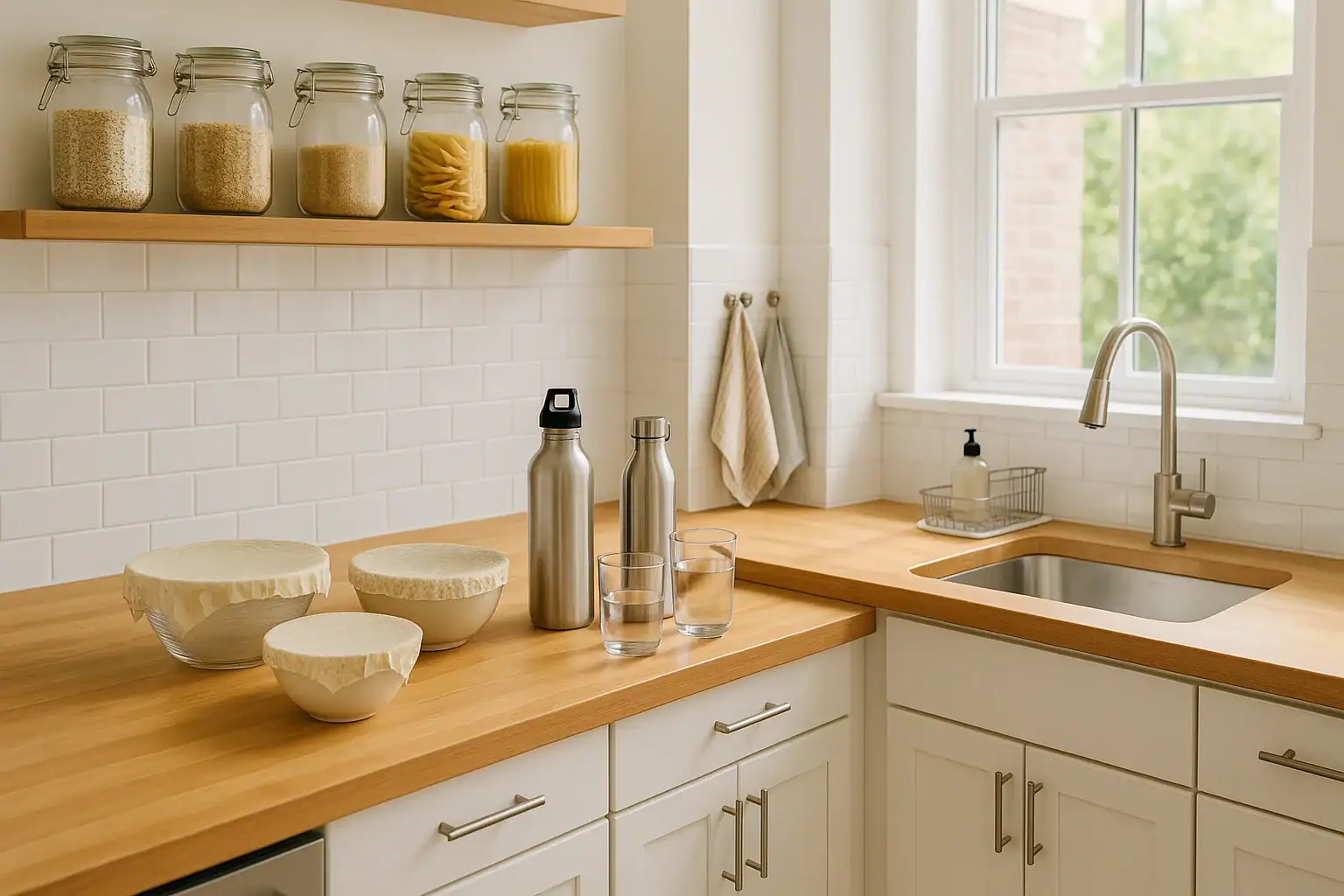
Plastic sneaks into nearly every corner of a modern kitchen. From food packaging and storage bags to dish sponges and cleaning bottles, it can feel impossible to avoid. Yet small, realistic changes in this one room can dramatically cut your overall plastic use at home. You do not need a perfect, zero‑waste kitchen to make a real difference. You just need a plan, a few durable alternatives, and a willingness to change habits one step at a time.
On this page(click to collapse)
- Start With a Quick Kitchen Plastic Audit
- Swap Out Disposable Food Storage
- Rethink Drinking Water and Beverages
- Shop With Less Plastic Packaging
- Choose Longer‑Lasting Cleaning Tools and Supplies
- Store Pantry Items Without Extra Plastic
- Handle Leftovers and Meal Prep With Less Plastic
- Deal With Takeout and Dining Out More Sustainably
- Make Your New Habits Stick
- Related guides
This guide walks you through how to reduce plastic in the kitchen with practical swaps that last. You will learn how to rethink food storage, choose better cleaning tools, shop with less waste, and organize your space so plastic does not creep back in. Each section offers simple ideas you can try right away, plus tips for making your new habits stick. Choose one or two changes to start, and build from there at your own pace.
Start With a Quick Kitchen Plastic Audit
Before you change anything, take a quick look around your kitchen and notice where plastic shows up most often. This simple audit helps you focus on the swaps that will have the biggest impact for your household.
Common plastic hotspots
- Disposable food storage bags and plastic wrap
- Single‑use water bottles and drink containers
- Takeout containers and utensils
- Plastic produce bags and grocery bags
- Plastic food storage containers that stain or warp
- Dish sponges, scrub brushes, and cleaning bottles
- Individually wrapped snacks and convenience foods
Walk through your typical day in the kitchen and jot down which plastic items you grab without thinking. Those are your best candidates for long‑lasting swaps.
Set realistic goals
Instead of trying to eliminate all plastic at once, pick one or two categories to focus on for a month. For example:
- Month 1: Replace disposable storage bags and plastic wrap
- Month 2: Tackle plastic water bottles and drinkware
- Month 3: Shift your grocery shopping to lower‑waste options
This step‑by‑step approach keeps the process manageable and gives you time to find what works for your family.
Swap Out Disposable Food Storage
Food storage is one of the biggest sources of plastic in many kitchens. The good news: durable alternatives can last for years and often keep food fresher, which helps reduce food waste too.
Better options than plastic wrap
Plastic wrap is convenient, but it is almost always single‑use. Try these instead:
- Reusable covers: Stretchy silicone‑style lids or fitted bowl covers can seal over bowls, plates, and cut fruit. They wash easily and can be used again and again.
- Reusable food wraps: Cloth‑based wraps coated with a waxy layer can mold around bread, cheese, and produce. They are ideal for covering bowls or wrapping snacks.
- Plates and lids: The simplest option: put a plate or lid over a bowl in the fridge instead of wrapping it.
Alternatives to disposable storage bags
Disposable storage bags are handy for leftovers, snacks, and freezing food. To cut back without losing convenience, try:
- Reusable zipper bags: Thicker, washable bags can stand in for most single‑use bags. Look for versions that can go in the freezer and stand upright.
- Glass or metal containers: Small containers with tight lids are great for snacks, chopped veggies, and leftovers.
- Jars: Save glass jars from pantry items and reuse them for sauces, soups, grains, and overnight oats.
Upgrade your food storage containers
If your cabinet is full of mismatched plastic containers, consider slowly replacing them as they wear out.
- Glass containers with lids: Work well for meal prep, leftovers, and baking. They do not stain or hold odors.
- Stainless steel containers: Lightweight and durable, especially for lunches and dry goods.
- Ceramic or oven‑safe dishes: Double as bakeware and storage, reducing the need for extra containers.
You do not need to throw out what you already own. Use existing plastic containers for dry goods, craft supplies, or non‑food storage, and phase in new options over time.
Rethink Drinking Water and Beverages
Single‑use drink containers add up quickly. A few simple changes can dramatically cut this stream of plastic in your kitchen and around your home.
Choose reusable bottles and cups
Instead of buying cases of bottled water or single‑serve drinks, consider:
- Reusable water bottles: Keep one for each family member, plus a spare for guests. Fill from your tap or filtered pitcher.
- Insulated travel mugs: Great for coffee, tea, and cold drinks on the go, reducing the need for disposable cups and lids.
- Everyday glasses: Place a glass or cup by the sink for each person to use throughout the day.
Make tap water your default
If you are used to bottled water, switching to tap water can feel like a big step. Try this approach:
- Check your local water quality report online to understand what is in your tap water.
- Use a filter system if it makes you more comfortable with taste or quality.
- Keep a pitcher of cold water in the fridge so it is ready when you are thirsty.
Over time, this habit can save money and significantly reduce plastic waste.
Shop With Less Plastic Packaging
Many plastic items in your kitchen arrive there from the grocery store. By changing how you shop, you can prevent a lot of plastic from entering your home in the first place.
Bring your own bags and containers
Reusable bags are one of the simplest and most effective swaps you can make.
- Grocery bags: Keep several sturdy reusable bags in your car or by the front door so you remember them.
- Produce bags: Lightweight mesh or cloth bags can replace the thin plastic bags in the produce section.
- Small containers: Where allowed, bring containers for bulk items or deli purchases. Check store policies first.
Choose lower‑waste packaging
When you have a choice, reach for options with less plastic:
- Buy items packaged in glass, metal, or cardboard instead of plastic when it fits your budget.
- Choose larger sizes of staples like rice, beans, and oats to reduce overall packaging.
- Skip individually wrapped snack packs and portion snacks into your own containers at home.
Plan meals to reduce food and packaging waste
Meal planning does not need to be complicated. Even a loose plan helps you buy only what you need, which can mean fewer packaged convenience foods.
- Plan a few simple meals around fresh produce and pantry staples.
- Cook once and use leftovers creatively for lunches or another dinner.
- Keep a running list of staples you use often so you can buy them in bulk or in larger packages.
Choose Longer‑Lasting Cleaning Tools and Supplies
Sponges, scrub pads, and cleaning bottles are often made of plastic and designed to be thrown away regularly. Switching to more durable tools can reduce waste and save money over time.
Upgrade dishwashing tools
Instead of disposable plastic sponges, look for options that last longer or use less plastic overall.
- Dish brushes with replaceable heads: You keep the handle and only replace the worn brush head.
- Cloth dish rags: Washable cloths can replace many paper towels and disposable wipes.
- Scrub pads made from natural fibers: These can handle tough messes without shedding microplastics.
Refill cleaning products when possible
Instead of buying a new plastic bottle every time you run out of cleaner, try:
- Buying concentrated cleaners and diluting them at home in a reusable spray bottle.
- Refilling dish soap and all‑purpose cleaner bottles from larger containers.
- Making simple cleaners with ingredients like vinegar, baking soda, and water for some tasks.
Label your bottles clearly so everyone in the household knows what is inside and how to use it safely.
Store Pantry Items Without Extra Plastic
The pantry is a great place to cut back on plastic because many dry goods store well in durable containers. A few simple changes can keep food fresh and make your shelves look more organized.
Use jars and containers you already have
You do not need to buy an entire set of matching containers to get started. Look around your home for:
- Glass jars from sauces, nut butters, or condiments
- Sturdy tins or metal canisters
- Leftover glass food storage containers
Wash them well, remove labels if you like, and use them for grains, pasta, nuts, seeds, snacks, and baking supplies.
Label everything clearly
To make your system easy to maintain, label jars and containers with:
- The name of the food
- The date you filled the container
- Cooking instructions for items like grains and beans, if helpful
Clear labels help prevent food from getting lost and forgotten, which reduces both waste and clutter.
Handle Leftovers and Meal Prep With Less Plastic
Leftovers and meal prep can either create a lot of plastic waste or help reduce it, depending on how you store and serve food. With a few habits, you can keep convenience while cutting back on disposables.
Batch cook with reusable containers
When you cook larger batches of food, portion them into reusable containers instead of single‑use trays or bags.
- Use stackable glass or metal containers for soups, stews, and casseroles.
- Freeze flat in reusable bags or containers to save space.
- Label with the contents and date so you remember to use them.
Pack lunches without disposables
School and work lunches are a common source of plastic waste. Try these ideas:
- Use a reusable lunch box or bag instead of single‑use sacks.
- Pack snacks in small containers or reusable bags instead of plastic wrap.
- Include reusable utensils and a cloth napkin.
Deal With Takeout and Dining Out More Sustainably
Takeout and delivery can bring a lot of plastic into your kitchen in the form of containers, utensils, and sauce packets. While you may not control everything, you can still make progress.
Ask for less plastic when ordering
When you place an order, add a note or tell the restaurant:
- No plastic utensils, straws, or napkins
- No extra sauce packets if you do not need them
- That you will bring your own containers if you are picking up and your local rules allow it
Reuse containers when safe
Sturdy takeout containers can often be washed and reused for storage, organizing drawers, or packing lunches. Avoid reheating food in thin or damaged plastic containers, and recycle them when they wear out if local facilities accept them.
Make Your New Habits Stick
Changing routines takes time. To keep plastic from creeping back into your kitchen, focus on making your new choices easy and automatic.
Set up your kitchen for success
Small tweaks in how you organize your space can make a big difference:
- Store reusable bags near the door or in your car so you do not forget them.
- Keep reusable wraps, lids, and containers where you used to store plastic wrap and disposable bags.
- Place a pitcher of water and reusable bottles in a visible spot.
Involve your household
Everyone who uses the kitchen should know about your new system. Share the basics:
- Which items are reusable and where they go after use
- How to label leftovers and pantry containers
- What to say when ordering takeout to reduce plastic
Make it easy for kids and guests by clearly labeling drawers, cabinets, and containers.
Celebrate progress, not perfection
You will still end up with some plastic in your kitchen, and that is okay. The goal is to reduce what you can, not to be perfect. Notice what changes feel natural and which ones need tweaking. Over time, your new habits will become second nature, and your kitchen will rely less on plastic without sacrificing convenience or comfort.
Related posts
Browse this topic →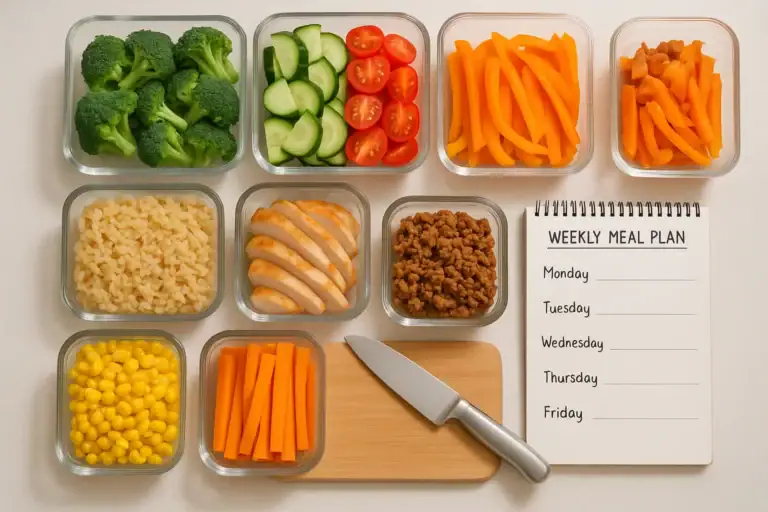
Easy Meal Prep Workflow for Busy Weeks: Tools, Storage, and Time-Saving Tips
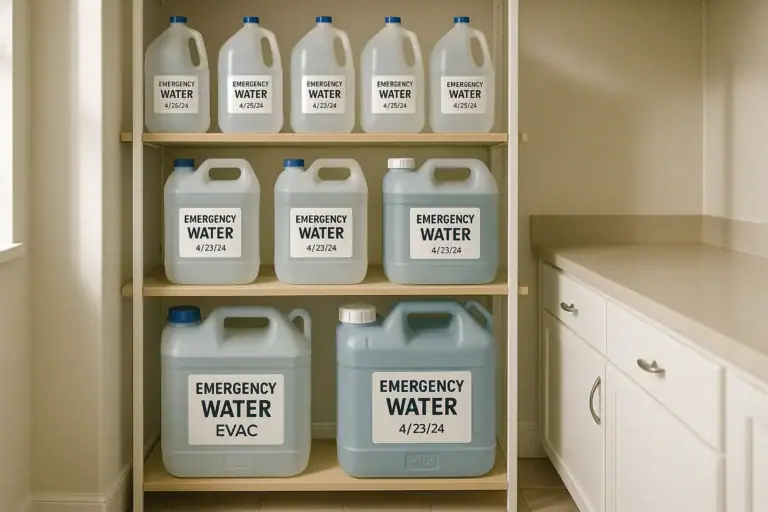
How to Store Emergency Water Safely: Containers, Rotation, and Taste Tips
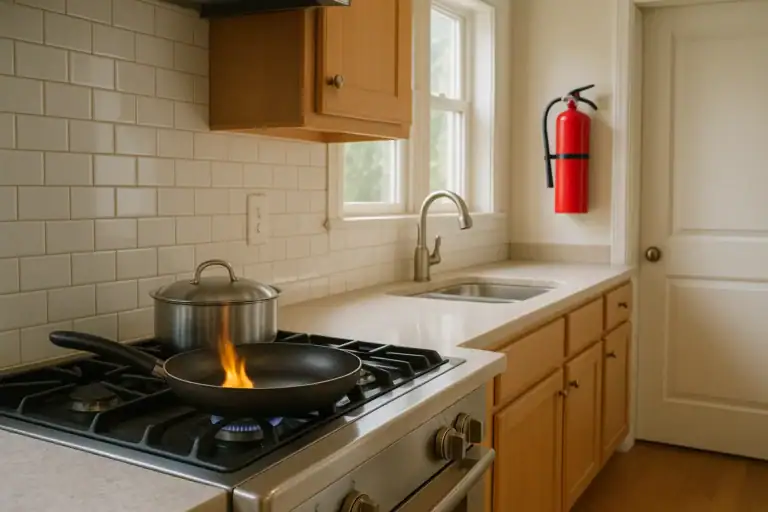
Kitchen Fire Safety: Grease Fires and Extinguisher Basics Explained
How to Detect and Handle Limescale in Pipes and Fixtures at Home
Whole-House Sediment Filters: Sizing and Replacement Schedule Guide
Under-Sink Filter vs RO: Taste, Waste Water, and Maintenance Compared
Keep reading
About this site
Signature Home Guide publishes practical, independent home guides. We aim to be clear, helpful, and transparent.
Affiliate disclosure
As an Amazon Associate, we earn from qualifying purchases. Some links on this site may be affiliate links. If you buy through these links, we may earn a small commission at no extra cost to you. This helps support our content. Learn more.