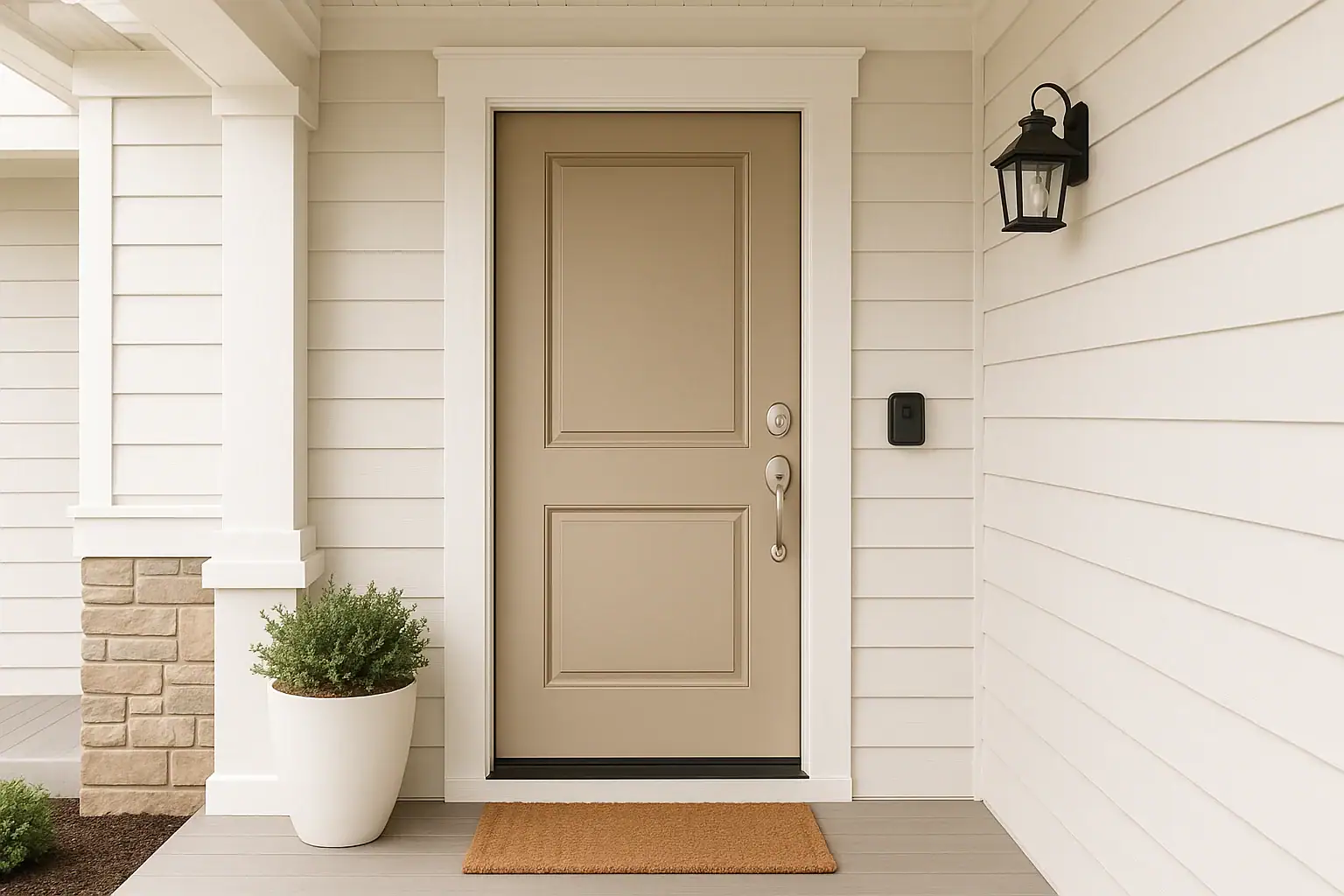
Spare keys are supposed to give you peace of mind, not create an easy opportunity for someone to walk into your home. Many people still tuck a key under a mat or flowerpot, hoping no one will notice. In reality, those classic hiding spots are the first places someone will check. Storing spare keys safely means thinking like a guest and like an intruder at the same time: Where would you look first, and how can you avoid those obvious locations?
This guide explains practical, low-tech and smart-home ways to handle spare keys, plus clear situations when you should not hide a key at all. You will learn how to choose who gets a key, where to keep backups, how to use technology as a safety net, and what to do if you lose track of who has access. The goal is simple: keep your home convenient for you and your family, but frustrating for anyone who should not be there.
Why Spare Key Security Matters
A spare key can be a lifesaver when you are locked out, but it can also be the weakest point in your home security. Many break-ins involve no forced entry at all. That often means a door was left unlocked or a key was easy to find. If someone can enter your home without breaking anything, it can be harder to notice what happened and harder to file an accurate police report or insurance claim.
Thinking ahead about spare keys helps you:
- Reduce the chance of easy, no-force entry
- Know exactly who can get into your home
- Handle lockouts without panic or expensive emergency help
- Protect your family, pets, and belongings
The good news is that you do not need complicated systems or expensive equipment. A few smart rules, a secure storage spot, and, if you like, some basic smart-home tools can make a big difference.
Common Spare Key Mistakes to Avoid
Before looking at better options, it helps to know what not to do. Many traditional hiding spots are so common that they are almost an invitation.
Never Use These Obvious Hiding Spots
Avoid hiding keys in places that are easy to guess or quick to search. These include:
- Under the front door mat
- Inside or under a flowerpot near the front door
- On top of the door frame
- Under a loose brick or rock right by the steps
- In a mailbox or attached to it
- In fake rocks or other novelty hiding containers near the entry
Anyone who has ever been locked out has probably used one of these ideas. That means people looking for a quick opportunity know them too.
When a Hidden Outdoor Key Is a Bad Idea
In some situations, hiding a key outside is simply not worth the risk. You should avoid outdoor hidden keys if:
- You live in a busy neighborhood with lots of foot traffic
- You are in a multi-unit building or shared entrance situation
- You travel often or your home is empty for long stretches
- You have had recent break-ins or suspicious activity nearby
- You rent the property and do not control who else has keys
In these cases, focus on controlled access through trusted people, secure lock boxes, or smart locks instead of a hidden key.
Step-by-Step: How to Store Spare Keys Safely
A good spare key plan has three parts: who gets a key, where the backups live, and how you will handle emergencies. Work through these steps to build a system that fits your home and lifestyle.
Step 1: Decide Who Truly Needs a Key
Every extra key is another potential risk. Start by listing who currently has access and who really needs it.
Common key holders might include:
- Adult household members
- Trusted neighbor or nearby friend
- Close relative who can respond in an emergency
- House sitter or pet sitter (short-term)
Then, ask yourself:
- Does this person still need regular access?
- Have circumstances changed (moved away, changed relationship, job ended)?
- Do I trust this person to keep the key secure and not loan it out?
Collect unused keys and plan to rekey or change locks if you are unsure who still has copies.
Step 2: Create a Primary Secure Storage Spot
Your main spare key should be in a place that is:
- Physically secure
- Out of sight from windows and doors
- Known to all adult household members
- Easy to reach in an emergency
Good indoor options include:
- A small lockable box or safe in a closet
- A locking file cabinet or drawer
- A hidden compartment in a room that is usually occupied
Keep this spot consistent. If you move the keys around, someone will eventually forget where they are, and you lose the benefit of having a clear plan.
Step 3: Set Up an Emergency Access Plan
Next, decide how you or your family will get in if everyone is locked out. You have several choices, and you can combine them:
- Give a key to a trusted neighbor who is home often
- Store a key in a secure lock box outside (more on that below)
- Use a smart lock that allows temporary codes
- Keep a labeled key in a secure place at work or in a vehicle
Write this plan down and make sure everyone who lives with you understands what to do. In a stressful moment, clear instructions are more helpful than a vague memory of where a key might be.
Safer Alternatives to Hiding Keys Outside
If you feel you must have some form of access available outside your home, focus on controlled, secure options rather than simple hiding spots.
Using a Lock Box Instead of a Hidden Key
A lock box is a small, secure container designed to hold a key behind a combination or digital lock. It is commonly used for real estate showings, but it also works well for homeowners who want emergency access without an obvious hidden key.
To use a lock box more safely:
- Mount it in a discreet but reachable location, not right at eye level by the front door
- Avoid placing it where it is visible from the street if possible
- Choose a strong, unique code that is not a birthday or simple pattern
- Change the code regularly, especially after sharing it with guests or workers
- Do not write the code on or near the box
A lock box does not make your home invincible, but it is far more secure than a key under a mat.
Leaving a Key With a Trusted Neighbor
Another option is to skip the outdoor key entirely and rely on a trusted neighbor or nearby friend. This works best when:
- You know the person well and see them regularly
- They are home at different times than you, so someone is likely available
- You have discussed expectations clearly (when they can use the key, who they may give it to)
To keep this arrangement secure:
- Ask your neighbor not to label the key with your name or address
- Update them if you change locks or move
- Offer to return the favor, so both of you benefit
How Smart Home Tech Can Help With Spare Keys
Smart-home tools can reduce your need for physical spare keys altogether. Instead of worrying about who has a metal key, you can manage access with codes, apps, and alerts.
Smart Locks and Temporary Codes
Smart locks replace or work with your existing deadbolt and allow you to unlock the door using a keypad, phone app, or other methods. They can help with spare key issues in several ways:
- You can create unique codes for family members, guests, or workers
- You can set codes to expire automatically after a certain date or time
- You can remove a code instantly if you no longer want someone to have access
- You can check an activity log to see when a door was unlocked
With this setup, you may keep one physical spare key in a secure indoor spot for backup, but rely on codes for daily use and temporary access.
Video Doorbells and Remote Unlocking
Some smart-home systems allow you to see who is at the door and unlock it remotely. This can be useful if:
- A family member is locked out while you are at work
- A trusted contractor or pet sitter arrives and you want to let them in
- You need to accept a delivery inside a secure area
Remote access should always be paired with good habits. Only unlock the door for people you recognize or can verify, and avoid sharing login details to your smart-home apps.
Digital Backups of Key Information
Even if you prefer traditional locks, you can use digital tools to stay organized:
- Keep a secure note listing who has keys and when they received them
- Set reminders to review key access every few months
- Store contact information for a reliable locksmith in your phone
These simple steps make it easier to react quickly if a key goes missing or your situation changes.
When You Should Not Hide a Spare Key at All
There are times when any hidden outdoor key is too risky, no matter how clever the hiding spot may seem. In these cases, focus on controlled access only.
High-Risk Situations
Avoid hiding an outdoor key if:
- You are going through a difficult breakup or separation
- You have had recent conflicts with roommates, tenants, or neighbors
- You have had a key lost or stolen and have not yet changed the locks
- You store high-value items inside the home
- Your property is isolated and not easily visible to others
In these situations, it is safer to rely on a trusted person with a key, a secure lock box with a strong code, or smart locks with carefully managed access.
Short-Term Guests and Service Providers
For short-term guests or workers, try not to hand out permanent keys at all. Instead:
- Use temporary smart lock codes that expire automatically
- Be home to let them in and stay while they work, when possible
- If you must give a key, collect it immediately when the work or stay ends
Leaving a key hidden for a one-time visitor may feel convenient, but it is better to plan ahead and control access directly.
What to Do If You Lose Track of Spare Keys
Many people are unsure how many copies of their house key exist. Maybe a former roommate never returned theirs, or a contractor once had a key for a project. If you cannot list who has access, it is time to reset your system.
Assess the Risk
Ask yourself:
- Who might still have a key, and how likely are they to use it?
- Has anything gone missing or seemed out of place?
- Have you had a recent change in relationships, roommates, or tenants?
If there is any doubt or discomfort, take action rather than hoping for the best.
Rekey or Replace Locks
Rekeying changes the internal pins in your existing lock so old keys no longer work. Replacing locks gives you entirely new hardware. Both options let you start fresh with a new set of keys.
Once you have new keys:
- Limit how many copies you make
- Write down who receives each copy and when
- Set a reminder to review your key list at least once a year
Update Your Spare Key Plan
After rekeying or replacing locks, take the opportunity to improve your overall plan:
- Choose a secure indoor storage spot for primary spares
- Decide whether you truly need any outdoor access method
- Consider adding a smart lock or lock box for controlled access
- Clearly communicate the new plan to your household
Simple Habits That Keep Spare Keys Safer
Technology and hardware help, but daily habits matter just as much. A few small routines can greatly reduce your risk.
- Do not label keys with your address. If a key is lost, a label turns it into a direct invitation.
- Separate car and house keys when possible. If your car is stolen, your home is not automatically at risk.
- Review who has keys regularly. Add a quick check to your seasonal home maintenance routine.
- Teach kids what to do if locked out. Share the family plan rather than encouraging them to hide keys outside.
- Be cautious on social media. Avoid posting detailed photos of keys or lock areas.
These habits are simple, but over time they make it much harder for the wrong person to take advantage of a misplaced or poorly hidden key.
Putting It All Together
Storing spare keys safely is about more than finding a clever hiding spot. It means knowing exactly who has access, keeping a secure backup, and planning ahead for lockouts without creating new risks. For many households, the best approach is a mix of secure indoor storage, a trusted person with a key, and, if desired, smart-home tools that allow temporary codes and remote access.
Walk through your current setup and ask yourself where your spare keys are, who has them, and how you would handle a lockout tomorrow. Then make small, practical changes: remove obvious outdoor hiding spots, set up a safe storage location, and consider adding a lock box or smart lock. With a little planning, you can enjoy the convenience of spare keys without sacrificing your home’s safety.
For more ideas on protecting your home and using smart technology wisely, explore additional smart home and safety guides at Signature Home Guide.
 Password Manager Basics for Families at Home: A Simple Guide
 How to Set Up a Secure Home WiFi Guest Network for Smart Devices
 How to Keep Security Camera Footage Private Inside Your Home