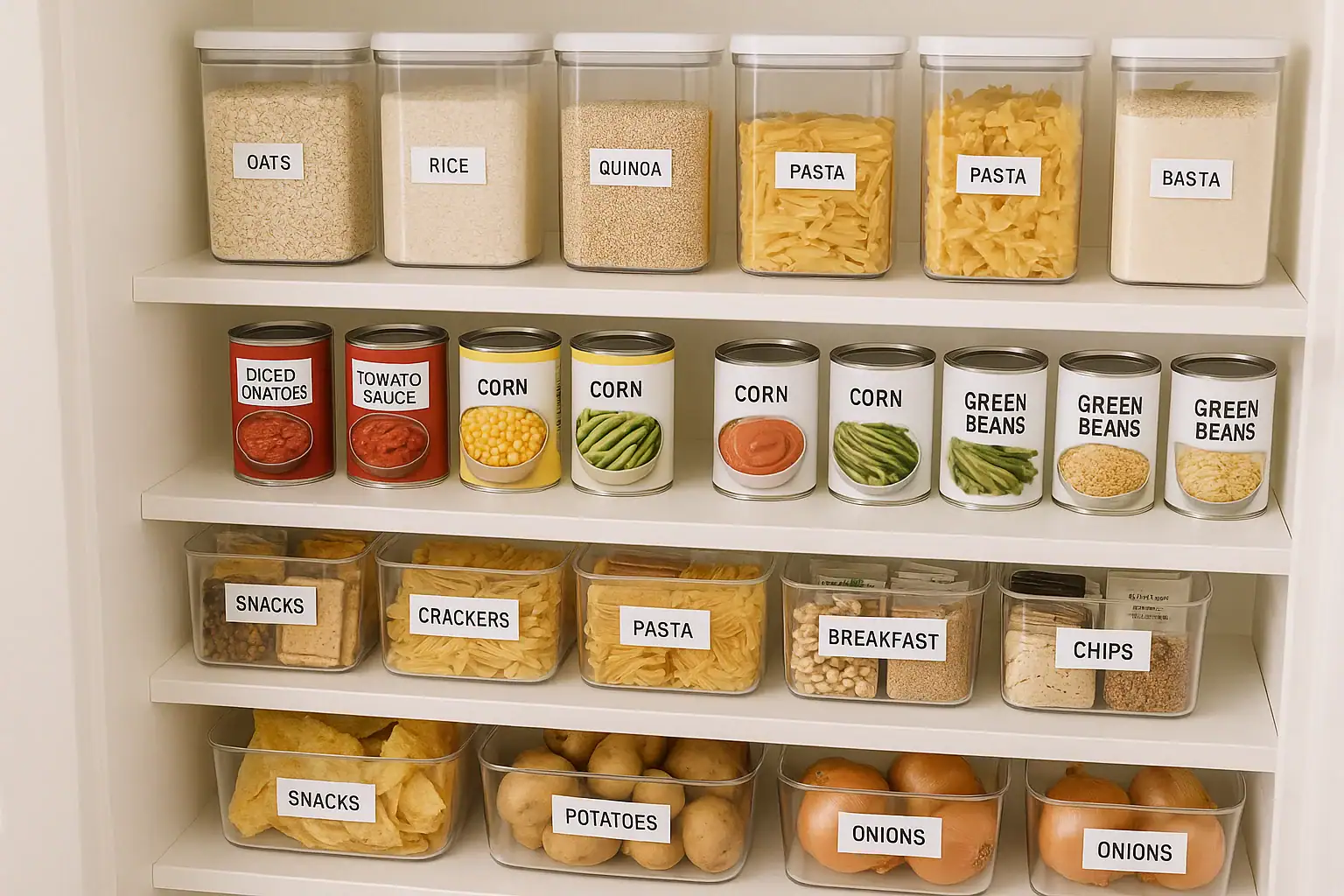
When life is busy, the kitchen is often the first place to feel the chaos. Groceries get pushed to the back of the pantry, you buy duplicates of items you already have, and food quietly expires before you ever use it. A simple pantry inventory system built around the FIFO method (First In, First Out) can completely change how your kitchen works. Instead of digging through cluttered shelves, you will know exactly what you have, what needs to be used first, and what to add to your shopping list. This approach saves time, reduces food waste, and helps you plan meals more confidently, even on hectic days.
You do not need a huge pantry or complicated tools to get started. With a clear structure, a few basic supplies, and consistent habits, you can turn any pantry space into an organized, easy-to-manage system. This guide walks you step-by-step through setting up a FIFO pantry inventory system tailored to busy kitchens, so you can spend less time searching and more time cooking and enjoying meals.
What Is a Pantry Inventory System and FIFO?
Before you start reorganizing shelves, it helps to understand what a pantry inventory system is and how FIFO fits in. Together, they create a simple framework that keeps your kitchen running smoothly.
Pantry inventory system basics
A pantry inventory system is a method for tracking what food you have on hand, where it is stored, and when it should be used. Instead of guessing what is in your pantry, you keep a simple record that guides grocery shopping and meal planning.
An effective pantry inventory system usually includes:
- Organized shelves or zones for different food categories
- Labels so everyone in the household knows where items belong
- A written or digital list of items you keep stocked
- A way to track expiration or best-by dates
What FIFO means in the kitchen
FIFO stands for First In, First Out. In a kitchen, it means you use the oldest items first and place newer items behind them. This keeps food moving in the right order and prevents forgotten cans, jars, and boxes from aging at the back of the shelf.
With FIFO, you:
- Place new groceries behind existing items of the same type
- Pull from the front of the shelf when cooking or packing lunches
- Check dates regularly and move older items forward
Combining a pantry inventory system with FIFO gives you both structure and a clear routine for using what you buy.
Benefits of a FIFO Pantry Inventory System for Busy Kitchens
Busy households need systems that save time and reduce stress. A FIFO-based pantry inventory does exactly that. Once it is in place, daily cooking becomes faster and more predictable.
Less food waste
When older items are always in front, you are far more likely to use them before they expire. This is especially helpful for:
- Canned goods and jars with long but not endless shelf lives
- Grains, pasta, and baking supplies that can go stale
- Snacks and breakfast items that tend to get lost in the back
Faster meal prep and planning
Knowing what you have on hand makes it easier to plan meals around existing ingredients. You can quickly scan your shelves and your inventory list to decide what to cook, instead of guessing or making last-minute store runs.
Smarter grocery shopping
With a pantry inventory system, your shopping list becomes targeted. You buy what you are actually low on instead of duplicates. Over time, this can lower your grocery bill and help you stock a pantry that truly matches your cooking style.
Less clutter and visual stress
An organized pantry is easier on the eyes and the mind. When everything has a place and is arranged logically, it is less stressful to cook, clean up, and involve other family members in kitchen tasks.
Step 1: Clear, Sort, and Categorize Your Pantry
Setting up a FIFO pantry inventory system starts with a reset. This does not have to be perfect, but you do need a clean baseline.
Empty and clean the space
Work one shelf at a time if your pantry is large. Remove all items and wipe down the surfaces. As you pull items out, group them loosely by type on your counter or table.
Check dates and condition
As you sort, check expiration or best-by dates and inspect packaging. Create three groups:
- Keep: Items in good condition with reasonable time left before expiration
- Use soon: Items that are approaching their date and should be prioritized
- Discard: Items that are expired, damaged, or no longer safe to eat
Create logical categories
Next, organize your “keep” items into categories that make sense for how you cook. Common groups include:
- Canned vegetables and beans
- Tomato products and sauces
- Grains, rice, and pasta
- Baking supplies (flour, sugar, baking powder, etc.)
- Breakfast items (cereal, oats, pancake mix)
- Snacks (chips, crackers, nuts, dried fruit)
- Oils, vinegar, and condiments
Keep the number of categories manageable so the system is easy to maintain.
Step 2: Design a FIFO-Friendly Pantry Layout
Once your items are grouped, it is time to design a layout that supports FIFO automatically. The goal is to make it natural to place new items behind older ones and pull from the front.
Assign zones by category
Give each category its own shelf, section, or bin. For example:
- Eye-level shelves for daily-use items like snacks and breakfast foods
- Higher shelves for back-up supplies and bulk items
- Lower shelves for heavier items like large bags of flour or cases of cans
Use containers to guide flow
Containers help guide how items move from back to front. You can use:
- Shallow bins for snacks and packets
- Clear containers for baking supplies or grains
- Tiered shelf risers for canned goods so you can see labels easily
Place items so that older products sit at the front of each bin or row, with space behind them for newer purchases.
Label everything clearly
Labels make your pantry inventory system easy for everyone to follow. Label shelves, bins, and containers with simple category names such as:
- “Pasta & Rice”
- “Canned Beans”
- “Baking Essentials”
- “Snacks – Open First”
Clear labels reduce the chance that items get put back in random spots, which is key for maintaining FIFO.
Step 3: Build a Simple Pantry Inventory List
Your physical layout is only half of the system. The other half is a simple inventory list that tells you what you have and what you need. This does not have to be complicated to be effective.
Choose your inventory format
Pick a format that fits your household and habits:
- Paper list: A clipboard or notebook hanging inside the pantry door
- Spreadsheet: A file you can update from a laptop or tablet
- Shared digital note: A note on your phone that family members can access
What to track
At minimum, track the following for each staple item you like to keep on hand:
- Item name (for example, black beans, elbow pasta)
- Preferred quantity to keep stocked (for example, 4 cans, 2 boxes)
- Current quantity
- Notes on special dates if needed (for example, “use oldest by October”)
For busy kitchens, focus on the items you buy regularly rather than every single product. Over time, you can adjust the list as your cooking habits change.
How to use the list day-to-day
Make updating your inventory list part of your routine:
- When you finish an item, mark it down or reduce the quantity on your list
- Before shopping, scan the list to see what needs to be replenished
- After shopping, update quantities so the list matches your pantry
Step 4: Put FIFO into Practice Every Time You Shop
FIFO works only if you follow the same steps each time new groceries come into the house. The process becomes quick once you are used to it.
Unpack groceries with intention
Instead of placing new items wherever there is space, follow this routine:
- Bring all pantry items to the counter near the pantry.
- Open the pantry and pull existing items slightly forward in each category.
- Place new items behind the older ones, matching type and size when possible.
- Slide the older items back to the front so they are easy to grab.
Mark dates where needed
Some items have hard-to-read dates. For these, use a simple marker or small label on the front or top of the package. Write the month and year or a “use by” reminder. This is especially helpful for:
- Bulk items you repackage into containers
- Baking ingredients
- Snacks and cereals opened and clipped closed
Rotate older items forward regularly
Once a week, take one minute to scan your shelves. Move older items to the very front and mentally note which ones to incorporate into upcoming meals. This quick rotation keeps FIFO working without a major time investment.
Step 5: Make Your System Work for a Busy Household
A pantry inventory system with FIFO will only last if it is realistic for your lifestyle. The key is to keep it simple and involve everyone who uses the kitchen.
Keep rules short and clear
Post a short set of pantry rules inside the door so everyone understands the basics. For example:
- “Put new items behind older ones of the same kind.”
- “Do not open a new box if one is already open.”
- “Write it on the list when you use the last one.”
Designate a “use first” zone
Create a small bin or front section labeled “Use First” for items that are closest to their date or that you want to use in upcoming meals. Check this spot when planning dinners or packing lunches.
Adjust the system as seasons change
Your pantry needs change throughout the year. At the start of each season, do a quick review:
- Move seasonal items (like baking supplies or grilling sauces) to more convenient spots when you use them often.
- Reduce the quantity of items you are not using as frequently.
- Update your inventory list to match your current cooking patterns.
Sample Pantry Inventory Categories for FIFO
If you are not sure how to group items for your FIFO pantry inventory, use these sample categories as a starting point. Adjust them to match what your household eats most.
Core pantry staples
- Grains and pasta: rice, quinoa, couscous, pasta shapes
- Canned proteins: beans, lentils, canned meats or fish
- Tomato products: crushed, diced, paste, sauces
- Broths and stocks: shelf-stable cartons or cans
Baking and breakfast
- Flours and baking mixes
- Sugars and sweeteners
- Baking powder, baking soda, yeast
- Oats, cereal, granola, pancake mix
Snacks and quick bites
- Chips, crackers, pretzels
- Nut and seed mixes
- Snack bars and fruit snacks
- Single-serve items for lunch boxes
Cooking helpers
- Cooking oils and sprays
- Vinegars and cooking wines
- Condiments and sauces
- Spices, herbs, seasoning blends
Quick Maintenance Routine for Your FIFO Pantry
Once your pantry inventory system is set up, maintaining it should take only a few minutes each week. A simple routine keeps everything in order without feeling like a big project.
Weekly five-minute check
Once a week, do a short walk-through:
- Scan the “Use First” zone and plan meals around those items.
- Move older items to the front in each category.
- Note any items that are low and add them to your shopping list.
Monthly mini-reset
Once a month, choose one shelf or category to tidy:
- Wipe down the shelf or bin if needed.
- Group similar items back together.
- Remove anything that is expired or no longer used.
Seasonal deep review
Every few months, do a deeper review of your pantry and inventory list:
- Update your “always keep on hand” items based on what you actually used.
- Shift categories or zones if something is not working well.
- Set a goal to use up any slow-moving items in upcoming recipes.
Connecting Your Pantry System to Meal Planning
A FIFO pantry inventory system becomes even more powerful when you connect it to simple meal planning. You do not need detailed menus for every day to benefit.
Start with what needs to be used
When planning meals for the week, begin with your “Use First” items and anything close to its date. Build meals around those ingredients to keep food moving through your pantry.
Use your inventory list for ideas
Look at your inventory list and ask:
- Which grains or pastas do I have that I can use this week?
- Which canned beans or proteins can I turn into a quick meal?
- Do I have enough baking supplies for snacks or breakfast items?
Plan flexible, repeatable meals
Busy kitchens benefit from flexible meal ideas that work with whatever is in the pantry, such as:
- One-pot pasta dishes with canned tomatoes and vegetables
- Grain bowls using rice or quinoa, beans, and pantry sauces
- Simple soups built from broth, canned vegetables, and grains
These types of meals naturally support FIFO because they use shelf-stable staples that rotate regularly.
Bringing It All Together
A pantry inventory system built around FIFO does not have to be complicated or time-consuming. By clearing and categorizing your shelves, designing a layout that supports older items in front, keeping a simple inventory list, and following the same routine each time you shop, you create a kitchen that works for you instead of against you.
In a busy household, this structure means fewer last-minute store runs, less food waste, and a calmer experience every time you open the pantry door. Start small, focus on the categories you use most, and adjust the system as you go. Over time, your pantry will become one of the most organized and reliable spaces in your home.
For more ideas on organizing the kitchen and managing everyday home systems, explore related guides and adapt the strategies that fit your space, schedule, and cooking style.
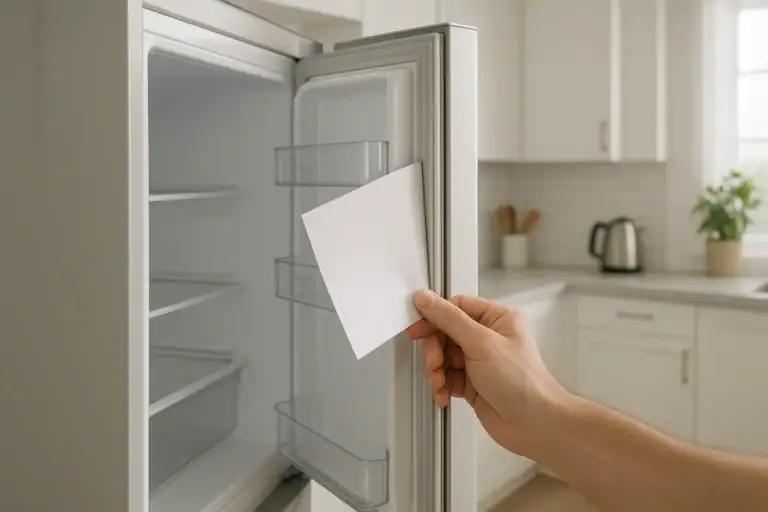 Fridge Door Seal Test Checklist for Better Energy Use and Food Safety
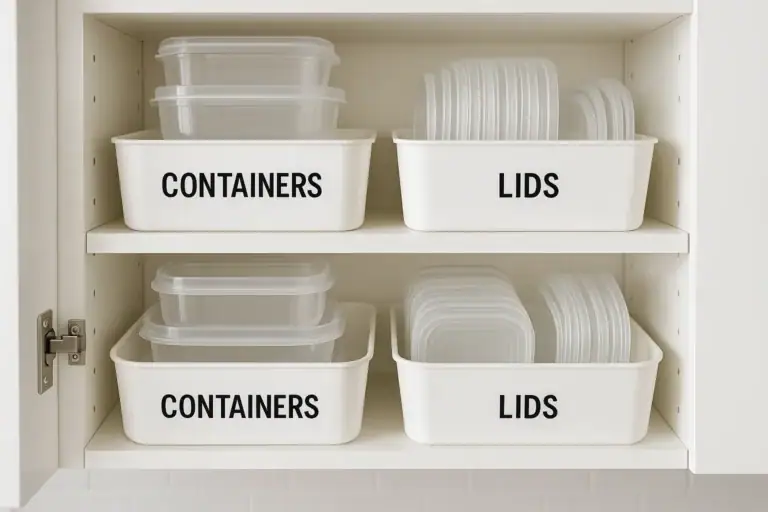 Food Storage Container Organization and Stain Removal Made Simple
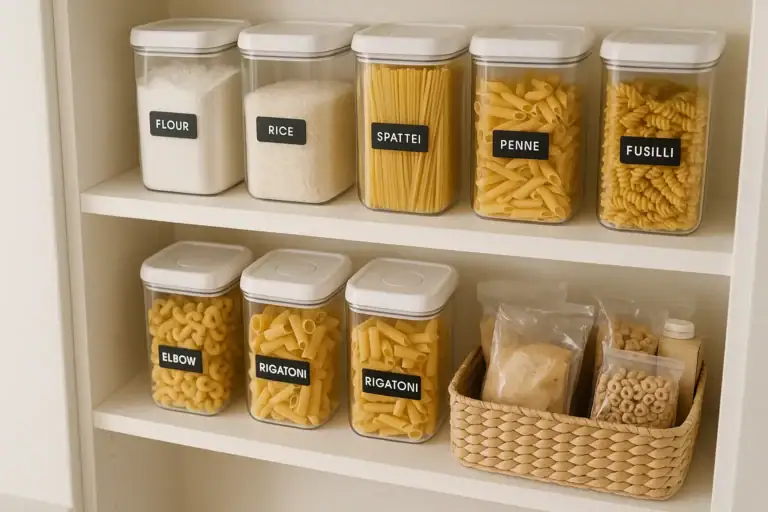 How to Store Flour, Rice, and Pasta to Prevent Pests at Home