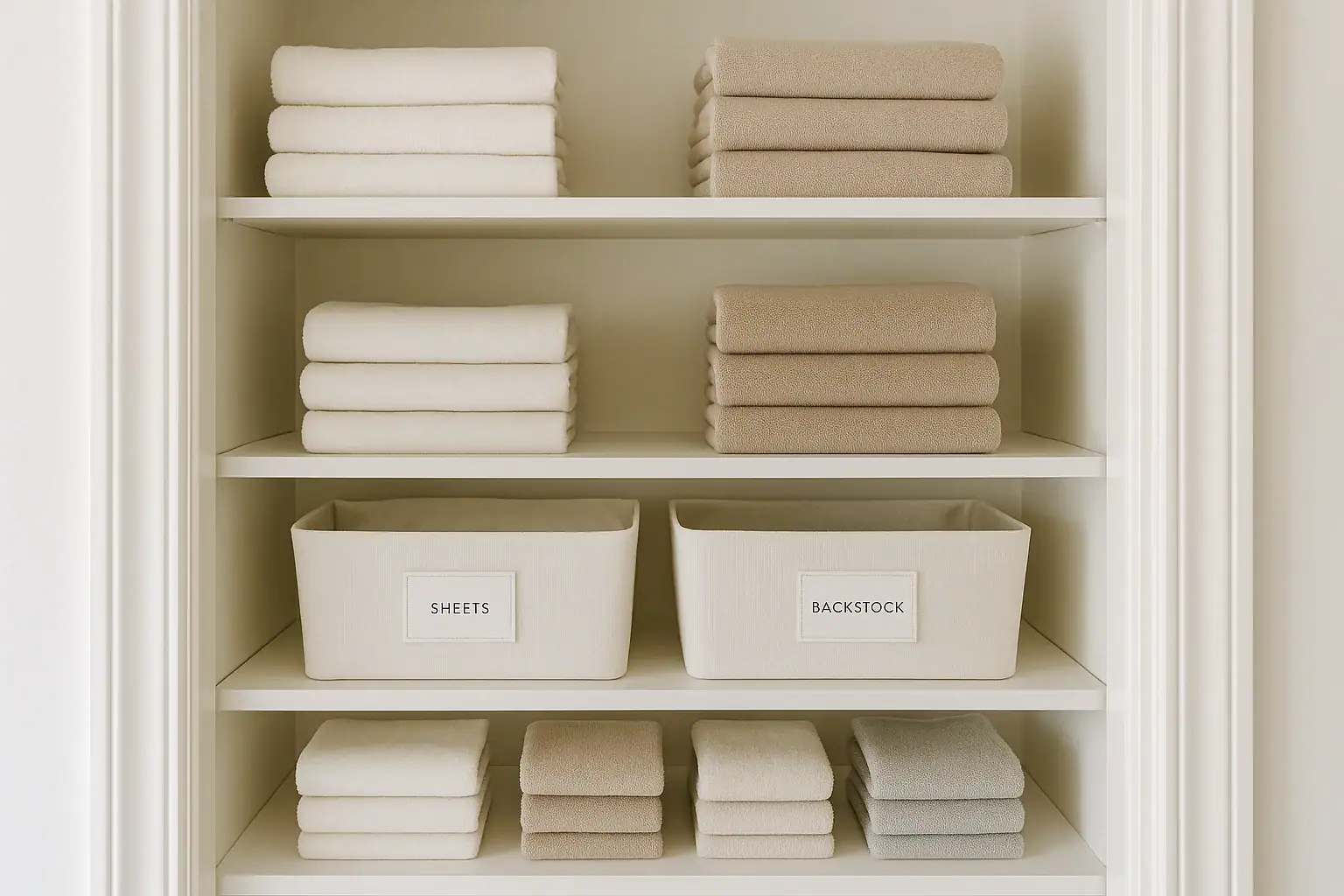
A well-organized linen closet can make daily life feel calmer and more efficient. Instead of digging through piles of sheets and towels, you can open the door and see everything at a glance. Creating clear zones for sheets, towels, and backstock helps you know what you own, what needs to be washed, and what needs to be restocked. You do not need a huge closet or expensive organizers to make this work. With a simple plan, a bit of decluttering, and some smart folding, your linen closet can become one of the most functional spaces in your home.
This guide walks you through how to sort what you have, design zones that fit your family, and maintain the system with quick weekly habits. Whether your linen closet is a tiny hallway cabinet or a full walk-in, you can adapt these ideas to fit your space and your routines.
Step 1: Declutter Before You Organize
Before you create zones, clear out what you no longer use. Organizing clutter just makes it look neater for a short time. A quick, honest edit will make the rest of the process easier.
Empty the Closet Completely
Take everything out of the linen closet and place it on a bed or a clean floor. Seeing it all at once helps you understand how much you own and where the excess is.
Sort by Category
Create simple piles so you can make decisions faster:
- Bath towels and hand towels
- Washcloths
- Sheet sets by bed size
- Blankets and throws
- Duvet covers and comforters
- Table linens and kitchen towels
- Guest linens
- Backstock items (toilet paper, tissues, soap, etc.)
- Miscellaneous (seasonal items, covers, pads, etc.)
Use Simple Decluttering Questions
For each pile, ask yourself:
- Is this in good condition, without stains or holes?
- Do we have more of this item than we realistically need?
- Would I feel comfortable offering this to a guest?
- Have I used this in the last year?
Set aside worn-out items to cut into cleaning rags or recycle if possible. Donate extra, still-usable linens to local shelters or community groups. Keep only what you like, use, and have space to store.
Step 2: Decide How Many Sets You Really Need
Right-sizing your collection is key to a low-maintenance linen closet. Having fewer, better-used items makes folding and putting things away much faster.
Guidelines for Sheets
A practical rule is:
- Two sheet sets per regularly used bed (one on the bed, one in the closet)
- One extra set for guests or emergencies if you have the space
If you have children or pets, keeping one additional backup set per bed can be helpful for late-night changes. Try to avoid keeping more than three sets per bed unless you have a specific need, such as frequent visitors.
Guidelines for Towels
For most households, this works well:
- Two to three bath towels per person
- Two to three hand towels per bathroom
- Four to six washcloths per bathroom
- Two to four guest towels reserved for visitors
Adjust these numbers based on how often you do laundry. If you wash towels weekly, you may need fewer. If you stretch laundry days, you may need one or two extra per person.
Step 3: Plan Zones for Sheets, Towels, and Backstock
Zones are simply dedicated areas for specific categories. When every item has a home, it is easier for everyone in the household to put things away correctly and find what they need.
Map Your Closet Shelves
Stand in front of your empty closet and make a quick plan:
- Eye-level shelves: Everyday items you reach for often
- Lower shelves: Heavier items like blankets or bulk backstock
- Upper shelves: Seasonal or rarely used items
- Door space: Small items or lightweight backstock if you add hooks or an organizer
Create a Sheet Zone
Dedicate one or two shelves to sheets. To keep it simple:
- Give each bed size its own stack or bin (twin, full, queen, king)
- Place the most frequently used bed sizes at eye level
- Store guest sheets together in a clearly labeled spot
If your home has multiple floors, consider keeping each bedroom’s sheets in that room instead of the central linen closet. This frees up space and makes bed changes faster.
Create a Towel Zone
Set aside at least one shelf for towels. Group them in a way that matches how you use them:
- Everyday bath towels for the family
- Guest towels, kept separate so they stay in good condition
- Hand towels and washcloths in small bins or baskets
- Beach or pool towels on a lower shelf or in a separate area if bulky
Place the towels you grab most often at chest or eye level so they are easy to reach and put away.
Create a Backstock Zone
The backstock zone is where you store extra household supplies. Keeping these items together prevents overbuying and makes it easy to see what you have.
Common backstock items include:
- Toilet paper and tissues
- Extra soap and shampoo
- Lotion and personal care items
- Laundry supplies
- Cleaning wipes or sprays
Use bins or open baskets to contain backstock by category. Label the front of each bin so you can quickly scan and see when you are running low.
Step 4: Use Smart Folding and Containment
Neat folding and simple containers keep your zones from turning into jumbled piles. Choose methods that are easy to maintain, not just pretty for one day.
How to Fold and Store Sheet Sets
Keeping each sheet set together saves time and prevents mismatched pieces. Try this method:
- Fold the fitted sheet into a rectangle.
- Fold the flat sheet to a similar size.
- Fold pillowcases in half or thirds.
- Stack the folded fitted sheet and flat sheet.
- Place the stack inside one of the pillowcases, then fold the open end over to create a tidy bundle.
Store these bundles upright in a bin or in neat stacks on the shelf. Label by size so anyone can grab the right set quickly.
How to Fold Towels for Easy Access
Use a simple, consistent fold for all towels:
- Fold the towel in thirds lengthwise.
- Fold it in half, then in half again.
- Place towels with the folded edge facing out for a clean look.
If your shelves are shallow, you can roll towels instead of folding. The key is to keep the size consistent so stacks stay stable and do not topple over.
Contain Small Items in Bins
Small items can easily get lost on deep shelves. Use bins, baskets, or clear containers for:
- Washcloths and face towels
- Extra pillowcases
- Table linens and napkins
- Travel-size toiletries
- First aid or wellness supplies, if you store them here
Choose containers that fit your shelves and leave a little room for your hand to reach in. Avoid overstuffing; if a bin is overflowing, it is a sign you may need to declutter or expand that zone.
Step 5: Label Your Zones Clearly
Labels are the secret to keeping your linen closet organized over time. They tell everyone in the household where things belong and reduce the chance of random items landing in the wrong spot.
What to Label
Label shelves, bins, and baskets with simple, clear words, such as:
- “Queen Sheets”
- “Twin Sheets”
- “Guest Sheets”
- “Bath Towels”
- “Hand Towels & Washcloths”
- “Guest Towels”
- “Toilet Paper”
- “Extra Toiletries”
- “Blankets & Throws”
Simple Labeling Options
You do not need special tools to label. You can use:
- Sticky labels or tape with handwritten names
- Clip-on tags for baskets
- Index cards taped to the front of shelves
Keep the wording short and obvious. The goal is for anyone to be able to open the closet and know exactly where to put something back.
Step 6: Make Use of Vertical and Door Space
Many linen closets are deeper or taller than they are wide. Using vertical space wisely can give you extra room for backstock and small items without crowding your main shelves.
Stack Strategically
Place heavier items on lower shelves and lighter items higher up. For example:
- Bottom shelf: Bulk backstock, large blankets, or extra pillows
- Middle shelves: Everyday towels and sheets
- Top shelf: Seasonal bedding, extra quilts, or rarely used items
Use shelf risers or small stacking shelves if you have a lot of short items, such as washcloths or toiletries, so that you can see everything without creating tall, unstable piles.
Use the Back of the Door
If your linen closet has a door, consider using it for additional storage. A hanging organizer or hooks can hold:
- Extra hand towels and washcloths
- Small toiletry backstock
- Cleaning supplies you want easy access to
- Lightweight seasonal items
Keep door storage light so it does not strain the hinges or make the door hard to close.
Step 7: Create a Simple Maintenance Routine
Once your linen closet is organized into zones, a few small habits will keep it that way. The goal is to prevent clutter from building up again.
Weekly Quick Tidy
Once a week, spend five to ten minutes:
- Restacking any messy piles of towels or sheets
- Checking backstock levels for items you are running low on
- Removing anything that does not belong in the linen closet
Seasonal Review
At the change of each season, do a brief check:
- Rotate seasonal bedding and move off-season items to higher shelves
- Donate or repurpose any linens that are worn or no longer needed
- Confirm that labels still match how you are using the space
Family-Friendly Habits
To keep your system working, involve everyone who uses the closet:
- Show family members where each zone is and what the labels mean
- Ask that items be folded before they are put away, even if the fold is not perfect
- Encourage kids to put their own towels or sheets back in the right spot
When the system is simple and clearly labeled, it is much easier for everyone to follow.
Sample Layout for a Small Linen Closet
If you are not sure where to start, here is a sample layout you can adapt. Imagine a narrow hallway linen closet with four main shelves and some floor space.
- Top shelf: Extra pillows, seasonal blankets, rarely used guest bedding
- Second shelf: Sheet zone with labeled stacks or bins by bed size
- Third shelf (eye level): Towel zone with everyday bath towels, guest towels, and a bin for hand towels and washcloths
- Fourth shelf: Backstock zone with bins for toilet paper, tissues, and extra toiletries
- Floor: Large bulk items, such as a bin of beach towels or a basket of extra blankets
Adjust the layout based on your household. The key is to keep sheets, towels, and backstock clearly separated so you can see inventory at a glance.
Benefits of Zoned Linen Closet Organization
Taking the time to set up zones for sheets, towels, and backstock has lasting benefits for your home and daily routines.
- Less stress: You can find what you need quickly, even on busy mornings or late nights.
- Fewer duplicates: Seeing your backstock in one place helps you avoid buying more than you need.
- Faster laundry days: Putting clean items away is easier when every category has a clear home.
- Guest-ready: You can set up a guest bed or bathroom in minutes with neatly stored linens.
- Better use of space: Vertical storage, bins, and labels help you make the most of even a small closet.
Once your zones are in place, a few simple habits will keep your linen closet organized and functional for the long term.
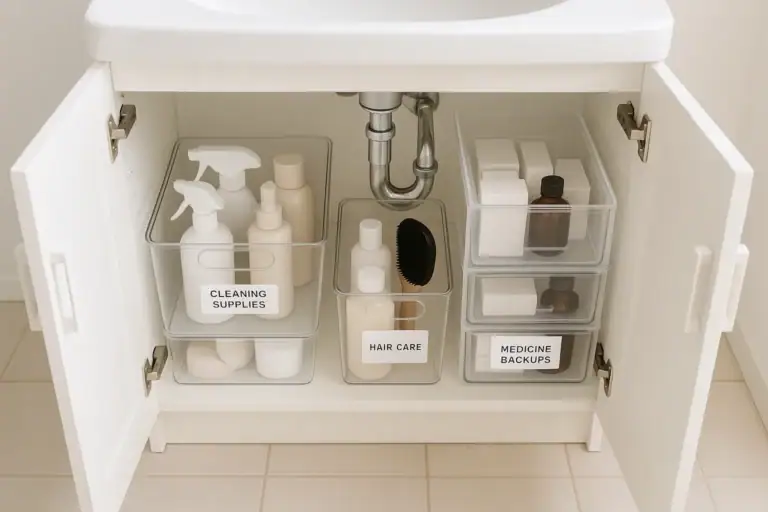 Smart Bathroom Cabinet Organization for Under-Sink Drawers and Medicine Backups
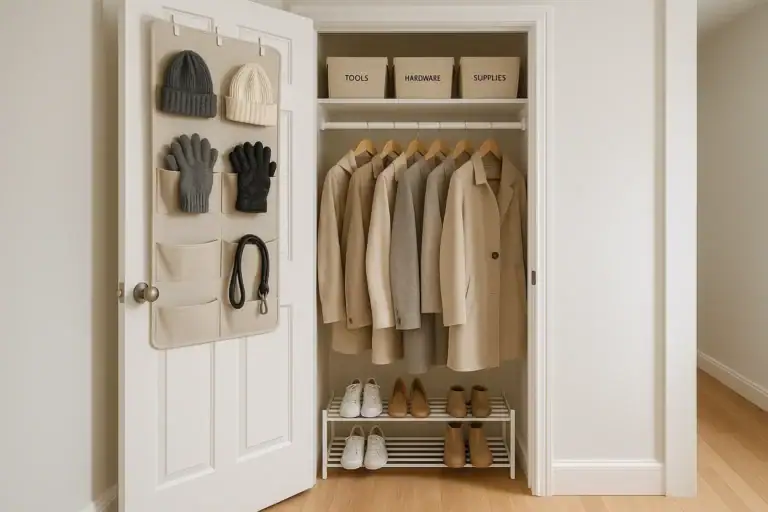 How to Organize a Hall Closet for Coats, Tools, and Everyday Items
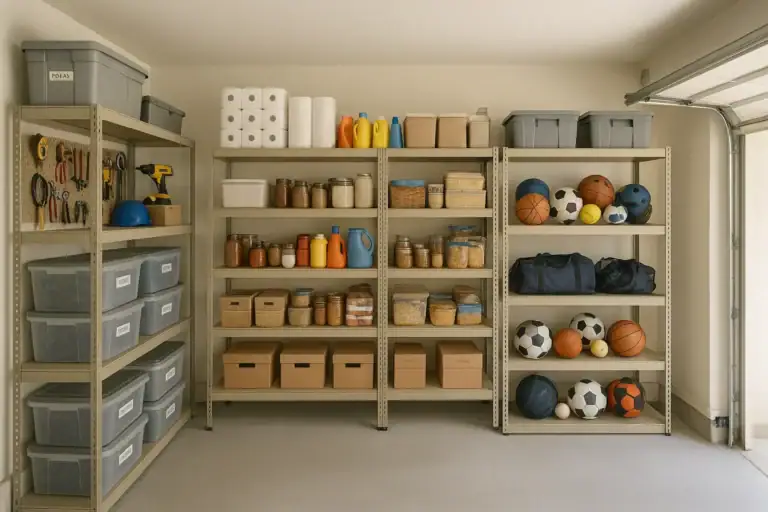 How to Create Smart Garage Shelf Zones for Tools, Sports Gear, and Household Backstock