Home Cleaning & Organization Guide
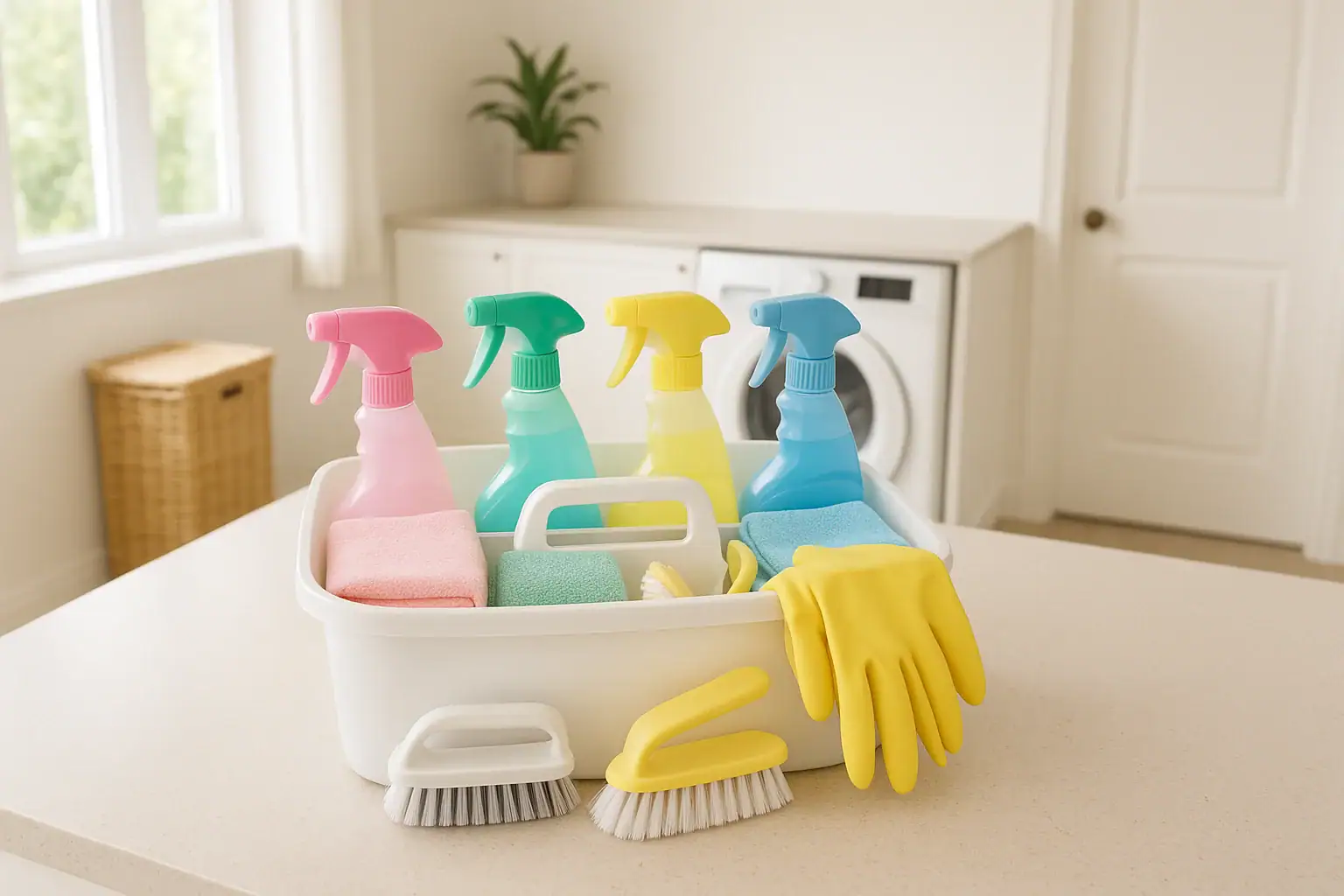
A grab-and-go cleaning caddy is one of the easiest ways to make cleaning your home faster and less stressful. Instead of hunting for supplies in different closets and cabinets, you can keep your most-used items in one portable container that is always ready to go. This simple change can help you clean more often, finish tasks more quickly, and avoid feeling overwhelmed when messes pop up.
In this guide, you will learn exactly how to build a simple, effective cleaning caddy that fits your home and lifestyle. We will cover what type of caddy to choose, which supplies to include, how to organize everything so it is easy to grab, and how to maintain it so it always stays stocked. You will also find ideas for different types of caddies, like bathroom-only or kid-friendly versions, plus tips for storing and using them in a small space. By the end, you will have a ready-to-use system that makes cleaning feel more manageable and less like a chore.
Why a Grab-and-Go Cleaning Caddy Works So Well
A cleaning caddy is a simple organizing tool, but it can transform the way you clean. Instead of starting each cleaning session by gathering supplies, you can get to work right away. This reduces decision fatigue and makes it easier to tackle small tasks before they turn into big jobs.
Benefits of a grab-and-go cleaning caddy include:
- Saves time: All your essentials are in one place, so you are not running from room to room.
- Reduces clutter: Fewer random bottles and tools scattered under sinks and in closets.
- Encourages quick cleanups: It is easier to wipe down a bathroom or kitchen when everything is ready to go.
- Makes routines easier: You can follow the same steps every time, using the same tools.
- Helps other household members pitch in: Anyone can grab the caddy and know what to use.
The goal is not to have every single product you own in one container. Instead, you want a compact set of core supplies that cover most everyday cleaning tasks.
Step 1: Choose the Right Cleaning Caddy
The best cleaning caddy is the one you will actually use. It should be comfortable to carry, easy to clean, and simple to organize. You can use a purpose-made caddy, a small plastic tote, or even a sturdy basket with compartments.
What to Look For in a Caddy
- Handle: A strong, comfortable handle in the center makes it easy to carry with one hand.
- Compartments: Separate sections help keep bottles upright and tools from getting tangled.
- Material: Plastic or coated metal is ideal because it can be wiped clean and will not absorb spills.
- Size: Large enough for your essentials, but not so big that it becomes heavy and awkward.
- Weight: Lightweight when empty so it does not become too heavy when filled.
Good Caddy Size for Most Homes
For most households, a caddy that holds 4 to 6 spray bottles plus cloths and tools is plenty. If you live in a multi-story home, consider a smaller, lighter caddy that is easy to carry up and down stairs.
Step 2: Decide the Purpose of Your Caddy
Before you start filling your caddy, decide what you want it to do. A general-purpose caddy works for most people, but you might benefit from a more specific setup depending on your home and routines.
Common Caddy Types
- All-purpose caddy: Covers everyday bathroom and kitchen surfaces, dusting, and quick floor touch-ups.
- Bathroom-only caddy: Focuses on disinfecting, glass cleaning, and scrubbing tools for sinks, tubs, and toilets.
- Kitchen-focused caddy: Includes degreaser, dish tools, and supplies for counters, appliances, and sinks.
- Quick-tidy caddy: Minimal supplies for fast daily resets, like wipes, a multi-surface spray, and a few cloths.
- Kid-friendly helper caddy: Gentle cleaners, microfiber cloths, and simple tools that older kids can safely use.
If this is your first time building a cleaning caddy, start with an all-purpose version. You can always create more specialized caddies later if you find that helpful.
Step 3: Choose the Essentials for Your Cleaning Caddy
Next, pick the actual products and tools. Focus on multi-use items that can handle several tasks. This keeps your caddy lighter and simpler.
Core Cleaning Products to Include
Adjust this list based on the surfaces and finishes in your home, but these basics work for most households:
- All-purpose cleaner: For counters, cabinets, doors, light switches, and many bathroom surfaces.
- Glass and mirror cleaner: For mirrors, glass doors, and shiny surfaces that show streaks.
- Bathroom or disinfecting cleaner: For sinks, toilets, tubs, and high-germ areas.
- Mild abrasive or cream cleaner: For soap scum, sinks, and stubborn marks on hard surfaces.
- Floor spot cleaner or small bottle of concentrate: For quick spills on hard floors or small carpet spots.
Useful Tools and Accessories
These tools help you clean quickly and reach tricky areas without needing a full closet of supplies:
- Microfiber cloths (4–8): Color-code if you can, such as one color for bathrooms and another for kitchens.
- Scrub brush: A small hand brush for grout, corners, and textured surfaces.
- Toothbrush-size detail brush: For faucet bases, shower tracks, and tight spots.
- Non-scratch scrub pad or sponge: For tubs, sinks, and stuck-on grime.
- Magic-eraser style sponge: For scuffs on walls, baseboards, and doors.
- Feather duster or small microfiber duster: For quick dusting of surfaces and decor.
- Pair of cleaning gloves: To protect your hands from moisture and cleaning solutions.
- Small trash bags or grocery bags: For emptying small trash cans as you move through rooms.
- Roll of paper towels (optional): For tasks where you prefer disposable towels.
Optional Add-Ons
Depending on your home, these extras might be helpful:
- Wood-safe cleaner or polish: For furniture and wood trim, if you have many wood surfaces.
- Stainless steel cleaner: If you have stainless steel appliances that show fingerprints.
- Disinfecting wipes: For quick handle and switch wipe-downs when you are short on time.
- Lint roller: For lamp shades, fabric headboards, and quick pet hair removal.
Step 4: Arrange and Organize Your Caddy
How you arrange your caddy matters. A tidy layout prevents spills, makes it easier to see what you have, and speeds up your cleaning routine.
Place Items by Height and Frequency
- Put taller bottles in the back: This keeps labels visible and prevents them from blocking smaller items.
- Keep daily-use items in the front: Place your all-purpose cleaner, glass cleaner, and a few cloths where you can grab them quickly.
- Use side pockets or smaller sections: Store brushes, scrub pads, and gloves in separate compartments so they do not get lost under bottles.
- Roll or fold cloths: Roll microfiber cloths and stand them upright in a section so you can see how many you have.
Label for Clarity
If your household has multiple people helping with cleaning, labels can make a big difference. You can label:
- The outside of the caddy with its purpose, such as “All-Purpose Cleaning Caddy”
- Individual bottles with their main use, such as “Bathroom Surfaces” or “Glass Only”
- Sections inside the caddy for cloths, brushes, and trash bags
Clear labels help prevent mistakes, like using a harsh cleaner on a delicate surface, and make it easier for others to follow your system.
Step 5: Create a Simple Cleaning Routine Around Your Caddy
Your grab-and-go caddy is most powerful when it is tied to a simple routine. You do not need a complicated schedule. A basic pattern that you repeat weekly or daily is enough.
Sample Weekly Caddy Routine
Here is a straightforward routine you can follow using your caddy:
- Start upstairs or in the farthest room: Bring your caddy and a small trash bag.
- Empty small trash cans: Replace liners as you go.
- Dust and wipe surfaces: Use your duster, then follow with all-purpose cleaner on high-touch areas.
- Clean mirrors and glass: Use your glass cleaner and a clean cloth.
- Refresh bathrooms: Spray sinks, counters, and toilets; let the cleaner sit while you wipe mirrors and fixtures, then return to scrub.
- Spot clean floors: Use a floor-safe cleaner for small spills or sticky spots.
Repeat this pattern room by room. Because everything you need is in your caddy, you will move quickly and stay focused.
Daily Quick-Reset with Your Caddy
On busy days, use your caddy for a 10 to 15 minute reset:
- Grab your caddy after dinner or before bed.
- Wipe kitchen counters and table.
- Spot clean the stove and sink.
- Wipe bathroom counters and faucet handles.
- Do a quick mirror check in the main bathroom.
These small, consistent efforts keep your home feeling fresher and reduce the need for long, exhausting cleaning sessions.
Step 6: Maintain and Restock Your Cleaning Caddy
To keep your grab-and-go caddy truly ready to use, build a habit of maintaining it. This does not take long and prevents frustration when you are ready to clean but find empty bottles or dirty cloths.
Weekly Caddy Check
Once a week, preferably on the same day you do your main cleaning, do a quick caddy check:
- Refill or replace any nearly empty bottles.
- Remove used cloths and replace them with clean ones.
- Wipe out the inside of the caddy to remove dust, crumbs, or spills.
- Restock trash bags, gloves, or wipes as needed.
Seasonal Adjustments
Every few months, review what you are actually using:
- Remove products you rarely touch to lighten the load.
- Add anything you find yourself going back to the cleaning closet for.
- Check labels and make sure you are still using products that fit your surfaces and preferences.
This keeps your caddy streamlined instead of turning it into a catch-all bin.
Ideas for Specialized Cleaning Caddies
Once your main grab-and-go caddy is working well, you may want to create smaller, specialized versions for certain areas or tasks. This can be especially helpful in larger homes or busy households.
Bathroom-Only Caddy
Store this near the bathrooms to make quick cleanups easy:
- Bathroom cleaner or disinfecting spray
- Glass cleaner
- Toilet bowl cleaner and dedicated toilet brush (stored separately for hygiene)
- Non-scratch scrub pad
- Microfiber cloths reserved for bathroom use
- Disposable gloves
Kitchen-Focused Caddy
Keep this under the kitchen sink or in a pantry:
- Degreasing cleaner for stovetops and range hoods
- Mild cleaner for counters and tables
- Dish brush or sponge
- Microfiber cloths and paper towels
- Stainless steel cleaner if needed
- Small scraper for stuck-on food spills
Kid-Friendly Helper Caddy
For older kids who help with chores, create a simple, safe caddy:
- Gentle, non-irritating surface spray in a clearly labeled bottle
- Color-coded microfiber cloths
- Small duster
- Lint roller for furniture
- Simple checklist of tasks they can do with the caddy
Always supervise children and review safety rules, such as never mixing products and keeping bottles away from faces.
Where to Store Your Cleaning Caddy
Location matters. If your caddy is hard to reach, you are less likely to use it. Choose a spot that is central, safe, and easy to access.
Smart Storage Spots
- Hall closet shelf: Central to bedrooms and bathrooms.
- Laundry room shelf or counter: Convenient if you wash cleaning cloths there.
- Under a main bathroom sink: Works well for a bathroom-only caddy.
- Pantry or kitchen closet: Ideal for a kitchen-focused or all-purpose caddy.
If you have young children or pets, store your caddy in a locked cabinet or on a high shelf. Safety should always come first.
Safety Tips for Your Cleaning Caddy
Because your caddy keeps many products in one place, it is important to use and store it safely.
- Keep all products in their original containers with labels intact.
- Never mix different cleaners together in one bottle.
- Store the caddy out of reach of children and pets.
- Wear gloves when using strong cleaners or when you have sensitive skin.
- Follow all directions on product labels, including ventilation and contact time.
Simple Checklist: Build Your Grab-and-Go Cleaning Caddy
Use this quick checklist to put everything together:
- Choose a sturdy, easy-to-carry caddy with compartments.
- Decide on the purpose: all-purpose, bathroom, kitchen, or quick-tidy.
- Select 3 to 5 core cleaners that cover most surfaces in your home.
- Add essential tools: microfiber cloths, scrub brush, detail brush, scrub pad, and gloves.
- Arrange items by height and frequency of use so everything is visible.
- Label the caddy and bottles for clarity and safety.
- Store your caddy in a central, safe, easy-to-reach location.
- Do a weekly restock and wipe-down to keep it ready to grab.
Bringing It All Together
Building a simple grab-and-go cleaning caddy is a small project with a big payoff. With one organized container of supplies, you can move through your home efficiently, handle everyday messes quickly, and reduce the stress that often comes with cleaning. You do not need a huge collection of products or complicated routines. A well-planned caddy, a basic route through your home, and a short weekly restock are enough to keep your space feeling cleaner and more under control.
Start with the supplies you already have, choose a caddy that feels comfortable to carry, and build from there. Over time, you can adjust what you keep in your caddy so it matches the way you actually live and clean. The goal is not perfection; it is to make cleaning easier, faster, and more manageable so you can spend more time enjoying your home.
 Scent Free Cleaning Routine for Sensitive Noses: A Practical Guide
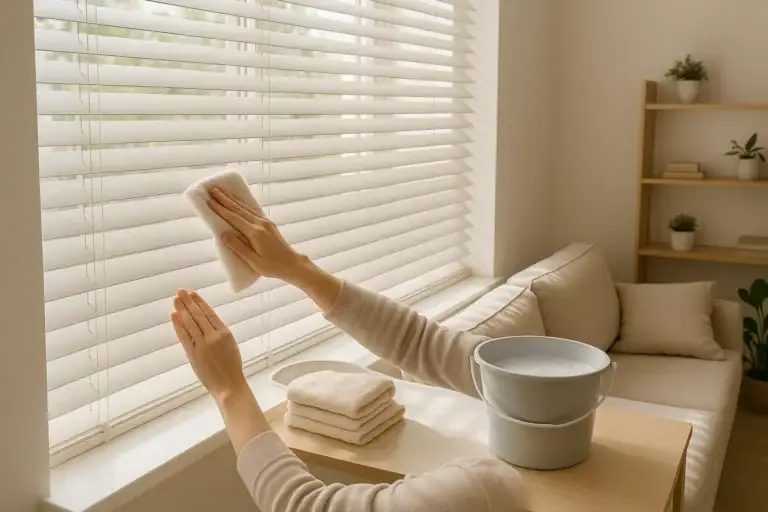 How to Clean Blinds Without Removing Them: A Simple Step-by-Step Guide
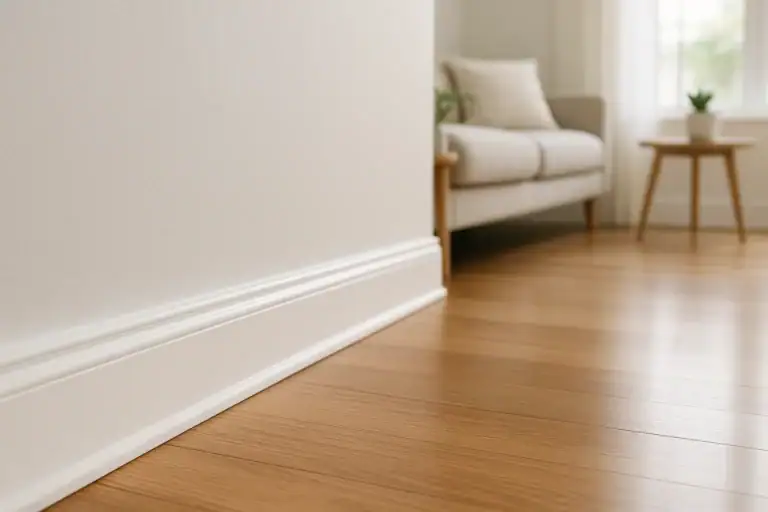 How to Clean Baseboards Quickly Without Spreading Dust Everywhere