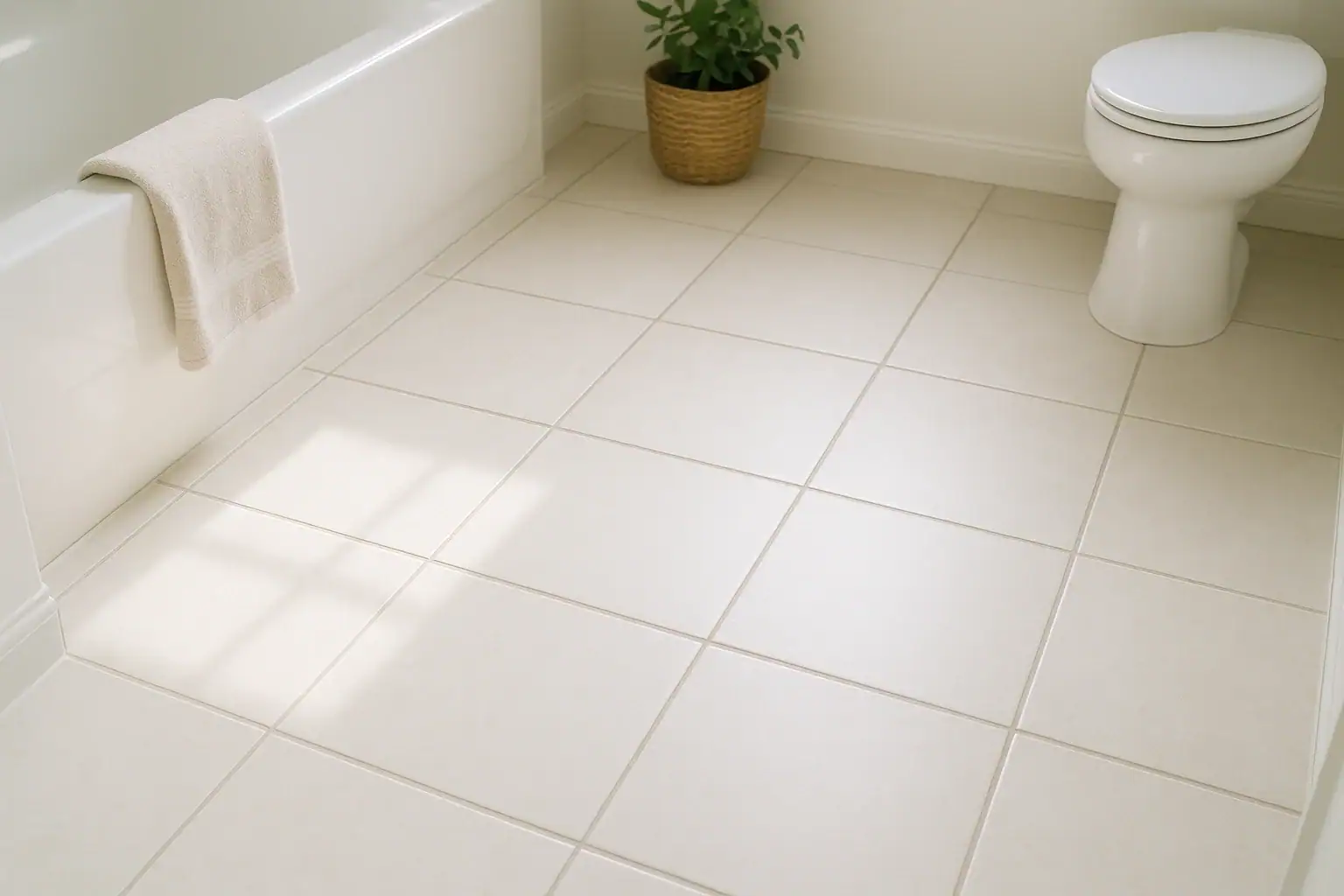
Grout can make a tiled surface look bright and fresh, or dingy and dated. The tricky part is that grout is more delicate than tile, so harsh scrubbing or the wrong cleaners can cause damage, discoloration, or even loosen tiles over time. The good news is that you can safely restore your grout with the right approach, a few simple supplies, and a little patience. This guide walks you through how to clean grout without damaging tile, from everyday maintenance to deeper cleaning for stubborn stains. You will learn what to use, what to avoid, and step-by-step methods for floors, showers, and kitchen backsplashes so your tile stays protected and your grout looks clean.
Understand Your Grout and Tile Before You Clean
Before you start scrubbing, it helps to know what you are working with. Different grout and tile types react differently to cleaners and tools.
Types of Grout
- Sand-based grout: Common between floor tiles and wider joints. Slightly rough texture. Can be scratched by very abrasive tools.
- Non-sanded grout: Smoother, often used on walls, showers, and narrow joints. More prone to surface damage if scrubbed too hard.
- Epoxy grout: More stain-resistant and less porous. Usually easier to clean but still needs gentle methods.
Types of Tile
- Porcelain or ceramic tile: Durable and less likely to be damaged by mild cleaners. Still avoid harsh abrasives and metal tools.
- Natural stone tile: Includes marble, travertine, slate, and granite. These are more sensitive. Avoid acidic cleaners like vinegar or lemon juice on natural stone.
- Glazed vs. unglazed tile: Glazed tile has a protective coating; unglazed tile is more porous and can stain or etch more easily.
Tip: If you are not sure what type of tile you have, treat it as delicate and start with the mildest cleaning method first.
Supplies and Tools That Are Safe for Grout and Tile
You do not need harsh chemicals or heavy-duty machines to clean grout effectively. Gentle tools and basic supplies are usually enough.
Safe Cleaning Tools
- Soft or medium-bristle nylon brush (a dedicated grout brush or old toothbrush)
- Microfiber cloths or soft rags
- Soft sponge (non-scratch)
- Spray bottle for applying cleaning solution
- Bucket of clean warm water for rinsing
- Rubber gloves to protect your skin
- Knee pads or folded towel for floor work
Gentle Cleaning Solutions
Use mild, non-abrasive cleaners whenever possible. A few options:
- Warm water and mild dish soap: Good for regular maintenance and light soil.
- Baking soda paste (for non-stone tile): Mix baking soda with a little water to form a paste for slightly stained grout.
- Hydrogen peroxide (for light-colored grout only): Can help with organic stains and mild discoloration when used carefully.
- pH-neutral tile or stone cleaner: Best choice for natural stone or sealed surfaces.
Cleaners and Tools to Avoid
To protect both grout and tile, avoid the following whenever possible:
- Metal brushes or steel wool
- Very stiff or wire-bristle brushes
- Scrapers, razor blades, or sharp tools on grout lines
- Highly acidic cleaners on natural stone (including vinegar and lemon juice)
- Undiluted bleach on colored grout (can cause fading or uneven light spots)
- Colored scrub pads that may transfer dye
Step-by-Step: How to Clean Lightly Soiled Grout Safely
For routine cleaning and slightly dingy grout, start with the gentlest method. This protects both your grout and your tile finish.
Step 1: Vacuum or Sweep First
Remove loose dust and debris so you are not grinding dirt into the grout lines while you scrub.
- Vacuum with a hard-floor setting or sweep thoroughly.
- Pay attention to corners and along baseboards where dust collects.
Step 2: Mix a Mild Cleaning Solution
In a bucket or spray bottle, mix:
- Warm water
- A small amount of mild dish soap (just a few drops per quart of water)
Stir gently to avoid creating too many suds.
Step 3: Apply the Solution
- Lightly mist the grout lines with the soapy water, or dip a sponge into the solution and apply it.
- Avoid flooding the grout. Excess water can soak into porous grout and weaken it over time.
Step 4: Gently Scrub the Grout
- Use a soft or medium-bristle nylon brush.
- Scrub in small circular motions along each grout line.
- Work in sections so the solution does not dry on the surface.
Step 5: Rinse Thoroughly
- Wipe the area with a clean, damp microfiber cloth or sponge.
- Rinse the cloth frequently in clean water to remove loosened dirt and soap.
- For floors, you can finish with a light mopping using clean water.
Step 6: Dry the Surface
Use a dry microfiber cloth or towel to remove excess moisture from grout and tile.
- Drying helps prevent new dirt from sticking to damp grout.
- In showers, leave the area well-ventilated to speed drying.
How to Tackle Moderate Grout Stains Without Damage
If your grout still looks dingy after a mild cleaning, you can step up to slightly stronger methods that are still safe for most tile surfaces.
Using Baking Soda Paste (Not for Natural Stone)
This method works well on porcelain or ceramic tile with light to moderate grout stains.
-
Make the paste:
- Combine baking soda with a small amount of water until it forms a thick paste.
-
Apply to grout lines:
- Spread a thin layer of paste directly onto the grout using a small spatula, spoon, or gloved finger.
- Avoid smearing large amounts onto the tile surface.
-
Let it sit:
- Allow the paste to sit for about 5–10 minutes so it can loosen dirt.
- Do not let it dry completely into a hard crust.
-
Gently scrub:
- Use a nylon brush to scrub in circular motions along the grout lines.
-
Rinse well:
- Wipe away the paste with a damp cloth or sponge, then rinse with clean water.
- Make sure no gritty residue remains that could scratch the tile.
-
Dry the area:
- Use a dry towel or cloth to remove excess moisture.
Using Hydrogen Peroxide on Light-Colored Grout
Hydrogen peroxide can help with organic stains and light discoloration on light-colored grout. Avoid this method on dark or colored grout unless you test first in an inconspicuous spot.
-
Spot test:
- Apply a small amount of hydrogen peroxide to a hidden section of grout.
- Wait 24 hours to ensure there is no lightening or damage.
-
Apply carefully:
- Use a cotton swab or small brush to apply hydrogen peroxide directly to stained grout lines.
- Avoid soaking the grout or spreading it over a large area at once.
-
Let it sit briefly:
- Allow it to sit for 5–10 minutes.
-
Scrub gently:
- Use a nylon brush to loosen the stain.
-
Rinse and dry:
- Rinse thoroughly with clean water and dry the area with a towel.
Special Care: Cleaning Grout Around Natural Stone Tile
Natural stone tile requires extra caution. Acidic or abrasive cleaners can etch or dull the stone surface, and strong chemicals may damage the finish.
Safe Approach for Stone Surroundings
- Use only pH-neutral cleaners specifically labeled as safe for stone.
- Avoid vinegar, lemon juice, and other acidic solutions.
- Skip baking soda on polished stone, as it can act as a mild abrasive.
Gentle Cleaning Method
-
Dust and vacuum:
- Remove loose dirt using a soft brush attachment or gentle sweeping.
-
Apply a pH-neutral cleaner:
- Follow the product directions for dilution.
- Apply with a soft sponge or cloth, focusing on grout lines.
-
Light scrubbing:
- Use a soft nylon brush on the grout only, avoiding aggressive pressure.
-
Rinse thoroughly:
- Wipe with clean water several times to remove any residue.
-
Dry completely:
- Use a soft towel to dry both stone and grout, reducing the chance of water spots or mineral deposits.
How to Clean Shower and Bathroom Grout Safely
Showers and bathroom floors often have soap scum, hard water spots, and mildew. The key is regular maintenance and good ventilation, not harsh scrubbing.
Routine Shower Grout Cleaning
- Rinse shower walls and floors with warm water after use to remove soap residue.
- Use a squeegee to remove excess water from tile and grout.
- Once a week, clean grout with warm water and mild dish soap using a soft brush.
Addressing Mildew and Soap Scum
If you notice mildew or soap buildup:
-
Ventilate the area:
- Turn on the bathroom fan and open a window if possible.
-
Use a gentle cleaner:
- Apply a mild bathroom cleaner or a pH-neutral tile cleaner to the grout lines.
-
Scrub lightly:
- Use a nylon brush with light pressure to avoid wearing away the grout.
-
Rinse and dry:
- Rinse thoroughly with warm water and dry with a towel.
If mildew keeps returning, consider improving ventilation and using a squeegee daily to reduce moisture on grout lines.
Kitchen Grout: Grease and Food Stain Removal
Kitchen grout, especially around backsplashes and floors near cooking areas, can collect grease and food stains. These require slightly different attention than bathroom grout.
Safe Method for Greasy Grout
-
Wipe surface spills quickly:
- Use a damp cloth with a drop of mild dish soap to remove fresh splatters before they soak in.
-
Use a degreasing solution:
- Mix warm water with a small amount of mild dish soap designed to cut grease.
- Avoid overly strong degreasers that can strip grout sealers.
-
Apply and scrub gently:
- Apply the solution to grout lines with a soft brush or sponge.
- Scrub in small circles until the grease loosens.
-
Rinse and dry:
- Wipe with clean water and dry with a cloth to prevent streaks on tile.
For stubborn food stains on light-colored grout, a cautious use of hydrogen peroxide (after spot testing) can help, followed by a thorough rinse.
Protecting Grout: Sealing and Ongoing Maintenance
Once your grout is clean, protecting it will make future cleaning easier and reduce the risk of damage.
Why Grout Sealer Matters
- Helps repel water, stains, and dirt.
- Reduces the need for aggressive scrubbing.
- Extends the life of grout and helps prevent cracking.
When and How Often to Seal Grout
- Most cement-based grout should be sealed after installation and resealed every 1–2 years, depending on traffic and moisture.
- High-traffic floors, showers, and kitchen backsplashes may need more frequent attention.
- Epoxy grout is often more resistant and may not need sealing, but always follow the installer or manufacturer guidance.
Simple Maintenance Habits
- Wipe up spills quickly, especially colored liquids and grease.
- Use doormats near tiled entryways to reduce tracked-in dirt.
- Vacuum or sweep tile floors regularly to keep grit off grout lines.
- In showers, use a squeegee and run the fan to reduce moisture buildup.
- Schedule a light grout cleaning every week or two instead of waiting until it looks very dirty.
Common Mistakes That Can Damage Grout and Tile
Avoiding a few common mistakes will help you keep your tile and grout in good condition for years.
Over-Scrubbing or Using the Wrong Tools
- Scrubbing with too much force can wear away grout, making lines uneven and more porous.
- Metal brushes, steel wool, and sharp tools can scratch tile and chip grout.
Using Harsh or Incompatible Cleaners
- Acidic cleaners can etch natural stone and degrade grout.
- Strong bleach solutions can discolor colored grout and weaken the surface.
- Mixing cleaners (such as bleach and other chemicals) can create dangerous fumes.
Letting Water Sit on Grout
- Standing water in showers and on bathroom floors can soak into grout and lead to mold or mildew.
- Drying surfaces after cleaning or heavy use helps protect grout and tile.
When to Consider Professional Help
Sometimes grout problems go beyond what simple cleaning can fix. Knowing when to call a professional can save you time and prevent damage.
Signs You May Need Extra Help
- Grout is crumbling, missing, or cracked in multiple areas.
- Deep stains remain even after several gentle cleaning attempts.
- Tiles feel loose or hollow when tapped.
- You suspect mold behind tiles or in grout lines that does not improve with surface cleaning.
In these cases, a professional can assess whether you need grout repair, regrouting, or deeper treatment to protect the underlying surfaces.
Mildew, soap scum, and stubborn stains
Start with the gentlest method appropriate for both the grout and the surrounding tile. Remove surface soap film first, allow the area to rinse and dry, and then reassess the remaining discoloration. A stain that looks like dirt may actually be worn grout, failed sealer, mineral deposits, or moisture behind the surface; repeated aggressive scrubbing will not correct those causes.
Never mix chlorine bleach with vinegar, ammonia, acids, or other cleaners. Provide ventilation, protect skin and eyes as directed on the label, and test any product in an inconspicuous spot. Natural stone, colored grout, epoxy grout, and recently sealed surfaces can require different products, so follow the tile, grout, and sealer manufacturers’ instructions.
Choose a cleaning frequency that prevents damage
Wipe spills and shower residue before they harden, use a gentle routine cleaner as needed, and reserve deeper cleaning for visible buildup. Grout that quickly darkens again may be staying wet because of poor ventilation, a plumbing leak, or deteriorated sealant. Fix the moisture source before repeating the same cleaning cycle.
Sealer is not appropriate for every grout product. If the manufacturer recommends sealing, apply it only after the grout is fully clean and dry and use the stated cure time before exposing the area to water.
Key Takeaways: Clean Grout Without Risking Your Tile
Keeping grout clean does not require harsh chemicals or aggressive scrubbing. The safest and most effective approach is to:
- Identify your tile and grout type and choose compatible cleaners.
- Start with the mildest method: warm water, mild soap, and a soft brush.
- Use baking soda or hydrogen peroxide cautiously on appropriate surfaces for tougher stains.
- Avoid metal tools, overly acidic products, and strong bleach on colored grout.
- Seal grout regularly and practice simple daily and weekly maintenance.
With these habits, you can keep your grout bright and your tile surfaces protected, extending the life and appearance of the floors and walls throughout your home.
 How to Clean Blinds Without Removing Them: A Simple Step-by-Step Guide
 How to Remove Dust From Walls Before Painting: A Step-by-Step Guide
 How to Clean Air Vents and Registers Without Spreading Dust