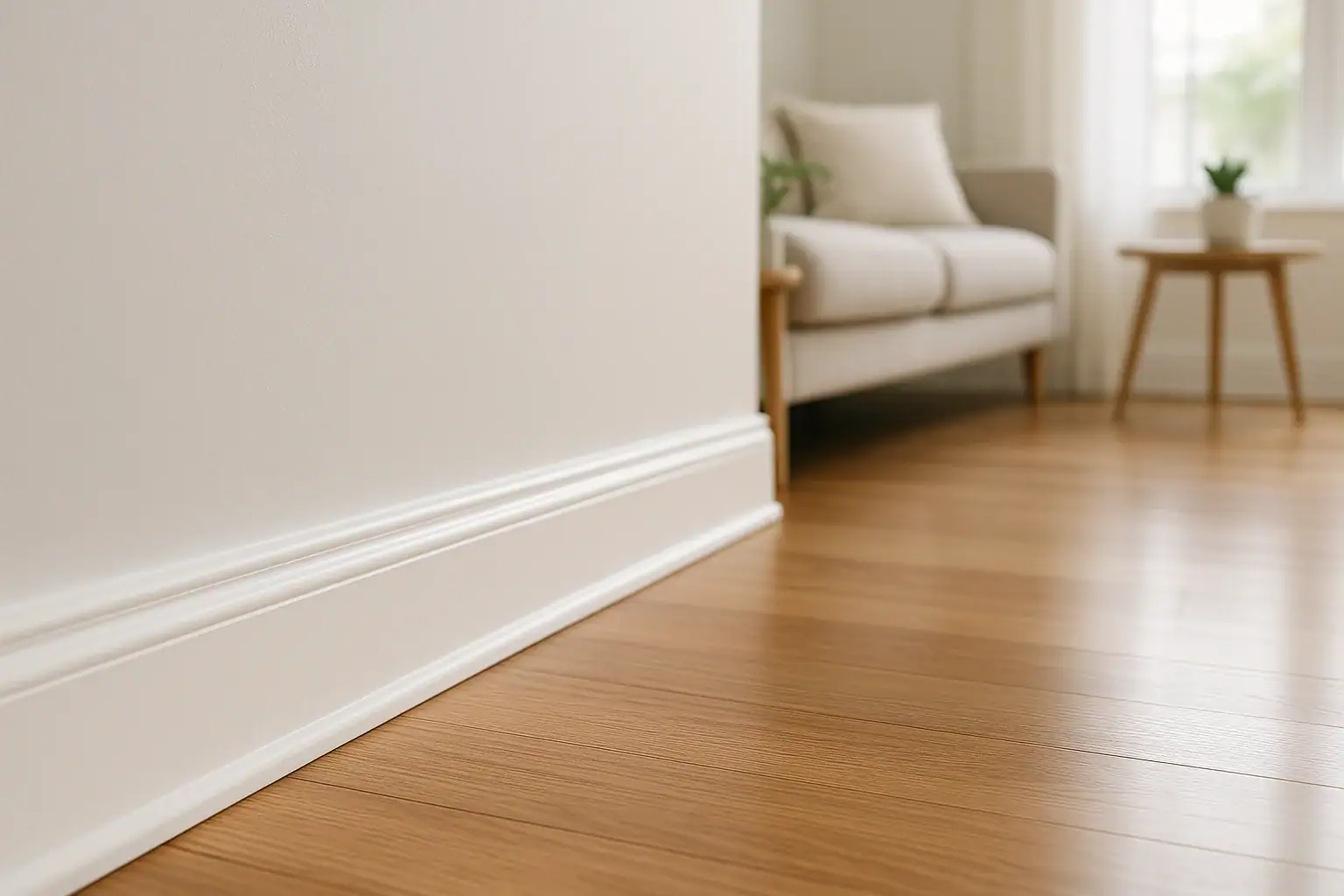
Baseboards are one of those spots that quietly collect dust and grime until suddenly you notice a gray line running around every room. The problem is that cleaning them can feel like a chore, especially if you end up sending dust floating through the air and settling right back down on your floors and furniture. The good news is that you can clean baseboards quickly and keep dust under control with a few smart techniques, the right tools, and a simple routine.
This guide walks you through low-dust methods step by step, from fast dry-dusting to deeper cleaning for really grimy trim. You will learn how to avoid kicking dust into the air, what to do before you start, and how to maintain baseboards so they stay clean longer. Whether you live in a busy household, share your home with pets, or just want a quicker way to handle this task, these tips are designed to save time and keep your home feeling fresh.
Why Baseboards Get So Dusty (and How to Work With That)
Baseboards sit right where dust, hair, and dirt naturally settle. Every time you walk, vacuum, or open a door, tiny particles move around and land on that flat ledge. Over time, they mix with moisture and oils from the air, forming a light film that grabs even more dust.
Understanding this helps you clean smarter. Instead of brushing dust into the air, the goal is to trap it as you go. That means:
- Using slightly damp tools instead of dry, stiff brushes
- Working from top to bottom so dust falls to an area you can clean last
- Vacuuming or sweeping at the end so you remove dust instead of spreading it
With the right approach, you can cut down on airborne dust and make the job faster and easier.
Prep Steps to Keep Dust Contained
A few minutes of preparation can make a big difference in how much dust you stir up. Before you start wiping, set up your space so dust has fewer chances to spread.
1. Turn Off Strong Airflow
If possible, turn off fans or strong air conditioning vents in the room while you work. Moving air lifts dust and carries it around the room. Calmer air helps dust stay where you can trap it with your cloth or vacuum.
2. Clear the Area Around Baseboards
Move lightweight items a few inches away from the walls so you can reach the trim easily:
- Slide small furniture slightly forward
- Pull rugs back a bit from the wall
- Lift cords and small baskets off the floor
You do not need to empty the whole room. Just create enough space to run a tool along the baseboards without bumping into things.
3. Gather Low-Dust Cleaning Tools
Choose tools that trap dust instead of pushing it into the air. Helpful options include:
- A vacuum with a soft brush or crevice attachment
- Microfiber cloths (they grab dust instead of smearing it)
- A small bucket or bowl of warm water with a few drops of mild dish soap
- A long-handled duster or microfiber mop for hard-to-reach areas
- Cotton swabs or an old soft toothbrush for corners and grooves
- A clean, dry towel for a final wipe
Having everything nearby keeps you from walking around the room and stirring up more dust while you search for supplies.
Quick Low-Dust Method for Lightly Dirty Baseboards
If your baseboards are dusty but not sticky or stained, you can clean them quickly without much effort. This method is ideal for regular upkeep and takes only a few minutes per room.
Step 1: Vacuum the Edges
Start by vacuuming along the top edge and front of the baseboards. Use a soft brush or crevice tool and keep it close to the surface so it pulls dust in instead of blowing it around.
Work in short sections, moving slowly. Focus on:
- The top ledge where dust collects
- The seam where the baseboard meets the floor
- Corners and behind door frames
Step 2: Wipe with a Slightly Damp Microfiber Cloth
Lightly dampen a microfiber cloth with water. It should be just barely moist, not dripping. A slightly damp cloth traps dust instead of pushing it into the air.
Wipe the baseboards from one end of the wall to the other, keeping your strokes gentle and steady. Rinse and wring out the cloth as it gets dirty so you are not smearing dust around.
Step 3: Dry to Prevent Streaks and Drips
Follow up with a dry cloth or towel, especially on painted or wood trim. Drying prevents water spots and helps pick up any remaining dust. This also reduces the chance of moisture seeping into gaps or seams.
Deeper Cleaning for Greasy or Grimy Baseboards
In high-traffic areas like kitchens, entryways, and hallways, baseboards can collect more than dust. You may see scuff marks, splatters, or a dull film that does not come off with dry dusting alone. For these areas, use a gentle, low-splash washing method.
Step 1: Mix a Mild Cleaning Solution
Fill a small bucket or bowl with warm water and add a small amount of mild dish soap. You only need a little; too much soap can leave a residue that attracts more dust later.
Optional: Place the bucket on a towel to catch any drips and keep your floors dry.
Step 2: Wipe with a Well-Wrung Cloth
Dip a microfiber cloth into the soapy water, then wring it out thoroughly. The cloth should be damp, not wet. Excess water can run down the wall and spread dirt or damage certain finishes.
Working in sections, wipe:
- The top edge of the baseboard
- The front face, paying attention to scuffs and marks
- Any grooves or decorative details
For stubborn spots, gently rub with a soft toothbrush or a corner of the cloth. Avoid harsh scrubbing that could scratch paint or finish.
Step 3: Rinse and Dry
After you have washed a section, rinse your cloth in clean water, wring it out well, and wipe the area again to remove soap residue. Then use a dry towel to remove any remaining moisture.
Step 4: Detail the Corners and Edges
Use cotton swabs or a soft toothbrush dipped in the cleaning solution to reach tight corners, grooves, and the line where the baseboard meets the floor. Wipe away loosened dirt immediately with a damp cloth, then dry.
Fast Low-Dust Cleaning for Hard-to-Reach Baseboards
If bending or kneeling is uncomfortable, you can still clean baseboards effectively without spreading dust. Use tools with handles to keep the process quick and gentle.
Option 1: Microfiber Mop or Duster
Attach a microfiber cloth or pad to a flat mop or long-handled duster. Lightly mist the cloth with water so it is just damp. Run the tool along the baseboards, keeping it flat and steady.
This method works well for:
- Hallways and large rooms
- Behind furniture where you cannot easily reach
- Regular maintenance cleanings
Option 2: Vacuum with Extension Wand
Use a vacuum with an extension wand and soft attachment to reach baseboards without bending. Move slowly along the wall and let the vacuum do the work of pulling dust in.
Once the dust is removed, you can follow with a long-handled microfiber tool for a quick damp wipe if needed.
How to Clean Baseboards Without Dust Floating Everywhere
The key to keeping dust from spreading is to trap it as close to the surface as possible. These small adjustments can make a big difference in how clean the air feels while you work.
Use Damp, Not Dry, Tools
Dry cloths and stiff brushes tend to flick dust into the air. A slightly damp microfiber cloth or pad grabs dust and holds it. If you notice dust floating, your cloth is probably too dry or you are moving too quickly.
Work in One Direction
Instead of scrubbing back and forth, wipe in one steady direction along the wall. This keeps dust moving toward your cloth instead of being scattered in both directions.
Clean Top to Bottom
Always start at the top edge of the baseboard and work down. Any dust that does fall will land on the floor, where you can vacuum or sweep it up at the end.
Finish with a Floor Clean-Up
Once all the baseboards in a room are done, vacuum or sweep the floor along the walls. This final step removes any dust that may have dropped and keeps it from being tracked through the house.
Special Tips for Different Baseboard Materials
Most baseboards can be cleaned with the same basic method, but a few small adjustments help protect different finishes.
Painted Baseboards
- Use mild soap and water only; avoid harsh cleaners that can dull the paint.
- Do not let water sit on the surface. Dry promptly after wiping.
- For scuff marks, start with a damp cloth before trying anything more abrasive.
Wood or Stained Baseboards
- Use as little water as possible to avoid swelling or damage.
- Wipe with the grain of the wood to prevent visible streaks.
- Dry thoroughly and quickly after cleaning.
Vinyl or Composite Baseboards
- These are usually more forgiving but can still scratch.
- Use soft cloths and avoid abrasive pads.
- Mild soap and water are usually enough for most buildup.
Time-Saving Routine to Keep Baseboards Cleaner Longer
Once you have done a deeper clean, you can keep baseboards looking good with quick touch-ups that take just a few minutes. A simple routine prevents heavy buildup and makes each cleaning session easier.
Weekly or Biweekly Touch-Up
Choose one day a week or every other week to do a fast dusting:
- Run a vacuum along the baseboards while you vacuum the floors.
- Or, swipe them with a slightly damp microfiber cloth or mop head.
Focusing on the most visible areas, like hallways and living spaces, keeps the whole home looking fresher.
Monthly or Seasonal Deep Clean
Every month or at least once each season, do a more detailed cleaning in high-traffic rooms:
- Wash baseboards with mild soapy water.
- Detail corners and edges where dust hides.
- Check for any chips or damage that might need touch-up paint or repair.
Reduce Future Dust Buildup
A few small habits help keep dust from piling up on baseboards:
- Vacuum or sweep floors regularly so dust has less to cling to.
- Use entry mats at doors to catch dirt before it spreads.
- Dust furniture and shelves from top to bottom, then finish with floors and baseboards.
Room-by-Room Baseboard Cleaning Priorities
Some rooms will always collect more dust and marks than others. Focusing on these first gives you the biggest impact for your effort.
Entryways and Hallways
These areas see the most traffic, shoes, and bags brushing against the walls. Plan to:
- Vacuum and wipe baseboards more often here.
- Watch for scuff marks from shoes and bags.
- Use a damp cloth quickly on new marks so they do not set in.
Living Rooms and Bedrooms
These spaces tend to collect dust and pet hair. To keep baseboards looking neat:
- Vacuum along the edges when you do regular floor cleaning.
- Use a long-handled microfiber tool behind furniture.
- Pay attention to areas near vents, where dust often gathers.
Kitchens and Dining Areas
Grease and food splatters can land on nearby baseboards, especially around cooking and eating areas.
- Use mild soapy water more often in these rooms.
- Wipe spills and splatters from walls and trim as soon as you notice them.
- Dry thoroughly to avoid sticky residue that traps dust.
Bathrooms
Moisture and hairspray can create a film on baseboards in bathrooms.
- Use a damp cloth with mild soap to cut through residue.
- Dry well to prevent moisture from sitting on wood or paint.
- Check corners near the tub or shower, where dust and lint collect.
When to Clean Baseboards in Your Overall Cleaning Schedule
Baseboards do not need daily attention, but including them in your regular schedule keeps the task small and manageable. Consider these options:
- Every week: Quick vacuum or damp dust in main living areas.
- Every month: More detailed wipe-down in high-traffic and cooking areas.
- Seasonally: Full home baseboard check, including behind larger furniture.
Pair baseboard cleaning with another task you already do, such as vacuuming or mopping, so it becomes a natural part of your routine instead of a big project you put off.
Simple Summary: A Low-Dust Baseboard Cleaning Plan
To clean baseboards quickly without spreading dust everywhere, focus on trapping dust instead of pushing it around. Use a vacuum first, then a slightly damp microfiber cloth or long-handled tool, and always work from top to bottom. Choose mild cleaners, avoid soaking the trim, and finish with a quick floor clean-up to remove any dust that fell.
With a short weekly touch-up and a deeper clean now and then, your baseboards can stay bright and fresh without turning into an all-day project. A few minutes at a time is enough to keep dust under control and help your whole home look more polished.
 How to Clean Lampshades and Fabric Light Fixtures: A Complete Guide
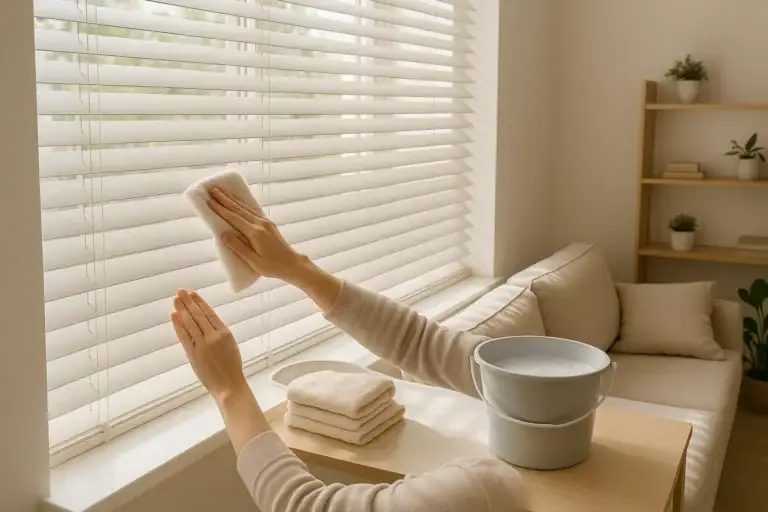 How to Clean Blinds Without Removing Them: A Simple Step-by-Step Guide
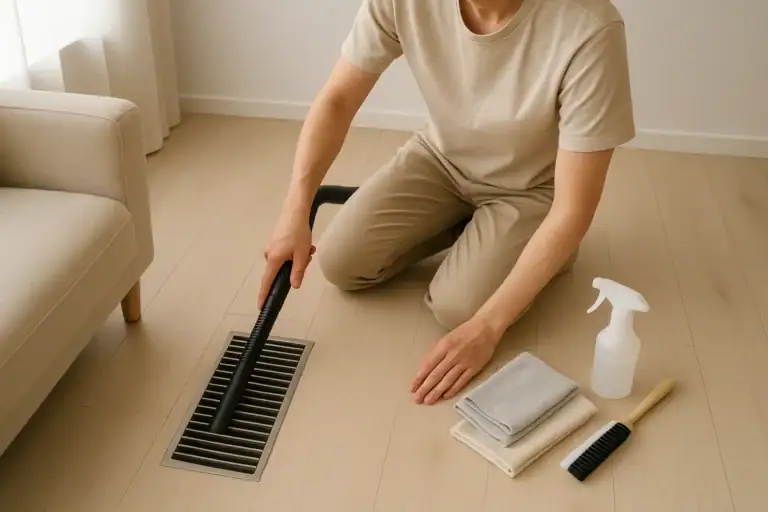 How to Clean Air Vents and Registers Without Spreading Dust