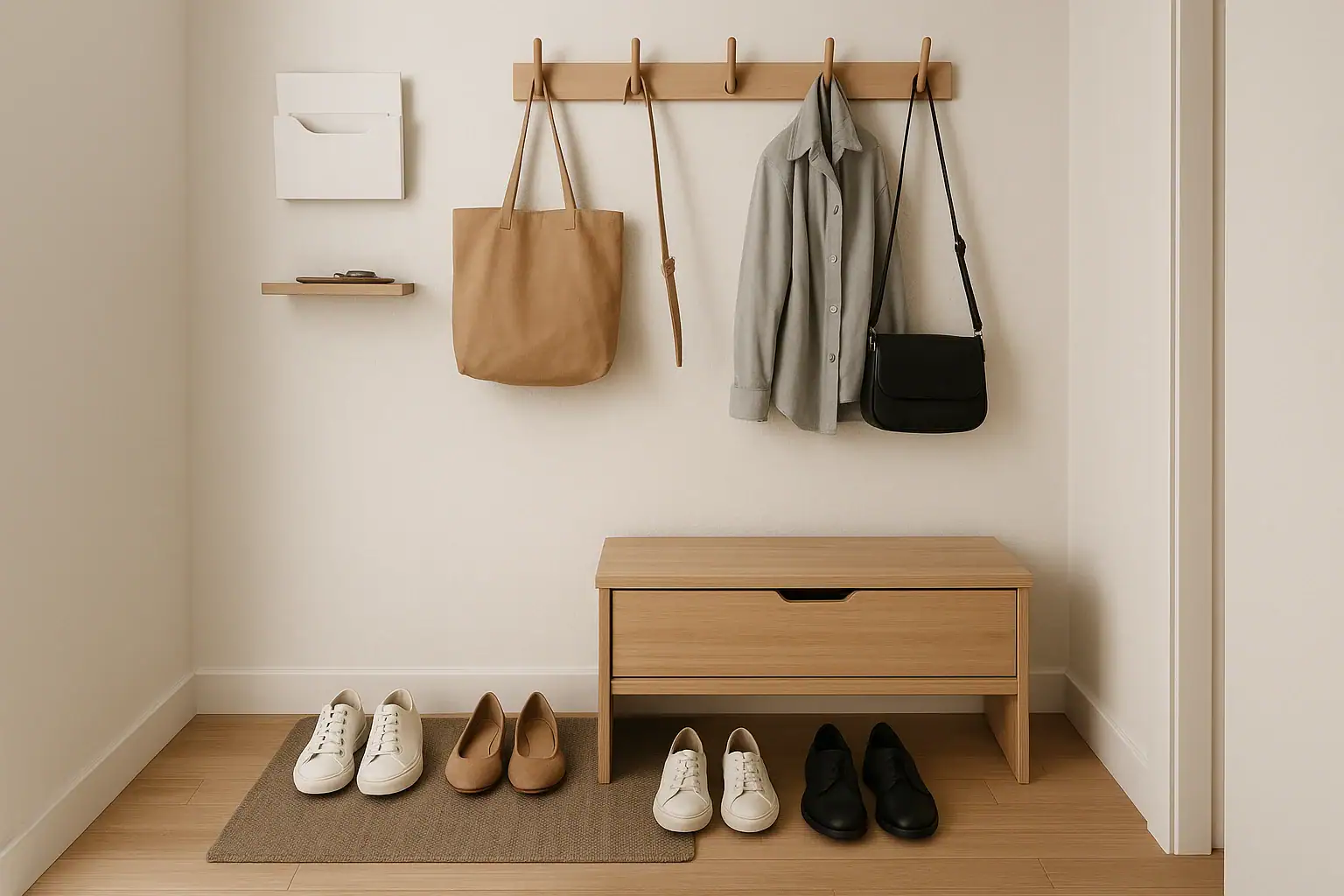
In a small home, the entryway works hard. It is where you drop shoes, toss bags, sort mail, and often squeeze in keys, coats, and pet gear. Without a plan, this tiny area can quickly become a cluttered pile that makes every arrival and departure stressful. The good news is that even the smallest entry can feel calm and functional when you divide it into clear zones and give every item a defined home. You do not need a large foyer or custom built-ins. With a few simple organizing strategies, you can turn a narrow hallway or tiny corner by the door into an efficient landing spot that supports your daily routine.
This guide walks you through creating three core zones in your entryway: a shoe zone, a bag zone, and a mail zone. You will learn how to measure your space, choose the right storage solutions, and build habits that keep clutter under control. Whether you live in an apartment, small house, or shared space, these ideas can help you design an entryway that works for you, not against you.
Step 1: Assess Your Small Entryway
Before buying storage or rearranging furniture, take a few minutes to study your space and your habits. A thoughtful plan will save you time and money and help you avoid clutter traps.
Measure and Note Obstacles
Use a tape measure and a notepad to capture the basics:
- Width of the entryway or hallway
- Distance from door swing to the nearest wall or furniture
- Available wall height for hooks or shelves
- Floor space that is safe to use without blocking the door
Also note any obstacles, such as radiators, vents, or windows that limit where you can place storage.
Observe Your Daily Patterns
Think about what actually happens when you walk in the door:
- Where do you naturally drop your bag and keys?
- Do shoes pile up near the door or wander into other rooms?
- Does mail land on the nearest flat surface and stay there?
- Do you need a spot for pet leashes, kids’ items, or work gear?
Your zones should support these real-life patterns, not fight them. If you always set your bag on a particular chair, that is a clue that you need a bag zone right there, not across the room.
Step 2: Define Your Three Core Zones
In a small home, keeping your entryway simple is key. Focus on three essential zones that handle most daily clutter: shoes, bags, and mail. Everything else can be layered in after these are established.
What Is a Zone?
A zone is a clearly defined area with a specific purpose. In the entryway, that might be a small mat for shoes, a wall section with hooks for bags, or a narrow shelf for mail. Zones work best when they are:
- Visible: You can see them as soon as you walk in.
- Easy to reach: No bending, digging, or opening multiple doors.
- Limited in size: A boundary that prevents clutter from spreading.
Once zones are set, it becomes much easier to tidy up quickly because every item has a clear home.
Step 3: Create a Shoe Zone That Fits Your Space
Shoes often cause the most visual clutter in a small entryway. A dedicated shoe zone keeps them contained and protects your floors from dirt.
Choose the Right Shoe Storage Style
Pick a solution that matches both your space and your household size.
- For very narrow entryways:
- Use a slim shoe cabinet or shallow shelf against the wall.
- Place a narrow mat or runner where shoes can line up neatly.
- Try vertical storage, such as a tall rack, if ceiling height allows.
- For small but square spaces:
- Use a low bench with shoe storage underneath.
- Place baskets or bins under the bench for quick drop-off.
- Designate one side of the bench for daily shoes only.
- For households with many shoes:
- Limit the entryway to a set number of pairs per person.
- Store off-season or rarely used shoes in a closet or under-bed container.
- Rotate shoes weekly to prevent overflow.
Set Clear Limits for Shoe Clutter
Even the best storage fails if there are simply too many shoes in the entryway. Set simple rules:
- Each person keeps only two or three pairs in the shoe zone.
- Dress shoes and special footwear live in a bedroom or main closet.
- Once a week, do a quick sweep to return stray shoes to their long-term home.
Consider adding a washable mat or tray for wet or muddy shoes to protect your floors and make cleanup easier.
Step 4: Design a Bag Zone for Everyday Grab-and-Go
Bags tend to land on chairs, tables, or the floor, where they create clutter and are easy to trip over. A bag zone keeps them upright, accessible, and ready for the next day.
Pick a Location That Matches Your Routine
Place your bag zone where you naturally pause when coming in or going out. Common spots include:
- On the wall next to the door
- Above or beside the shoe zone
- On the side of a nearby closet
- On a short section of hallway wall just beyond the door swing
The goal is to avoid crossing the room with a heavy bag just to put it away. The easier it is to hang or set down, the more likely you are to use the system.
Choose Storage for Different Types of Bags
Think about the bags you use most often and give each type a logical spot.
- Everyday work or school bags:
- Use sturdy wall hooks or pegs at shoulder height.
- Assign one hook per person to avoid overlap.
- Keep these hooks near the door for quick access.
- Reusable shopping bags:
- Hang them on a lower hook or peg.
- Store them in a small basket or bin near the door.
- Keep only a few in the entryway; store extras elsewhere.
- Seasonal or occasional bags:
- Move rarely used bags to a bedroom or hallway closet.
- Use the entryway only for items you grab several times a week.
Layer in Extras Without Overcrowding
If space allows, you can add small touches that support your daily routine:
- A narrow shelf above hooks for sunglasses, gloves, or hats
- A small tray or bowl for keys, transit cards, or access badges
- A hook near the floor for kids’ backpacks so they can reach them
Keep these extras minimal. In a small home, too many accessories can make the entryway feel cramped and chaotic.
Step 5: Set Up a Simple Mail Zone to Control Paper Piles
Mail and paper clutter can spread quickly from the entryway to every flat surface in your home. A dedicated mail zone helps you capture paper as soon as it enters the door and decide what happens next.
Choose a Compact Mail Station
Even in a small entryway, you can usually fit a slim mail organizer. Consider these options:
- Wall-mounted organizer: A shallow wall unit with a few slots for incoming mail, bills, and outgoing items.
- Small console or floating shelf: A narrow surface with a tray or upright sorter for envelopes.
- Clip or magnet board: A board where you can clip important papers or reminders.
Place your mail station where you naturally set mail down now, but limit the space so it cannot become a long-term storage area.
Create a Simple Mail Sorting System
A clear system keeps paper from lingering in the entryway. Try this three-step approach:
- Step 1: Sort immediately. As soon as you come in, stand by the mail zone and quickly divide items into categories such as recycling, shredding, and action items.
- Step 2: Toss or recycle on the spot. Keep a small bin or bag nearby for junk mail and envelopes you can discard right away.
- Step 3: Move action items to a home office or command center. Designate a folder or tray elsewhere in your home for bills and forms that need attention.
The goal is to prevent the entryway from becoming a long-term filing cabinet. It should be a brief stopping point, not a storage zone for paper.
Step 6: Combine Zones in Tight Spaces
In many small homes, the entryway is little more than a doorway and a few feet of wall. In that case, combining zones is essential. You can still have separate functions without separate pieces of furniture.
Stack Zones Vertically
Use your wall height to layer storage:
- Floor level: Shoe mat, tray, or low rack
- Mid-level: Hooks for bags and jackets
- Upper level: Narrow shelf or wall organizer for mail and keys
This vertical approach keeps the floor clear while still giving each category a defined spot.
Use Multi-Function Pieces
Look for furniture that can serve more than one purpose:
- A bench with shoe storage underneath and hooks above for bags
- A narrow console table with a mail sorter on top and baskets below for shoes or accessories
- A tall unit with closed compartments for shoes and open hooks for bags
In a very small space, one well-chosen piece can replace several separate items and reduce visual clutter.
Step 7: Add Finishing Touches That Support Organization
Once your shoe, bag, and mail zones are in place, a few thoughtful details can make your entryway more welcoming and easier to maintain.
Use Lighting to Highlight Zones
Good lighting makes it easier to find what you need and encourages you to keep the space tidy. If your entryway feels dark, consider:
- A brighter bulb in the existing fixture
- A small wall-mounted light above the mail zone
- A plug-in lamp on a narrow table, if space allows
Choose Easy-Care Materials
Since the entryway is a high-traffic area, pick materials that are simple to clean:
- Washable rugs or mats that can handle dirt and moisture
- Wipeable surfaces for shelves and benches
- Durable baskets or bins that can withstand daily use
The easier it is to wipe down and reset your zones, the more likely you are to keep them in good shape.
Limit Decorative Items
A small entryway can quickly feel crowded. Choose just a few decorative touches that also serve a purpose, such as:
- A mirror above the mail zone to make the space feel larger and provide a quick check before leaving
- A small piece of wall art that does not take up functional space
- A single plant on a shelf, as long as it does not interfere with storage
Let the organized zones be the main visual feature instead of adding many decorative objects.
Step 8: Build Simple Habits to Maintain Your Entryway
Even the best layout will not stay organized without a few consistent habits. Fortunately, small routines can have a big impact, especially in a compact space.
Daily Reset in Five Minutes or Less
At the end of each day, do a quick reset:
- Return stray shoes to the shoe zone or to closets
- Hang bags on their hooks and remove any trash or extra items inside
- Sort any mail that has collected and move action items to their next destination
- Shake out or sweep the entry rug if needed
Set a timer for five minutes to keep this task manageable. Consistency matters more than perfection.
Weekly Declutter Check
Once a week, take a slightly closer look at your zones:
- Remove out-of-season shoes and outerwear from the entryway
- Empty baskets or bins that have become catch-alls
- Wipe down surfaces and check for items that belong in other rooms
If a particular spot keeps collecting random items, consider adding a small labeled container there and emptying it into the correct rooms during your weekly reset.
Adapting Entryway Zones for Different Households
Every household has different needs. Adjust your shoe, bag, and mail zones to match your lifestyle and the people who use the space.
For Families with Children
Make zones easy for kids to use independently:
- Place lower hooks for small backpacks and jackets
- Use open bins for shoes instead of precise racks
- Label hooks and bins with names or simple pictures
- Keep the mail zone out of reach if you want to limit access
For Pet Owners
Pets bring their own gear to the entryway. Add a mini pet zone:
- Hook or small basket for leashes, harnesses, and waste bags
- Mat for wiping paws near the shoe zone
- Container for towels or wipes if your pet often comes in muddy
For Shared or Roommate Homes
Clear boundaries help keep shared entryways peaceful:
- Assign each person a specific hook and shoe spot
- Agree on a maximum number of shoes and bags per person in the entry
- Set a shared rule for handling unclaimed mail or packages
When to Rethink Your Entryway Layout
Your needs may change over time. Revisit your entryway zones when you notice:
- Shoes spilling into walkways even after regular tidying
- Bags ending up on chairs or the floor instead of hooks
- Mail piling up for weeks in the same spot
- New items, such as sports gear or work equipment, with no clear home
These are signs that your current system is not matching your routine. Adjust the placement of zones, add or remove storage pieces, or change your limits on what can live in the entryway.
Bringing It All Together
A small entryway does not have to feel cramped or chaotic. By defining a shoe zone, a bag zone, and a mail zone, you create simple guardrails that keep clutter from spreading into the rest of your home. Start by observing how you actually use the space, then choose storage solutions that fit your entryway’s size and shape. Layer zones vertically when floor space is limited, and keep decorative items minimal so the area stays open and functional.
Most importantly, pair your new layout with small daily and weekly habits. A quick reset at the end of the day and a short declutter session each week can keep your entryway welcoming and organized with very little effort. Over time, these routines will become second nature, and your entryway will support smoother mornings, calmer evenings, and a more orderly home overall.
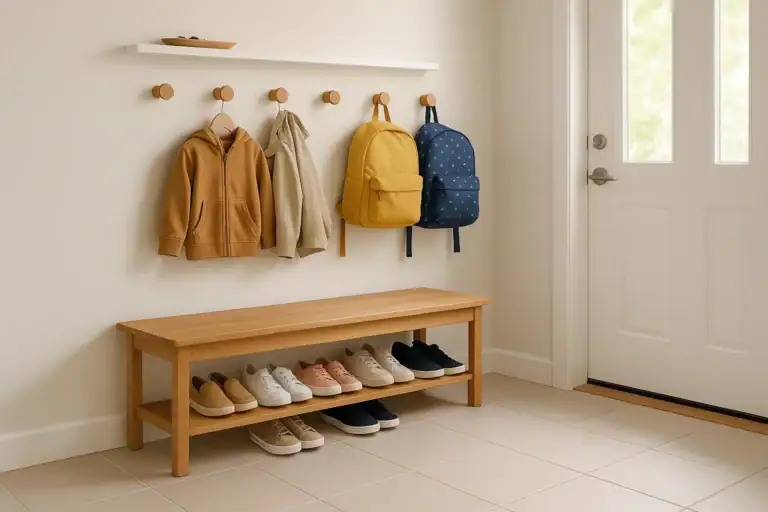 Entryway Shoe Drop Zone Organization for Busy Families
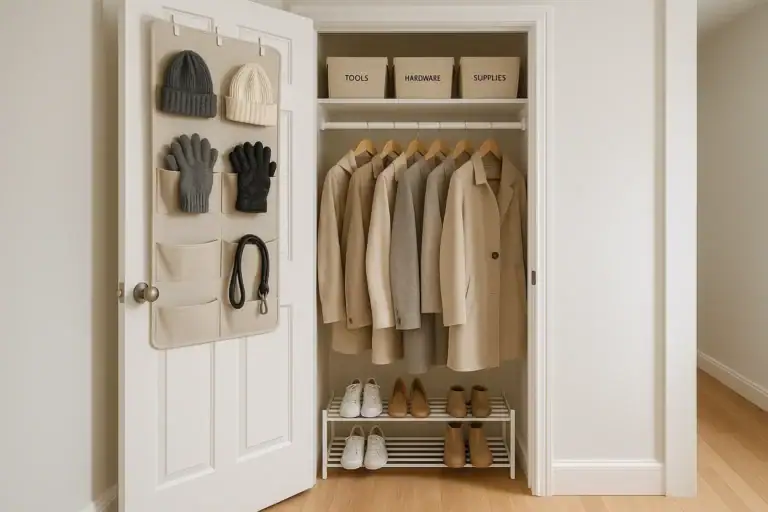 How to Organize a Hall Closet for Coats, Tools, and Everyday Items
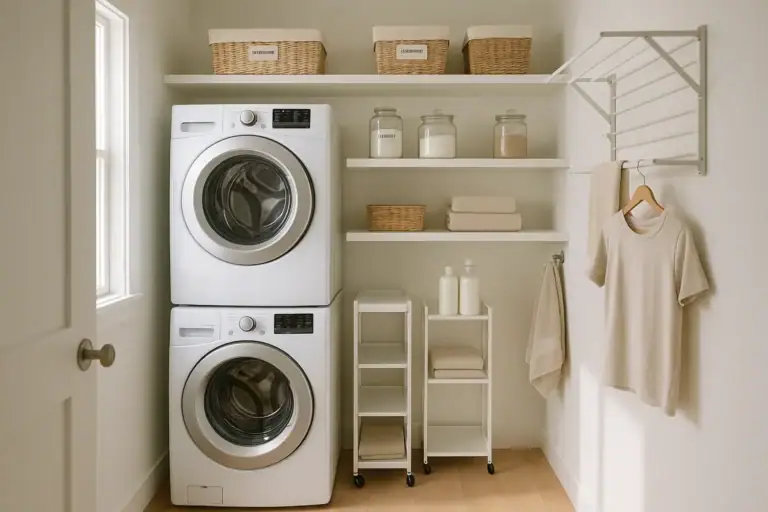 How to Organize a Laundry Room for Small Spaces