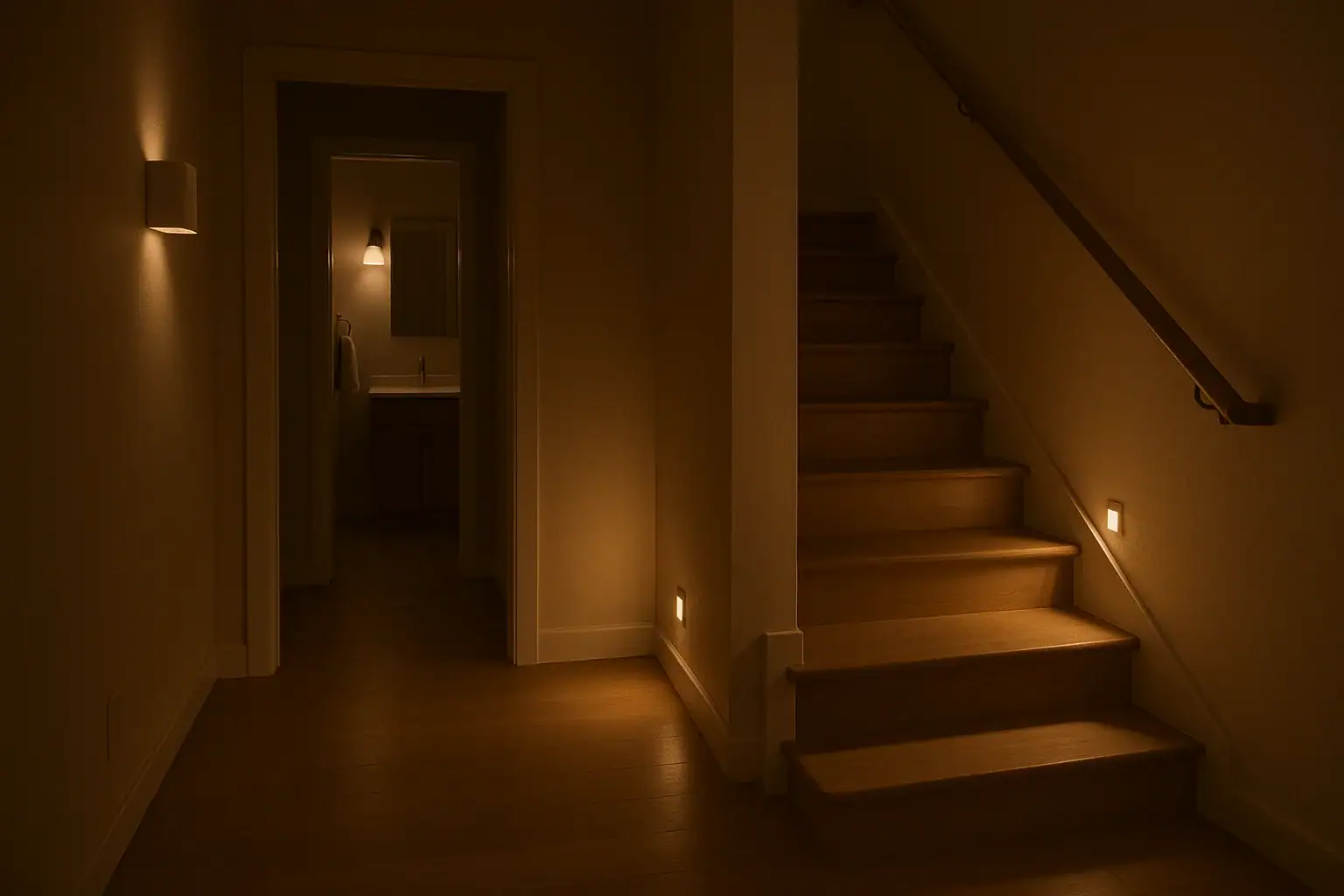
Moving around the house in the middle of the night is when slips, trips, and falls are most likely to happen. Your eyes are still adjusting, everyone is tired, and clutter or dark corners can quickly turn into hazards. Thoughtful night safety lighting for stairs, bathrooms, and hallways gives you just enough light to see clearly without waking the whole household or ruining your sleep. This guide walks you through how to plan, choose, and place night lights so your home is safer, more comfortable, and energy efficient.
Why Night Safety Lighting Matters
Night lighting is about much more than convenience. It is a simple, low-cost way to reduce the risk of injuries and make your home more accessible for everyone, from young children to older adults.
Key benefits of proper night lighting
- Fall prevention: Illuminates steps, thresholds, and uneven flooring that are hard to see in the dark.
- Guided paths: Creates a clear route from bedroom to bathroom, kitchen, or nursery.
- Better sleep: Soft, warm light is less likely to fully wake you than bright overhead lights.
- Child comfort: Reduces fear of the dark and makes nighttime bathroom trips easier.
- Visitor safety: Helps guests navigate unfamiliar spaces at night.
- Energy savings: Low-wattage or motion-activated lights use far less energy than standard fixtures left on all night.
General Principles for Safe Night Lighting
Before choosing specific lights for stairs, bathrooms, and hallways, it helps to understand a few basic lighting principles that apply throughout the home.
1. Aim for low-level, indirect light
Night lighting should provide just enough illumination to see obstacles and edges without being as bright as daytime lighting. Indirect light that bounces off walls or floors is easier on your eyes than harsh, direct beams.
2. Choose warm color temperatures
Cool, blue-leaning light can interfere with melatonin and make it harder to fall back asleep. For night use, look for warm white light in the range of about 2200K to 3000K. This creates a softer, more relaxing glow.
3. Keep brightness consistent along the path
When you move from a very dark space into a bright one, your eyes have to work harder to adjust. Aim for a smooth transition in brightness from bedroom to hallway to bathroom so your vision stays comfortable and stable.
4. Minimize glare and hot spots
Glare can be just as dangerous as darkness because it makes it hard to see edges and depth. Choose fixtures with diffusers, frosted covers, or downward-facing designs that keep the light out of your direct line of sight.
5. Use automatic controls where possible
Motion sensors, dusk-to-dawn sensors, and timers make night lighting more convenient and energy efficient. They ensure the light is there when you need it and off when you do not.
Planning Night Safety Lighting for Your Home
Every home is different, but a simple walkthrough can help you identify where night lighting is most needed and how it should function.
Walk your nighttime routes
Think about the paths you and your family actually use at night. Common routes include:
- Bedroom to bathroom
- Bedroom to nursery or children’s room
- Bedroom to kitchen or living room
- Top of the stairs to main level or basement
Walk these routes in low light and note where you hesitate, squint, or reach for a wall. These are priority spots for night lighting.
Identify high-risk areas
Pay special attention to:
- Staircases and landings
- Bathroom entrances and inside bathrooms
- Hallway turns and intersections
- Changes in flooring height or texture
- Entryways with rugs or mats that could shift
Decide how lights should be controlled
For each area, decide whether you want lights to:
- Stay on all night at a low level
- Turn on with motion and stay on briefly
- Be controlled by a wall switch with a dimmer
- Operate only when it is dark, using a light sensor
Night Safety Lighting for Stairs
Stairs are one of the most important places to get lighting right. Missed steps and misjudged heights can cause serious injuries, especially at night when depth perception is reduced.
Best practices for lighting stairs at night
- Light from the side or from low level: Wall-mounted step lights or lights integrated near the base of the wall can gently wash the steps with light.
- Highlight each tread edge: Even a subtle glow along the front edge of each step makes it much easier to judge depth.
- Avoid strong overhead glare: Bright ceiling fixtures can cast shadows that hide the edges of steps.
- Use continuous lighting: Ensure there are no dark gaps between the top, middle, and bottom of the staircase.
- Include landings and transitions: Light the area where you step onto or off the stairs, not just the steps themselves.
Types of stair night lighting
Depending on your home and budget, you can combine several approaches:
- Plug-in night lights near stairs: Simple and affordable. Place them at both the top and bottom of the staircase.
- Low-level wall lights: Installed a few inches above each step or every few steps to create a gentle wash of light.
- Handrail or step-edge lighting: Thin, low-output strips along the underside of the handrail or along the step edges provide clear guidance.
- Motion-activated fixtures: Turn on automatically when someone approaches the stairs, then fade off after a set time.
Safety tips for stair lighting
- Keep the color temperature warm and the brightness moderate to avoid harsh contrasts.
- Make sure switches at the top and bottom of the stairs are easy to reach if you use switched fixtures.
- Check periodically that bulbs or modules are working and that no fixtures are loose.
- Combine lighting with secure handrails and non-slip stair treads for full protection.
Night Safety Lighting for Bathrooms
Bathrooms present unique risks at night due to hard surfaces, water, and smaller spaces. At the same time, you want to avoid bright light that fully wakes you up. The goal is a safe, low-glare glow that lets you see clearly without turning on main lights.
Key bathroom lighting goals at night
- Safe entry and exit: You should clearly see the doorway, threshold, and any rugs or mats.
- Clear path to fixtures: Toilet, sink, and shower or tub edges should be visible.
- Minimal disturbance: The lighting should not be bright enough to wake others or fully disrupt your own sleep.
Options for bathroom night lighting
- Outlet night lights: Plug-in units near the sink or toilet provide a soft glow and are easy to install.
- Under-vanity or toe-kick lighting: Low-level strips under the vanity or cabinets create a floating glow that lights the floor without shining in your eyes.
- Guided path from hallway: A continuous line of low-level lights from bedroom to bathroom reduces the need for bright switches.
- Motion-activated toilet or floor lights: Turn on only when someone enters, then dim back down automatically.
Bathroom safety considerations
Because bathrooms involve water, safety standards are especially important.
- Choose fixtures rated for damp or wet areas where appropriate.
- Keep cords and plug-in units away from splashing water.
- Use non-slip rugs with secure backing and make sure they are clearly visible under night lighting.
- Consider a dimmer on the main bathroom light so you can keep it low at night if needed.
Night Safety Lighting for Hallways
Hallways connect bedrooms, bathrooms, and living areas. They are often narrow and can have sharp turns, making them easy places to bump into walls or trip over clutter in the dark.
Designing a safe hallway lighting plan
- Create a continuous light path: Place small lights along the length of the hallway so there are no dark stretches.
- Light turns and intersections: Corners and doorways should be gently illuminated so you can see where you are going.
- Keep fixtures low or shielded: Wall lights at knee to waist height or with downward-facing designs reduce glare.
- Use sensors for shared spaces: Motion-activated lights work well in hallways used by multiple family members.
Types of hallway night lights
- Plug-in night lights: Place them in outlets every few feet or near bedroom doors.
- Recessed wall lights: Small, flush fixtures that cast light down onto the floor.
- Baseboard or floor-level strips: Provide a gentle line of light along one or both sides of the hallway.
- Smart-controlled lights: Can be scheduled to dim at night and brighten in the morning.
Clutter and contrast
Lighting is only part of hallway safety. To make the most of your night lights:
- Keep hallways clear of shoes, bags, and toys.
- Use contrasting colors between walls, floors, and baseboards so edges are easier to see.
- Ensure doors do not open into completely dark spaces; a small night light inside each room helps.
Choosing the Right Night Lights and Controls
There are many ways to add night lighting without major renovations. The right choice depends on your budget, whether you own or rent, and how permanent you want the solution to be.
Common types of night lights
- Plug-in night lights: Easy to install and move. Many include light sensors so they turn on automatically at dusk.
- Battery-powered stick-on lights: Good for renters or areas without nearby outlets. Some include motion sensors.
- Hardwired low-level fixtures: More permanent and seamless, often installed by an electrician in stairs or hallways.
- Smart bulbs or fixtures: Controlled by apps, schedules, or voice assistants, allowing you to set nighttime scenes.
Useful control features
- Motion sensors: Turn lights on when movement is detected and off after a short delay.
- Light sensors: Keep night lights off during the day and on only when the room is dark.
- Timers: Allow you to set lights to operate during typical sleeping hours.
- Dimmers: Let you fine-tune brightness levels for comfort and safety.
Energy and maintenance considerations
- Choose efficient light sources that can run for long periods at low cost.
- Check batteries in portable lights regularly, especially in key safety locations like stairs.
- Clean lenses and covers occasionally so dust does not dim the light.
Special Considerations for Children and Older Adults
Certain family members may need extra support from your night lighting plan. Small adjustments can make a big difference in confidence and safety.
Night lighting for children
- Place a soft night light in the child’s room to reduce fear of the dark.
- Create a clear, lit path from their bed to the bathroom.
- Avoid overly bright lights that might make it hard for them to fall back asleep.
- Secure cords and fixtures out of reach of very young children.
Night lighting for older adults
- Use continuous low-level lighting rather than relying only on motion sensors, which may startle or lag.
- Ensure stairs, thresholds, and bathroom entries have especially clear lighting.
- Consider lights that turn on gradually to reduce sudden glare.
- Place switches and controls at accessible heights and locations.
Putting It All Together: A Sample Night Lighting Plan
To visualize how these ideas work in a real home, imagine a simple one-story layout with bedrooms at one end, a hallway in the middle, and living areas at the other end.
- Bedrooms: Each bedroom has a small night light near the door and a switch-controlled light with a dimmer.
- Hallway: Low-level wall lights or plug-in night lights every few feet create a continuous path of light.
- Bathroom: A plug-in night light near the sink and under-vanity lighting provide soft floor illumination.
- Stairs (if present): Step lights along the wall highlight each tread and landing, controlled by a motion sensor.
- Entryway: A low-level light near the main door prevents tripping over rugs or shoes at night.
All of these lights use warm color temperatures and are either dimmed or specifically designed for nighttime use, keeping the home safe without feeling overly bright.
Next Steps for a Safer, Well-Lit Home at Night
Improving night safety lighting for stairs, bathrooms, and hallways does not have to be complicated or expensive. Start by walking your nighttime routes, identify the darkest and riskiest spots, and add simple, low-level lights where they will make the biggest difference. Over time, you can upgrade to more permanent or smart-controlled options that blend into your home’s style.
Thoughtful night lighting supports better safety, comfort, and sleep for everyone in your household. With a clear plan and a few strategic choices, your home can be easy to navigate at any hour without harsh glare or wasted energy.
For more ideas on creating a safer and more comfortable home environment, explore additional smart home and safety resources at Signature Home Guide.
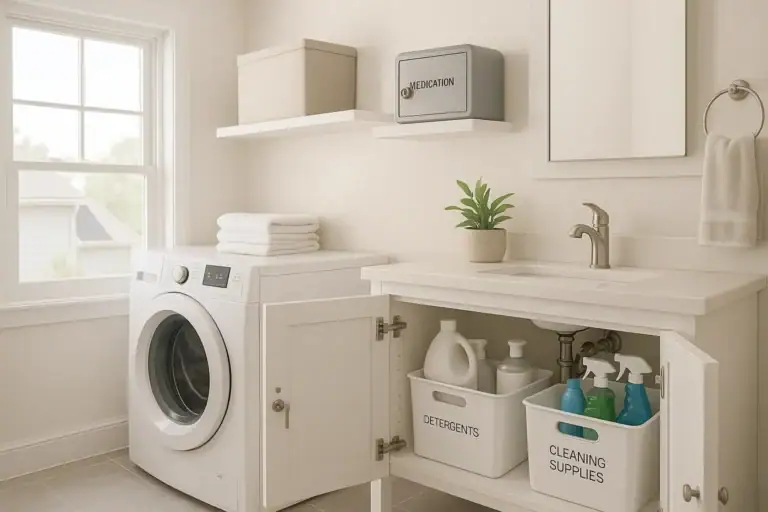 Medication Lockbox and Cleaning Supply Safety Storage Checklist
 Password Manager Basics for Families at Home: A Simple Guide
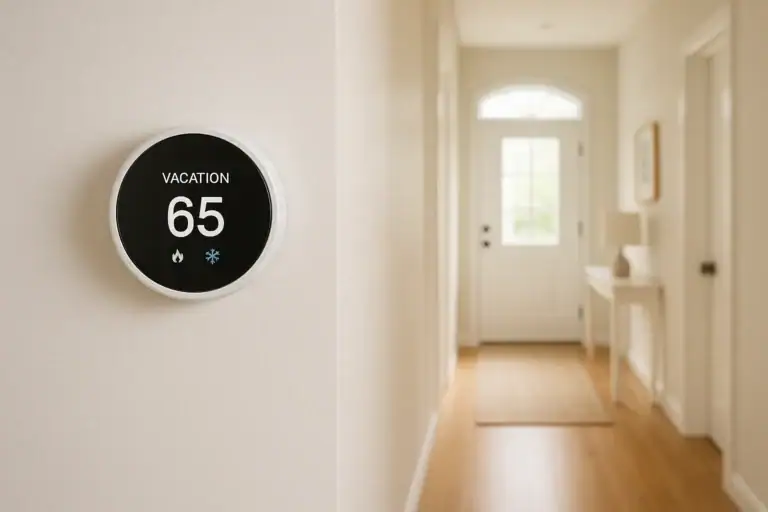 Smart Thermostat Vacation Mode Settings: A Complete Homeowner Guide