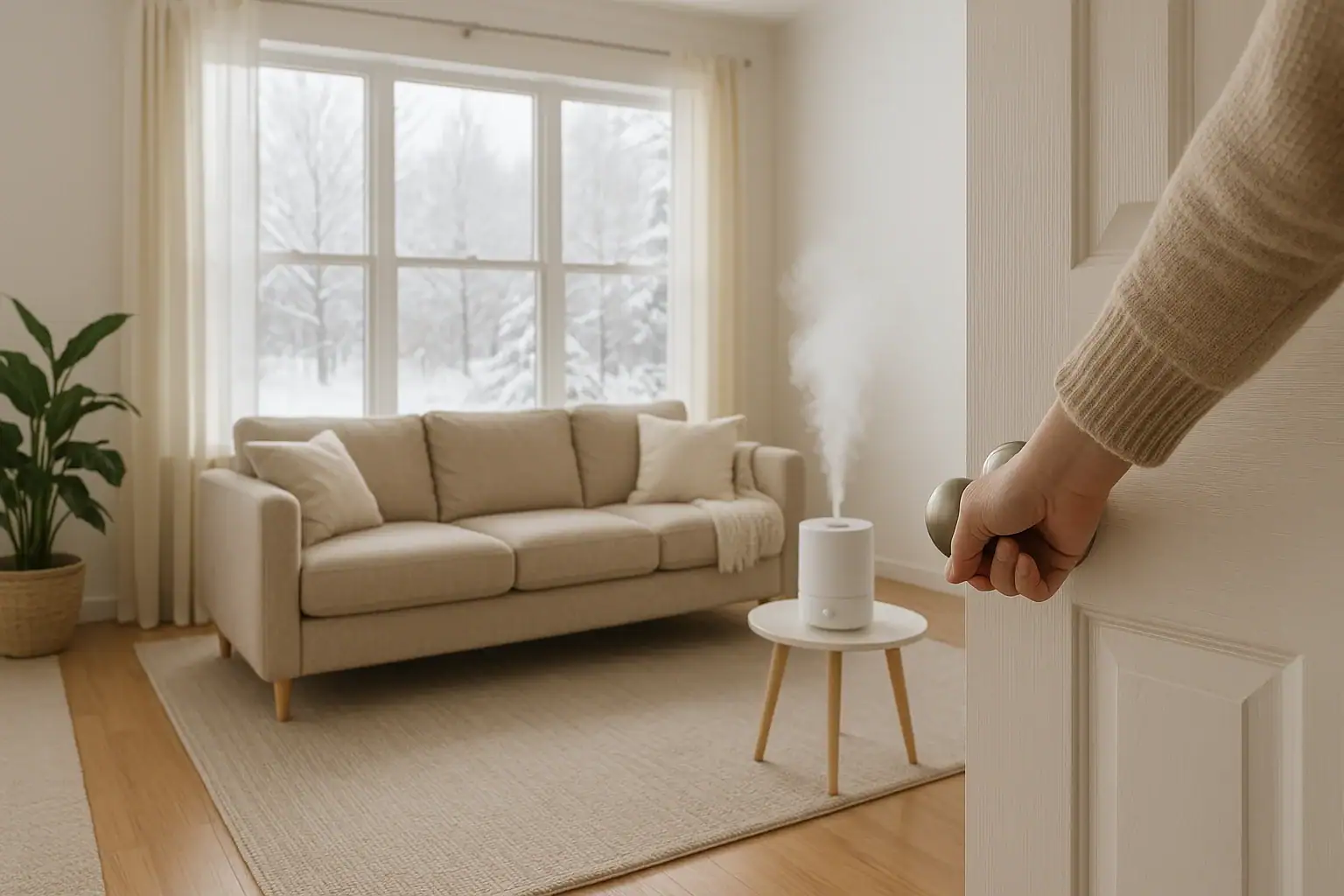
Those little zaps when you touch a doorknob or your pet in winter can be more than just annoying. Static electricity in a house is often a sign that your indoor air is too dry, which can affect comfort, sleep, and even some electronics. The good news is that winter static is usually easy to troubleshoot once you understand how humidity, flooring, clothing, and daily habits all work together.
This guide walks you through why static electricity gets worse in cold weather, how indoor humidity plays a role, and step-by-step fixes to calm things down. You will learn how to check humidity levels, adjust your heating and ventilation habits, and make simple changes around your home to reduce shocks and dryness. Use this as a practical checklist to make your home more comfortable all winter long.
Why Static Electricity Gets Worse in Winter
Static electricity is the buildup of electrical charge on surfaces. When that charge suddenly moves, you feel a shock. This happens year-round, but it is especially noticeable in winter because indoor air is much drier.
The role of dry air
Water molecules in the air help dissipate electrical charges. When the air is dry, charges tend to build up instead of spreading out. In winter, cold outdoor air holds less moisture. When that air is heated indoors, the relative humidity can drop very low, sometimes below 20%.
At low humidity levels:
- Surfaces like carpets, rugs, and upholstery hold more charge
- Your skin and hair dry out, making you more prone to static
- Walking across floors or sliding on furniture builds up more charge
How your heating system affects static
Most heating systems warm the air without adding moisture. As the furnace or space heater runs, it lowers the relative humidity even further unless you add moisture back into the air. Long heating cycles on very cold days can make static problems much worse.
Common signs your home is too dry
If you are wondering whether static shocks are linked to low humidity, look for these other clues:
- Dry, itchy skin or chapped lips
- Scratchy throat or dry nose, especially at night
- Cracking or warping wood furniture or floors
- Houseplants wilting or drying out quickly
- Pet fur standing up or crackling when you pet them
Step 1: Check and Understand Your Indoor Humidity
Before you start fixing static electricity in your house, it helps to know where your humidity stands. Guessing often leads to over-humidifying or not doing enough.
How to measure humidity
A small, inexpensive humidity gauge (often called a hygrometer) can give you a quick reading of the relative humidity in a room. Place it:
- Away from direct sunlight
- Not directly above a heater or vent
- At about chest height for the most accurate reading
Ideal humidity range for comfort and static control
For most homes in winter, a relative humidity range of about 30% to 45% strikes a good balance. In this range:
- Static electricity is much less noticeable
- Air feels more comfortable on your skin and in your lungs
- Condensation on windows is less likely than at higher humidity
If your winter readings are consistently below 30%, static and dryness are likely to be ongoing problems until you add moisture to the air.
Step 2: Humidity Fixes to Reduce Static Electricity
Once you know your humidity is low, you can start adding moisture back into the air in a controlled way. There are several approaches, ranging from simple daily habits to more systematic solutions.
Use room humidifiers wisely
Portable humidifiers can quickly raise humidity in specific rooms, such as bedrooms or living areas where you feel the most static. To use them effectively:
- Match the size of the humidifier to the room for better coverage
- Monitor humidity with a separate gauge to avoid over-humidifying
- Clean and maintain the unit regularly to prevent buildup
Place the humidifier on a stable, water-resistant surface, and keep it a few feet away from walls or furniture so the mist can spread evenly.
Whole-home humidity strategies
If static and dryness are a problem throughout your home, consider broader strategies:
- Use multiple small humidifiers in different zones instead of one in a single room
- Run bathroom fans only as long as needed so you do not remove too much moisture
- Keep interior doors slightly open to allow moist air to circulate
Low-tech ways to add moisture
In addition to dedicated equipment, everyday activities can help raise humidity modestly:
- Air-dry laundry indoors on a drying rack
- Simmer a pot of water with plain water on the stove while you are in the kitchen
- Shower with the bathroom door open afterward to let steam spread (if moisture will not damage nearby surfaces)
- Place shallow bowls of water near heat sources, making sure they are stable and safe
These methods are not as precise as a humidifier, but they can take the edge off extremely dry air and reduce static shocks.
Step 3: Reduce Static Buildup on Surfaces and Fabrics
Humidity is the foundation, but you can also target the surfaces and materials that tend to build up static in your home.
Flooring and rugs
Carpeted areas are one of the biggest sources of static shocks, especially in hallways and near doorways. To reduce buildup:
- Vacuum carpets regularly to remove dry dust and fibers
- Use an anti-static spray made for carpets and upholstery, following the label directions
- Place runners or mats in high-traffic areas to reduce friction
- Consider adding more area rugs with natural fibers if you have large synthetic carpeted spaces
Furniture and upholstery
Sofas, chairs, and blankets can hold a lot of static, especially if they are made with synthetic fabrics. Helpful steps include:
- Lightly mist upholstery with water and a small amount of fabric softening solution, then let it dry
- Use washable slipcovers made from cotton or other natural fibers
- Rotate blankets and throws, washing them regularly to remove dry buildup
Clothing choices that affect static
What you wear can make a big difference in how often you get shocked. To reduce static:
- Choose more natural fibers like cotton, wool, or linen for everyday wear
- Avoid pairing multiple synthetic layers, such as polyester on polyester
- Use fabric softeners or dryer sheets according to package directions to cut down on cling
- Hang dry delicate synthetic items to reduce friction in the dryer
If you tend to get shocked when you touch your car or metal railings, try changing your shoes. Rubber-soled shoes can sometimes allow more charge to build up, while certain other materials may help it dissipate more gradually.
Step 4: Daily Habits to Prevent Static Shocks
Along with humidity and material choices, small everyday habits can help you avoid those surprise zaps.
How you walk and move around the house
Static builds up when you create friction between your body and surfaces. You can reduce this by:
- Lifting your feet slightly instead of shuffling on carpeted floors
- Wearing socks made from natural fibers around the house
- Using slippers with softer, less insulating soles
Discharging safely before touching metal
If you know you are about to touch a metal doorknob or light switch, you can discharge some of the static more gently:
- Touch a nearby wall or wooden surface first
- Hold a key or metal object and touch that to the doorknob before grabbing it with your hand
- Touch metal surfaces with the back of your hand, which is often less sensitive
Keeping skin and hair hydrated
Dry skin and hair tend to hold more static. Simple self-care steps can help:
- Use moisturizer after washing your hands or showering
- Drink enough water throughout the day
- Use a gentle conditioner or leave-in treatment on hair
- Avoid over-washing your hair, which can strip natural oils
These habits will not remove static on their own, but they support the other changes you are making in your home.
Troubleshooting Persistent Static Electricity Problems
Sometimes static electricity remains a problem even after you add humidity and make basic changes. In that case, it helps to troubleshoot room by room and look for specific triggers.
Focus on hotspots in your home
Ask yourself where static shocks happen most often. Common hotspots include:
- At the front or back door when you reach for the knob
- Near the couch or favorite chair when you stand up
- At the top or bottom of carpeted stairs
- In bedrooms when you touch lamps or metal bed frames
Once you identify these spots, you can target them with extra measures such as:
- Adding a small rug or runner with a different material
- Using an anti-static spray on carpets or upholstery in that area
- Placing a small humidifier closer to that part of the room
Check for very low humidity in specific rooms
Some rooms dry out more than others, especially if they have:
- More direct heating vents
- Less airflow or closed doors
- Large windows or sliding doors that cool the air
Use your humidity gauge in different rooms at different times of day. You may find that a bedroom or basement is much drier than the main living area, which can explain persistent static in that space.
Protecting electronics from static
Static electricity can occasionally interfere with sensitive electronics. While most household shocks are mild, it is still wise to:
- Avoid touching metal connectors or ports immediately after walking across carpet
- Discharge static on a nearby grounded metal object before handling electronics
- Keep electronics in areas where humidity is within the recommended range
- Use protective cases or covers where appropriate
When to Be Concerned and Seek Professional Advice
Most static electricity issues are a comfort and convenience problem, not a safety hazard. However, there are times when it is worth getting a second opinion.
If humidity changes do not help
If you maintain indoor humidity in the 30% to 45% range for several weeks and still experience constant, strong shocks in multiple rooms, consider:
- Having your heating system inspected to ensure it is operating normally
- Checking insulation and air sealing to see if very cold air is entering in specific spots
- Reviewing any unusual electrical equipment or setups in the home
Signs of other indoor air problems
Static can sometimes show up alongside other indoor air quality issues. Pay attention if you notice:
- Persistent headaches or irritation that does not improve with better humidity
- Strong or unusual odors that do not go away
- Visible mold, heavy dust, or soot around vents
In those cases, it may be helpful to have a professional evaluate your ventilation, filtration, and overall indoor air conditions.
Simple Winter Static Checklist
To make troubleshooting easier, here is a quick checklist you can follow each winter when static starts to creep back into your home.
Weekly tasks
- Check humidity in main living areas and bedrooms
- Vacuum carpets and rugs, especially in high-traffic areas
- Wash and rotate blankets, throws, and frequently used clothing layers
As-needed tasks
- Run humidifiers to keep humidity around 30% to 45%
- Use anti-static treatments on carpets or upholstery in problem spots
- Adjust clothing choices if you notice more shocks on certain days
- Discharge static on walls or wood before touching metal surfaces
Seasonal review
- Inspect weatherstripping and insulation around doors and windows
- Review how you use fans and vents so you are not over-drying the air
- Reposition furniture or rugs if certain spots always cause shocks
Creating a More Comfortable Winter Home
Static electricity in your house is a clear signal that your winter air is too dry. By focusing on humidity first, then addressing surfaces, fabrics, and daily habits, you can greatly reduce shocks and improve overall comfort.
Think of your home as a system: heating, ventilation, flooring, furniture, and even clothing all play a part in how much static builds up. Small changes in each area add up to a noticeable difference. With a bit of troubleshooting and consistent habits, you can enjoy a calmer, more comfortable indoor environment throughout the cold season.
If you are working on broader air and comfort upgrades in your home, consider how humidity control fits alongside other improvements like filtration and ventilation. A balanced approach will help you create a winter space that feels cozy, healthy, and free from those unwanted zaps.
 Bathroom Humidity After a Shower: What Is Normal and What Actually Helps
 How to Reduce Heat From Sunny Windows Without Blocking Natural Light
 Musty Smell When the AC Turns On: Troubleshooting and Fixes