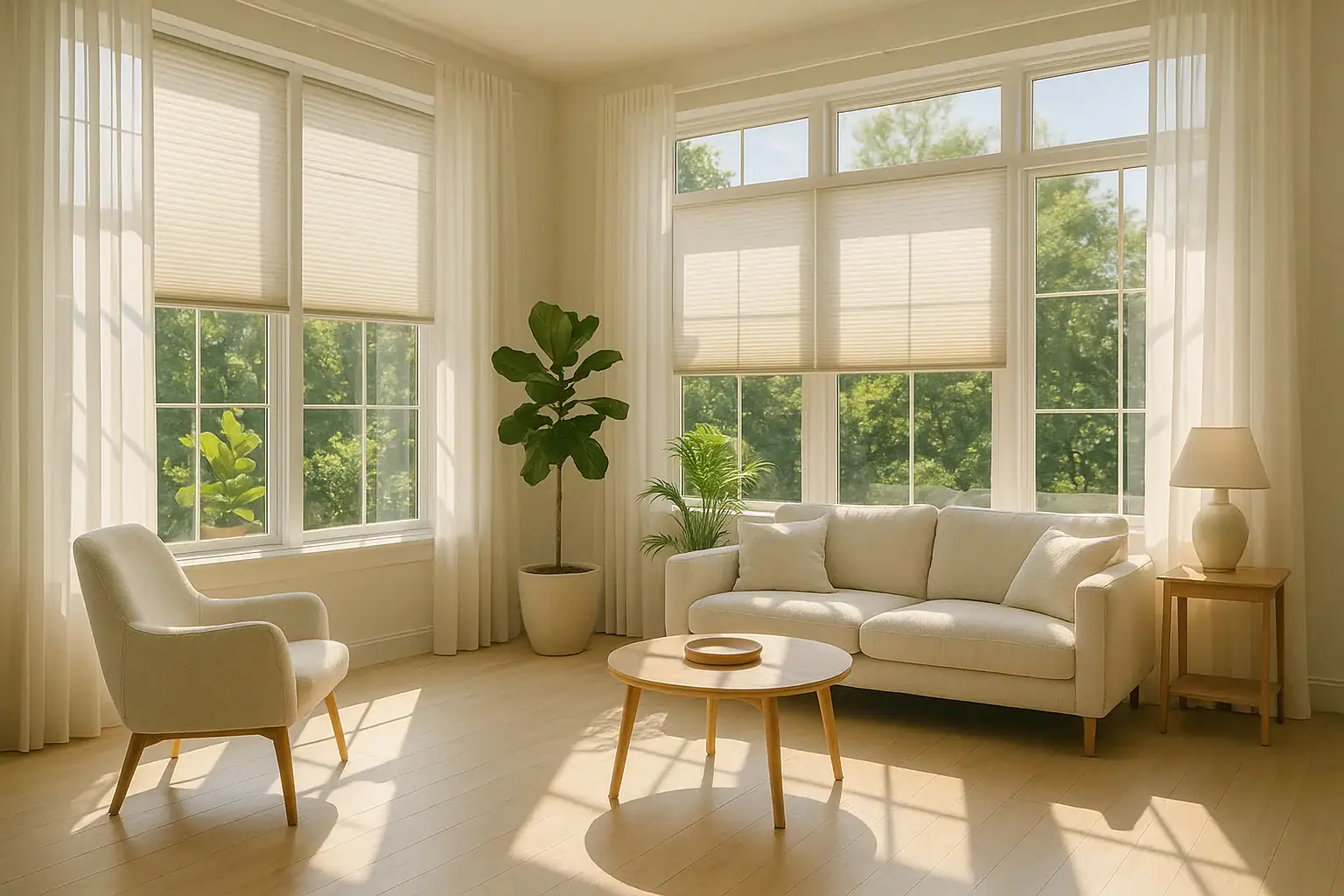
Strong sun streaming through your windows can feel wonderful in winter, but during warmer months it can quickly turn a comfortable room into a hot, stuffy space. If you love bright, naturally lit rooms, you may not want to close the blinds or hang heavy curtains all day. The good news is you can cut a surprising amount of heat from sunny windows without sacrificing the daylight you enjoy.
This guide walks you through practical, affordable ways to keep your home cooler while still letting in plenty of light. You will learn how heat actually enters through glass, which window treatments work best, how to use reflective and insulating materials, and even how to rearrange your room to feel cooler. Most of these ideas are simple upgrades you can tackle in a weekend, and many can be combined for even better results. Use this as a step‑by‑step reference to create a brighter, more comfortable home all year long.
Understand How Sunlight Heats Up Your Rooms
Before choosing solutions, it helps to understand why sunny windows make rooms so hot. Sunlight carries energy in the form of visible light and infrared radiation. When this energy passes through glass and hits surfaces inside your home, it turns into heat that gets trapped.
There are three main ways heat builds up around windows:
- Direct solar gain: Sunlight passes through the glass and warms floors, furniture, and walls.
- Conductive heat: Hot outdoor air warms the glass, which then warms the indoor air.
- Air leaks: Warm air seeps in around poorly sealed window frames.
The key is to reduce the amount of solar energy entering while still allowing visible light to brighten the room. That is where selective shading, reflective materials, and smart window treatments come in.
Set Your Priorities Before You Start
Every home and window is different. Take a moment to think about what matters most for your space before you choose solutions.
Questions to ask yourself
- Which rooms get the strongest sun and at what time of day?
- Do you need privacy during the day, at night, or both?
- Is your main goal comfort, lower cooling bills, or glare control for screens?
- Are you renting, or can you make permanent changes to the windows?
- What is your budget for each window or room?
Your answers will help you choose between removable films, semi‑permanent coverings, or outdoor shading options, and decide how much light you want to keep versus how much heat you want to block.
Use Sheer and Layered Window Coverings
Traditional heavy curtains block both heat and light. To keep your space bright, focus on light‑filtering options that soften sun rays rather than shutting them out completely.
Sheer curtains for soft, filtered light
Sheer curtains are one of the easiest ways to cut heat and glare while keeping your room bright. The fabric diffuses direct sun, which reduces hot spots and protects furnishings from fading.
Tips for using sheers effectively:
- Choose light colors that reflect more heat than dark fabrics.
- Hang them wider than the window so they can be fully drawn across during peak sun hours.
- Layer sheers with a more opaque curtain you can close only when needed.
Layered treatments for flexible control
Layering gives you more control throughout the day. You can keep natural light while adjusting how much heat and glare you block.
Consider combinations like:
- Sheer curtain closest to the glass, with a medium‑weight curtain on top.
- Light‑filtering shade inside the frame plus a sheer panel outside the frame.
- Top‑down, bottom‑up shades that let light in at the top while shading the lower part of the window.
With layers, you can keep at least one light‑friendly barrier in place while adjusting the others to match the sun’s position and your comfort level.
Install Heat‑Reducing Window Film
Window film is a thin layer applied directly to the glass. Many types are designed to block a large portion of heat‑producing infrared and ultraviolet rays while still allowing visible light to pass through.
Types of window films that keep rooms bright
- Clear heat‑control film: Nearly invisible, reduces heat and UV without noticeably darkening the window.
- Lightly tinted film: Slightly darker look, stronger glare reduction, still allows plenty of daylight.
- Low‑reflective film: Reduces heat without creating a mirror‑like finish indoors.
Many modern films are designed to maintain a neutral appearance, so your windows do not look heavily tinted or metallic.
Benefits of window film
- Cuts heat from direct sun while preserving natural light.
- Blocks most UV rays that fade fabrics and flooring.
- Helps reduce glare on screens without needing to close blinds.
- Can be a renter‑friendly option if you choose removable film.
Basic installation tips
If you choose a do‑it‑yourself film, follow the manufacturer’s directions carefully. In general:
- Clean the glass thoroughly and remove any dust or residue.
- Use a spray bottle with water and a small amount of mild soap to help position the film.
- Squeegee out air bubbles from the center toward the edges.
- Trim excess film carefully with a sharp utility knife.
Properly installed film can last for years and significantly reduce the heat load from sunny windows.
Add Light‑Colored, Reflective Shades
Shades are another way to reduce heat while keeping the room bright. The key is to choose materials and colors that reflect, rather than absorb, sunlight.
Cellular (honeycomb) shades
Cellular shades have a honeycomb structure that traps air and adds insulation to your windows. When you choose a light‑filtering version, you get a soft glow of natural light along with better temperature control.
Look for features such as:
- Light or white backing facing the window to reflect heat.
- Single or double cells, depending on how much insulation you want.
- Top‑down, bottom‑up operation for flexible light control.
Solar shades
Solar shades are designed specifically to reduce heat and glare while preserving outward visibility and daylight. They use a screen‑like material with tiny openings.
Key points to consider:
- The lower the openness percentage, the more heat and glare they block, but the less light they let through.
- Lighter colors reflect more heat and keep the room brighter.
- They work especially well in rooms with large windows and strong afternoon sun.
Use Exterior Shading to Stop Heat Before It Reaches the Glass
Stopping sunlight before it hits the glass is one of the most effective ways to reduce indoor heat. Exterior shading blocks or redirects the sun’s rays while still letting in indirect daylight.
Overhangs and awnings
Fixed or adjustable overhangs and awnings above windows can shade them during the hottest part of the day, especially on south‑ and west‑facing walls.
Advantages include:
- Blocking high summer sun while still allowing lower winter sun to enter.
- Reducing heat gain without darkening the room as much as interior blinds.
- Protecting window frames and sills from weather exposure.
Exterior shades and screens
Exterior shades or screens mount outside the window and act like a barrier against direct rays. Because they stop much of the heat before it reaches the glass, they can be more effective than interior treatments alone.
Options include:
- Roll‑down fabric shades for patios and large windows.
- Removable mesh screens that clip onto the exterior frame.
- Adjustable louvered panels that can be angled to let in light but block direct sun.
Strategic landscaping for shade
Plants can provide natural shade while still allowing filtered light through the glass. Over time, this can significantly reduce heat gain.
Ideas to consider:
- Plant deciduous trees on the south or west side of your home to shade windows in summer and let in sun during winter.
- Use tall shrubs or trellises with climbing vines to shade lower windows.
- Place potted plants near sunny windows to soften direct rays.
Landscaping takes time to grow, but it adds curb appeal and can improve comfort inside and outside your home.
Rearrange Your Room to Feel Cooler
Even without major changes to your windows, small layout adjustments can help your space feel cooler and more comfortable while still enjoying natural light.
Move heat‑absorbing items away from direct sun
Dark furniture, rugs, and electronics absorb sunlight and radiate heat into the room. Try to:
- Shift dark sofas, chairs, or tables out of the strongest sun path.
- Use light‑colored throws or slipcovers on furniture that must stay near windows.
- Place light‑colored area rugs where the sun hits the floor most directly.
Use reflective and light surfaces
Light‑colored and reflective surfaces bounce light deeper into the room without adding as much heat.
- Choose light paint colors on walls near sunny windows.
- Use light‑toned window sills and trim to reflect light upward.
- Hang a mirror opposite or adjacent to a window to spread indirect light.
These changes keep your space bright while reducing the need for additional artificial lighting, which can also add heat.
Seal and Insulate Around Windows
While sunlight is the main source of heat from sunny windows, hot outdoor air can also sneak in through gaps and poorly insulated frames. Sealing and insulating help your other cooling strategies work better.
Check for drafts and air leaks
On a hot day, run your hand around the window frame and sill. If you feel warm air movement, there may be gaps that need sealing.
Simple fixes include:
- Applying caulk around the exterior and interior edges of the frame.
- Adding weatherstripping where the sash meets the frame.
- Using draft stoppers along the bottom edge of older windows.
Use removable interior insulation when needed
If you have a room that becomes extremely hot during a heat wave, temporary interior insulation can help. While this may reduce some light, it is useful for short periods.
Ideas include:
- Foam or insulated panels that fit snugly into the window frame and can be removed when temperatures drop.
- Reflective panels or insulated curtains you close only during the hottest hours.
Use these options strategically, focusing on the hottest days and times while keeping lighter treatments in place the rest of the time.
Combine Strategies for the Best Results
No single solution fits every home or window. Often, the most comfortable and light‑friendly setup uses a combination of methods.
Sample combinations to try
- For a bright living room: Clear heat‑control window film, sheer curtains, and a light‑colored area rug.
- For a home office: Solar shades with a light openness factor, a small exterior awning, and a light wall color to reduce glare.
- For a bedroom: Cellular shades with a light‑filtering fabric, layered with a heavier curtain you close only at night.
- For a sun‑exposed dining area: Exterior shade screen, indoor sheer panels, and potted plants near the window.
Adjust with the seasons
Remember that the sun’s angle changes throughout the year. In cooler months, you might want to let more direct sun in to warm your home naturally. In hot months, you will likely rely more on shading and reflective materials.
Consider setting a simple seasonal routine:
- Spring: Install or check window film, clean windows, and adjust sheers and shades.
- Summer: Use exterior shading, close reflective shades during peak sun, and run ceiling or portable fans to move air.
- Fall: Open shades more often to capture warmth, trim plants or trees as needed.
- Winter: Take advantage of sunny days by opening light‑filtering treatments to let in heat.
When to Consider Window Upgrades
If you have very old or single‑pane windows, even the best treatments may not fully solve heat problems. In that case, upgrading windows over time can be a long‑term comfort and energy‑saving strategy.
Features to look for include:
- Multiple panes with insulating gas between them.
- Low‑emissivity coatings that reduce heat transfer while keeping light.
- Frames with good thermal performance, such as insulated vinyl, fiberglass, or wood.
Window replacement is a larger investment, but it can work together with the strategies in this guide to create a more comfortable, efficient home.
Putting It All Together
Reducing heat from sunny windows without blocking natural light is absolutely possible with the right mix of solutions. Focus on filtering and reflecting sunlight rather than shutting it out. Start with simple changes like sheer curtains, light‑colored shades, and rearranging furniture. Then, if needed, add window film, exterior shading, and better sealing around frames.
By combining these approaches, you can enjoy bright, inviting rooms that stay cooler and more comfortable, even on the hottest days. Use this guide as a checklist, tackle one window or room at a time, and adjust your setup as you learn what works best in your home.
 How to Cool a West Facing Room in the Afternoon: A Practical Guide
 Static Electricity in Winter: Humidity Fixes and Home Troubleshooting Guide
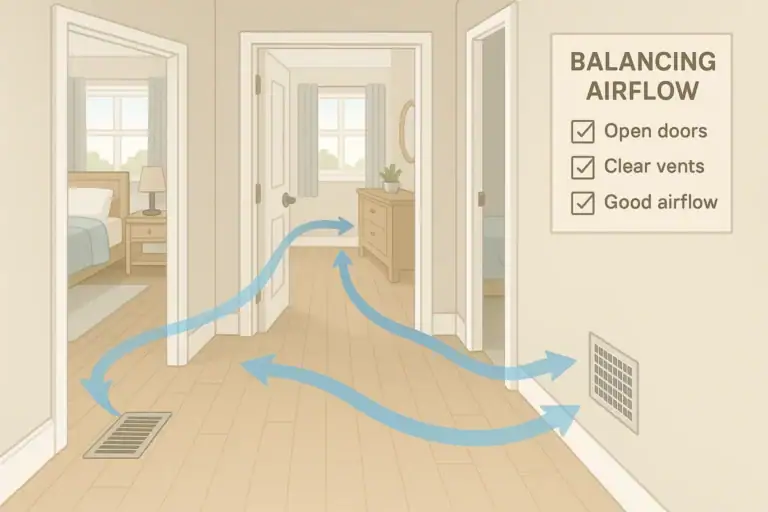 How to Balance Airflow Between Rooms at Home: A Practical Checklist