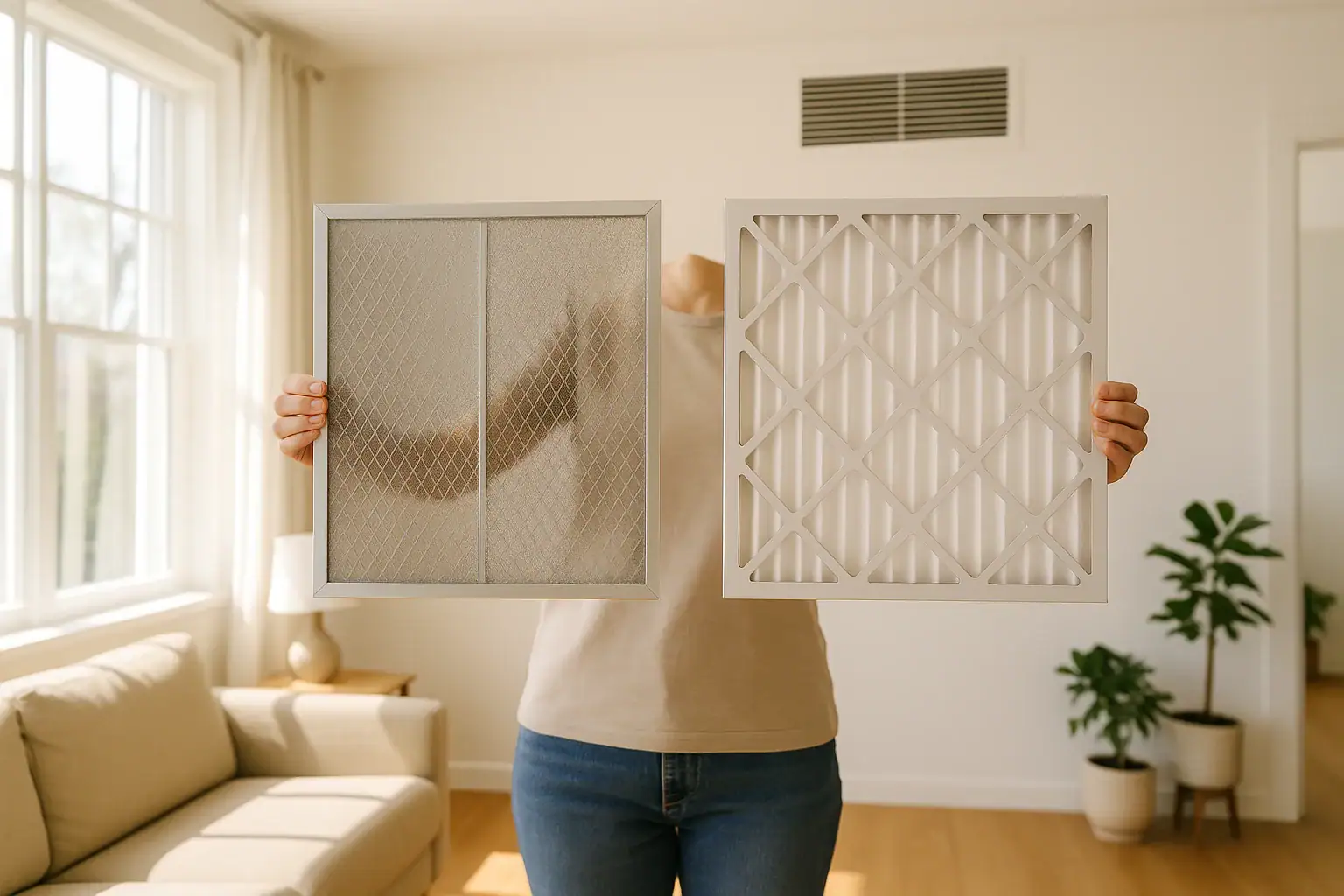
Choosing the right HVAC filter has a bigger impact on your home than most people realize. The filter you choose affects your indoor air quality, how hard your system has to work, how often you do maintenance, and even how much you pay for energy. If you are deciding between washable and disposable HVAC filters, it helps to understand how they work, where each one performs best, and what tradeoffs you are making on comfort, health, and long-term cost.
This guide walks through the key differences between washable and disposable filters, including performance, maintenance, cost over time, and environmental impact. By the end, you will have a clear picture of which option better fits your home, lifestyle, and budget, so you can support cleaner air and a more efficient system.
How HVAC Filters Work
Every forced-air heating and cooling system uses filters to capture particles as air moves through the system. The goal is to protect both your lungs and your equipment. A good filter:
- Traps dust, lint, and larger debris that would otherwise circulate in your home
- Helps reduce pollen, pet dander, and other allergens
- Prevents buildup on coils and blower components
- Supports efficient airflow so the system does not work harder than necessary
The main difference between washable and disposable filters is what happens when they get dirty. Washable filters are designed to be cleaned and reused many times. Disposable filters are meant to be replaced and thrown away once they are loaded with dust.
What Is a Washable HVAC Filter?
A washable HVAC filter, sometimes called a reusable or permanent filter, is usually made from a metal frame with a synthetic or metal mesh media. Instead of swapping it out every month, you remove it, wash it, let it dry completely, and put it back.
Typical features of washable filters
- Durable frame: Often metal, built to last for years with proper care.
- Washable media: Mesh or layered material that can be rinsed and reused.
- Reusable life span: Many are rated for several years of use if maintained correctly.
Washable filters are most effective at capturing larger particles like dust and lint. Their strength is durability and reduced waste, not necessarily the highest level of fine particle filtration.
What Is a Disposable HVAC Filter?
Disposable HVAC filters are designed for one-time use over a short period, then replacement. They are typically made from pleated paper or synthetic fibers in a cardboard or metal frame. When the filter becomes dirty or clogged, you throw it away and install a new one.
Typical features of disposable filters
- Variety of ratings: Available in a wide range of filtration levels, from basic dust control to high-efficiency options.
- Convenient maintenance: No washing or drying; simply remove and replace.
- Short life cycle: Most are designed to last 1 to 3 months, depending on conditions and rating.
Disposable filters offer more choices for people who need stronger filtration, such as households with allergies, asthma, or high dust levels.
Washable vs Disposable Filters: Key Comparison
To decide between washable and disposable HVAC filters, it helps to compare them side by side on the factors that matter most at home.
1. Filtration performance and air quality
Filter performance is often described using a rating scale that reflects how well a filter captures particles of different sizes. Higher ratings usually mean finer filtration, but also more resistance to airflow if not sized and installed correctly.
Washable filters:
- Typically offer low to moderate filtration levels.
- Best at capturing larger particles like dust, lint, and hair.
- Often not ideal if you need strong protection against very fine particles such as smoke or certain allergens.
Disposable filters:
- Available in basic, medium, and high-efficiency options.
- High-efficiency versions can capture smaller particles, including many allergens.
- Better suited for homes with allergy or asthma concerns, or where indoor air quality is a top priority.
Bottom line: If your main goal is the highest possible filtration, disposable filters generally offer more options and better performance.
2. Impact on energy efficiency and system strain
Your filter’s job is to clean the air without restricting airflow too much. A clogged or overly restrictive filter makes the blower work harder, which can increase energy use and wear on components.
Washable filters:
- Can maintain good airflow when clean and properly sized.
- Performance can drop if dust builds up or if the filter is still damp when reinstalled.
- If not cleaned on schedule, they can become restrictive and reduce efficiency.
Disposable filters:
- Come in a range of thicknesses and designs that balance filtration and airflow.
- High-efficiency options may increase resistance if not matched to the system, but proper selection can manage this.
- Regular replacement keeps airflow more consistent over time.
Bottom line: Either type can support efficient operation if maintained correctly. Neglect is what usually leads to energy waste, regardless of filter style.
3. Cost: upfront vs long-term
Cost is one of the biggest reasons people consider washable filters. It is helpful to look beyond the price tag and think in terms of years, not months.
Washable filters:
- Higher upfront cost than a single disposable filter.
- Designed to last several years, so the cost per year can be low if you keep up with cleaning.
- May involve small ongoing costs for water and cleaning supplies, plus your time.
Disposable filters:
- Lower cost per filter, but you buy them regularly.
- Annual cost depends on how often you replace them and which efficiency level you choose.
- High-efficiency options cost more but may be worth it for better air quality.
Bottom line: Washable filters can be more economical over several years if you maintain them consistently. Disposable filters spread the cost out in smaller, ongoing purchases and offer more flexibility to adjust your filtration level over time.
4. Maintenance and convenience
Think about how much time and effort you are willing to put into filter maintenance. This is where the two types feel very different in day-to-day life.
Washable filters:
- Need to be removed, washed thoroughly, and dried completely before reinstallation.
- Cleaning can be messy and may require outdoor space or a utility sink.
- If you forget to clean them on schedule, performance and air quality suffer.
- You may want a backup filter to use while the primary one is drying.
Disposable filters:
- Quick and simple: slide the old one out and the new one in.
- No drying time or cleanup required.
- Easier to remember and complete, especially if you set reminders.
- You do need storage space for a small supply of replacements.
Bottom line: If you prefer low-effort maintenance, disposable filters are usually more convenient. Washable filters demand more hands-on care but reduce the number of items you buy and store.
5. Environmental impact
Many homeowners want to reduce waste and choose more sustainable options when possible.
Washable filters:
- Generate less solid waste over time because you reuse the same filter for years.
- Use water and possibly cleaning products during maintenance.
- Need proper disposal at the end of their life, but this happens infrequently.
Disposable filters:
- End up in the trash several times a year.
- Production and transportation impacts add up over repeated purchases.
- Some materials may not be easily recyclable once contaminated with dust and debris.
Bottom line: Washable filters generally create less waste, while disposable filters are less resource-intensive to use in terms of your time and water. Both choices still need responsible use and timely replacement or cleaning to avoid energy waste.
6. Durability and risk of damage
Filters do not last forever, even when they are labeled as reusable. Durability and how you handle them matter.
Washable filters:
- Built to withstand repeated handling, but rough cleaning can damage the media.
- Bending, denting, or tearing can create gaps for unfiltered air to bypass.
- Reinstalling a damp filter can encourage mold growth on the media or in the ductwork.
Disposable filters:
- Less robust, but they are only handled a few times before being discarded.
- Damage is not a long-term concern because filters are replaced frequently.
- If a filter is crushed or torn during installation, it is usually obvious and can be replaced immediately.
Bottom line: Washable filters require more careful handling to avoid long-term damage. Disposable filters are easier to replace if something goes wrong.
When a Washable HVAC Filter Makes Sense
A washable filter can be a good choice if your priorities and home conditions match its strengths.
Best situations for washable filters
- You want to reduce waste and avoid throwing away multiple filters each year.
- Your household does not have significant allergy or asthma concerns.
- Your home is relatively clean, with low levels of dust and pet dander.
- You are comfortable washing and drying the filter on a regular schedule.
- You prefer to pay more upfront and less over time.
Washable filters often work well in second homes, workshops, or spaces where basic dust control is the main goal and ultra-fine filtration is not critical.
When a Disposable HVAC Filter Is the Better Choice
Disposable filters are a better fit for many households, especially when air quality and convenience are top priorities.
Best situations for disposable filters
- You or someone in your home has allergies, asthma, or other respiratory concerns.
- You want stronger filtration options to capture finer particles.
- You prefer quick, low-effort maintenance without washing or drying.
- Your home has multiple pets, frequent dust, or other indoor air challenges.
- You like the flexibility to adjust filter ratings over time as needs change.
Disposable filters are especially practical for busy households that might struggle to keep up with the more involved cleaning routine of washable filters.
How to Decide: A Simple Step-by-Step Approach
If you are still unsure whether washable or disposable filters are right for you, walk through this quick decision process.
Step 1: Consider health and comfort needs
- Do you have allergies, asthma, or sensitive lungs in the home?
- Do you live in an area with high pollen, dust, or smoke?
- Do you notice dust buildup quickly on surfaces?
If you answered yes to any of these, disposable filters with higher filtration levels may serve you better.
Step 2: Be honest about maintenance habits
- Are you realistically going to wash and dry a filter thoroughly every month or two?
- Do you have a convenient place to rinse filters without making a mess?
- Will you remember to let the filter dry completely before putting it back?
If that sounds like a hassle, disposable filters are likely the more reliable option.
Step 3: Look at long-term costs
- Compare the cost of a washable filter to a year or more of disposable filters at your preferred rating.
- Factor in your time and effort, not just dollars.
- Remember that neglecting filter maintenance can cost far more in energy use and repairs.
For many households, the cost difference is modest compared to the benefits of better air and fewer system problems.
Step 4: Check your system’s requirements
- Review your system manual or consult a professional about recommended filter types and ratings.
- Make sure any filter you choose fits properly and does not exceed the system’s airflow limits.
- If you are unsure, err on the side of moderate filtration and consistent maintenance.
Maintenance Tips for Any HVAC Filter
Whether you choose washable or disposable filters, good habits will protect your comfort and your equipment.
General best practices
- Check filters regularly: Inspect monthly, even if the recommended change interval is longer.
- Follow the airflow arrow: Always install filters with the arrow pointing in the direction of airflow toward the blower.
- Seal gaps: Make sure the filter fits snugly so air cannot bypass around the edges.
- Set reminders: Use a calendar, app, or smart home device to remind you when checks and changes are due.
Extra tips for washable filters
- Rinse from the clean side out to push debris away from the filter media.
- Avoid harsh chemicals that could damage the material.
- Allow plenty of drying time; a fully dry filter helps prevent mold and odor.
- Inspect for tears, warping, or loose mesh and replace if damaged.
Extra tips for disposable filters
- Write the installation date on the frame so you know how long it has been in service.
- Keep a small stock of replacement filters on hand to avoid delays.
- Do not try to vacuum or wash disposable filters; this can damage them and reduce effectiveness.
- Replace sooner than scheduled if you notice visible clogging or reduced airflow.
Final Thoughts: Choosing the Right Filter for Your Home
Both washable and disposable HVAC filters can keep your system running and your air cleaner, but they excel in different ways. Washable filters reduce waste and can save money over time if you are diligent about cleaning and your air quality needs are moderate. Disposable filters offer more choices for higher filtration, easier maintenance, and better support for households with allergies, pets, or other air quality challenges.
The best choice is the one that fits your home, your health needs, and your habits. Prioritize consistent maintenance, proper sizing, and regular checks. With the right filter and routine, you can improve comfort, protect your HVAC system, and support healthier air throughout your home.
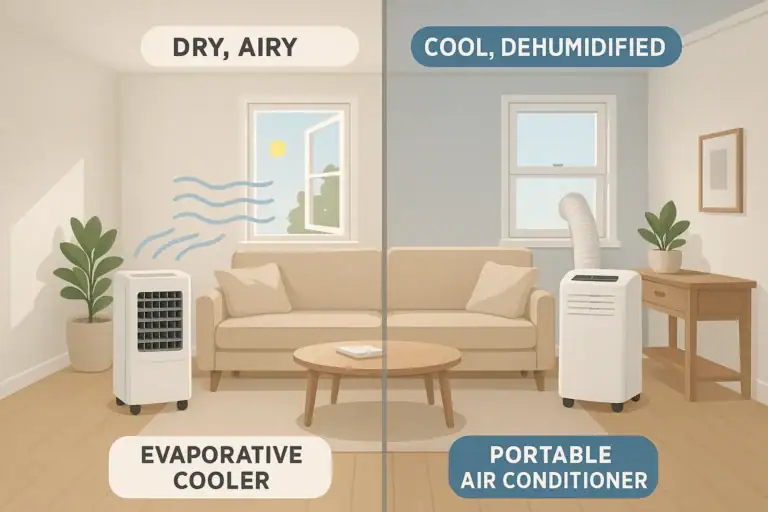 Evaporative Cooler vs Portable AC for Home Comfort: Which Is Better?
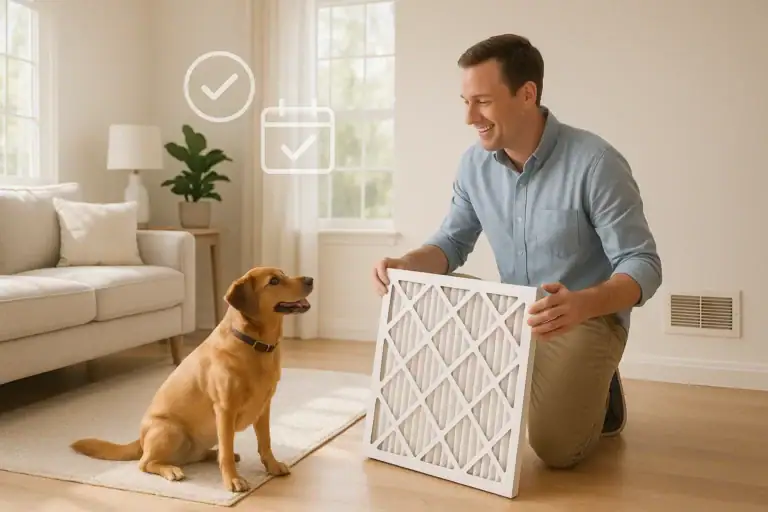 How Often to Change HVAC Filters With Pets: A Practical Homeowner Checklist
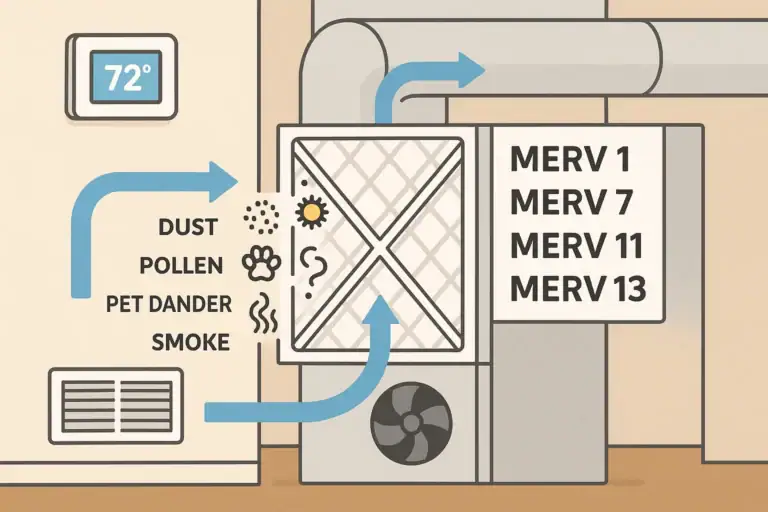 Understanding MERV Filter Ratings for Your Home HVAC System