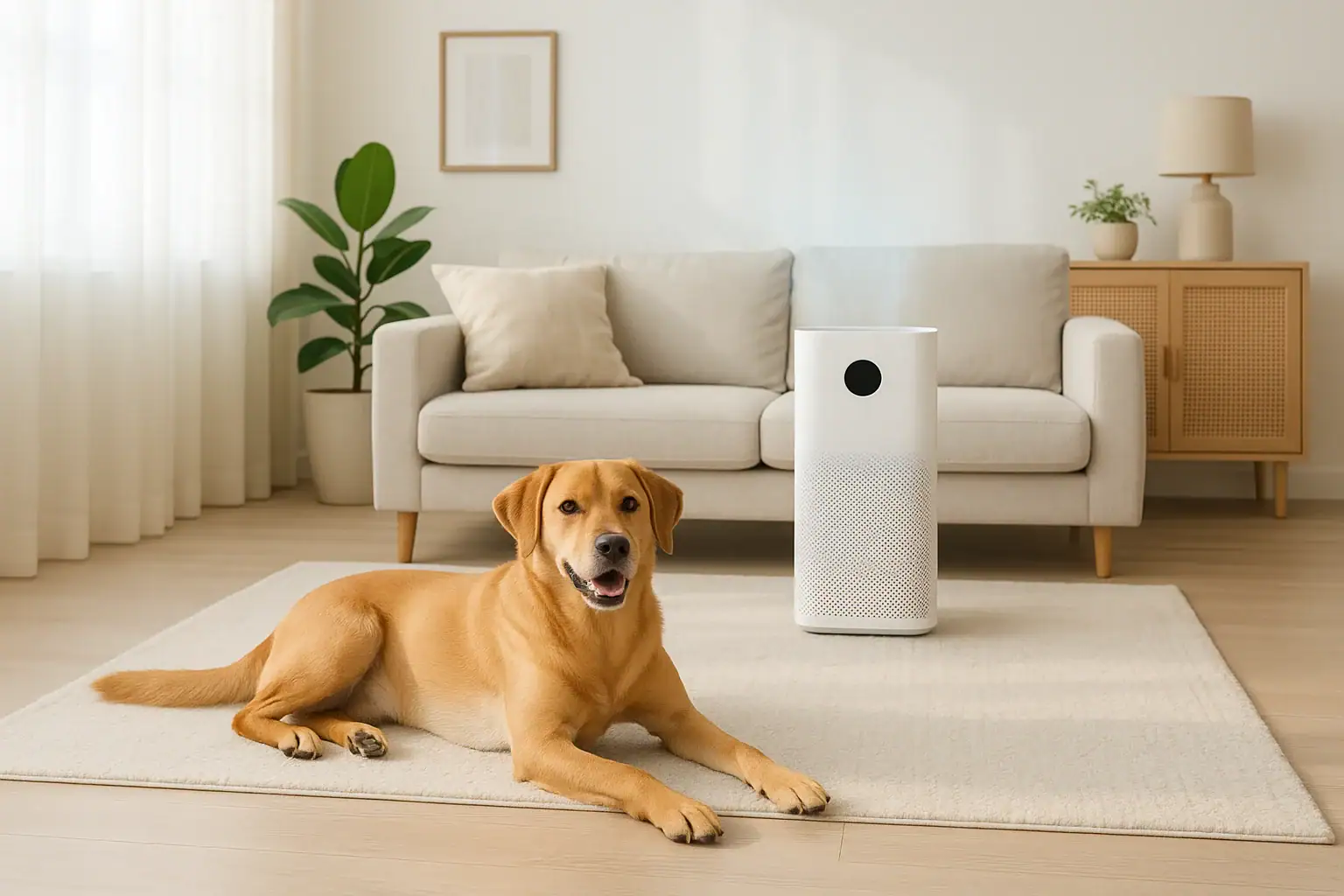
Living with pets often means living with extra hair, dander, and stubborn smells. If you are tired of walking into a room and immediately noticing a “pet smell,” an air purifier can sound like the perfect fix. But not every odor comes from the same source, and not every purifier works the way people expect. Understanding what an air purifier can and cannot do for pet odors will help you choose the right setup and avoid disappointment.
This guide explains how air purifiers work for pet homes, which types of filters actually help with smells, what problems they will not solve, and what you should combine them with for the freshest possible air. By the end, you will have a realistic plan for using an air purifier to manage pet odors, hair, and dander in your home.
How Pet Odors Form in Your Home
Before deciding whether an air purifier can help, it is useful to understand where pet odors come from. Pet smells are usually a mix of particles and gases that build up over time.
Common sources of pet odors
- Pet dander: Tiny flakes of skin that carry natural body oils and proteins. These can smell musty and also trigger allergies.
- Pet hair: Hair itself does not always smell, but it traps oils, dust, and other odors from around your home.
- Accidents and urine: Even small or old accidents can leave behind odor-causing compounds in carpets, rugs, and furniture.
- Litter boxes and cages: Waste, damp bedding, and poor ventilation can create strong ammonia-like or sour smells.
- Wet fur: When fur gets wet, natural bacteria and oils release a distinct “wet pet” odor.
- Pet bedding and soft surfaces: Blankets, beds, couches, and curtains absorb and slowly release pet smells.
Some of these odor sources float in the air as particles. Others are gases that come off surfaces and linger in the room. Air purifiers handle these in different ways.
How Air Purifiers Work for Pet Homes
Most home air purifiers use a fan to pull air through a series of filters. The type of filter matters a lot when you are focused on pet odors, not just dust.
Particle filtration: HEPA and pre-filters
For pet owners, the two most important particle filters are:
- Pre-filter: A coarse filter that catches larger particles like pet hair, fur, and dust. It protects the main filter and helps keep airflow strong.
- High-efficiency particle filter (often called HEPA-type): A fine filter designed to trap very small particles, including much of the pet dander, dust, and some allergens.
These filters are excellent for reducing pet hair and dander floating in the air. Less dander means fewer allergy triggers and a fresher-feeling room. However, particle filters alone do not usually remove the gases that cause strong pet odors.
Gas and odor filtration: Activated carbon and similar media
To tackle smells, an air purifier needs a filter designed for gases and odors. The most common option is an activated carbon filter or another type of porous odor-absorbing media.
These filters work by adsorbing odor molecules onto their surface. This can help reduce:
- General “pet smell” in a room
- Litter box odors
- Light urine and feces odors in the air
- Wet fur smells that linger after your pet dries off
However, even a strong odor filter has limits. If the source of the smell is deep in a carpet or soaked into a cushion, the purifier can only remove what evaporates into the air, not what is trapped inside the material.
What an Air Purifier Helps With for Pet Odors
When used correctly, an air purifier can make a noticeable difference in how fresh your home smells and feels. Here is what you can realistically expect it to help with.
1. Reducing everyday “pet smell” in the air
In many homes, there is a general pet odor that you might not notice until you have been away for a while. This often comes from a mix of dander, hair, and light gases from your pet’s skin and breath.
An air purifier with both particle and odor filters can:
- Capture airborne dander and hair that carry smells
- Absorb some of the odor molecules that make a room smell “doggy” or “catty”
- Help the air feel less stale and stuffy, especially in smaller rooms
2. Managing litter box odors in nearby rooms
If you place an air purifier near, but not directly over, a litter box, it can help reduce the spread of odors into the rest of your home. The key is continuous operation and a filter designed for odors.
With the right setup, you may notice:
- Less lingering smell after your cat uses the box
- Reduced ammonia-like odor in nearby hallways or living areas
- A more neutral smell when guests enter the home
3. Cutting down on airborne pet dander and allergens
While this is not an odor issue, it is a major comfort benefit. A good particle filter can capture a large share of airborne pet dander, which may help people who are sensitive to pets feel more comfortable.
Benefits can include:
- Less sneezing and eye irritation for some individuals
- Less dust settling on furniture
- A cleaner feel to the air, especially in bedrooms and living rooms
4. Reducing wet pet and “after playtime” smells
After a bath, a rainy walk, or a long play session, your pet may leave a noticeable odor in the room. An air purifier running on a higher setting for a while can help clear the air more quickly by:
- Capturing damp dander and hair as it dries and floats
- Absorbing some of the strong wet-fur smell from the air
- Helping the room return to a neutral smell faster
What an Air Purifier Will Not Remove
Even the best air purifier cannot fix every pet odor problem. Knowing these limits will help you avoid wasting money or feeling misled by marketing claims.
1. Odors soaked into carpets, rugs, and furniture
If your pet has had repeated accidents on a rug or couch, the odor-causing compounds may be deep in the padding or fabric. An air purifier can only affect the air that passes through it, not the materials themselves.
In these cases, you will likely need:
- Deep cleaning with an enzymatic cleaner designed for pet messes
- Professional carpet or upholstery cleaning for severe cases
- Replacing heavily soiled items if odors cannot be removed
2. Strong, fresh accidents on floors or bedding
When a pet has a fresh accident, the odor is concentrated at the source. An air purifier may reduce the smell in the air slightly, but it cannot remove the odor until the mess is cleaned thoroughly.
To truly address the smell, you must:
- Blot and remove as much liquid or solid material as possible
- Use a cleaner that breaks down urine and organic matter
- Wash or treat bedding, rugs, and fabrics directly
3. Odors from poor grooming or health issues
Some pet odors come from skin conditions, dental problems, ear infections, or infrequent grooming. An air purifier might reduce the overall smell in the room, but it will not solve the root cause.
If your pet has a strong or unusual odor, consider:
- Regular bathing and brushing appropriate for the breed and coat type
- Routine dental care and vet checkups
- Discussing any sudden or intense odors with a veterinarian
4. Smells trapped in walls, flooring, and old fabrics
In older homes or rental properties, long-term pet odors can become embedded in walls, baseboards, and subflooring. An air purifier can only treat the air, not the building materials.
In severe cases, you may need:
- Sealing or repainting walls and trim
- Replacing old carpet and padding
- Addressing moisture problems that make odors worse
Choosing an Air Purifier for Pet Odors
Not all air purifiers are equally effective for pet homes. When your main concern is odor, pay attention to a few key features and specifications.
1. Look for both particle and odor filters
For pet odors, you want a purifier that includes:
- A strong particle filter: To capture hair, dander, and dust.
- An odor or gas filter: Often made with activated carbon or another odor-absorbing material.
Without an odor filter, the purifier may reduce allergens but leave smells largely unchanged.
2. Match the purifier to your room size
Every purifier is designed for a certain room size. If you place a small unit in a large open living area, you will likely be disappointed with the odor control.
As a general guideline:
- Choose a purifier rated for at least the square footage of your room.
- For open floor plans, consider multiple units or a larger-capacity model.
- For bedrooms or offices, a smaller unit may be sufficient.
3. Consider noise level and placement
To be effective, an air purifier should run for many hours a day, often continuously. That means noise level matters, especially in bedrooms and living rooms.
Tips for placement and use:
- Place the purifier in the room where pet odors are strongest or where you spend the most time.
- Keep it a few feet away from walls and furniture so air can circulate.
- Avoid placing it directly next to a litter box or bed where hair and dust can clog it quickly.
4. Factor in filter replacement costs
Odor filters become saturated over time. If you do not replace them as recommended, the purifier will gradually lose its ability to control smells.
When comparing options, check:
- How often particle and odor filters need replacement
- Estimated yearly filter costs
- Whether pre-filters are washable or reusable
How to Use an Air Purifier for Best Pet Odor Control
Getting good results is not just about buying a purifier. How you use and maintain it makes a big difference in how well it handles pet odors.
1. Run it consistently, not just when it smells bad
Pet odors build up slowly, and by the time you notice them, they may already be embedded in fabrics. Running your air purifier continuously on a low or medium setting helps prevent this buildup.
Consider:
- Running the purifier 24/7 in main living areas
- Using a higher fan speed for a few hours after cleaning or when odors spike
- Keeping doors open so air can circulate within the treated area
2. Keep up with filter cleaning and replacement
Pets shed hair and dander that quickly clog filters. A clogged filter reduces airflow and odor control.
Good habits include:
- Vacuuming or rinsing pre-filters as recommended by the manufacturer
- Replacing particle and odor filters on schedule
- Checking filters more often if you have multiple pets or heavy shedding
3. Combine with basic odor-control habits
An air purifier works best as part of an overall odor-control routine. Simple habits can dramatically improve results.
- Clean litter boxes and cages regularly: Scoop daily and change litter or bedding as recommended.
- Wash pet bedding often: Blankets, covers, and soft toys can hold a lot of odor.
- Vacuum and dust: Focus on carpets, rugs, and upholstery where hair and dander collect.
- Groom your pet: Regular brushing and appropriate bathing help reduce odor at the source.
4. Ventilate when possible
Fresh outdoor air is one of the most effective ways to dilute indoor odors. When weather and outdoor air quality allow, open windows or use exhaust fans to supplement your air purifier.
Setting Realistic Expectations
An air purifier can be a powerful ally in keeping your home comfortable with pets, but it is not a magic eraser for every smell. Setting realistic expectations will help you get the most value from your investment.
What you can reasonably expect
- Noticeably fresher air in rooms where the purifier runs consistently
- Less lingering pet smell after normal daily activity
- Reduced spread of litter box or cage odors into the rest of the home
- Less visible hair and dust floating in the air
- Potential comfort benefits for people sensitive to pet dander
What you should not expect
- Instant removal of strong odors from fresh accidents
- Elimination of smells soaked into carpets, furniture, or walls
- A replacement for regular cleaning, grooming, and litter box care
- Complete removal of all pet-related allergens
Think of an air purifier as one part of a larger plan for cleaner indoor air. It supports your cleaning routine, but it cannot replace it.
Creating a Cleaner, More Comfortable Home With Pets
Sharing your home with pets does not mean you have to accept persistent odors or stuffy air. When you understand what an air purifier can and cannot do, you can use it more effectively and avoid frustration.
For most pet owners, the best results come from combining:
- A properly sized air purifier with both particle and odor filters
- Consistent use and timely filter maintenance
- Regular cleaning of litter boxes, cages, and pet bedding
- Routine grooming and veterinary care for your pet
- Occasional deep cleaning or replacement of heavily soiled items
With the right expectations and habits, an air purifier can significantly reduce everyday pet odors and make your living spaces more pleasant for you, your household, and your guests.
If you are planning a broader update to your home’s air and comfort systems, you can explore more ideas and guides in the air and comfort hub: Air & Comfort Home Guide.
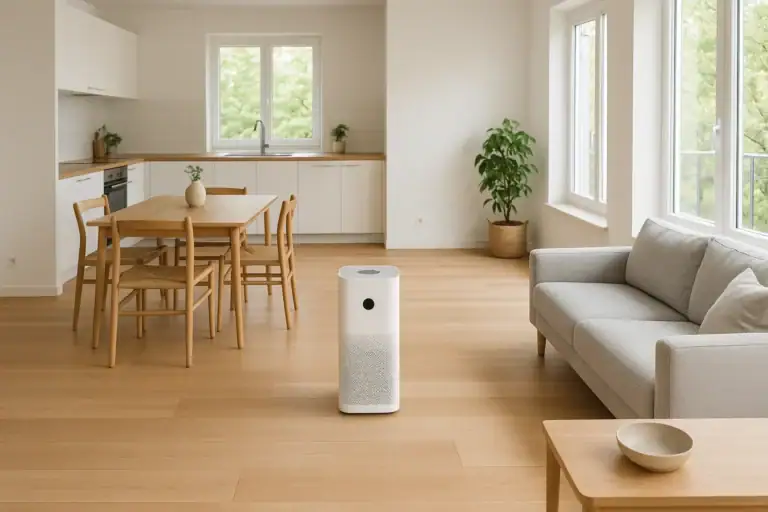 Air Purifier Placement in an Open Floor Plan: Practical Guide and Realistic Expectations
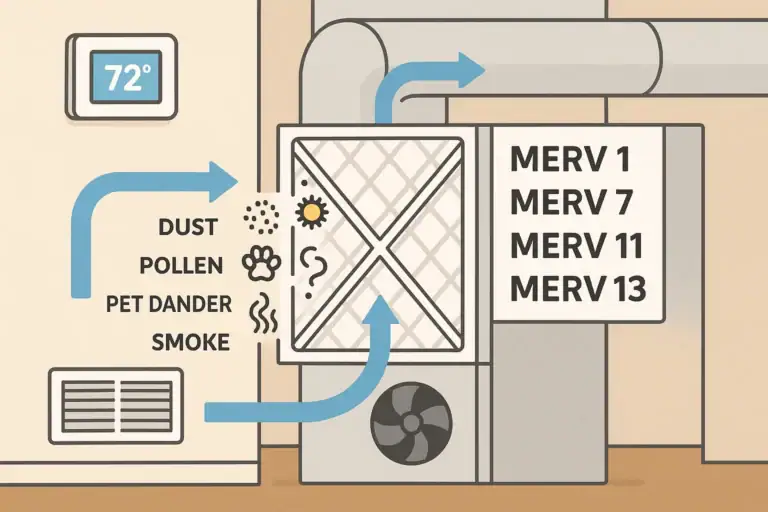 Understanding MERV Filter Ratings for Your Home HVAC System
 Radiator Reflector Panels: A Practical Home Guide