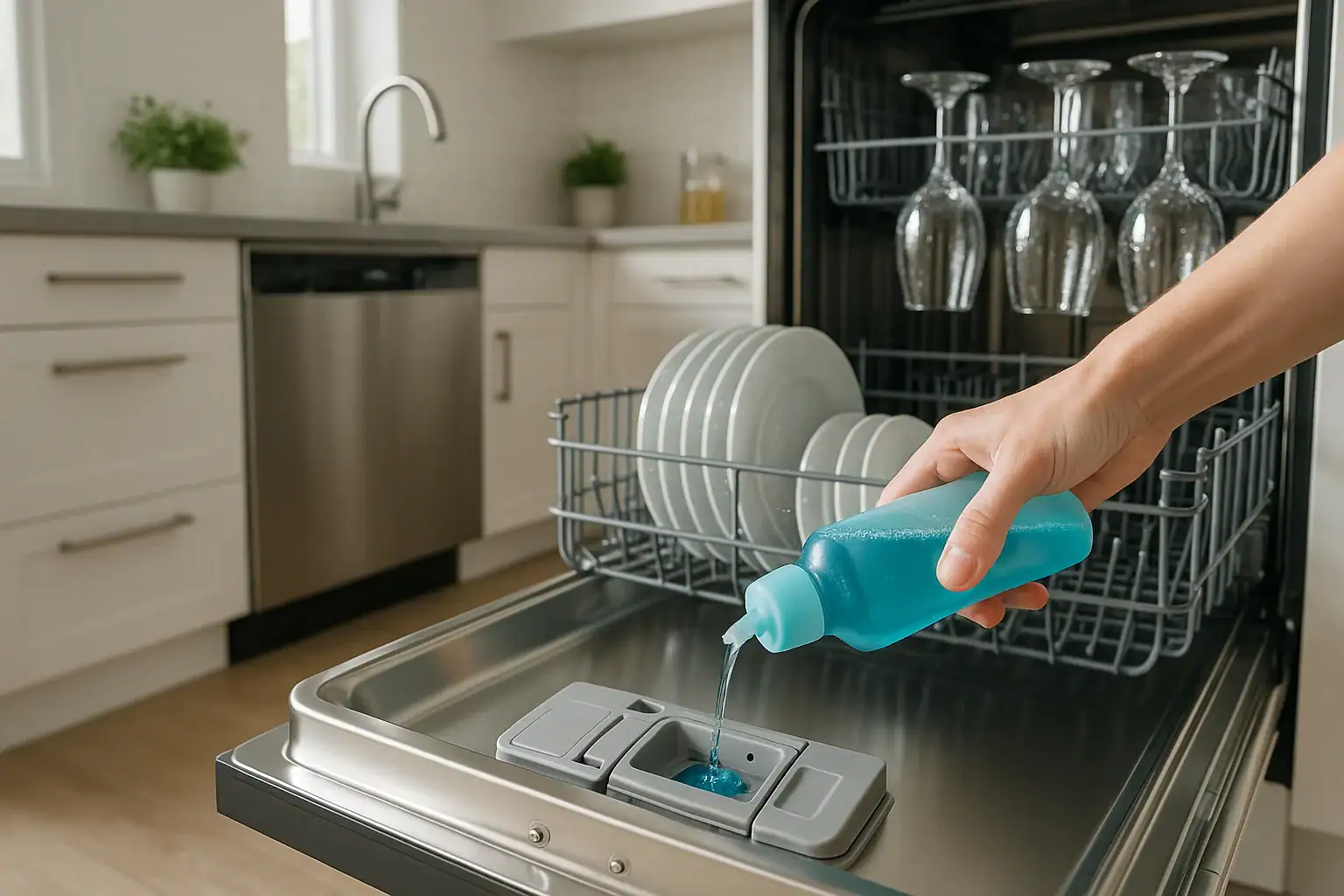
If you have ever unloaded your dishwasher and found cloudy glasses, water spots, or dishes that still feel damp, you have already discovered the problem rinse aid is designed to solve. Many people see the rinse aid compartment on the dishwasher door and ignore it, or they assume it is just an optional add-on. In reality, rinse aid plays a specific role in how your dishwasher cleans and dries dishes, especially with today’s energy-efficient models that use less water and lower temperatures.
This guide explains what dishwasher rinse aid is, how it works, and when it truly makes a difference. You will learn when it helps, when it may not be necessary, how to adjust the settings, and how to use it safely in a typical US home. Whether you are new to dishwashers or simply trying to get clearer glassware and drier dishes, understanding rinse aid can help you get better results without wasting products or money.
What Is Dishwasher Rinse Aid?
Dishwasher rinse aid is a liquid additive used during the final rinse cycle. It is not a detergent and it is not a sanitizer. Its main job is to help water drain quickly and evenly off dishes, glasses, and utensils so they dry faster and with fewer spots or streaks.
Rinse aid works alongside your regular dishwasher detergent. The detergent does the heavy cleaning during the main wash, while the rinse aid is released later, usually in the final hot rinse, to improve rinsing and drying performance.
What Is in Rinse Aid?
Exact formulas vary, but most rinse aids contain:
- Surfactants: These reduce the surface tension of water so it sheets off the dishes instead of forming droplets.
- Solvents: Help keep the formula stable and spread evenly.
- Acidic or chelating agents: Help manage minerals in the water that can cause spots or film.
- Colorants or fragrances (optional): Added for appearance or scent, but not necessary for performance.
While rinse aid is not meant to be ingested, it is designed to be used in small amounts and rinsed away during the cycle. Always follow the product label and your dishwasher manual for safe use.
How Rinse Aid Works in Your Dishwasher
To understand when rinse aid helps, it is useful to know what it actually does inside the dishwasher. Its effect is mostly physical rather than chemical.
Reducing Surface Tension
Plain water tends to bead up on smooth surfaces. When water forms droplets, those droplets dry slowly and often leave behind minerals or detergent residue. Rinse aid contains surfactants that reduce the surface tension of water, so instead of droplets, the water forms a thin, even sheet that runs off the dishes more completely.
The result is:
- Fewer water droplets clinging to dishes at the end of the cycle
- Less chance for mineral spots and streaks
- Faster, more even drying
Working With Heat and Airflow
Most dishwashers rely on a combination of hot water, residual heat from the final rinse, and airflow inside the tub to dry dishes. Some models also include a heated dry option or fan-assisted drying.
Rinse aid improves the way water runs off surfaces, so when the dishwasher moves into its drying phase, there is less water left to evaporate. This makes any built-in drying system more effective, whether you use heated dry or simply let dishes air dry in the closed tub.
When Dishwasher Rinse Aid Really Helps
Rinse aid is not always essential, but there are many situations where it significantly improves results. If you recognize any of the issues below, rinse aid is likely to help.
1. Hard Water and Mineral Spots
Many US homes have hard water, which contains higher levels of calcium and magnesium. When hard water droplets dry on your dishes, they leave behind visible white spots or a cloudy film, especially on glassware.
Rinse aid helps by allowing water to sheet off more completely, so fewer mineral-laden droplets are left behind to dry on the surface. While rinse aid does not soften water, it can noticeably reduce spotting and cloudiness.
You are likely dealing with hard water if you notice:
- White spots or chalky residue on glasses and utensils
- A cloudy film that does not wash off easily
- Scale buildup around sink faucets and showerheads
2. Cloudy or Etched-Looking Glasses
Cloudiness on glassware can come from two main causes:
- Mineral deposits: Often improved by rinse aid and proper detergent use.
- True etching: Permanent surface damage to the glass, usually from high heat, harsh detergents, or very soft water.
Rinse aid helps prevent mineral deposits and can keep glasses clearer over time. It will not repair etched glass, but it may slow down the conditions that contribute to further damage by improving rinsing.
3. Poor Drying and Damp Dishes
If you open the dishwasher at the end of the cycle and find dishes still wet, especially plastic items, rinse aid can make a noticeable difference. Plastics do not retain heat as well as glass or ceramic, so water tends to cling and dry slowly.
Rinse aid helps by:
- Reducing water droplets that cling to plastic containers and lids
- Improving drying even if you do not use a heated dry cycle
- Reducing the need to towel-dry items after the cycle
4. Energy-Efficient, Low-Temperature Cycles
Modern dishwashers and eco-friendly cycles often use less water and lower temperatures to save energy. While this is good for utility bills, it can make drying more challenging because there is less heat to evaporate water.
In these cases, rinse aid helps the dishwasher make the most of the available heat and airflow by ensuring water runs off quickly instead of lingering on the surfaces.
5. Quick or Short Wash Cycles
Short cycles may not include long drying phases. If you rely on quick washes for lightly soiled dishes, rinse aid can help offset the reduced drying time by minimizing leftover water on your dishes.
When You Might Not Need Rinse Aid
Although rinse aid is helpful in many homes, there are a few situations where it may be less critical.
Soft Water and Minimal Spotting
If your home has naturally soft water or you use a whole-house water softener, you may already see very few spots on your dishes. In that case, rinse aid may offer only a small improvement, mainly in drying speed rather than appearance.
High-Heat Drying With Few Plastics
If you regularly use a high-heat drying option and mostly wash glass, ceramic, and metal items, you might find your dishes already come out dry enough. Rinse aid can still help with shine and clarity, but it may not feel essential.
Air-Drying With Door Opened After Cycle
Some people prefer to open the dishwasher door right after the cycle ends to let steam escape and allow dishes to air dry. This method can work well, especially in low-humidity homes. Rinse aid will still improve how water runs off, but the benefit may be smaller if you already get good drying results.
If you are unsure whether you need rinse aid, try running a few cycles without it and compare the results. If you see more spots, film, or lingering moisture, adding rinse aid is likely worth it.
How to Add and Adjust Dishwasher Rinse Aid
Using rinse aid correctly is simple once you know where to put it and how to adjust the setting.
Finding the Rinse Aid Dispenser
Most dishwashers have a small, covered compartment on the inside of the door, usually next to the detergent cup. It is often labeled for rinse aid or with a symbol that looks like droplets or a sun.
To add rinse aid:
- Open the dishwasher door fully and locate the rinse aid compartment.
- Flip open the cap or turn the dial to open it.
- Slowly pour rinse aid into the compartment until it reaches the fill line. Avoid overfilling.
- Wipe up any spills with a damp cloth.
- Close the cap securely before running a cycle.
Adjusting the Rinse Aid Setting
Many dishwashers allow you to adjust how much rinse aid is dispensed per cycle. This is often controlled by a small dial inside the dispenser or through the dishwasher’s electronic settings.
General guidance:
- Hard water: Use a higher setting to reduce spots and film.
- Soft water: Use a lower setting to avoid overuse and potential streaking.
- Noticeable residue or streaks: Try lowering the setting slightly.
- Poor drying or heavy spotting: Increase the setting one step at a time.
After adjusting, run several cycles before deciding whether to change it again, since results can vary depending on load size and detergent.
How Often to Refill Rinse Aid
Most dishwashers have an indicator light or symbol that turns on when the rinse aid level is low. Depending on how often you run your dishwasher and the size of the dispenser, a full reservoir may last several weeks to a few months.
Check the compartment every few weeks and refill as needed. Keeping it topped off ensures consistent drying and spotting performance.
Using Rinse Aid Safely and Effectively
Rinse aid is generally safe when used as directed, but there are a few best practices to keep in mind.
Avoid Pouring Rinse Aid Directly Into the Tub
Rinse aid is designed to be dispensed in small amounts at a specific time in the cycle. Pouring it directly into the bottom of the dishwasher or into the detergent cup can cause excessive sudsing or poor rinsing.
Always use the dedicated rinse aid compartment so the dishwasher can release it properly.
Do Not Mix With Detergent
Rinse aid and detergent serve different purposes and are formulated to work at different stages of the cycle. Mixing them together can reduce cleaning performance and may leave residue on dishes.
Consider Fragrance Sensitivities
If anyone in your household is sensitive to fragrances, look for a low-fragrance or fragrance-free style of rinse aid. Even though only small amounts remain on dishes, some people prefer to minimize added scents in the kitchen and dining area.
Store Rinse Aid Properly
Keep the bottle tightly closed and stored out of reach of children and pets. Avoid storing it in very hot areas, such as directly next to an oven, to maintain product stability.
Common Questions About Dishwasher Rinse Aid
Is Rinse Aid Necessary If I Use a Detergent Pod?
Many detergent pods include some form of rinse aid in their formula, but the amount may not be enough for hard water or challenging drying conditions. Using the built-in rinse aid dispenser gives your dishwasher more control over how and when it is released.
If you are still seeing spots or damp dishes while using pods, adding separate rinse aid is worth trying.
Can I Use a DIY Substitute for Rinse Aid?
Some people consider using household products as substitutes, but these can cause issues:
- Vinegar: While it can help with mineral buildup, it is more acidic than products designed for rinse aid dispensers and may damage rubber parts or seals over time.
- Dish soap or other cleaners: These can create excess suds and may lead to leaks or poor cleaning performance.
For best results and to protect your dishwasher, use a product specifically labeled as dishwasher rinse aid.
Why Do My Dishes Still Have Spots Even With Rinse Aid?
If you still see spots after using rinse aid, consider these factors:
- Water hardness: Very hard water may require a higher rinse aid setting or a water softening solution.
- Detergent amount: Too much detergent can leave residue; too little can leave food particles that dry onto dishes.
- Loading pattern: Overloading or blocking spray arms can prevent proper rinsing.
- Filter and spray arm condition: A clogged filter or spray arm holes can reduce cleaning and rinsing power.
Try adjusting one factor at a time and running a test load to see what improves your results.
Is Rinse Aid Safe for Septic Systems?
Most modern rinse aids are designed to be used in small quantities and are considered acceptable for typical household wastewater systems, including many septic setups. If you have concerns, check product labels for septic information and follow local guidelines for household chemicals.
Tips for Better Dishwasher Results Beyond Rinse Aid
Rinse aid is just one piece of the puzzle. For cleaner, drier dishes, combine it with good dishwasher habits.
Load Dishes for Proper Water Flow
- Do not nest bowls or cups so tightly that water cannot reach between them.
- Angle glasses and cups downward to prevent water from pooling on top.
- Keep tall items away from the spray arms so they can spin freely.
- Place heavily soiled items facing the spray arms.
Use the Right Cycle for the Load
Lightly soiled dishes may do well on a quick or eco cycle, while heavily soiled pots and pans may need a heavy or intensive cycle. Matching the cycle to the load helps ensure thorough cleaning and rinsing.
Maintain Your Dishwasher
- Clean the filter regularly to prevent trapped food from recirculating.
- Check and clean spray arm holes if they appear clogged.
- Wipe the door gasket to remove debris that can affect sealing and performance.
- Run an empty cleaning cycle with a dishwasher cleaner as recommended in your manual.
Key Takeaways: When Rinse Aid Is Worth Using
Dishwasher rinse aid is a small addition that can make a noticeable difference in everyday kitchen cleanup. It is especially helpful if you:
- Have hard water and see frequent spotting or cloudy glasses
- Use energy-saving or low-temperature cycles
- Wash a lot of plastic containers and lids
- Find that dishes come out damp, even after a full cycle
By understanding how rinse aid works, adjusting the settings for your water conditions, and combining it with good loading and maintenance habits, you can get clearer, drier dishes with less effort. For more practical tips on managing water and kitchen appliances in your home, explore related guides and resources on dishwasher care, water quality, and efficient kitchen routines.
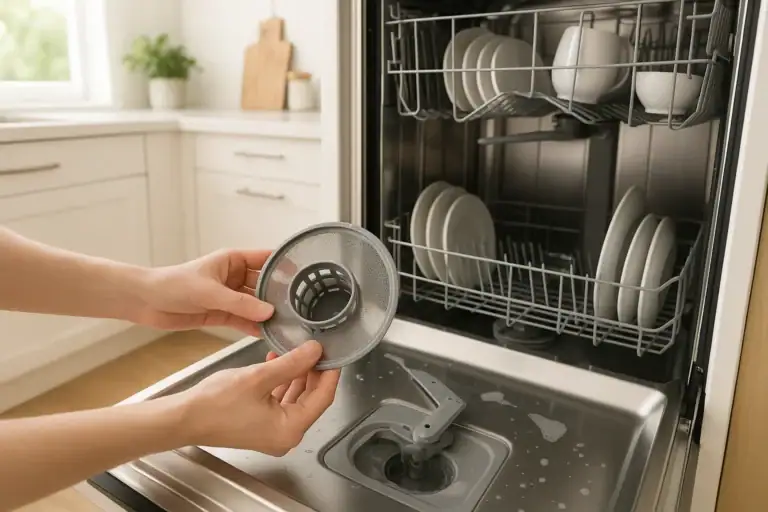 How to Clean a Dishwasher Filter Step by Step for Sparkling Dishes
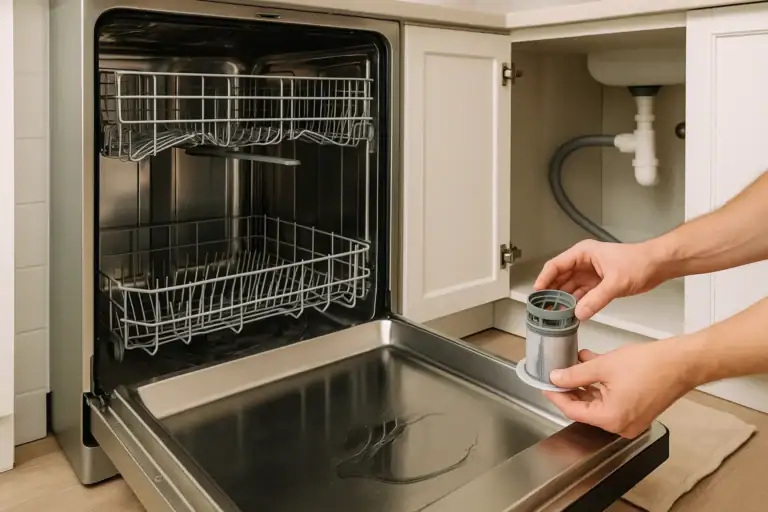 Dishwasher Not Draining: Step‑by‑Step Fix Guide
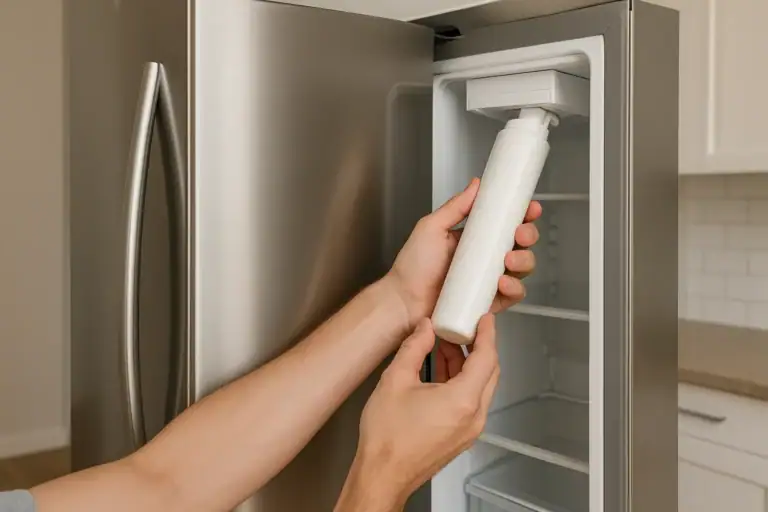 How to Safely Remove a Stuck Refrigerator Water Filter