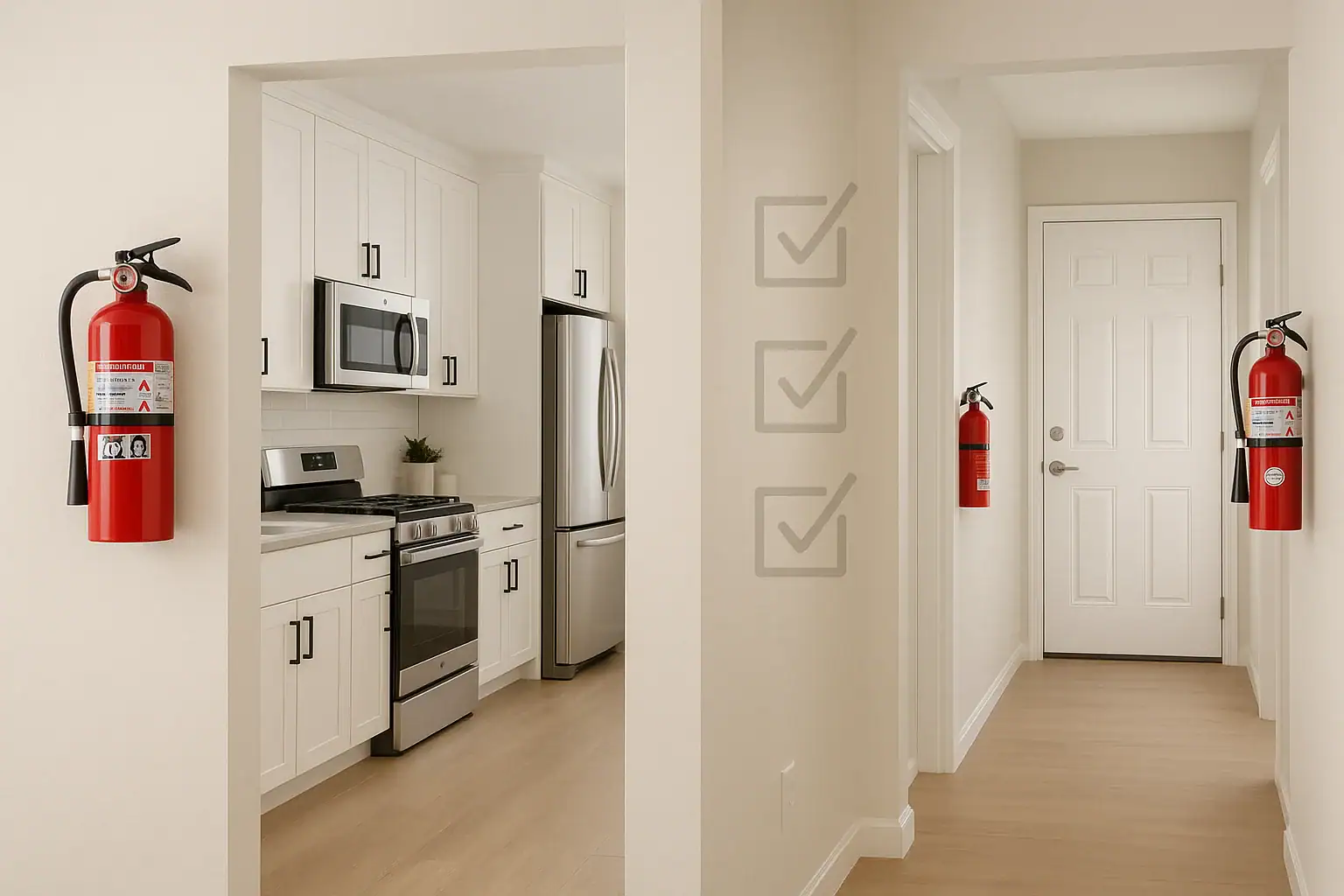
Having a fire extinguisher at home is one of the simplest and most effective ways to prepare for a small fire. But simply owning one is not enough. To truly protect your household, you need the right number of extinguishers, in the right locations, in good working order, and everyone in the home must know how and when to use them. This checklist-style guide walks you step by step through smart placement, basic maintenance, and safe use so you can feel confident your home is ready if a fire ever starts.
Use this guide as a regular reference. Walk through your home, compare what you have to each checklist section, and make adjustments as needed. A few minutes of planning and upkeep now can make a major difference in an emergency.
1. Basic Fire Extinguisher Essentials
Before you decide where to place extinguishers, it helps to understand a few basics about types, sizes, and ratings. This will make your placement and maintenance decisions more effective.
1.1 Know the common fire classes
Most household fire extinguishers are labeled for multiple fire classes. Check the label on the front of your extinguisher for letters like A, B, C, or K.
- Class A: Ordinary combustibles such as wood, paper, cloth, and some plastics.
- Class B: Flammable liquids such as gasoline, oil, grease, and some solvents.
- Class C: Energized electrical equipment such as wiring, outlets, and appliances.
- Class K: Cooking oils and fats, typically in larger or commercial-style kitchens.
For most homes, a multi-purpose dry chemical extinguisher rated for Class A, B, and C fires is a practical choice. Some households may also choose a specialized unit for the kitchen.
1.2 Understand the rating numbers
Household extinguishers have numbers before the letters, such as 2-A:10-B:C. In simple terms, higher numbers mean more firefighting power and a longer discharge time. For most single-family homes, common sizes between 2.5 and 5 pounds are manageable and effective when used correctly.
1.3 General checklist: what every home should have
- At least one multi-purpose extinguisher on each level of the home.
- An extinguisher easily accessible near the kitchen.
- Extinguishers near sleeping areas and exits.
- Units that are easy for adults in the home to lift and operate.
- Clear instructions posted or practiced so everyone knows how to use them.
2. Placement Checklist: Where to Put Fire Extinguishers
Correct placement is just as important as having the right type of extinguisher. You should be able to reach an extinguisher quickly without moving toward the fire or into a dangerous area.
2.1 General placement rules
- Mount where visible and easy to reach. Avoid hiding extinguishers in closets or behind furniture.
- Place near exits, not deep inside rooms. This lets you keep an exit at your back while using the extinguisher.
- Install at the right height. The handle should generally be about 3 to 4 feet above the floor so adults can reach it easily.
- Keep clear space around each extinguisher. Do not block access with furniture, boxes, or decorations.
- Avoid extreme temperatures. Do not place extinguishers where they may freeze or overheat, such as unheated sheds or directly next to heat sources.
2.2 Kitchen placement checklist
The kitchen is one of the most common locations for home fires, so careful placement here is critical.
- Place an extinguisher near the kitchen exit, not right next to the stove or oven.
- Ensure you can reach it without having to pass through flames or heavy smoke.
- Mount it on a wall or inside an easy-access cabinet near the doorway.
- Keep it away from direct heat and steam sources.
- Consider posting a small reminder nearby about never using water on grease fires.
2.3 Living room, family room, and common areas
Living spaces often contain upholstered furniture, electronics, and decorations that can fuel a fire. Use this checklist for common areas:
- Install at least one extinguisher on each level in a central hallway or near a main exit.
- Ensure it is visible from the main traffic path.
- Keep it away from potential impact, such as behind a swinging door.
- Check that everyone in the home knows its exact location.
2.4 Bedrooms and sleeping areas
While you may not need an extinguisher inside every bedroom, you should be able to reach one quickly from any sleeping area.
- Place an extinguisher in a hallway that connects multiple bedrooms.
- Ensure the path from bedrooms to the extinguisher is clear and not blocked by furniture.
- Consider an additional unit in larger homes or where bedrooms are far apart.
2.5 Garage and workshop checklist
Garages and workshops often contain flammable liquids, power tools, and vehicles. Fires here can grow quickly.
- Install at least one extinguisher rated for flammable liquids near the door leading into the house.
- Mount it where it is not likely to be knocked over by vehicles or equipment.
- Keep it away from fuel storage areas and not directly above workbenches where a fire might start.
- Ensure good lighting so you can find it quickly in an emergency.
2.6 Basement, utility areas, and laundry rooms
Basements and utility rooms may contain heating equipment, electrical panels, and laundry appliances.
- Place an extinguisher near the bottom of the stairs or main entrance to the basement.
- Keep it away from furnaces, water heaters, and electrical panels but within easy reach.
- In laundry rooms, avoid placing it directly above the dryer or near heat vents.
2.7 Outdoor areas and outbuildings
Consider fire risks in outdoor spaces as well.
- For decks with grills, keep an extinguisher just inside the nearest door, not next to the grill itself.
- In sheds or detached garages, mount an extinguisher near the entrance.
- Avoid locations where weather exposure could damage the unit.
3. Home Fire Extinguisher Maintenance Checklist
Fire extinguishers must be ready to work at a moment’s notice. Regular maintenance helps ensure they function properly when you need them most. Use this checklist monthly and annually.
3.1 Monthly visual inspection
Set a reminder once a month to quickly inspect each extinguisher in your home. The process usually takes only a few minutes.
- Check accessibility: Confirm the extinguisher is easy to see and reach, with no objects blocking it.
- Inspect the pressure gauge: The needle should be in the green zone. If it is in the red, the unit may need service or replacement.
- Look for damage: Check for dents, rust, cracks, or signs of leakage around the nozzle or handle.
- Verify the safety seal and pin: Make sure the tamper seal is intact and the pull pin is secure.
- Check the label: Ensure the instructions are readable and facing outward.
- Lightly shake or invert if recommended: Some dry chemical extinguishers benefit from a gentle shake to prevent the powder from settling. Follow the instructions on the label.
3.2 Annual maintenance review
Once a year, perform a more thorough review of each extinguisher and your overall setup.
- Confirm each extinguisher is still appropriate for its location and fire risks.
- Review the manufacture date or service tag to see how old the unit is.
- Inspect hoses and nozzles for cracks, clogs, or brittleness.
- Clean dust, grease, or debris from the extinguisher body and label.
- Update your household on extinguisher locations and usage steps.
3.3 When to recharge or replace an extinguisher
Not every extinguisher is designed to be recharged. Many small home units are disposable, while others can be serviced and refilled. Check the label or user instructions for details.
Use this checklist to decide when to replace or service a unit:
- The pressure gauge is in the red or does not move when gently tapped.
- The extinguisher has been partially or fully discharged, even for a test.
- There are visible signs of damage, corrosion, or leakage.
- The hose or nozzle is cracked, blocked, or missing.
- The instructions are unreadable or the label is badly worn.
- The unit is past the recommended service life based on the manufacturer’s guidance.
If you are unsure whether a unit can be safely used, it is usually safer to replace it with a new, properly rated extinguisher.
4. How to Use a Fire Extinguisher Safely
Knowing how to use an extinguisher is just as important as having one. Before attempting to fight any fire, always prioritize safety and a clear escape route.
4.1 Safety checklist before using an extinguisher
- The fire is small and contained, such as in a wastebasket or on a stovetop.
- You have a clear path to an exit and are not trapped.
- Smoke is not too thick, and you can breathe without difficulty.
- You have already called emergency services or someone else has.
- You feel comfortable and confident using the extinguisher.
If any of these conditions are not met, focus on getting everyone out safely and closing doors behind you to slow the spread of fire.
4.2 Remember the PASS method
Most home fire extinguishers operate in a similar way. A simple way to remember the steps is the PASS method:
- P – Pull the pin: This breaks the tamper seal and allows you to discharge the extinguisher.
- A – Aim low: Point the nozzle or hose at the base of the fire, not at the flames.
- S – Squeeze the handle: Apply steady pressure to release the extinguishing agent.
- S – Sweep side to side: Move the nozzle from side to side at the base of the fire until it appears to be out.
After the fire looks out, watch the area closely. Small fires can reignite, especially if the source of heat or fuel remains.
5. Integrating Extinguishers Into Your Overall Home Safety Plan
Fire extinguishers are one part of a broader home safety strategy. They work best when combined with alarms, escape planning, and regular safety habits.
5.1 Coordinate with smoke and carbon monoxide alarms
- Test alarms at least once a month and replace batteries as recommended.
- Install alarms on every level of your home, inside bedrooms and outside sleeping areas.
- Make sure alarms are loud enough to wake sleeping family members.
5.2 Create and practice a home fire escape plan
Even with extinguishers, your first priority in a fire is getting everyone out safely. A simple plan can save valuable time.
- Identify two ways out of every room, if possible.
- Choose a safe meeting place outside and away from the home.
- Practice the plan with all household members, including children.
- Emphasize that once outside, no one should go back in for belongings.
5.3 Teach everyone in the home about extinguishers
- Show family members where each extinguisher is located.
- Review the PASS method regularly.
- Explain when to use an extinguisher and when to evacuate instead.
- Discuss special cautions, such as never using water on grease or electrical fires.
6. Quick Reference: Fire Extinguisher Home Checklist
Use this condensed checklist as a quick reference when you walk through your home. Consider printing it and keeping it with your household records.
6.1 Placement summary
- At least one extinguisher on every level of the home.
- One near the kitchen exit, not next to the stove.
- Units near sleeping areas and main exits.
- An extinguisher in the garage and any workshop areas.
- Extinguishers near basement or utility room entrances.
- Clear, visible, and unobstructed mounting locations.
6.2 Maintenance summary
- Monthly visual inspection of gauge, seal, and overall condition.
- Annual review of location, age, and suitability.
- Immediate replacement or service if discharged, damaged, or under-pressurized.
- Keep labels clean and readable.
6.3 Safety and training summary
- Use only on small, contained fires with a clear escape route.
- Call emergency services before or while using an extinguisher.
- Remember the PASS method: Pull, Aim, Squeeze, Sweep.
- Practice your home escape plan at least once a year.
By following this practical checklist for fire extinguisher placement and maintenance at home, you greatly improve your ability to respond quickly and safely to a small fire. Regular checks, thoughtful placement, and simple training for everyone in the household can turn a potentially serious situation into one you can manage more effectively, giving you valuable time to protect your family and your home.
For more ways to strengthen your home safety and smart living setup, explore additional resources at Signature Home Guide.
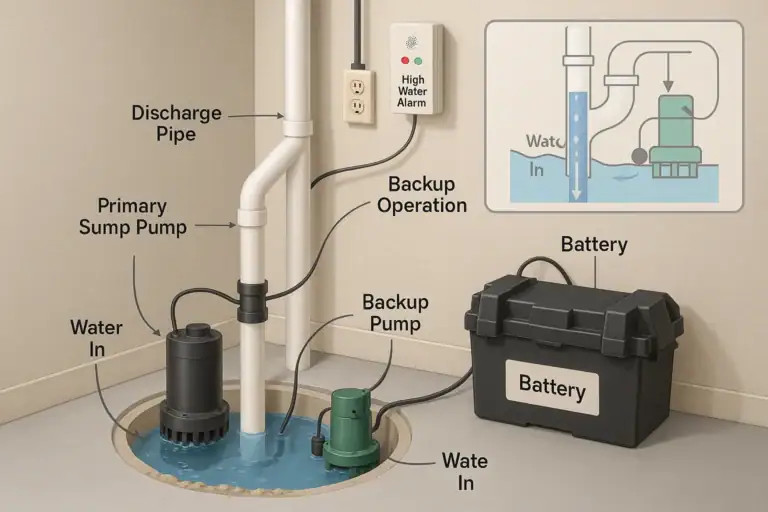 Sump Pump Alarm and Battery Backup Basics: A Practical Homeowner Guide
 Security Camera Placement Without Blind Spots: A Practical Homeowner’s Guide
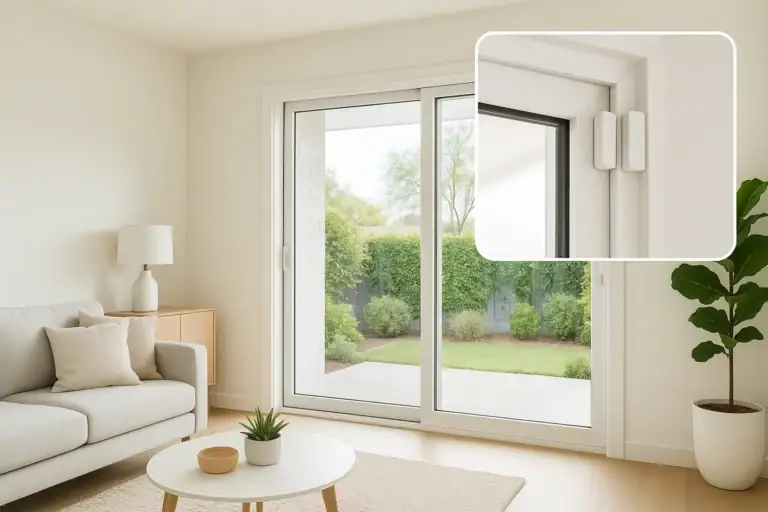 Door and Window Sensor Placement for Sliding Doors: A Practical Checklist