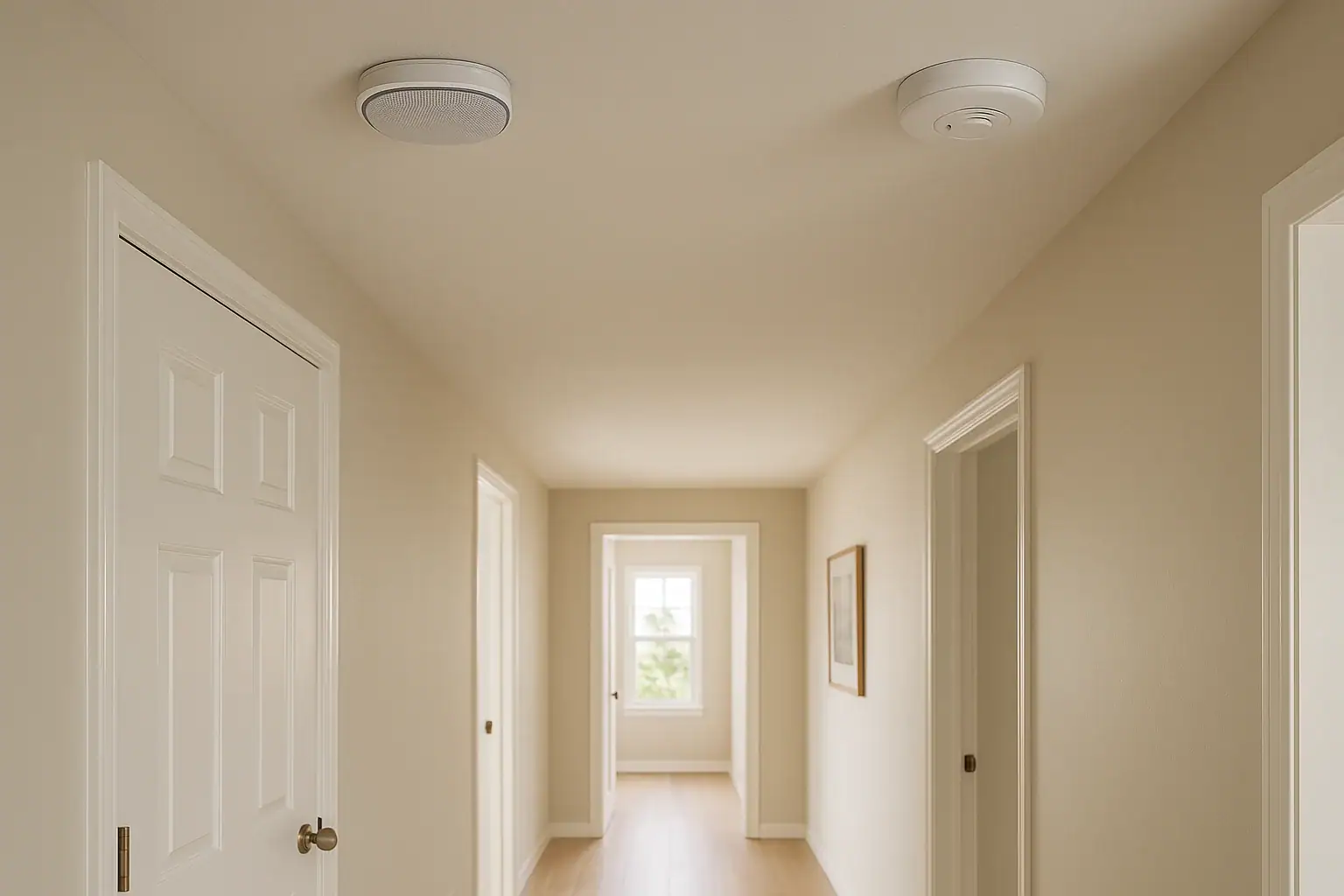
Choosing between a smart smoke alarm and a standard smoke alarm is more important than it might seem at first glance. Both types are designed to warn you about smoke and fire, but they work in very different ways and offer very different levels of protection and convenience. With connected devices becoming more common in homes across the United States, many people are wondering whether upgrading to a smart alarm is really worth it, or if a traditional battery-operated model is enough.
This guide explains the key differences between smart and standard smoke alarms, how each type works, what features matter most, and how to decide which option fits your home, lifestyle, and budget. By the end, you will have a clear, practical understanding of what you gain (and what you might give up) when you choose one type of alarm over the other.
How Smoke Alarms Work: The Basics
Before comparing smart smoke alarms vs standard smoke alarms, it helps to understand how smoke detection works in general. Most residential smoke alarms in the United States rely on one or both of these technologies:
- Ionization sensors: Better at detecting fast-flaming fires that spread quickly, such as fires from paper or grease.
- Photoelectric sensors: Better at detecting slow, smoldering fires that produce a lot of smoke first, such as from upholstery or wiring.
Some alarms are dual-sensor, combining both technologies for broader coverage. Whether an alarm is smart or standard, it still relies on these basic detection methods. The difference is in how the alarm communicates, how it alerts you, and how easy it is to manage and maintain.
What Is a Standard Smoke Alarm?
A standard smoke alarm is the traditional, stand-alone device most people are familiar with. It is usually battery powered or hardwired into your home’s electrical system with a backup battery.
Key Features of Standard Smoke Alarms
- Local audible alarm: A loud siren sounds when smoke is detected.
- Basic test button: A button on the front lets you test the sound and power.
- Battery indicator chirps: A periodic chirp warns when the battery is low.
- Simple installation: Usually mounted on the ceiling or high on a wall with screws.
Standard alarms do not connect to your phone, do not send alerts when you are away, and usually do not provide much information beyond a loud noise when something is wrong.
Pros of Standard Smoke Alarms
- Lower upfront cost: Typically the least expensive option per unit.
- Easy to find: Widely available in home improvement and hardware stores.
- Simple to operate: No apps, Wi‑Fi, or account setup required.
- Code compliant when properly installed: Meets basic safety requirements when installed and maintained according to local codes.
Cons of Standard Smoke Alarms
- No remote alerts: If a fire starts while you are away, you will not know until someone nearby hears the alarm.
- Easy to ignore low-battery chirps: Many people remove batteries to stop chirping and forget to replace them.
- Limited information: You cannot see which alarm went off or why; you only hear a siren.
- False alarms can be frustrating: Nuisance alarms from cooking or steam may cause people to disable the device.
What Is a Smart Smoke Alarm?
A smart smoke alarm connects to your home Wi‑Fi or a smart home hub and communicates with your phone or other devices. It still detects smoke using ionization, photoelectric, or dual sensors, but it adds a layer of connectivity and intelligence.
Key Features of Smart Smoke Alarms
- Mobile notifications: Sends alerts to your smartphone when smoke or fire is detected, even if you are away.
- App-based control: Lets you test alarms, silence nuisance alarms, and check battery status from an app.
- Voice alerts or spoken messages: Some models can announce which room the alarm is coming from.
- Integration with other smart devices: Can work with smart lights, locks, or security systems to create automated safety routines.
- Self-testing and diagnostics: Many smart alarms run regular self-checks and notify you if something is wrong.
Pros of Smart Smoke Alarms
- Remote awareness: You can receive alerts on your phone if smoke is detected, which is especially helpful when traveling or at work.
- Better maintenance: Apps can show battery levels and sensor status, reducing the risk of dead or disabled alarms.
- More detailed alerts: Some alarms tell you which room is affected and whether it is smoke or another issue.
- Integration with smart home safety: Can trigger lights to turn on, send alerts to family members, or interact with other safety devices.
- Easier to silence nuisance alarms: Many allow you to silence a false alarm from your phone instead of climbing on a chair.
Cons of Smart Smoke Alarms
- Higher upfront cost: Typically more expensive than standard alarms.
- Dependence on Wi‑Fi and power: While alarms still sound locally if Wi‑Fi is out, you may not receive remote alerts.
- More complex setup: Requires app installation, account creation, and network configuration.
- Potential privacy concerns: Any connected device raises questions about data collection and network security.
Smart Smoke Alarm vs Standard Smoke Alarm: Feature Comparison
Both smart and standard smoke alarms can meet basic fire code requirements when installed correctly, but they differ in how they help you respond to emergencies and maintain your system over time.
1. Detection and Reliability
Standard alarms and smart alarms use similar underlying sensors, so detection quality depends more on the specific model and whether you choose ionization, photoelectric, or dual-sensor technology.
- Standard alarms: Reliable as long as batteries are fresh and units are not disabled.
- Smart alarms: Comparable detection, but with added self-testing and status alerts that can improve long-term reliability.
Advantage: Slight edge to smart alarms for ongoing reliability, because they help you stay on top of maintenance.
2. Alerts and Notifications
- Standard alarms: Only provide a local siren. If no one is home or able to hear it, the alert is effectively lost.
- Smart alarms: Send push notifications to your phone and sometimes to other household members. Some can also send email or integrate with other alert systems.
Advantage: Smart alarms, especially for people who travel, work outside the home, or own rental or vacation properties.
3. Ease of Use and Nuisance Alarms
Nuisance alarms from cooking smoke or shower steam are a common complaint and a major reason people disable smoke alarms.
- Standard alarms: Often require you to press a button on the device to silence, which can be inconvenient and may lead to removing the battery.
- Smart alarms: Typically allow temporary silencing from a phone app and may use more advanced algorithms to reduce false alarms.
Advantage: Smart alarms, because they make it easier to manage nuisance alarms without compromising safety.
4. Installation and Setup
- Standard alarms: Straightforward installation. Mount the base, attach the alarm, insert batteries, and test.
- Smart alarms: Installation is similar physically, but you also need to connect to Wi‑Fi, download an app, and complete digital setup steps.
Advantage: Standard alarms for simplicity, especially for those uncomfortable with technology.
5. Maintenance and Lifespan Management
Smoke alarms typically need replacement every 8–10 years, depending on the model and local guidelines.
- Standard alarms: Rely on you to remember to test monthly, change batteries, and replace the unit when it reaches end of life.
- Smart alarms: Many track age, run self-tests, and send reminders when batteries are low or the unit is nearing replacement time.
Advantage: Smart alarms, because they reduce the chance of forgetting critical maintenance.
6. Cost and Value
- Standard alarms: Lower cost per unit, which adds up when you need multiple alarms for a larger home.
- Smart alarms: Higher upfront cost, but may provide more value through better maintenance, fewer nuisance alarms, and remote alerts.
Advantage: Depends on your budget and how much you value remote monitoring and convenience. For tight budgets, standard alarms are more accessible. For long-term peace of mind, smart alarms may be worth the investment.
Who Should Choose a Smart Smoke Alarm?
Smart smoke alarms are not necessary for every home, but they can be a strong upgrade for many households. You may benefit most from a smart alarm if you:
- Spend long hours away from home for work or travel frequently
- Own a vacation home, rental property, or separate building such as a workshop
- Already use smart home devices and want integrated safety features
- Prefer app-based control and clear, detailed alerts
- Worry about missing low-battery warnings or forgetting to test alarms
Smart alarms can also be helpful for families with teens, older adults, or housemates. Multiple people can receive alerts, so someone is more likely to respond quickly if there is a problem.
Who Might Prefer Standard Smoke Alarms?
Standard smoke alarms still offer essential protection and may be the better fit if you:
- Have a limited budget and need to install many alarms at once
- Live in a smaller home or apartment where alarms can easily be heard
- Do not want connected devices or apps in your home
- Are comfortable with manual testing and battery replacement
- Do not have reliable home internet service
For many households, a well-placed set of standard alarms, properly maintained, still provides solid protection that meets code and safety recommendations.
Can You Mix Smart and Standard Smoke Alarms?
Yes, many homeowners use a combination of smart and standard smoke alarms. This can be a cost-effective way to upgrade safety without replacing every device at once.
Common Mixed-Setup Strategies
- Smart alarms in key areas: Install smart alarms in high-risk or high-traffic areas, such as the kitchen hallway, main bedroom hallway, and near living spaces.
- Standard alarms elsewhere: Use standard alarms in secondary bedrooms, storage rooms, or less frequently used areas.
- Gradual upgrade: Replace older standard alarms with smart models over time as they reach the end of their lifespan.
When mixing alarm types, make sure you still meet local building codes, which may require a certain number of interconnected alarms, hardwiring in new construction, or specific placement on each level of the home.
Placement and Safety Tips for Any Smoke Alarm
Whether you choose smart or standard alarms, proper placement and maintenance are critical. The best technology cannot help if the device is installed incorrectly or not working.
Recommended Smoke Alarm Placement
- On every level of your home, including the basement
- Inside every bedroom or sleeping area
- Outside each sleeping area, such as in hallways
- Near, but not directly in, the kitchen to reduce nuisance alarms
- At least several inches away from corners and walls, ideally on the ceiling
Maintenance Checklist
- Test alarms monthly using the test button or app.
- Replace batteries at least once a year, or when the device alerts you.
- Vacuum around vents gently to remove dust and debris.
- Replace the entire unit according to the manufacturer’s recommended lifespan.
- Review your family’s fire escape plan at least once a year.
Choosing the Right Smoke Alarm for Your Home
When deciding between a smart smoke alarm vs a standard smoke alarm, consider the following questions:
- Budget: How much can you reasonably invest in alarms for your entire home?
- Lifestyle: Are you often away from home, or is someone almost always there?
- Comfort with technology: Do you enjoy using apps and connected devices, or prefer simple hardware?
- Home size and layout: Will you always hear a standard alarm, or would remote alerts be helpful?
- Future plans: Are you planning to build out a larger smart home system over time?
For many households, a hybrid approach works well: use smart smoke alarms in critical locations where remote alerts matter most, and standard alarms in less critical areas to stay on budget while still meeting safety guidelines.
Whichever option you choose, the most important step is to ensure every level and sleeping area of your home has working smoke alarms, tested regularly and maintained according to recommendations. Technology can enhance your safety, but consistent upkeep is what truly protects your home and family.
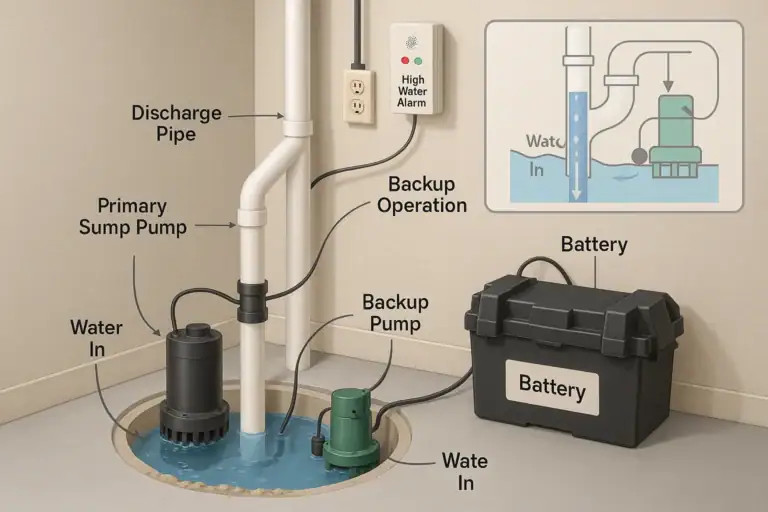 Sump Pump Alarm and Battery Backup Basics: A Practical Homeowner Guide
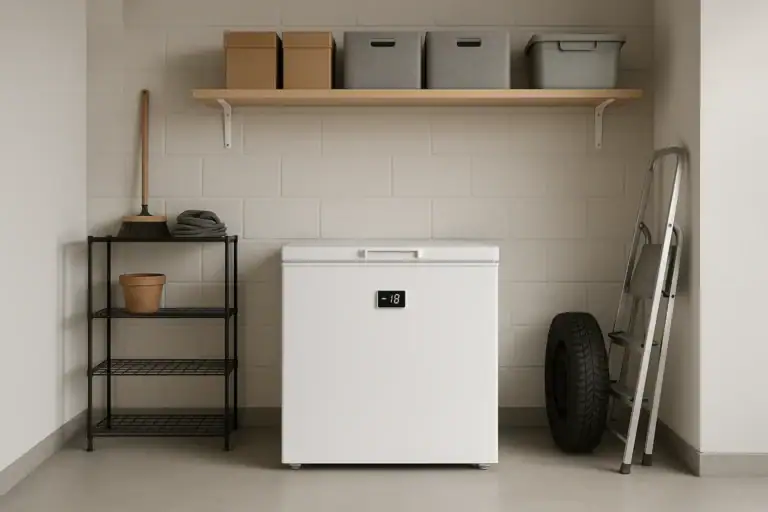 Garage Freezer High Temperature Alarm Guide
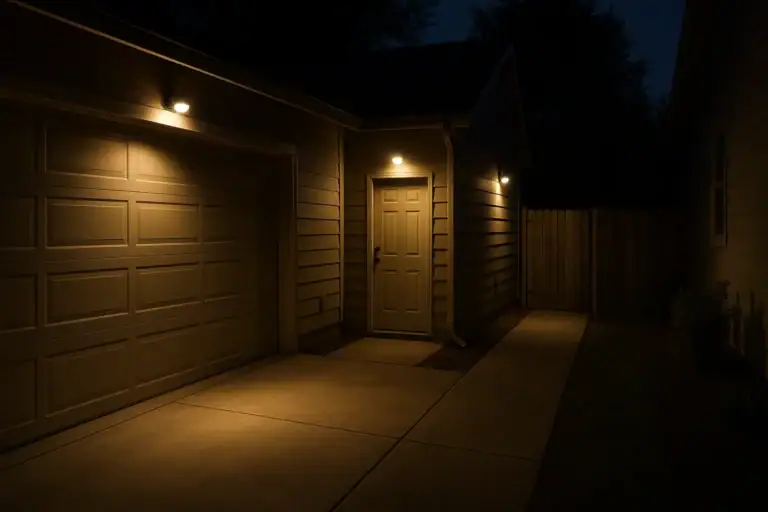 Motion Sensor Light Placement for Driveway and Side Yard: A Practical Checklist