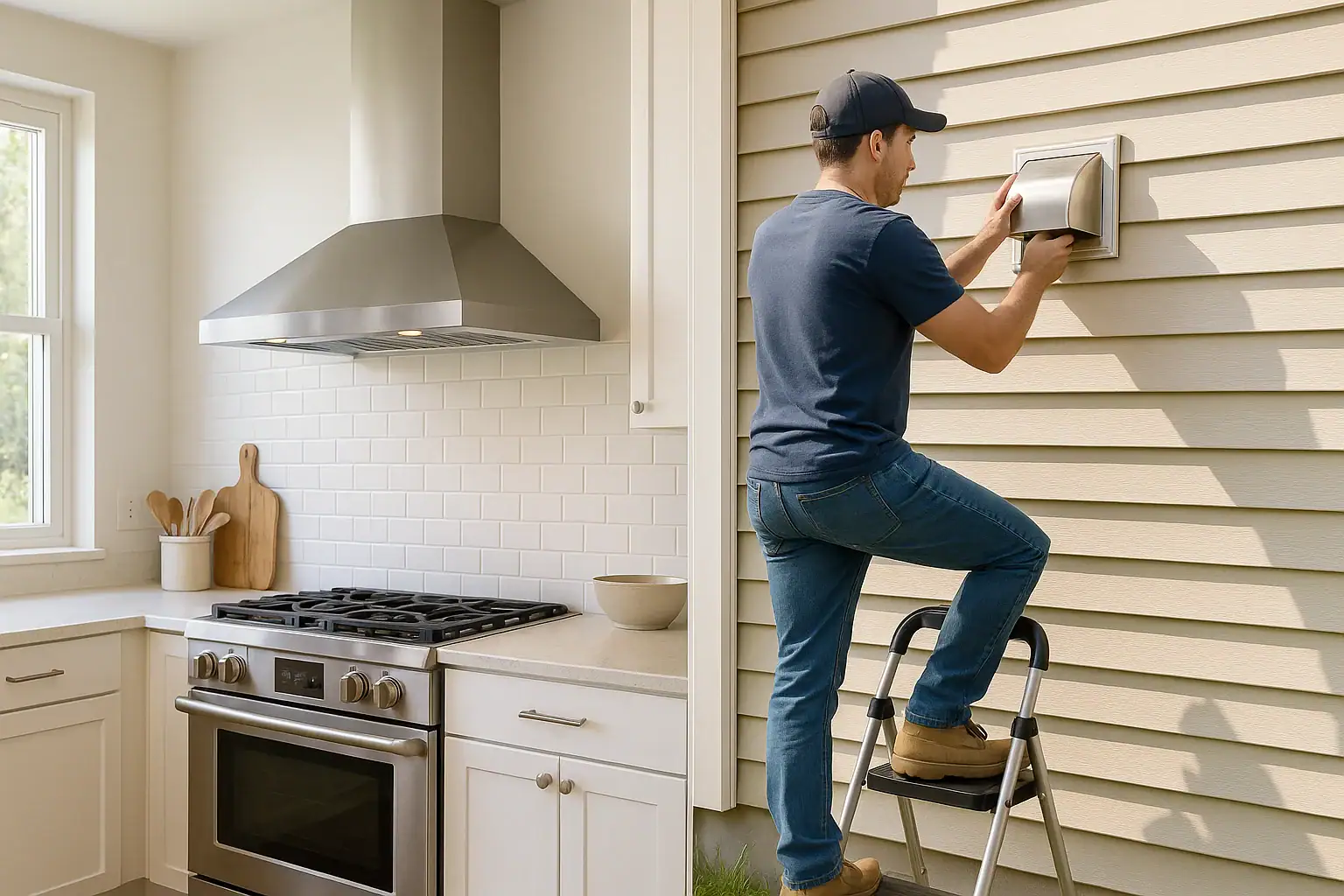
What to do when a range hood backdraft damper is stuck
If your range hood backdraft damper is stuck, you’ll usually notice outside air blowing in, rattling noises, or weak exhaust when the fan runs. In most kitchens, the cause is simple: grease, debris, or a misaligned flap preventing the damper from opening or closing freely.
You can often fix a stuck damper by safely accessing it, cleaning the flap and hinge area, and checking that the duct and cap are not bent or obstructed. If the damper is damaged, replacing the damper assembly or the exterior vent cap is usually the long-term solution.
The steps below walk through basic troubleshooting you can do yourself, plus when it’s better to call a ventilation or HVAC professional.
How a range hood backdraft damper should work
A backdraft damper is a simple one-way door in your range hood duct. When the fan is on, air pressure pushes the flap open so cooking fumes can exit. When the fan is off, the flap should fall or spring closed to limit outside air, pests, and some moisture from coming back in.
Common damper locations:
- Built into the range hood outlet collar (inside the cabinet)
- In-line in the duct run (round or rectangular damper body)
- Integrated into the exterior wall cap or roof cap
Most residential dampers are gravity or spring-loaded metal or plastic flaps. Anything that interferes with that flap moving freely can cause it to stick.
Signs your backdraft damper is stuck
Typical symptoms include:
- Cold drafts or odors from the hood when the fan is off
- Rattling or clanging noises in windy weather
- Weak suction even on high fan speed
- Flap visibly stuck open or closed at the exterior vent cap
- Condensation or moisture stains around the vent area
These issues can also be caused by other duct problems, but the damper is a good first place to check.
Safety and access before you start
Before working around your range hood and ductwork:
- Turn the hood off and let hot surfaces cool.
- Shut off power at the switch or breaker if you’ll be reaching into wiring areas.
- Use a stable step stool or ladder for overhead work.
- Avoid going on the roof unless you are comfortable with ladder and fall safety.
The U.S. Consumer Product Safety Commission home safety guidance is a good reference if you’re unsure about working on ladders or around electrical components.
Step-by-step: Troubleshooting a stuck damper
1. Find where the damper is located
Check your hood’s installation manual if you have it. Otherwise:
- Look up inside the cabinet above the hood for a small flap at the duct connection.
- Inspect the duct run (if exposed) for a round or rectangular damper body.
- Go outside and look at the wall cap or roof cap; many have a visible flap or louvers.
2. Inspect the exterior vent cap
Often the easiest access is from outside:
- With the fan off, look at the flap or louvers. Are they hanging open, stuck closed, or crooked?
- Gently move the flap with your hand or a tool handle. It should swing freely and return to closed.
- Check for leaves, nests, lint, or grease buildup around the flap and screen.
If the flap is stiff or scraping, that’s likely your stuck damper.
3. Clean debris and grease
Grease and outdoor debris are common causes of sticking:
- Brush away loose dirt, cobwebs, and leaves.
- Wipe the flap edges and hinge area with a damp cloth and a mild degreasing dish soap solution.
- Avoid soaking any nearby electrical connections or the wall surface.
- Rinse with a clean damp cloth and dry the area.
Inside, you can also remove the hood filters and look up toward the duct outlet. If you see a built-in damper, gently wipe accessible surfaces without bending the flap.
4. Check for mechanical interference
After cleaning, look for anything physically blocking the flap:
- Bent metal or plastic: A dented duct collar or vent cap can pinch the flap.
- Fasteners: Screws driven too far into the duct can catch the flap edge.
- Paint or sealant: Exterior painting or caulking can glue the flap shut.
Carefully straighten minor bends with pliers or a flat tool. If paint or sealant is bonding the flap, gently score along the edges with a utility knife and free it without cracking the plastic or metal.
5. Test the damper with the fan
Once the flap moves freely by hand:
- Have one person turn the range hood fan on and off.
- Another person watches the damper (inside or outside) to confirm it opens fully on high speed and closes when off.
- Listen for scraping or fluttering that suggests misalignment.
If the flap barely opens even on high, there may be a blockage further in the duct or an undersized duct run.
6. Decide if the damper needs replacement
Replace the damper or vent cap if you see:
- Cracked or broken plastic flaps
- Rust-through or heavy corrosion on metal parts
- Springs that are missing, stretched, or broken
- Flaps that won’t sit straight even after gentle adjustment
Most wall caps and in-line dampers are standard sizes (for example, 6-inch round). Match the new part to the duct size and type. If you’re not comfortable cutting and sealing ductwork, a ventilation or HVAC contractor can handle this step.
When the damper is stuck open vs. stuck closed
If the damper is stuck open
Common effects:
- Cold or hot outdoor air entering the kitchen
- Insects or small pests getting into the duct
- Noise from wind whistling or banging the flap
Short term, you can reduce drafts by improving weatherstripping around nearby windows and doors. Long term, the damper should be repaired or replaced so the hood doesn’t act as an open vent to the outdoors.
If the damper is stuck closed
Common effects:
- Very weak or no exhaust even on high speed
- More cooking odors and moisture lingering in the home
- Fan noise without much air movement
In a tight home, poor kitchen ventilation can contribute to excess humidity and indoor pollutants. The U.S. Environmental Protection Agency explains the role of kitchen exhaust in managing indoor air quality in its guidance on improving indoor air quality. If your damper is stuck closed and you can’t free it easily, it’s worth addressing promptly.
Tips to prevent the damper from sticking again
- Use the hood regularly: Running the fan helps keep the flap moving and less likely to seize.
- Clean filters on schedule: Dirty filters push more grease into the duct and onto the damper. Follow your hood manual or see general kitchen guidance like our Water & Kitchen home care hub.
- Wipe the exterior vent cap a few times a year, especially in areas with heavy pollen or windblown debris.
- Avoid heavy lubricants: Oils can attract dust and grease. If a manufacturer recommends a specific dry lubricant for the hinge, use only a light amount and follow their instructions.
When to call a professional
Consider hiring a qualified contractor if:
- The damper is on a steep roof or in a hard-to-reach location.
- You see signs of water damage, mold, or rot around the vent opening.
- The ductwork is crushed, disconnected, or obviously undersized.
- You suspect backdrafting issues with nearby gas appliances.
For homes with gas ranges or other combustion appliances, the U.S. Department of Energy’s information on residential ventilation can help you understand how exhaust fans and dampers affect airflow. If you ever smell gas or suspect combustion fumes are entering the home, leave the area and contact your gas utility or local emergency services before troubleshooting equipment yourself.
With basic cleaning, inspection, and careful adjustment, many stuck range hood backdraft dampers can be restored to smooth operation, keeping your kitchen more comfortable and your ventilation system working as intended.
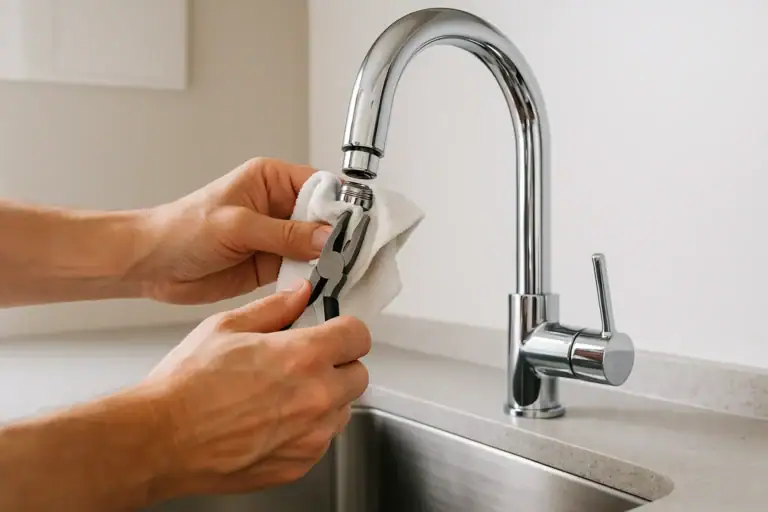 Fixing Low Hot Water Pressure at One Faucet
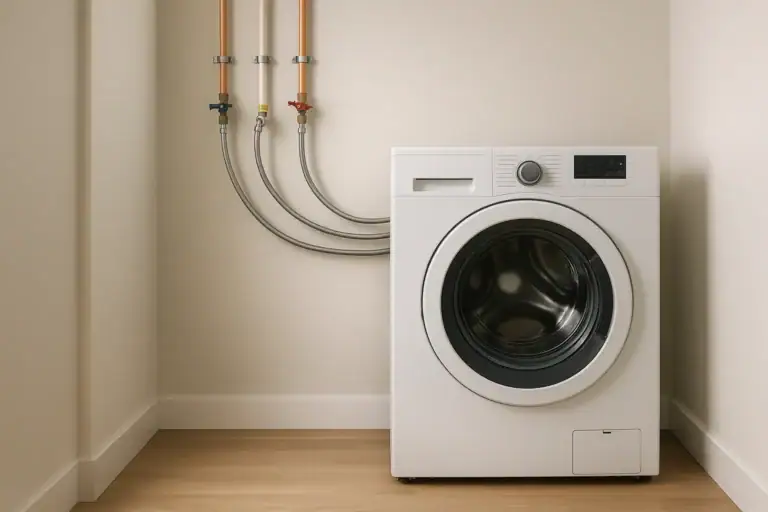 Troubleshooting Water Hammer After a Dishwasher or Washer Cycle
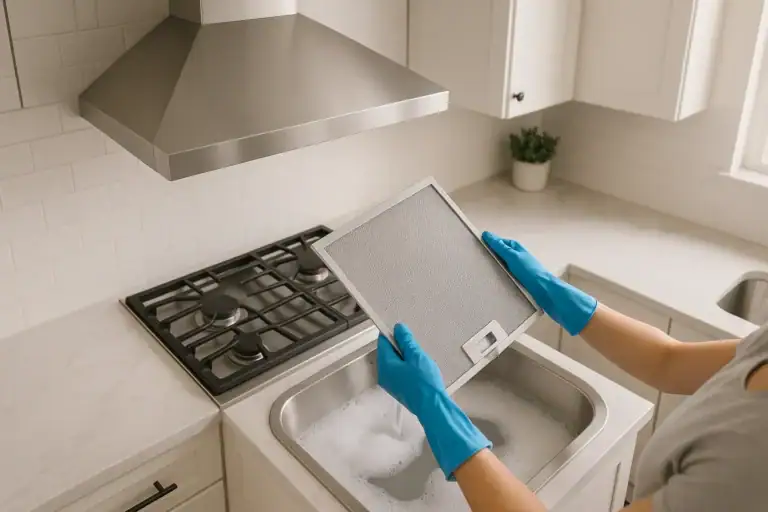 How to Clean Range Hood Filters Without a Greasy Mess