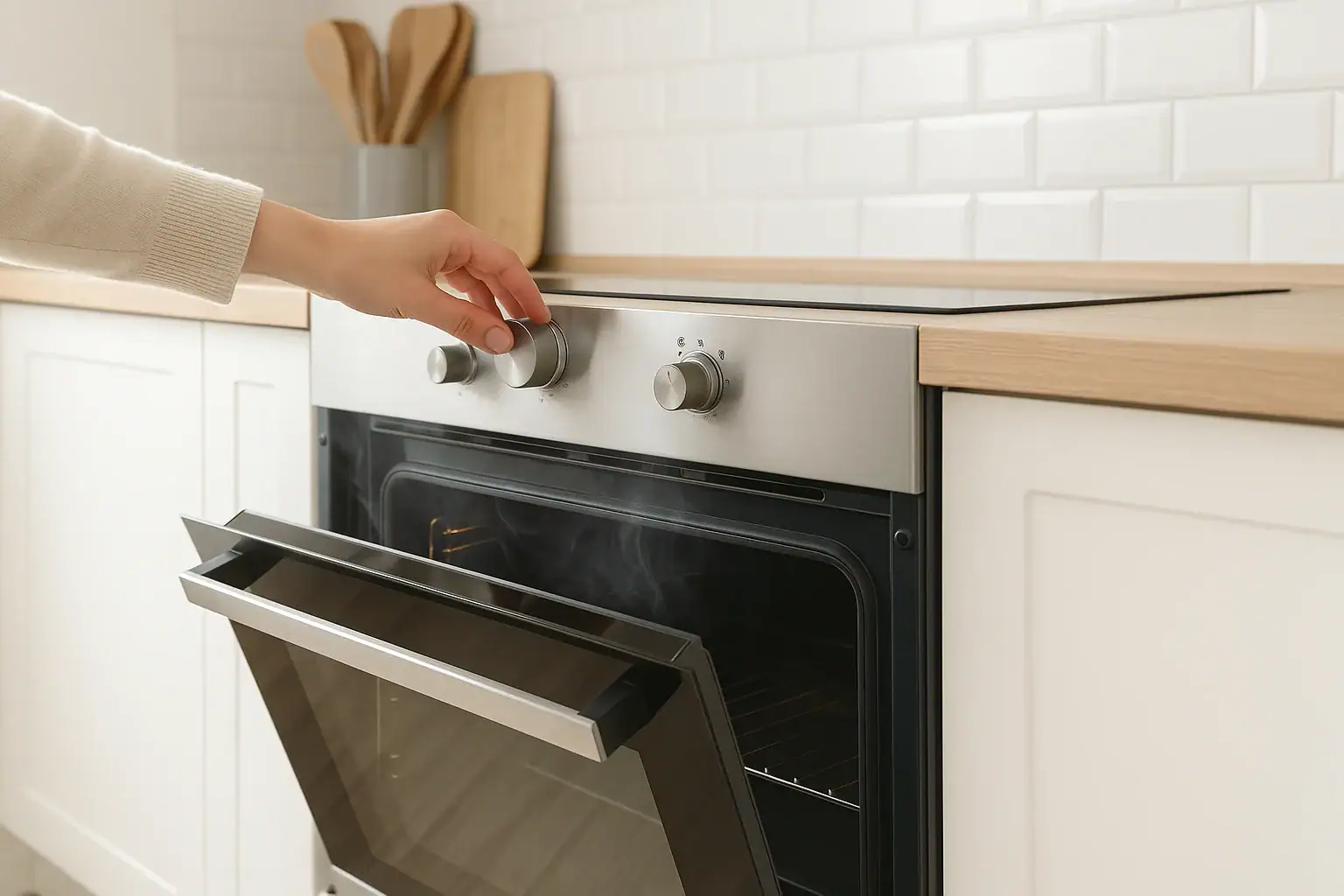
Why your oven smokes during preheat
Most ovens that smoke during preheat are reacting to something inside the cavity, not failing parts. The usual causes are:
- Grease or food spills burning off
- Cleaning product residue heating up
- New-oven oils and coatings curing
- High-fat foods on the wrong rack or pan
- Damaged parts or wiring (less common but more serious)
If the smoke is light, smells like food or cleaner, and stops after a short time, it is often a cleanup issue. If the smoke is heavy, dark, or smells like burning plastic, rubber, or wiring, turn the oven off and unplug it or switch off the breaker. In that case, contact a qualified appliance technician or electrician before using it again.
Step 1: Stay safe and assess the smoke
Before troubleshooting, make sure you are not dealing with a fire or electrical problem.
- Look at the smoke:
- Light white or bluish smoke that smells like food, grease, or cleaner usually points to residue burning off.
- Thick, dark, or gray smoke or a strong chemical or electrical smell is more serious.
- Check for visible flames:
- If you see flames inside, keep the oven door closed to starve the fire of oxygen, turn the oven off, and call your local fire department if it does not go out quickly.
- Do not throw water on a grease fire.
- Ventilate the kitchen:
- Turn on the range hood or exhaust fan and open a window if possible.
- If smoke is heavy or you feel unwell, leave the area and let the space clear.
- Shut off power if you suspect an electrical issue:
- Turn the oven off at the controls.
- If you smell burning plastic or wiring, switch off the circuit breaker or unplug the unit if it is safe to reach.
For fire safety guidance, you can review home cooking fire tips from the National Fire Protection Association. If you ever feel unsure, treat the situation as an emergency and call your local fire department.
Step 2: Identify the most likely cause
Once the oven is safe to approach and cool enough to touch, look for these common sources of smoke.
1. Grease and food spills
This is the most frequent reason an oven smokes during preheat.
- Look for baked-on splatters on the bottom, sides, and door.
- Check under and around the heating elements or gas burner shield.
- Inspect the racks and any trays you leave in the oven.
When the oven heats, leftover grease and food particles can smoke at normal baking temperatures.
2. Cleaning product residue
If you recently cleaned the oven, leftover cleaner can smoke or smell harsh when heated.
- Residue on the enamel, racks, or glass can all contribute.
- Some cleaners are not meant for high-heat surfaces and can leave films that burn off slowly.
3. New oven break-in
A brand-new oven often smokes or smells during the first few uses as protective oils and manufacturing residues burn off.
- This usually produces a noticeable chemical or oily smell but should fade after a few heat cycles.
- Check your owner’s manual for any recommended “burn-in” procedure.
4. High-fat cooking and splatter
Cooking fatty meats or roasting on open pans can cause smoke every time you preheat afterward.
- Drippings that hit hot surfaces or the bottom of the oven will smoke.
- Broiling on high heat with the rack too close to the element can also cause smoking.
5. Damaged components or wiring
Less commonly, smoking can signal a problem with the oven itself.
- Cracked or blistered heating elements
- Melted plastic parts or insulation
- Signs of scorching around vents or control panels
If you see damage, do not keep using the oven. Contact the manufacturer or a qualified technician.
Step 3: Clean out the usual culprits
For most households, a careful cleaning solves repeated smoking during preheat.
Basic manual cleaning
- Turn off power and let the oven cool completely.
- Remove racks and loose parts.
- Take out racks, pizza stones, and trays so you can reach all surfaces.
- Wipe out loose debris.
- Use a dry cloth or paper towel to remove crumbs and loose burnt bits.
- Use a mild cleaner:
- Mix warm water with a small amount of dish soap or baking soda.
- Avoid abrasive pads that can scratch enamel.
- Do not spray liquid directly onto electrical components, fans, or gas openings.
- Scrub baked-on grease.
- Apply a baking soda paste (baking soda plus a little water) to stubborn spots.
- Let it sit for 15–20 minutes, then gently scrub and wipe clean.
- Rinse thoroughly.
- Wipe all cleaned areas with a clean, damp cloth until no cleaner residue remains.
- Dry with a towel to reduce streaks and rust risk on racks.
If you use self-clean mode
Self-clean cycles reach very high temperatures to burn off residue. They can produce smoke and strong odors, especially if there is a lot of grease inside.
- Always follow the manufacturer’s instructions in your manual.
- Remove racks if the manual recommends it.
- Open windows and run the exhaust fan for ventilation.
- If you have respiratory issues or pets and are concerned about fumes, consider staying out of the kitchen during the cycle.
The U.S. Consumer Product Safety Commission offers general guidance on home fire and appliance safety that can be helpful when using high-heat features.
Step 4: Test the oven after cleaning
After cleaning, do a controlled test to see if the smoking has stopped.
- Reassemble the oven.
- Put racks back in and make sure no items are touching the heating elements or gas burner cover.
- Turn on your exhaust fan and open a window.
- Preheat to a moderate temperature (around 350°F).
- Watch and smell:
- A small amount of residual smoke or odor may occur the first time after a deep clean.
- It should lessen quickly and not fill the room.
If the oven still produces heavy smoke or a strong burning smell after a thorough cleaning, stop using it and consider professional service.
Special situations
New oven smoking during preheat
If your oven is new and smokes during the first few preheats:
- Check the manual for a recommended initial burn-in (often heating empty at a set temperature for a period).
- Ventilate the kitchen well during the first few uses.
- Remove any packing materials, zip ties, or plastic film that may have been left inside or on racks.
Light smoke and odor should fade after a few cycles. If it does not, or if you see visible damage, contact the manufacturer.
Gas oven smoking
Gas ovens can smoke for the same reasons as electric models, but you should also pay attention to the flame:
- A steady blue flame with small yellow tips is usually normal.
- Large yellow or orange flames, soot buildup, or a strong gas odor are warning signs.
If you smell gas strongly, leave the area and follow your gas utility’s emergency instructions. The Centers for Disease Control and Prevention provides information on carbon monoxide risks from fuel-burning appliances; proper installation and venting are important for safety.
When to call a professional
Stop using the oven and contact a qualified appliance technician or electrician if:
- Smoke is thick, dark, or smells like burning plastic or wiring
- You see sparks, arcing, or damaged heating elements
- The control panel or door area feels unusually hot or shows scorch marks
- Smoke continues after a thorough cleaning and light test preheat
- You are not comfortable working around electrical or gas connections
For many households, regular cleaning and careful use will prevent most smoking issues. For more practical kitchen and appliance care tips, you can explore the kitchen guides at Signature Home Guide’s Water & Kitchen section.
How to prevent oven smoke in the future
- Wipe up spills promptly: Once the oven is cool, clean up major drips and overflow instead of letting them bake on.
- Use baking sheets and drip pans: Place a tray under casseroles or pies that might bubble over, and under fatty meats that may drip.
- Avoid overfilling pans: Leave space for bubbling so sauces do not spill onto hot surfaces.
- Check rack placement: Keep food far enough from the broiler element to reduce splatter and scorching.
- Schedule light, regular cleanings: A quick wipe-down every few uses is easier and less smoky than waiting for heavy buildup.
With a little maintenance and attention to spills, most ovens can preheat without noticeable smoke or odor, keeping your kitchen more comfortable and your cooking more predictable.
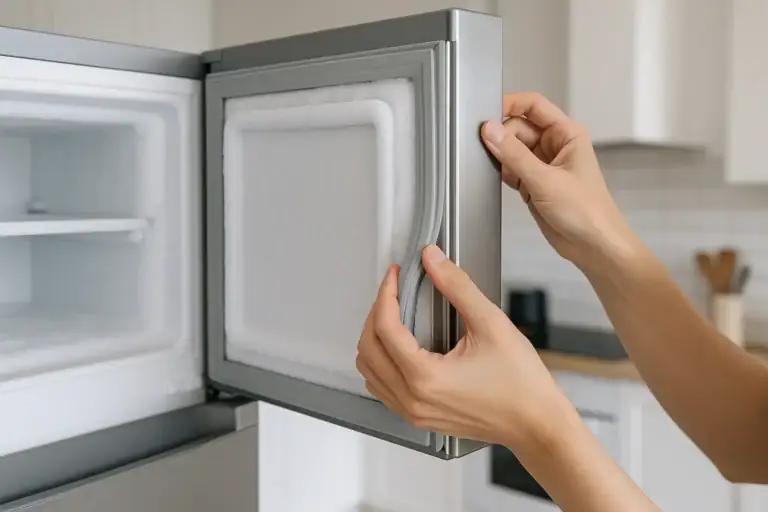 Freezer Frost Around the Door: Simple Fixes and Checks
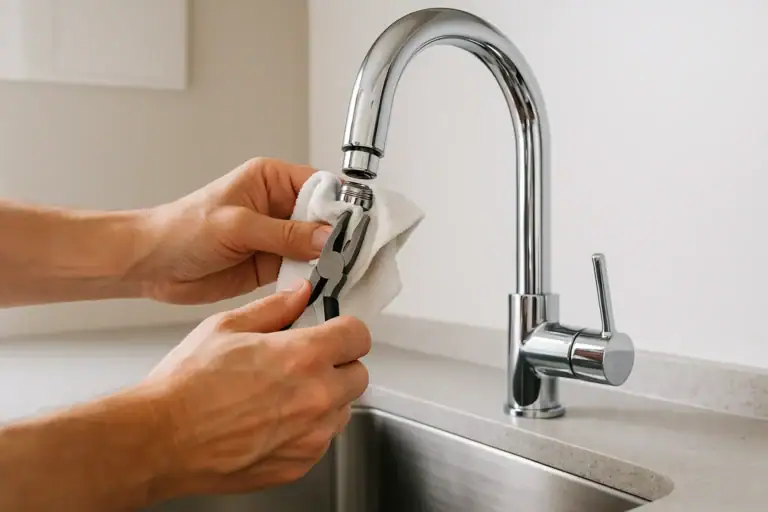 Fixing Low Hot Water Pressure at One Faucet
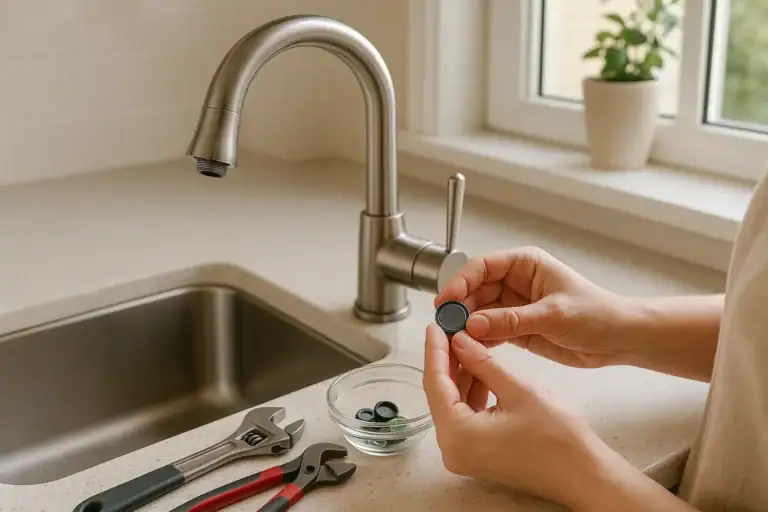 Black Debris From Faucet Aerator: What It Means and How to Fix It