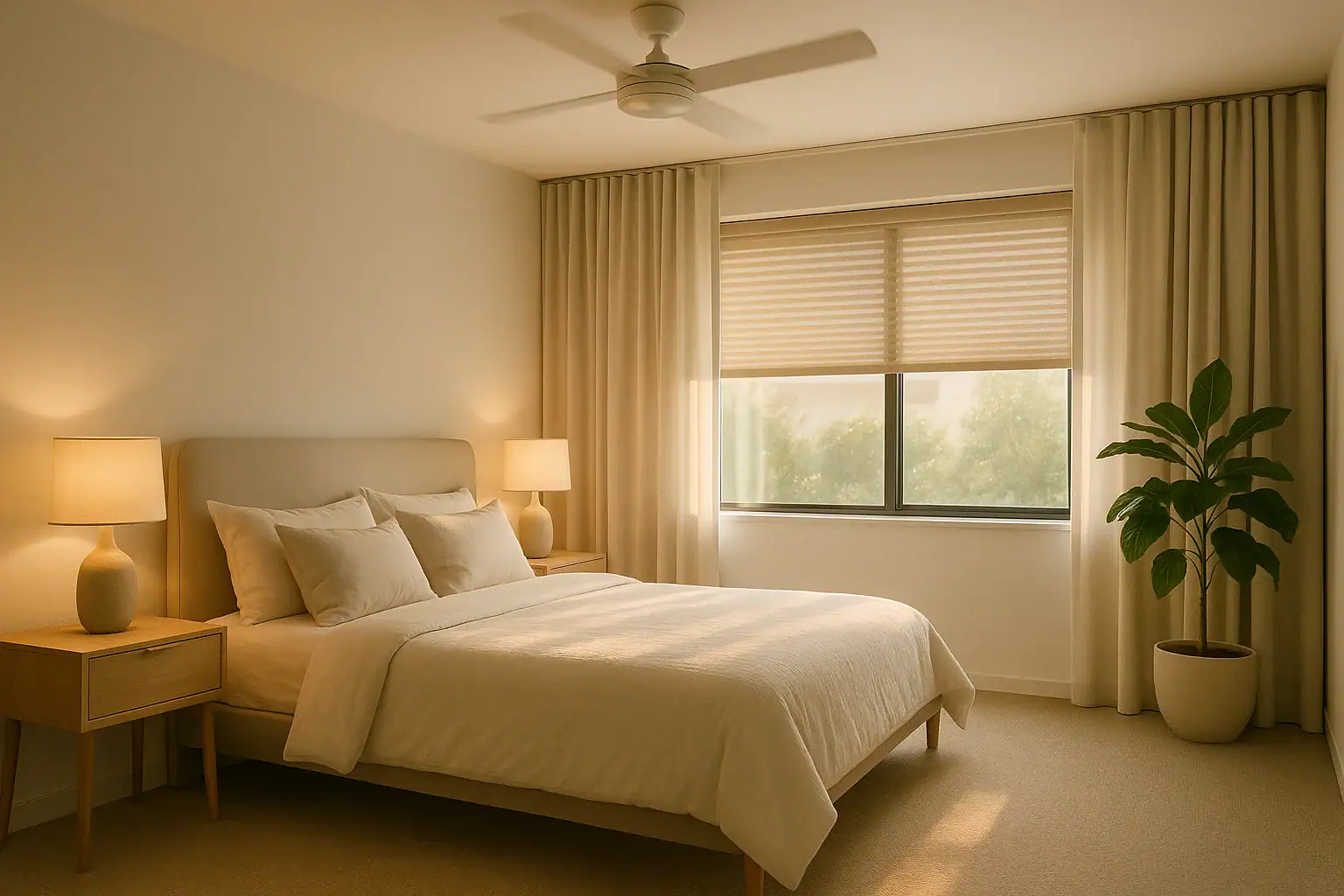
West facing rooms can feel like ovens by late afternoon. As the sun moves across the sky, it hits west facing windows and walls at a low angle, pouring heat directly into the space right when you want to relax after work or help kids with homework. The good news is that you can dramatically reduce this heat buildup with a combination of shading, airflow, insulation, and a few simple daily habits. You do not have to completely remodel your home or rely only on air conditioning. With the right approach, you can make a west facing room noticeably cooler, more comfortable, and more energy efficient.
This guide walks you step by step through how to cool a west facing room in the afternoon. You will learn how to block heat before it enters, how to move hot air out and cool air in, and how to fine-tune your window coverings, fans, and thermostat. You can mix and match these ideas based on your budget, whether you rent or own, and how hot your climate is.
Why West Facing Rooms Get So Hot
Understanding the problem makes it easier to fix. West facing rooms heat up for a few main reasons:
- Low angle afternoon sun: Late in the day, the sun shines almost directly into west facing windows, increasing glare and heat gain.
- Solar heat gain through glass: Sunlight passes through glass, hits surfaces inside, and turns into heat that gets trapped.
- Heat stored in walls and roof: Exterior walls and roofing absorb heat all day and release it into the room later, especially in the evening.
- Poor airflow: Many rooms have limited cross ventilation, so hot air lingers instead of moving out.
The most effective strategy is to stop as much heat as possible from entering the room, then help any remaining heat escape quickly.
Step 1: Block the Sun Before It Hits the Glass
The closer you stop the sun to the outside of your home, the better. Exterior shading can make a bigger difference than anything you do inside.
Use Exterior Shade Solutions
Consider these options to shade west facing windows from the outside:
- Fixed or adjustable awnings: A properly sized awning can block high and low angle sun while still allowing light in from above.
- Exterior shutters or shades: Solid or slatted options can reduce solar gain and also provide privacy.
- Pergolas and trellises: Structures with slats or climbing plants can filter harsh afternoon light before it reaches the window.
- Shade sails: Fabric shade sails anchored to posts or walls can be angled to block direct afternoon sun.
If you rent or need a lower commitment solution, removable exterior shades or tensioned fabric panels can still help without major changes to the building.
Plant Strategic Landscaping
Landscaping can provide long term, natural cooling:
- Trees on the west side: Deciduous trees can block summer sun while allowing winter sun to pass through when leaves fall.
- Tall shrubs or hedges: Planted a few feet away from the wall, they can shade lower windows and reduce reflected heat.
- Vines on trellises: Fast growing vines on a freestanding trellis can create a living shade screen for west facing glass.
When planning landscaping, keep local building codes, property lines, and any underground utilities in mind. Choose species that fit your climate and water availability.
Step 2: Upgrade Window Coverings for Heat Control
Even with exterior shading, interior window treatments play a major role in keeping a west facing room cooler in the afternoon.
Choose Heat-Reducing Window Coverings
Look for options designed to reflect or trap heat:
- Light-colored blinds or shades: Light colors reflect more sunlight back out, reducing heat buildup.
- Cellular or honeycomb shades: Their air pockets add insulation, helping keep hot air away from the room.
- Thermal curtains or drapes: Heavier fabrics with insulated linings can cut down on heat transfer.
- Layered treatments: Combining blinds with curtains can improve both light control and insulation.
Use Window Coverings at the Right Time
Timing matters as much as the product you choose:
- Close shades before the room heats up: Do this late morning or early afternoon, not after the sun is already pouring in.
- Adjust slats to reflect light: Angle blinds so they bounce light up toward the ceiling instead of directly into the room.
- Open at night and early morning: When outside air is cooler, open coverings to let heat escape through the glass.
For many households, simply closing west facing blinds or curtains by early afternoon can noticeably reduce late day temperature spikes.
Step 3: Improve Airflow and Ventilation
Even with good shading, some heat will still get in. Moving hot air out and bringing cooler air in is essential for comfort.
Use Fans Strategically
Fans do not actually lower the air temperature, but they make you feel cooler and help move hot air out of the room.
- Ceiling fans: In warm months, set them to spin counterclockwise to push air downward and create a cooling breeze.
- Box or pedestal fans: Place a fan near a window in the evening to pull cooler air in or push hot air out, depending on outside conditions.
- Doorway fans: A small fan in the doorway can help move cooler air from a hallway or shaded room into the west facing space.
Position fans so they create a path for air to travel across the room, not just blow in one spot.
Create Cross Ventilation
Cross ventilation uses openings on opposite sides of a space to move air through the room:
- Open a window or vent on the cooler side of the home, such as the north or east side.
- Open the west facing window slightly and use a fan to draw cooler air across the room.
- If possible, open a higher window or vent to allow hot air, which rises, to escape.
Cross ventilation works best in the evening and at night when outdoor temperatures drop below indoor temperatures.
Use Your HVAC System Wisely
If you have central air or a ductless system, small adjustments can help a west facing room without overcooling the rest of the home:
- Check supply and return vents: Make sure vents in the west facing room are open and not blocked by furniture or rugs.
- Balance airflow: Slightly closing vents in cooler rooms can direct more conditioned air toward the hotter west facing space.
- Use a programmable thermostat: Set it to start cooling a bit before the hottest part of the afternoon so the room does not get a head start on heating up.
Regularly replace or clean filters so your system can move air efficiently throughout the home.
Step 4: Reduce Heat Gain from Inside the Room
Not all heat comes from outside. Everyday activities and devices also add warmth, especially in a smaller room.
Limit Heat-Producing Activities in the Afternoon
Try to avoid or reschedule activities that generate heat in or near the west facing room:
- Cooking: Use outdoor grills, slow cookers, or cook earlier in the day when possible.
- Laundry and dishwashing: Run machines in the morning or evening instead of peak afternoon hours.
- Hot water use: Long hot showers can raise humidity and temperature nearby.
Cut Down on Electronics Heat
Electronics and lighting can add several degrees to a room over the course of an afternoon:
- Turn off unused devices: Shut down computers, game systems, and televisions when not in use.
- Use efficient lighting: Replace older bulbs with efficient options that emit less heat.
- Move heat sources: If possible, relocate printers, chargers, and other warm devices away from the west facing room.
Small changes in device use can make a noticeable difference, especially in home offices or media rooms.
Step 5: Improve Insulation and Window Performance
Better insulation and window performance help keep heat out in summer and in during winter, improving comfort year round.
Seal Air Leaks Around Windows and Doors
Gaps around windows and doors allow hot air to sneak in and cool air to escape. To reduce this:
- Use weatherstripping around movable parts of windows and doors.
- Apply caulk around window and door frames where you see cracks or gaps.
- Add door sweeps to the bottom of doors leading to hot outdoor areas or garages.
These are relatively low cost projects that many homeowners and renters can handle with basic tools.
Consider Window Film or Upgraded Glass
If you own your home or have permission to make changes, window improvements can substantially cut heat gain:
- Reflective or tinted window film: Applied directly to the glass, it can reduce glare and solar heat entering the room.
- Insulating window inserts: Removable panels that add an extra layer of insulation and air sealing.
- Upgraded windows: Double or triple pane windows with low emissivity coatings can significantly reduce heat transfer.
For many households, starting with window film or inserts on west facing windows offers a good balance of cost and benefit.
Check Wall and Attic Insulation
In some homes, west facing walls and nearby attic spaces are underinsulated. If you notice the wall feels hot to the touch in late afternoon, additional insulation may help. Options include:
- Blown-in insulation in wall cavities, where accessible.
- Adding insulation to the attic above the west facing room.
- Using radiant barriers in the attic to reflect heat away from the living space.
These projects are more involved but can improve comfort in multiple rooms, not just the west facing one.
Step 6: Adjust Daily Habits for a Cooler Room
Consistent daily habits can help you get the most out of the physical improvements you make.
Follow a Simple Daily Cooling Routine
Use this sample routine as a starting point and adjust for your climate and schedule:
- Morning: Open windows and blinds in the west facing room if the outside air is cooler than indoors. Let fresh air flow through.
- Late morning: Close west facing blinds or curtains before the sun shifts to that side of the house.
- Early afternoon: Keep interior doors open to allow air movement, and limit heat producing activities near the room.
- Late afternoon: Use fans to improve comfort, and check that vents are unblocked.
- Evening: When outdoor temperatures drop, open windows again and use fans to pull in cooler air and exhaust hot air.
Dress the Room for the Season
Just as you change your clothing with the seasons, adjust your room setup:
- Use lighter bedding and breathable fabrics in summer.
- Choose lighter colored rugs and decor that reflect light rather than absorb it.
- Rearrange furniture so seating is away from the hottest windows and walls.
These changes can make the room feel more comfortable even if the actual temperature only changes slightly.
Low, Medium, and Higher Budget Solutions
Cooling a west facing room in the afternoon does not have to be expensive. Here is how to prioritize based on your budget and whether you rent or own.
Lower Cost and Renter-Friendly Ideas
- Use light-colored, heat reflecting curtains or blinds.
- Add removable window film designed to reduce heat and glare.
- Use box or pedestal fans to improve airflow and cross ventilation.
- Seal small gaps around windows with removable weatherstripping.
- Follow a consistent routine of closing and opening window coverings.
Moderate Investment Improvements
- Install exterior shade elements such as shade sails or simple awnings.
- Add cellular shades or layered window treatments for better insulation.
- Upgrade to more efficient lighting that produces less heat.
- Improve attic insulation above the west facing room.
Higher Budget and Long-Term Upgrades
- Plant shade trees or larger landscaping features on the west side of the property.
- Install more advanced exterior shading systems.
- Replace older windows with higher performance units designed to reduce solar heat gain.
- Rebalance or upgrade your cooling system to better serve west facing spaces.
If you own your home and plan to stay long term, combining landscaping, exterior shading, and window upgrades can transform how your west facing room feels in summer.
Putting It All Together
Cooling a west facing room in the afternoon is about layering solutions. No single change will fix everything, but several small improvements working together can make a big difference. Start by blocking the sun before it hits the glass, then strengthen your interior window coverings. Improve airflow with fans and ventilation, reduce indoor heat sources, and seal up leaks around windows and doors. Over time, consider insulation and window upgrades, along with thoughtful landscaping on the west side of your home.
By combining these strategies, you can turn a hot, uncomfortable west facing room into a space that stays much cooler through the afternoon and evening, while also reducing energy use and improving overall comfort in your home.
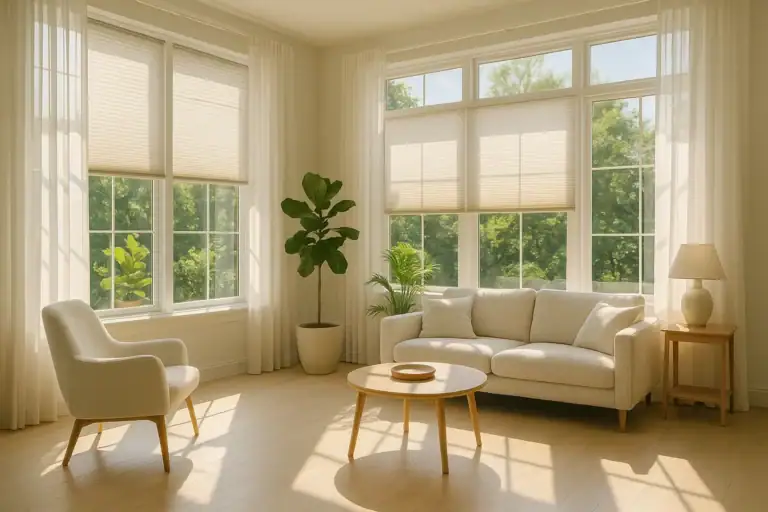 How to Reduce Heat From Sunny Windows Without Blocking Natural Light
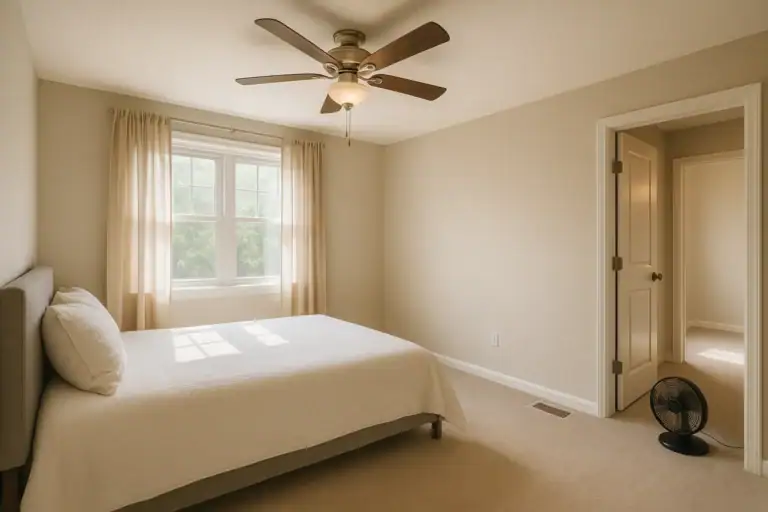 Upstairs Bedroom Too Hot? Practical Airflow Fixes That Actually Help
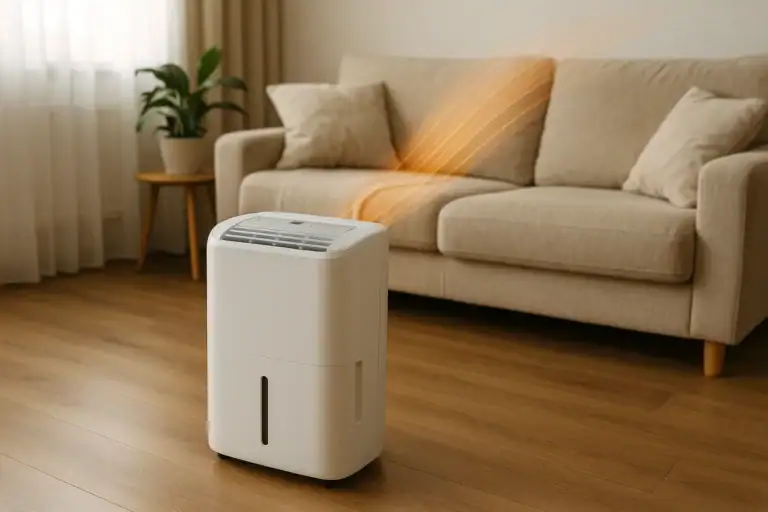 Why Your Dehumidifier Makes the Room Feel Warmer