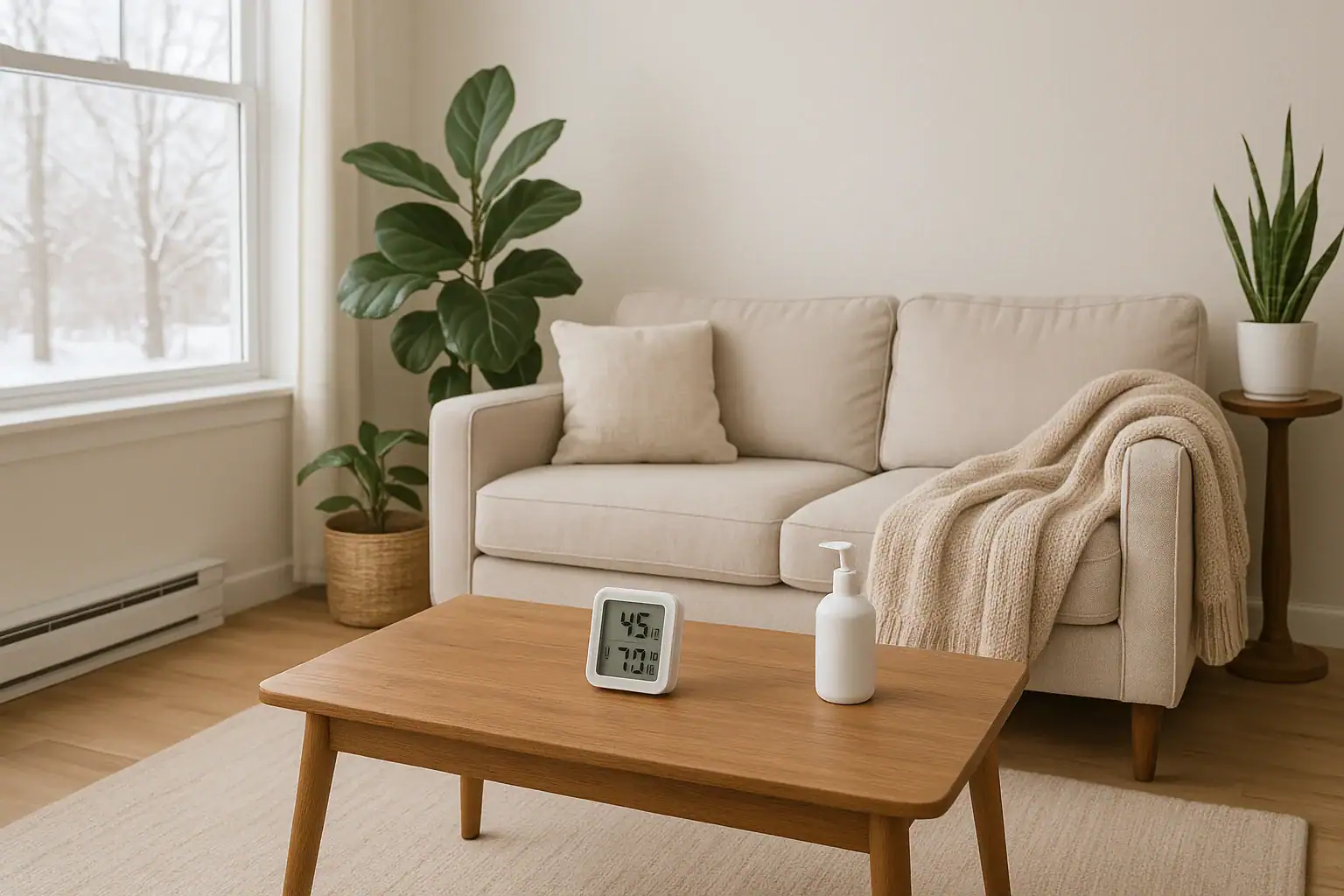
It is frustrating when your skin feels tight, your throat is scratchy, and your lips keep cracking, yet the humidity monitor on the wall says everything is perfectly normal. Many homeowners assume that if the indoor relative humidity is somewhere between 30 and 50 percent, their home should feel comfortable. In reality, comfort is influenced by more than a single number on a display. Temperature, air movement, ventilation, building materials, and even your own habits can make your home feel dry, even when the humidity looks fine on paper.
This troubleshooting guide walks through the most common reasons a home feels dry despite a normal humidity reading, how to tell what is really going on in your space, and practical steps you can take to restore comfort. You will learn how temperature and humidity interact, why your skin and sinuses can feel dry even in balanced air, and what to adjust in your heating, cooling, and daily routines to keep your home feeling better year-round.
Understanding What “Normal Humidity” Really Means
Before troubleshooting, it helps to understand what your humidity reading is actually telling you. Most devices show relative humidity (RH), not the total amount of moisture in the air.
Relative Humidity vs. Actual Moisture
Relative humidity is the percentage of water vapor in the air compared to the maximum amount the air can hold at a specific temperature. Warm air can hold more moisture than cool air. That means the same amount of water in the air can produce very different RH readings depending on temperature.
- At higher temperatures, RH drops even if the actual moisture stays the same.
- At lower temperatures, RH rises even if you did not add any moisture.
This is one reason your home may feel dry: the air might contain relatively little moisture overall, but your device still shows a mid-range RH because of the temperature.
Comfort Range vs. Personal Comfort
Indoor RH between about 30 and 50 percent is often recommended for general comfort and to reduce mold and dust mites. However, some people feel dry at 35 percent while others are comfortable. Factors like age, skin type, health conditions, and medications can change how dry air feels to you personally.
So even if your home is technically in a normal humidity range, it might not be ideal for your body. The goal is to find a range that balances comfort with safety for your home and belongings.
Common Reasons Your Home Feels Dry Despite Normal Humidity
If your humidity monitor shows a normal RH but your home still feels dry, one or more of the following issues is likely at play.
1. Indoor Temperature Is Too High
Warm air feels drier, even at the same relative humidity. In winter, many homes are heated to 72 to 75 degrees Fahrenheit or higher. At those temperatures, moisture evaporates more quickly from your skin and mucous membranes.
For example, 40 percent RH at 68 degrees can feel noticeably more comfortable than 40 percent at 75 degrees. In the warmer room, your skin loses moisture faster, so you feel dry even though the RH number is identical.
What to try:
- Lower your thermostat by 1 to 3 degrees and see if your comfort improves over a day or two.
- Use layers of clothing and blankets instead of overheating the air.
2. Fast Air Movement and Drafts
Moving air increases evaporation from your skin and eyes. Even at a normal humidity level, strong air movement can make you feel dry, similar to how a breeze dries you off quickly after swimming.
Common sources of drying air movement include:
- Ceiling fans running on high speed for long periods
- Furnace or air handler vents blowing directly on seating or beds
- Drafts from leaky windows, doors, or poorly sealed attic hatches
What to try:
- Run ceiling fans on low and use them only when you are in the room.
- Redirect supply vents away from where you sit or sleep.
- Seal obvious drafts with weatherstripping and caulk.
3. Localized Dry Spots vs. Whole-House Readings
Your humidity monitor only measures the air immediately around it. If the device is in a central hallway, it may not reflect what is happening in bedrooms, near heating vents, or next to large windows.
Some areas that commonly feel drier than the rest of the home include:
- Rooms directly above a furnace or mechanical room
- Spaces with large south- or west-facing windows in winter
- Rooms with many electronics and screens that give off heat
What to try:
- Move your humidity monitor to the room where you feel the most dryness and compare readings.
- Consider using more than one inexpensive monitor to check different zones.
4. Inaccurate or Uncalibrated Humidity Monitor
Not all humidity monitors are accurate. Some can be off by 5 to 10 percentage points or more, especially older or cheaper devices. If your home feels dry and your monitor insists everything is normal, the device may be wrong.
Signs your monitor may be inaccurate:
- It always shows the same number, even when the weather changes dramatically.
- Two monitors in the same room show very different readings.
- It has not been replaced or checked in many years.
What to try:
- Compare readings from two different monitors placed side by side for a few hours.
- Check the manual to see if your device can be calibrated or reset.
- If in doubt, replace it with a newer, better-rated model.
5. Low Absolute Humidity in Cold Weather
In winter, outdoor air is often very dry. When that cold air is brought inside and heated, its capacity to hold moisture increases dramatically, but the actual amount of water in the air stays low. Even if your monitor shows a mid-range RH, the total moisture content can still be modest.
This is especially noticeable in regions with long, cold winters. You may feel persistent dryness in your skin, nose, and throat from November through March, even when your RH reading looks acceptable.
What to try:
- Use a humidifier to add moisture gradually, aiming for roughly 35 to 45 percent RH in cold weather.
- Avoid over-humidifying, which can lead to condensation on windows and mold growth.
6. Building Materials and Furnishings Absorbing Moisture
Dry wood, drywall, and some textiles can absorb moisture from the air, especially if your home was previously very dry. When you first raise humidity, these materials may soak up water vapor, leaving the air feeling drier than the reading suggests.
Over time, as materials reach a new balance, the air may start to feel more comfortable at the same RH level.
What to try:
- Introduce humidity slowly over several days rather than making a big jump in one day.
- Monitor for signs of excess moisture, such as condensation on windows or musty smells.
7. Personal and Health Factors
Sometimes the dryness you feel is more about your body than the air. Certain conditions and habits can make you more sensitive to normal humidity levels.
Common contributors include:
- Dehydration from not drinking enough water
- Frequent use of indoor heating without taking breaks outside
- Medications that dry out mucous membranes
- Allergies or sinus conditions
- Extended screen time that reduces blinking and dries the eyes
What to try:
- Increase your water intake and limit dehydrating drinks like alcohol and excessive caffeine.
- Use a gentle moisturizer and lip balm, especially at night.
- Talk with a healthcare provider if you suspect medications or health conditions are involved.
Simple Tests to Diagnose Why Your Home Feels Dry
Instead of guessing, you can run a few quick tests to narrow down the cause of dryness in your home.
Test 1: Temperature and Humidity Check
- Note your current temperature and RH reading in the room where you feel dry.
- Lower the thermostat by 2 degrees and wait about two hours.
- Check how you feel, not just the numbers. Does your skin or throat feel any better?
If a small temperature drop improves comfort, your air may not be too dry; it may just be too warm.
Test 2: Air Movement and Draft Check
- Turn off ceiling fans and any portable fans in the room.
- Close vents that blow directly on you, or redirect them using vent covers.
- Use the back of your hand or a lit incense stick (carefully) to detect drafts near windows and doors.
If you feel less dry after reducing air movement, drafts and high airflow are likely contributors.
Test 3: Multiple Monitor Comparison
- Place two humidity monitors side by side in the same room for at least three hours.
- Compare readings. If they differ by more than 5 percentage points, at least one may be inaccurate.
- Move one monitor to another room to see how much humidity varies throughout your home.
This test helps you understand whether your dryness is localized or more widespread, and whether your devices can be trusted.
Practical Ways to Make Your Home Feel Less Dry
Once you understand why your home feels dry, you can choose solutions that match the root cause instead of relying on guesswork.
Adjust Temperature and Humidity Together
Comfort usually improves when you adjust both temperature and humidity instead of focusing on one alone.
- In winter, aim for about 68 to 72 degrees indoors with RH around 35 to 45 percent.
- In summer, slightly lower humidity (around 40 to 50 percent) often feels comfortable at higher temperatures.
Small changes in both settings can make a big difference in how the air feels on your skin and in your lungs.
Control Air Movement
Use air circulation wisely so you get the benefits of fresh air without the drying effect.
- Run ceiling fans on low or medium, and only when someone is in the room.
- Use oscillating fans instead of a constant direct blast in one spot.
- Seal obvious drafts around windows, doors, and baseboards to reduce cold, dry air intrusion.
Use Humidification Carefully
Adding moisture to the air can help, but more is not always better. Too much humidity can cause condensation on windows, damage wood, and encourage mold.
If you use a humidifier:
- Clean and maintain it regularly to prevent mineral buildup and microbial growth.
- Use distilled or filtered water when possible to reduce white dust.
- Monitor RH with a separate device and avoid going much above 50 percent indoors.
Leverage Everyday Moisture Sources
You can add modest amounts of humidity without special equipment by changing simple habits.
- Air-dry some laundry indoors on a drying rack.
- Leave the bathroom door open after a warm shower to let steam spread, if moisture issues are not a concern.
- Simmer a pot of water with spices on the stove while you are in the kitchen, watching it closely for safety.
- Place a few open bowls of water near heat sources, where evaporation is faster.
These methods will not replace a humidifier in very dry climates, but they can take the edge off mild dryness.
Support Your Body’s Moisture
Even with good indoor air, your body still needs support to stay comfortable.
- Drink water regularly throughout the day, not just when you feel thirsty.
- Use fragrance-free moisturizers after bathing to lock in skin moisture.
- Consider saline nasal sprays or rinses if your sinuses feel dry, after checking with a healthcare provider.
- Take regular breaks from screens and blink fully to reduce eye dryness.
When to Seek Professional Help
Sometimes persistent dryness signals a larger issue with your heating and cooling system or your home’s building envelope.
Signs You May Need an HVAC or Home Energy Professional
- Large temperature or humidity differences between rooms
- Very dry air every winter, even with humidifiers running
- Condensation on windows in some areas while other rooms feel dry
- Frequent nosebleeds, respiratory irritation, or static shocks despite normal RH readings
A professional can test your home for air leaks, check ductwork, and evaluate whether your heating and cooling system is sized and configured properly. In some cases, balancing airflow, sealing leaks, or adding appropriate ventilation can greatly improve comfort.
Bringing It All Together
A home that feels dry even when humidity is normal is usually the result of several small factors working together: warm indoor temperatures, strong air movement, localized dry spots, or even an inaccurate humidity monitor. By understanding how temperature and humidity interact and paying attention to both your devices and your own comfort, you can make targeted adjustments instead of chasing a single number.
Start with simple steps: verify your readings, lower the thermostat slightly, reduce drafts, and support your body’s natural moisture. If dryness continues, consider controlled humidification and, when needed, a professional evaluation of your heating, cooling, and ventilation setup. With a bit of troubleshooting, you can turn a harsh, dry-feeling house into a more comfortable home throughout the year.
 Why Your Bedroom Feels Stuffy Even With the AC On (Troubleshooting Guide)
 Why One Room Feels More Humid Than the Rest of the House
 Does Sleeping With a Fan Cause a Dry Throat? Simple Airflow and Humidity Fixes