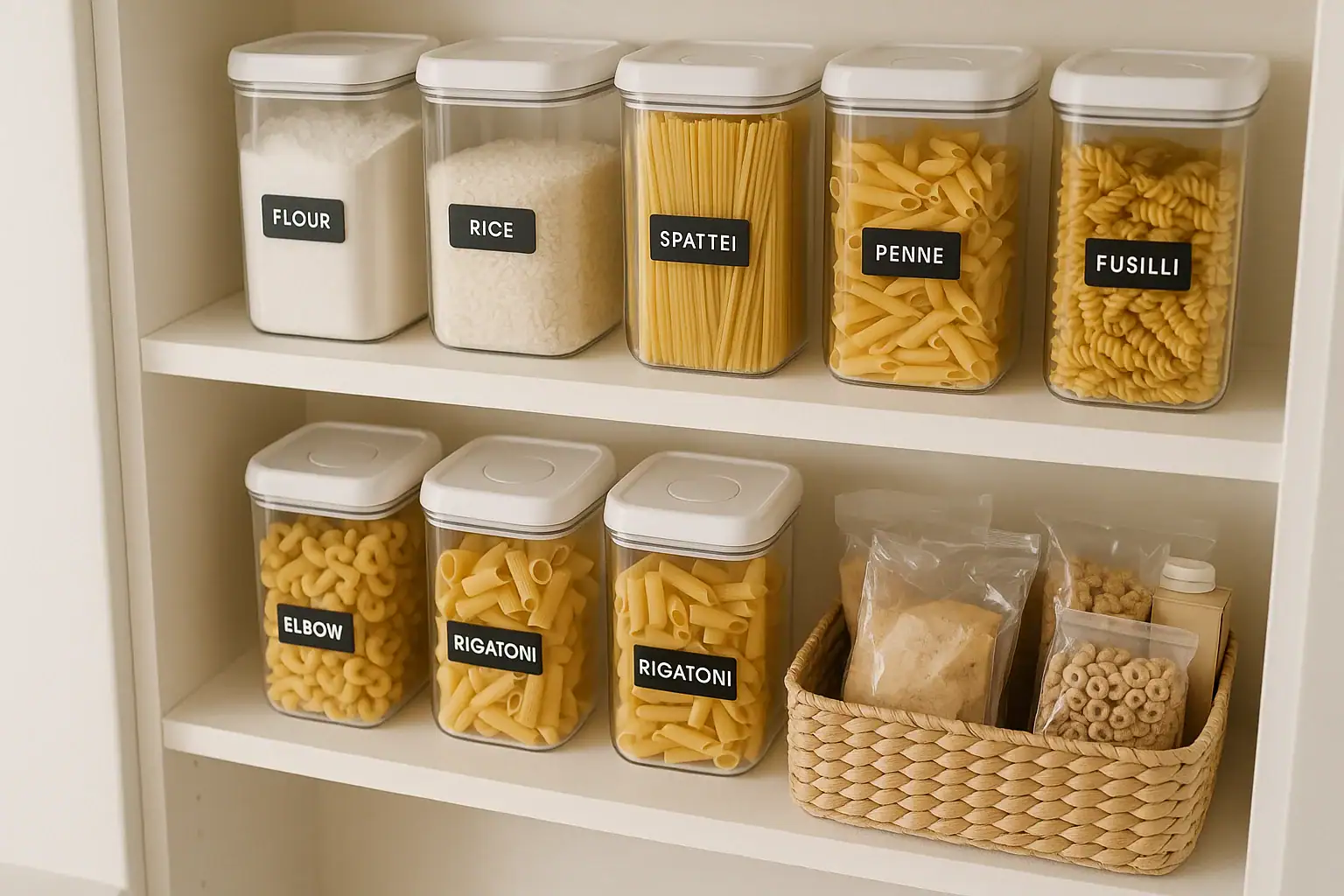
Flour, rice, and pasta are pantry basics in most homes, but they are also some of the first foods to attract pests if they are not stored correctly. Tiny insects can squeeze into thin bags, rodents can chew through soft packaging, and moisture can cause clumping, mold, or off smells. The good news is that a few simple storage habits can keep your dry goods fresh, safe, and pest free for months or even years. This guide walks you through how to store flour, rice, and pasta step by step, what containers to use, where to keep them, and how to spot early signs of trouble before an infestation takes over your pantry.
Whether you buy in bulk or just keep a few bags on hand, the same basic principles apply: protect your food from pests, air, light, moisture, and temperature swings. With a little planning and the right containers, you can keep your pantry organized, reduce food waste, and avoid the frustration of throwing out entire bags of food after discovering unwanted visitors.
Why Flour, Rice, and Pasta Attract Pests
Pantry pests are drawn to dry goods because they are easy to eat, easy to hide in, and often stored for long periods. Common culprits include:
- Weevils and beetles that lay eggs in grains and flour
- Moths that target grain products and leave webbing
- Ants attracted to crumbs or spills
- Rodents that chew through paper and thin plastic
These pests often hitch a ride from the store or warehouse and then spread through your pantry once they find an easy food source. Poorly sealed bags, damp shelves, and cluttered cabinets make the problem worse. Storing flour, rice, and pasta correctly is the best way to break this cycle.
General Rules for Pest-Proof Pantry Storage
Before diving into each food, it helps to understand a few general rules that apply to all dry goods.
1. Use Airtight, Hard-Sided Containers
Original paper or thin plastic bags are not enough to keep pests out. Transfer dry goods into hard-sided, airtight containers as soon as possible after purchase. Look for containers that:
- Have tight-fitting lids with a gasket or sealing ring
- Are made of thick plastic, glass, or metal
- Have smooth interiors that are easy to clean
Clear containers help you see what is inside and spot any early signs of pests without opening them.
2. Store in a Cool, Dry, Dark Place
Heat and humidity shorten shelf life and invite pests and mold. Aim to store flour, rice, and pasta in:
- A cool area away from ovens, dishwashers, and direct sunlight
- Cabinets or pantries with good air circulation
- Dry shelves, never directly on a damp floor
Consistent temperature helps maintain quality and reduces condensation inside containers.
3. Practice “First In, First Out” Rotation
Food that sits forgotten in the back of a cabinet is more likely to develop pests. To keep items moving:
- Label containers with the purchase date and, if known, the best-by date
- Place newer items behind older ones
- Use up open containers before opening new ones
Regular rotation reduces the chance that pests can complete their life cycle inside your food.
4. Clean Spills and Crumbs Immediately
Even a small spill on a shelf can attract pests. Make it a habit to:
- Wipe shelves regularly with warm, soapy water
- Vacuum or sweep crumbs from cabinet corners
- Check under and around containers for hidden spills
A clean pantry is one of the strongest defenses against an infestation.
How to Store Flour to Prevent Pests
Flour is especially vulnerable because it is finely ground and easy for insects to burrow into. Proper storage can keep it fresh and safe for baking.
Choose the Right Container for Flour
Once you bring flour home, transfer it out of the original bag and into an airtight container. Good options include:
- Large, wide-mouthed containers for easy scooping with a measuring cup
- Containers that hold the full bag so you do not have partial bags sitting open
- Smaller containers for specialty flours you use less often
Keep the original bag label or cut out the product information and tape it to the container so you remember the type and any best-by date.
Room Temperature vs. Refrigeration or Freezing
Most all-purpose flour can be stored at room temperature if your kitchen is cool and dry. However, refrigeration or freezing offers extra protection from pests and can extend freshness, especially for whole grain flours that contain more natural oils.
- Room temperature: Store in an airtight container in a cool cabinet, away from heat sources. Use within several months for best quality.
- Refrigerator: Place the airtight container on a shelf, not in the door, to avoid temperature swings. Allow flour to come to room temperature before baking to avoid clumping.
- Freezer: For long-term storage, freeze flour in a well-sealed container or freezer bag placed inside another container. This can help kill any eggs that might be present and keep pests out.
Always make sure containers are tightly closed before placing them in the refrigerator or freezer to prevent moisture from getting in.
Extra Step: Freezing New Flour to Kill Eggs
If you are especially concerned about pantry pests, you can freeze new bags of flour before storing them in the pantry:
- Place the unopened bag in a freezer-safe bag or container
- Freeze for several days
- Thaw completely at room temperature before opening to avoid condensation
After thawing, transfer the flour to an airtight container for regular storage.
How to Tell if Flour Has Gone Bad
Check flour regularly for signs of spoilage or pests:
- Unpleasant, sour, or musty smell
- Clumps that do not break apart easily
- Visible insects, webbing, or small holes in the packaging
If you notice any of these signs, discard the flour and inspect nearby items for pests as well.
How to Store Rice to Prevent Pests
Rice can last a long time when stored correctly, but it is also a favorite target for weevils and other grain insects. Proper storage keeps rice fresh and safe for everyday meals and long-term use.
Short-Term Rice Storage (Up to a Year)
For rice you plan to use within several months to a year:
- Transfer rice from the original bag into an airtight container
- Store in a cool, dry cabinet away from heat and sunlight
- Use clear containers so you can easily see the contents
Both white and brown rice benefit from airtight storage, but brown rice has a shorter shelf life because of its higher oil content.
Long-Term Rice Storage
If you buy rice in bulk or want to keep it for emergency use, take a few extra steps:
- Divide large bags into smaller, airtight containers to reduce how often each container is opened
- Consider storing some rice in the refrigerator or freezer, especially brown rice, to extend its shelf life
- Use food-safe containers with tight lids for large quantities
For long-term storage, keep containers off the floor and away from exterior walls that may become damp or experience temperature swings.
Freezing Rice to Stop Pests
Like flour, rice can carry insect eggs from the warehouse or store. Freezing can help reduce this risk:
- Place rice in a freezer-safe bag or container
- Freeze for several days before moving it to pantry storage
- Allow it to come to room temperature before opening to prevent moisture buildup
After freezing, transfer rice to airtight containers and store in a cool, dry place.
Signs Rice Has Spoiled or Is Infested
Check rice periodically for:
- Off smells, such as sour or rancid odors
- Visible insects, larvae, or webbing
- Unusual discoloration or mold
If you find pests in one container, inspect nearby containers and shelves and clean thoroughly before restocking.
How to Store Pasta to Prevent Pests
Dry pasta is less oily than flour or brown rice and often has a long shelf life, but it can still attract pests if left in open boxes or bags.
Best Containers for Dry Pasta
Once opened, pasta should be moved to airtight containers. Consider:
- Tall containers for long shapes like spaghetti
- Wide containers for short shapes like elbows, shells, and penne
- Clear containers so you can easily see what type and how much you have
If you prefer to keep pasta in its original box, place the entire box inside a larger airtight container to keep pests out.
Where and How to Store Pasta
Store pasta in:
- A cool, dry cabinet or pantry
- Containers with lids that fully close, not just folded bags
- A spot away from heat sources and humidity, such as dishwashers or sinks
Dry pasta usually does not need refrigeration or freezing, but if you live in a very hot or humid climate, keeping some pasta in the refrigerator or freezer can add extra protection.
Checking Pasta for Pests or Damage
Inspect pasta occasionally for:
- Tiny holes in the pasta pieces
- Insects or webbing inside the container
- Off smells or visible mold (more likely if exposed to moisture)
Discard any pasta that shows signs of pests or moisture damage and clean the storage area before restocking.
Organizing Your Pantry to Discourage Pests
Good organization makes it easier to store flour, rice, and pasta safely and to spot problems early.
Group Similar Items Together
Keep all grains, flours, and pasta in the same general area so you can:
- Check them quickly during routine cleaning
- Rotate older items to the front
- Spot any signs of pests spreading from one item to another
Use bins or baskets to group small containers and prevent them from tipping over.
Label Everything Clearly
Labels help you stay organized and reduce the chance of forgotten food:
- Write the product name and purchase date on each container
- Add cooking instructions if you removed the original packaging
- Note any special storage instructions, such as “refrigerate after opening” for certain grains
Clear labeling makes it easier for everyone in the household to put items back in the right place.
Keep Shelves Clean and Dry
Set a regular schedule to clean your pantry:
- Remove all items from a shelf
- Vacuum or wipe crumbs and dust from corners and edges
- Wipe surfaces with warm, soapy water and dry thoroughly
- Check for any signs of pests before returning items
Even a quick cleaning every few months can make a big difference in preventing infestations.
What to Do If You Find Pantry Pests
Even with good habits, pests can sometimes slip in. Acting quickly can keep a small problem from turning into a major cleanup.
Step 1: Identify the Source
Start by finding which item is infested:
- Check any open bags or boxes first
- Inspect containers near where you saw insects
- Look for webbing, larvae, or fine dust around lids and seams
Discard any food that shows signs of pests. When in doubt, it is safer to throw it out.
Step 2: Deep Clean the Area
Once you remove affected items:
- Empty the entire shelf or cabinet
- Vacuum cracks, corners, and crevices to remove eggs and debris
- Wipe surfaces with warm, soapy water and dry completely
- Inspect nearby shelves to be sure pests have not spread
Pay special attention to corners, shelf brackets, and any gaps where insects can hide.
Step 3: Review Your Storage Habits
After cleaning, take a moment to adjust your storage system:
- Replace any thin or damaged containers with airtight, hard-sided options
- Move vulnerable foods like flour and rice into the coolest, driest part of your pantry
- Consider freezing new dry goods for a few days before adding them to your pantry
Small changes can greatly reduce the chance of pests returning.
Simple Checklist for Pest-Free Flour, Rice, and Pasta
Use this quick checklist to keep your pantry protected:
- Transfer all flour, rice, and pasta to airtight, hard-sided containers
- Label containers with the contents and purchase date
- Store in a cool, dry, dark place away from heat and moisture
- Clean up spills and crumbs right away
- Rotate older items to the front and use them first
- Inspect containers regularly for signs of pests or spoilage
- Deep clean pantry shelves a few times a year
Bringing It All Together
Storing flour, rice, and pasta to prevent pests does not require special equipment or complicated steps. It comes down to a few consistent habits: use airtight containers, keep your pantry cool and dry, clean up spills quickly, and rotate your food so nothing sits forgotten for years. With these practices in place, you can protect your dry goods, save money by reducing waste, and feel confident that the staples you reach for are safe and fresh.
Take a few minutes this week to review how your flour, rice, and pasta are stored. Even simple changes, like moving items into better containers or labeling dates, can make a lasting difference in keeping your kitchen organized and pest free.
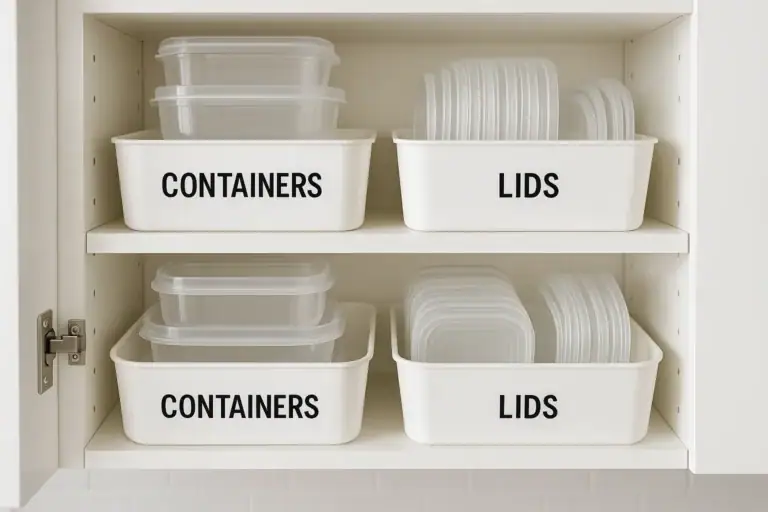 Food Storage Container Organization and Stain Removal Made Simple
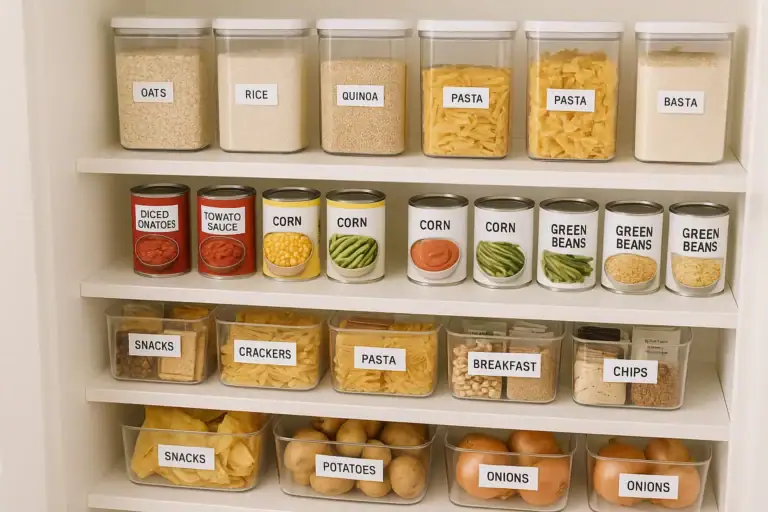 How to Set Up a Pantry Inventory System with FIFO for Busy Kitchens
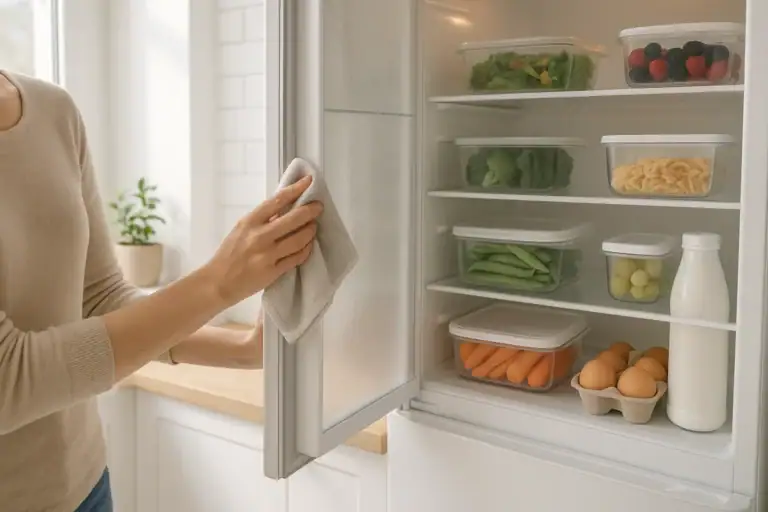 Condensation Inside Your Refrigerator: Causes, Fixes, and Prevention