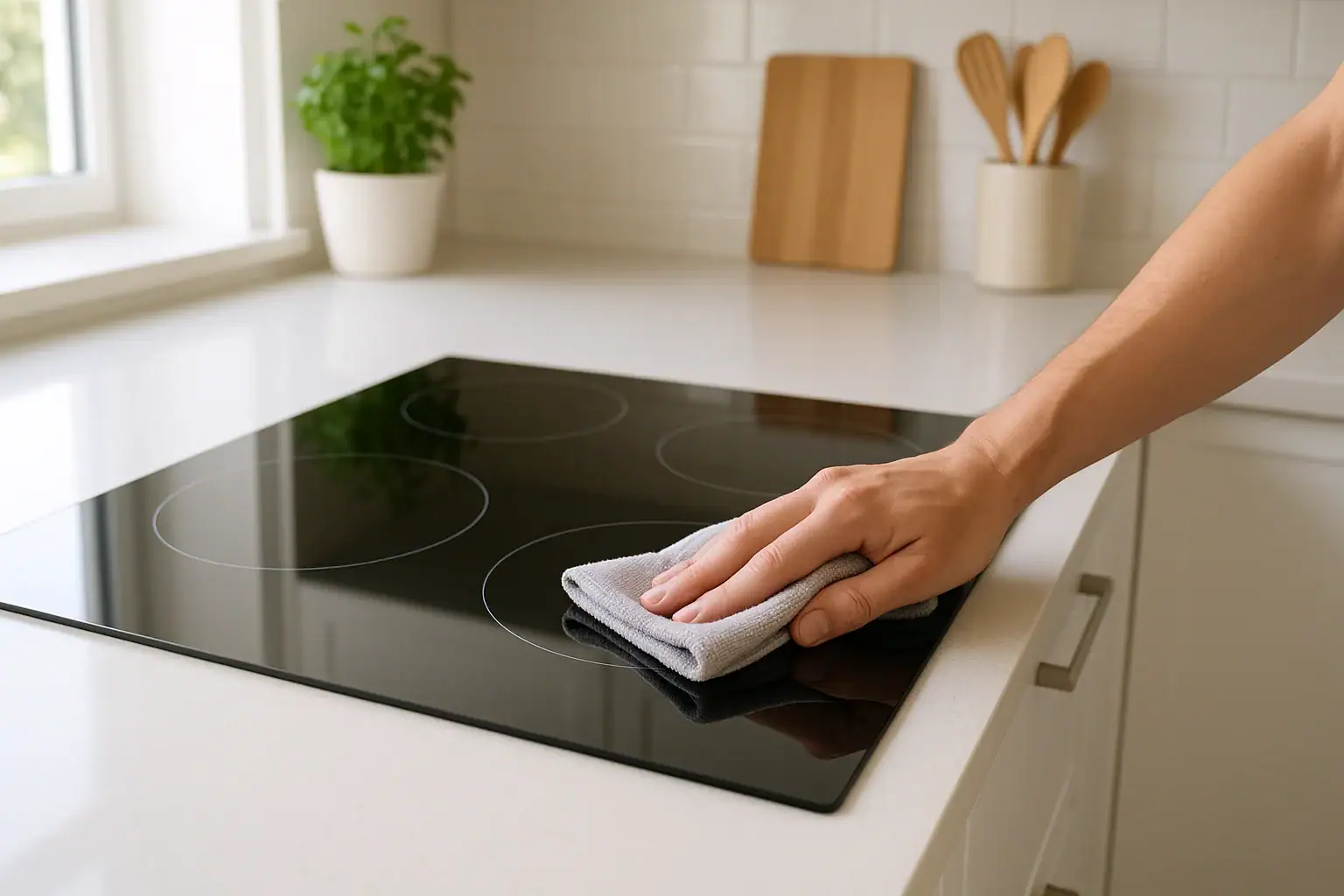
Induction cooktops are popular because they heat quickly, look sleek, and are generally easy to maintain. But that smooth glass surface can also feel intimidating to clean. One wrong move with a harsh scrubber or gritty cleaner and you can leave behind permanent scratches. The good news is that keeping an induction cooktop spotless and scratch-free is simple when you use the right tools, gentle products, and a consistent routine.
This guide walks you through how to clean an induction cooktop without scratches, from quick daily wipe-downs to tackling stubborn, burnt-on messes. You will also learn what to avoid, how to protect the glass surface, and easy habits that keep your cooktop looking new for years.
How Induction Cooktops Work and Why They Scratch
Understanding how induction cooktops work helps explain why they need special care. Unlike gas or traditional electric ranges, induction cooktops use magnetic fields to heat the cookware directly. The glass-ceramic surface itself does not get as hot as other cooktops, but it still heats up from contact with hot pots and pans.
Scratches usually do not come from the heat. They come from:
- Dragging rough-bottomed cookware across the glass
- Trapped food particles, sugar, or salt between the pan and the surface
- Using abrasive pads, steel wool, or gritty powders
- Letting spills bake on repeatedly before cleaning them
The glass is durable but not scratch-proof. Gentle, regular cleaning is the best way to protect it.
Tools and Supplies: What to Use and What to Avoid
Before you start cleaning, gather the right tools. Using safe supplies is the most important step in avoiding scratches.
Safe Tools and Cleaners for Induction Cooktops
Choose soft, non-abrasive items that will not damage the glass surface:
- Soft microfiber cloths or soft cotton dishcloths
- Non-scratch sponge or soft foam sponge
- Plastic or silicone scraper designed for glass cooktops
- Mild dish soap
- White vinegar (for mineral spots and streaks)
- Baking soda (for gentle, occasional deep cleaning)
- Spray bottle with water or a mild vinegar-and-water mix
- Paper towels or lint-free towels for drying and buffing
Cleaners and Tools to Avoid
These products can scratch or dull the glass and should be avoided:
- Steel wool or metal scouring pads
- Rough scrub brushes or abrasive pads
- Powdered cleaners with grit
- Oven cleaner sprays or heavy-duty degreasers not labeled safe for glass
- Glass cleaner with ammonia used on a hot surface
- Sharp metal tools such as knives or razor blades used at a steep angle
If you are unsure whether a product is safe, test it first on a small, less visible area when the cooktop is completely cool.
Safety First: Always Start With a Cool Cooktop
Never clean an induction cooktop while it is hot. Even though the surface may not get as hot as other ranges, it can still cause burns and make cleaners evaporate too quickly or leave streaks.
Before cleaning:
- Turn off all burners and controls.
- Wait until the hot-surface indicator light goes off.
- Touch the surface carefully to confirm it is cool.
- Unplug the unit if it is a portable induction cooktop.
Cleaning a cool surface also helps you avoid spreading softened, hot spills, which can smear and become more difficult to remove.
Daily Cleaning: Gentle Routine to Prevent Buildup
A quick daily routine is the easiest way to keep your induction cooktop clean and scratch-free. Wiping it down after each use prevents food from baking on and reduces the need for heavy scrubbing later.
Step-by-Step Daily Cleaning
-
Let the cooktop cool completely.
Wait until it is safe to touch and the surface is no longer warm.
-
Remove loose crumbs and debris.
Use a dry microfiber cloth or paper towel to gently sweep away crumbs, salt, and other loose particles. This step helps prevent scratching when you wipe with a damp cloth.
-
Wipe with warm, soapy water.
Fill a small bowl or sink with warm water and a few drops of mild dish soap. Dip a soft cloth or non-scratch sponge, wring it out well, and wipe the surface in smooth, overlapping strokes.
-
Rinse with a clean damp cloth.
Use a second cloth dampened with clean water to remove any soap residue. Soap left behind can leave streaks and attract more dirt.
-
Dry and buff.
Finish with a dry microfiber cloth or lint-free towel. Buff in small circles to leave the glass shiny and streak-free.
This simple process only takes a few minutes and protects the surface from long-term buildup and stains.
How to Remove Stubborn Spills Without Scratching
Even with good habits, spills happen. Sauces boil over, sugar drips, and food can bake onto the surface. The key is to soften and lift stuck-on messes instead of scrubbing aggressively.
Step 1: Soften the Spill
Once the cooktop is completely cool, start by loosening the residue:
- Lay a soft cloth or paper towel over the stuck-on area.
- Spray or drizzle warm water on top to dampen it, or use a mix of equal parts water and white vinegar.
- Let it sit for 10 to 15 minutes to soften the food.
Step 2: Gently Scrape with a Plastic Tool
After the spill has softened, use a plastic or silicone scraper designed for glass surfaces:
- Hold the scraper at a shallow angle, almost flat against the glass.
- Push gently under the softened residue, working slowly.
- Avoid digging or gouging motions that can scratch.
If you do not have a scraper, use the edge of a plastic spatula rather than anything metal.
Step 3: Clean and Buff
Once the worst of the residue is removed:
- Wipe the area with warm, soapy water using a soft cloth.
- Rinse with a clean damp cloth to remove soap and loosened debris.
- Dry and buff with a microfiber cloth.
Dealing With Burnt-On Stains and Discoloration
Some stains, especially from sugary spills or repeated overheating, can leave light discoloration or a rough texture. A gentle baking soda paste can help lift these marks without scratching.
How to Use Baking Soda Safely
-
Make a thin paste.
Mix a small amount of baking soda with water until it forms a spreadable paste. It should be smooth and not gritty or dry.
-
Apply to the stained area.
Spread a thin layer of paste over the cooled, stained section of the cooktop.
-
Cover with a damp cloth.
Lay a warm, damp cloth over the paste and let it sit for 10 to 15 minutes. This helps loosen the stain.
-
Wipe gently.
Use the same damp cloth to gently wipe the paste away, using light pressure and circular motions. Avoid scrubbing hard.
-
Rinse and dry.
Rinse the area with a clean, damp cloth to remove any residue, then dry and buff with a microfiber cloth.
Use this method occasionally as needed. If a stain does not come off after a few gentle attempts, it may be permanent discoloration rather than surface residue.
Removing Water Spots, Streaks, and Fingerprints
Hard water spots, streaks, and fingerprints can make a clean induction cooktop look cloudy or dull. A simple vinegar solution works well for these marks.
Quick Vinegar Shine
-
Mix a solution.
Combine equal parts white vinegar and water in a spray bottle.
-
Spray lightly.
Lightly mist the cool cooktop surface. Do not soak it, especially near controls or seams.
-
Wipe with a soft cloth.
Use a microfiber cloth to wipe in straight lines or gentle circles.
-
Dry and buff.
Finish with a dry section of the cloth to remove any remaining moisture and leave a streak-free shine.
This method is especially helpful after regular cleaning to give the cooktop a polished, like-new appearance.
How to Prevent Scratches on an Induction Cooktop
Prevention is easier than repair. A few simple habits can dramatically reduce the risk of scratches and damage.
Use the Right Cookware
Not all pots and pans are equally gentle on a glass surface. To protect your cooktop:
- Choose flat-bottomed cookware that sits evenly on the surface.
- Avoid pans with rough, warped, or chipped bottoms.
- Inspect the bottom of your pans for stuck-on food or burnt residue before cooking.
- Lift cookware instead of sliding it across the glass whenever possible.
Control Spills and Boil-Overs
Spills can bake on and become difficult to remove, increasing the temptation to scrub:
- Use lids or splatter screens when simmering sauces.
- Do not overfill pots and pans.
- Wipe up small spills as soon as the surface cools.
Avoid Dragging Heavy Items
Dragging heavy cookware, canning pots, or appliances across the cooktop is one of the fastest ways to cause deep scratches. Always lift and move items carefully.
Keep the Surface Dust-Free
Even tiny particles like salt, sugar, or grit can scratch when trapped under a pan. Wipe the cooktop with a dry cloth before cooking if you notice dust or crumbs.
What to Do If You Already Have Scratches
Light surface marks are common over time and usually do not affect how the cooktop works. While you cannot remove deep scratches from the glass, you can make minor marks less noticeable and prevent new damage.
Minimize the Look of Light Scratches
To reduce the appearance of light swirls or scuffs:
- Clean the surface thoroughly to remove all residue and streaks.
- Buff gently with a dry microfiber cloth in small circles.
- Keep the surface free of grease, which can highlight scratches.
When to Consider Professional Help
If you notice deep cracks, chips, or damage that affects the function of the cooktop, it is best to contact a qualified service technician. In some cases, the glass top may need to be replaced for safety reasons.
Simple Cleaning Schedule for a Shiny, Scratch-Free Cooktop
Sticking to a simple schedule keeps your induction cooktop looking its best with minimal effort.
Suggested Routine
- After each use: Wipe once the surface is cool with warm, soapy water, then rinse and dry.
- Once a week: Use a vinegar-and-water spray to remove streaks and water spots, then buff dry.
- As needed: Treat stubborn, burnt-on spills with a plastic scraper and, if necessary, a gentle baking soda paste.
By keeping up with this routine, you will rarely need heavy scrubbing and can avoid most scratches and stains.
Key Takeaways for Scratch-Free Induction Cooktop Cleaning
Cleaning an induction cooktop without scratches comes down to a few core principles:
- Always clean the cooktop when it is completely cool.
- Use soft cloths, non-scratch sponges, and gentle cleaners.
- Avoid abrasive pads, gritty powders, and harsh chemicals.
- Soften stuck-on spills before gently scraping with a plastic tool.
- Lift cookware instead of sliding it across the surface.
- Wipe up everyday messes quickly to prevent buildup.
With these habits, your induction cooktop can stay smooth, shiny, and efficient, making your kitchen both attractive and easy to maintain.
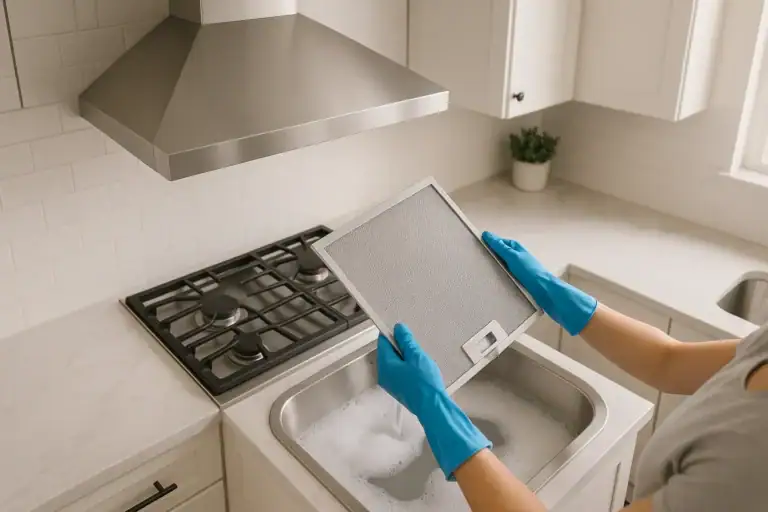 How to Clean Range Hood Filters Without a Greasy Mess
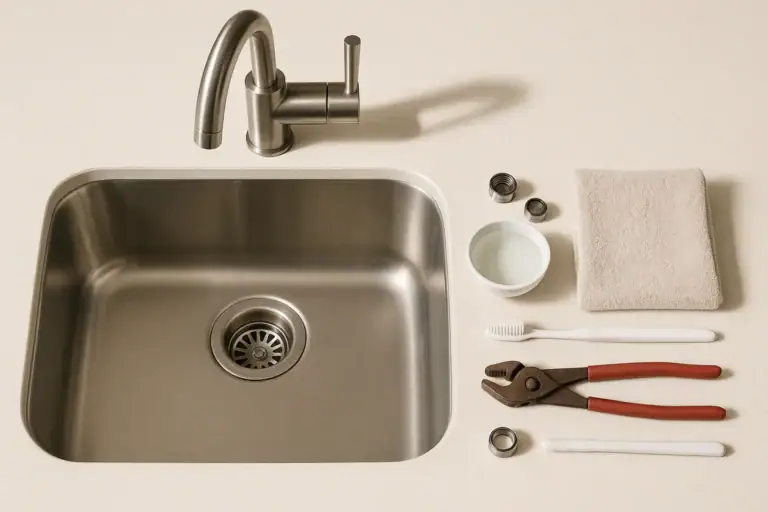 Kitchen Sink Aerator Cleaning for Low Water Flow: A Step-by-Step Guide
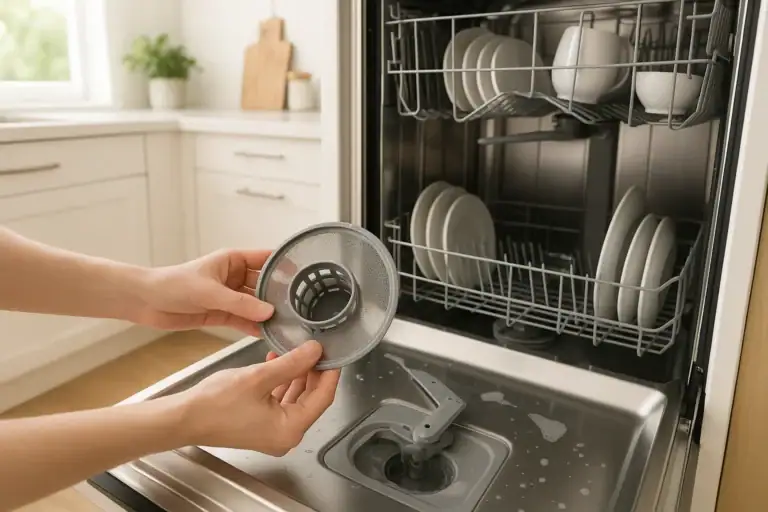 How to Clean a Dishwasher Filter Step by Step for Sparkling Dishes